On display at the Gallerie dell’Accademia in Venice until 18 October 2026, Marina Abramović describes her connection with the city and with the public, whilst curator Shai Baitel outlines the strengths and limits of an exhibition such as this
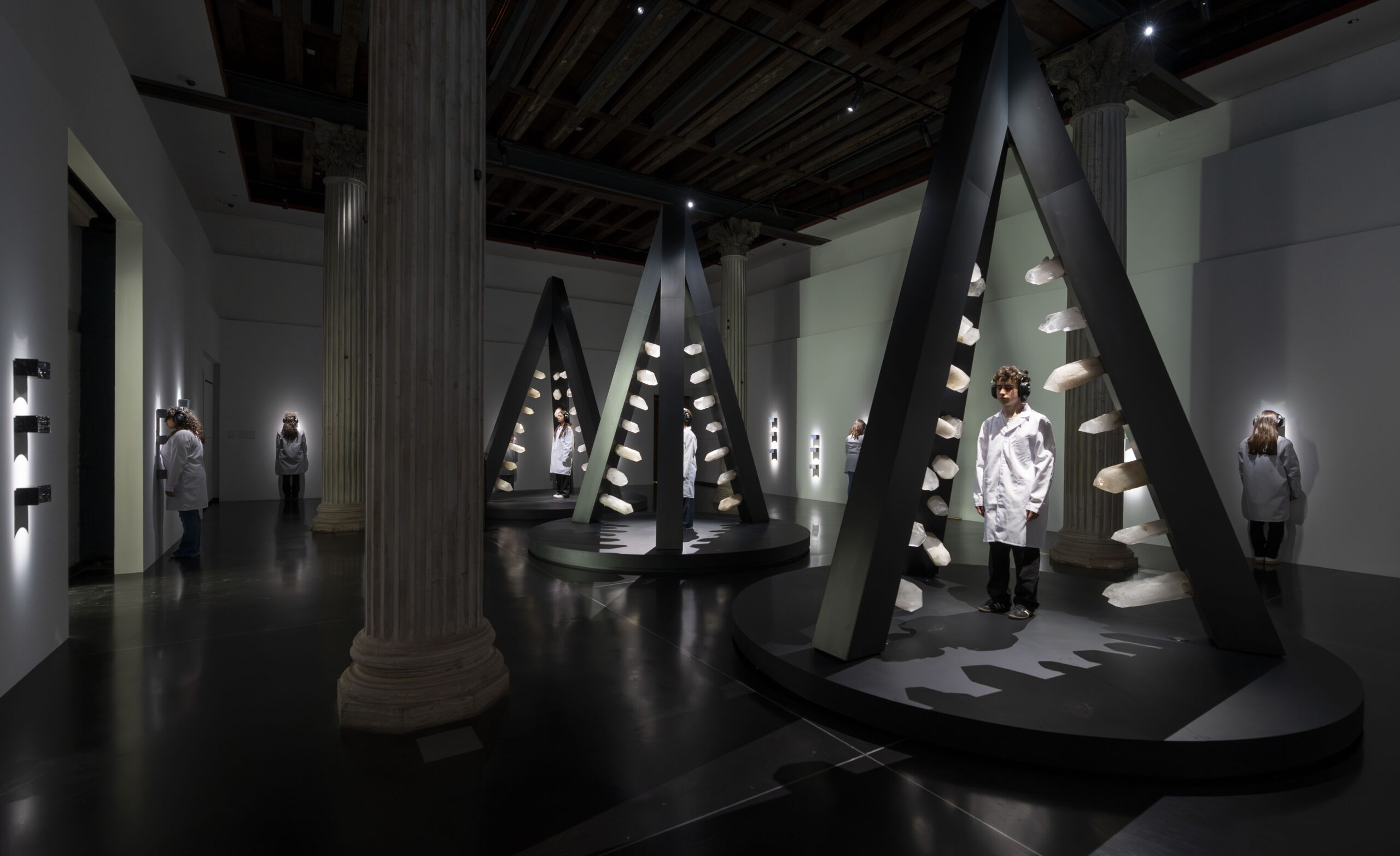
Entitled Transforming Energy, the exhibition at the Gallerie dell’Accademia in Venice focuses on Marina Abramović’s artistic practice. Curated by Shai Baitel, the exhibition is based on the involvement of the audience, who are invited to set aside all distractions and interact silently with the works.
Venice is a city made of stone and water, permeated by a tangible energy, and it is also a city you are very connected to. What does it mean to you to have returned here with an exhibition in which energy plays a fundamental role?
Marina Abramović: When you are in Venice you feel its elements immediately in the body. Stone, water, light, salt, air. It is also a city where history is both distant and completely present. For me, this is very important because energy is always connected to place, to the body, and to time.
I have returned to Venice many times in my life, especially through the Biennale, but this exhibition allowed me to look at the city in a different way. We were not only thinking about Venice as a historical city, or as a city of art, but as a city with its own energetic field. The Transitory Objects are made with crystals, minerals, copper, and other materials that carry energy, and in Venice these materials enter into dialogue with the atmosphere of the city itself. So the exhibition becomes about exchange: between the body and the object, between the object and the city, between the past and the present. Venice is the perfect place for this because it is never still. It is always changing.
The connection between time and experience has always been at the heart of your practice. How has this approach changed over time, particularly in response to shifts in the public’s attention span?
Marina Abramović: I have often said, if you give me your time, I give you experience. If you don’t give me time, there is no experience. This is even more important today because our attention is so fragmented. Much is consumed and forgotten immediately. But performance cannot exist in that way. Performance asks for presence.
Much of my work is concerned with how to create conditions for that presence. In the beginning, I used my own body and duration. With the Transitory Objects, I ask how the public can enter this experience themselves. Minerals are very important in this sense because they carry another kind of time. I see them almost as time computers, or time capsules. They come from the earth, and they contain the memory of the planet. When you connect with a crystal or a mineral, you are connecting with something that has existed for hundreds of millions of years. This completely changes your relation to time. It slows you down. It brings you out of ordinary time and into a deeper experience of being present.
The exhibition’s display and the way it is experienced are unique. Silence and sensory stimulation are two key elements. From a curatorial perspective, what are the strengths and limits of an exhibition of this kind?
Shai Baitel: The strength and the challenge are very close to one another. We are not only curating physical objects, but energy, silence, and conditions of attention. The objects have a strong visual language, but they are ultimately set up for the audience. They are made to be entered, activated, and experienced.
This also marks an important shift in how Marina’s work is encountered. In this exhibition, Marina is not performing. The audience performs. The Transitory Objects become fully manifest only when a visitor stands, sits, lies down, closes their eyes, listens, waits, or follows the instructions of the work. Participation is what completes the exhibition.
The limit is that this kind of presence cannot be forced. Museum directors and curators today are working with an audience that is often highly informed, but also deeply distracted. The smartphone has become almost an extension of the body and the brain. Marina’s fundamental request is that the visitor remove themselves from that constant noise and enter the present moment. Silence and sensory focus are therefore not decorative. They are the conditions that allow the work to happen.
How, in practical terms, did the planning of a guest exhibition at a historic institution such as the Gallerie dell’Accademia unfold? What kind of dialogue did you choose to establish?
Shai Baitel: The planning began with the museum itself, and especially with the Accademia’s collection. We did not want to place Marina’s work in the building as a guest intervention. We wanted the exhibition to grow from the specific history of the institution.
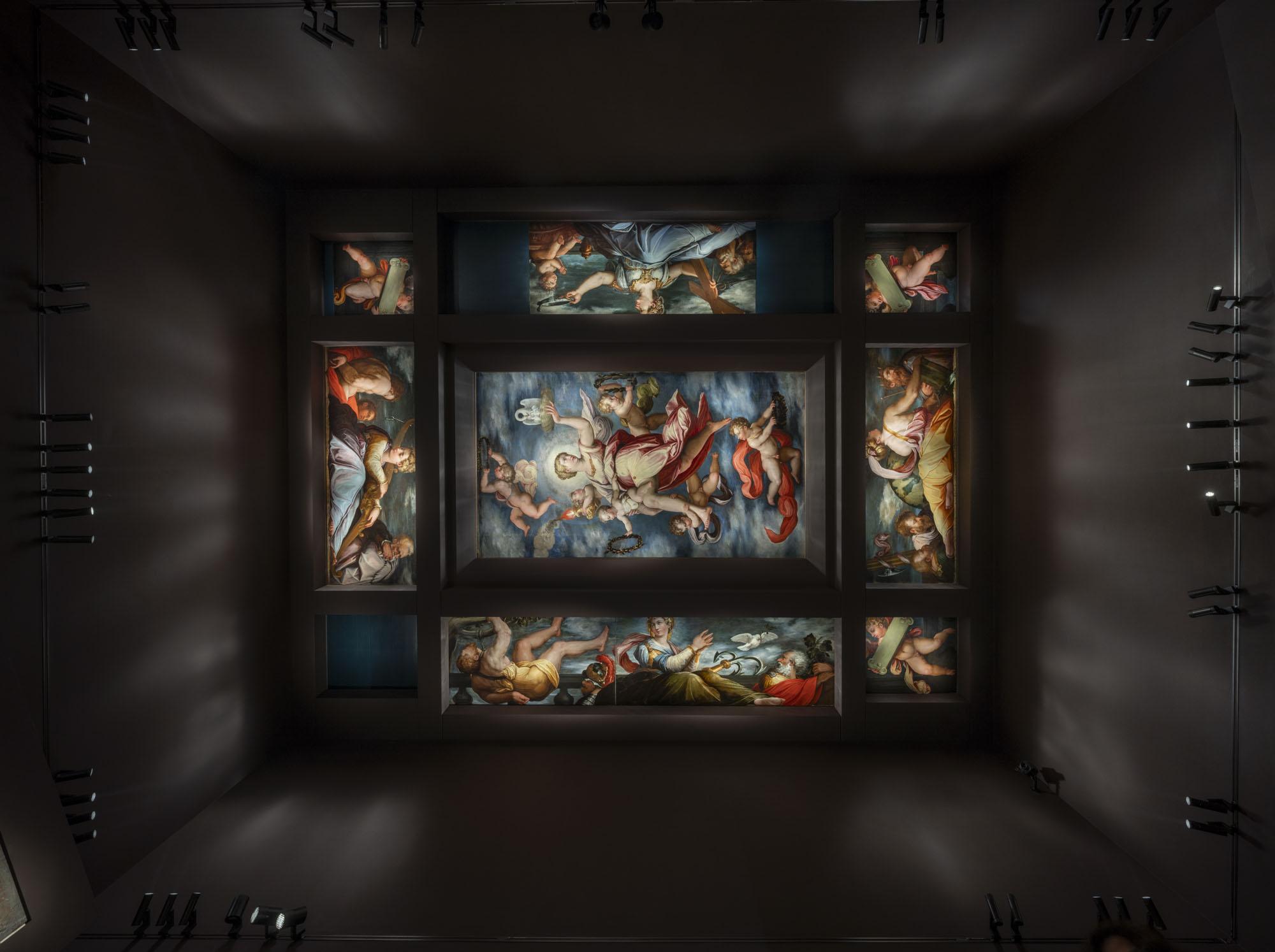
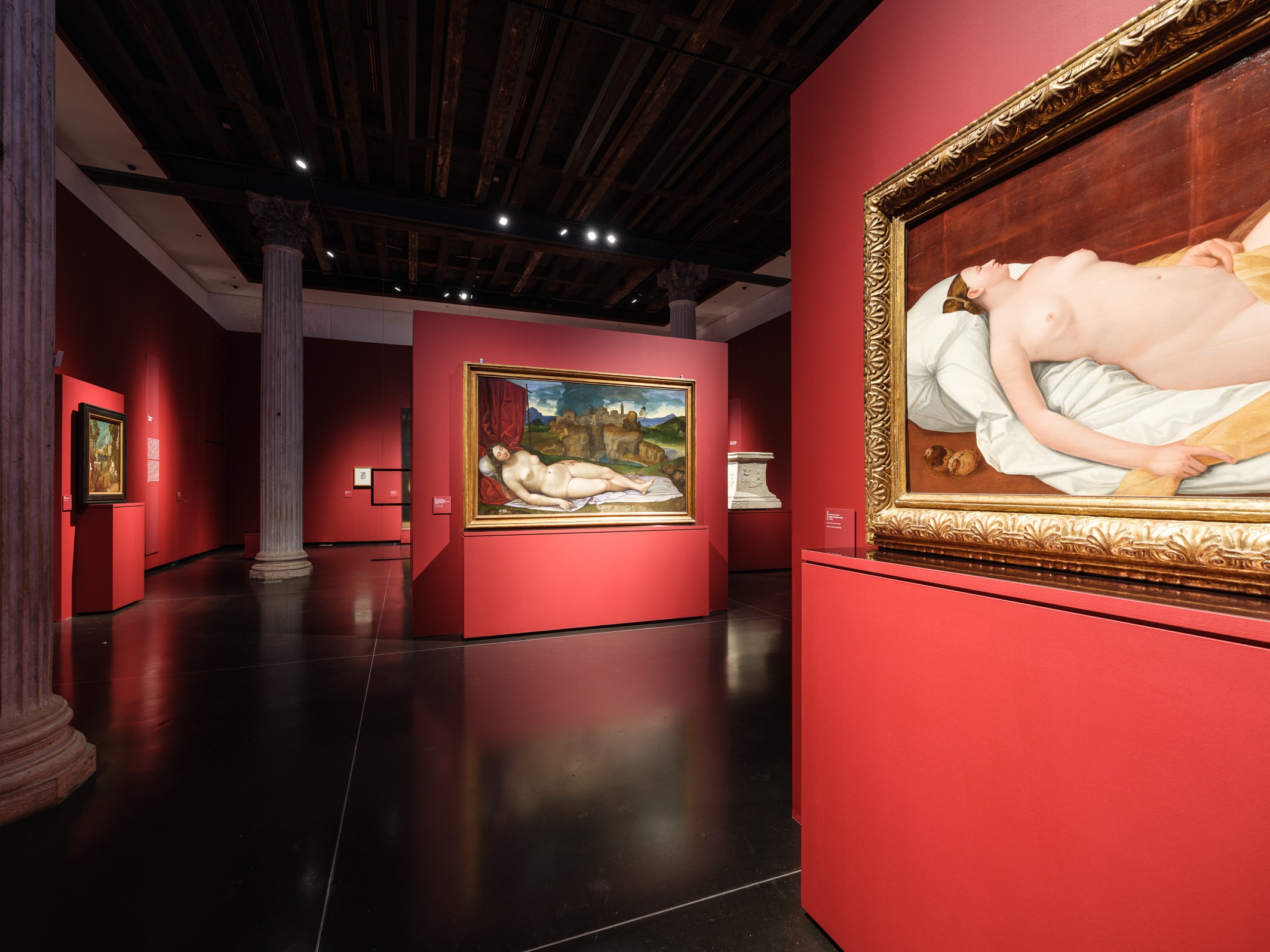
The central dialogue is with the Renaissance and early modern history of Venice, and in particular with Titian’s unfinished Pietà. That work became a key point of reference because it brings together the body, mortality, devotion, and transformation. These are also central questions in Marina’s practice, though she approaches them through performance, duration, energy, and direct bodily experience.
So the dialogue we established is very specific. It is between Titian’s Pietà and Marina’s Pietà (Anima Mundi), between the Accademia’s historical representations of the body and Marina’s use of the body as material, and between the museum’s devotional and pictorial traditions and the Transitory Objects, which ask the public to enter the work physically. The exhibition was planned as a living encounter between the Accademia’s past and Marina’s present.
Interview by Arianna Testino
INFO
Transforming Energy
until 18 October 2026
GALLERIE DELL’ACCADEMIA
Campo della Carità, Dorsoduro 1050, Venice
https://www.gallerieaccademia.it/
BIO
Marina Abramović (born November 30, 1946, Belgrade) is a Serbian performance artist and one of the most influential figures in contemporary performance art. Over her five-decade career, she has explored themes of endurance, the relationship between performer and audience, physical and psychological limits, and presence.
After studying at the Academy of Fine Arts in Belgrade and in Zagreb, she began her practice in the early 1970s with groundbreaking works such as Rhythm 10 (1973) and Rhythm 0 (1974), which established her radical approach to audience interaction and bodily experience.
In the 1970s and 1980s, she collaborated with artist Ulay, creating iconic performances exploring identity, duality, and relational dynamics, including Imponderabilia (1977) and The Lovers (1988), which concluded with their symbolic farewell on the Great Wall of China.
She gained widespread international recognition with The Artist Is Present (2010) at The Museum of Modern Art in New York, where she sat in silent dialogue with visitors for over 700 hours.
Abramović is the founder of the Marina Abramović Institute (MAI), dedicated to performance art and long-durational practices. She continues to develop major international projects and immersive performances, remaining a central figure in contemporary art discourse.
Shai Baitel is arts executive with an extensive experience in the art & culture fields. Best known as the co-founder of Mana Contemporary, a global, multidisciplinary and comprehensive arts center, Baitel currently serves as the artistic director of the Modern Art Museum (MAM) in Shanghai and has worked on projects as creative director with the Whitney Museum of American Art and the Herzliya Museum of Contemporary Art, among other institutions. He is a writer and contributor for several prominent publications.
Transforming Energy, exhibition view, Gallerie dell’Accademia, Venice 2026. Photo Matteo de Fina
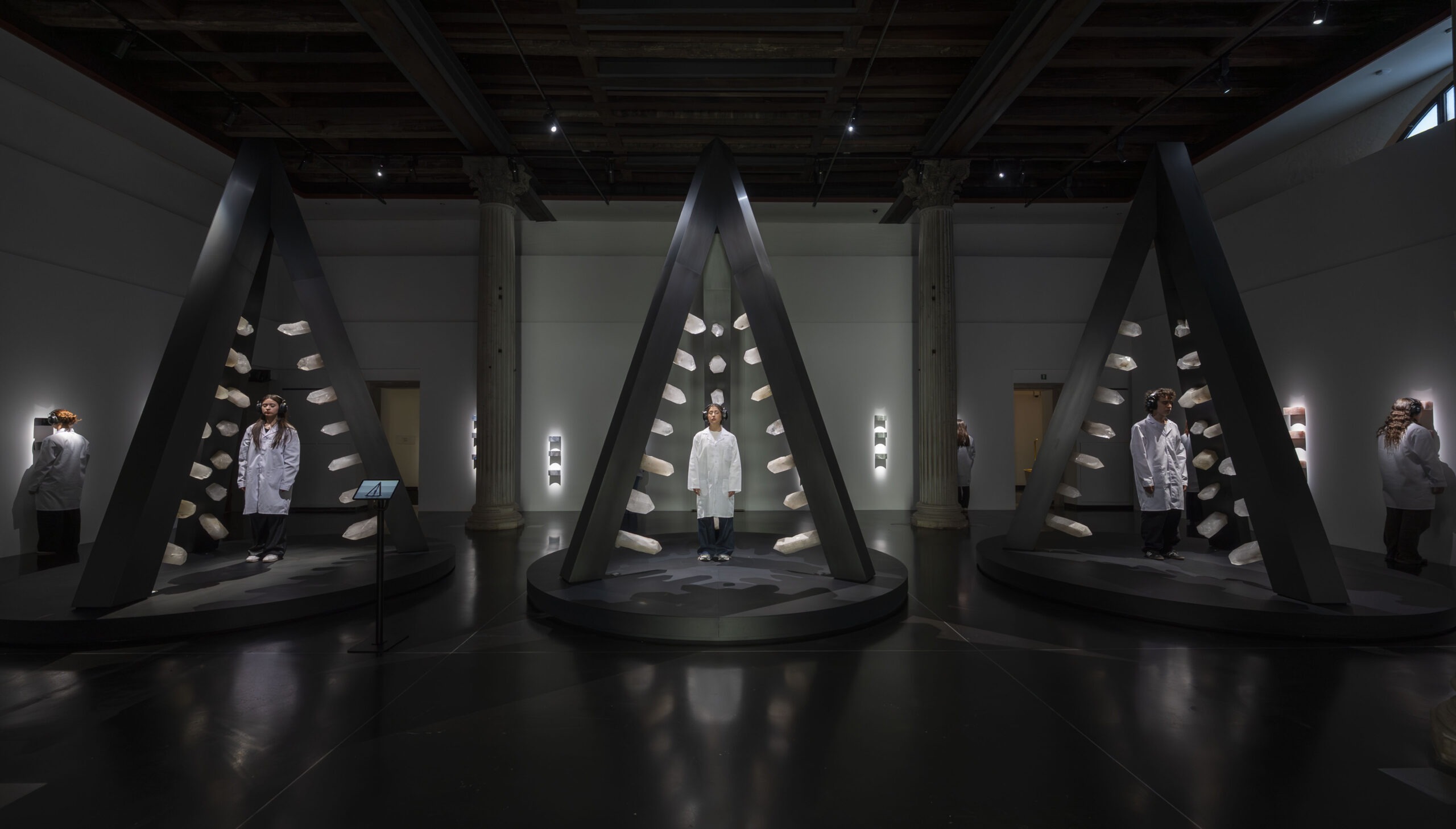
Transforming Energy, exhibition view, Gallerie dell’Accademia, Venice 2026. Photo Matteo de Fina
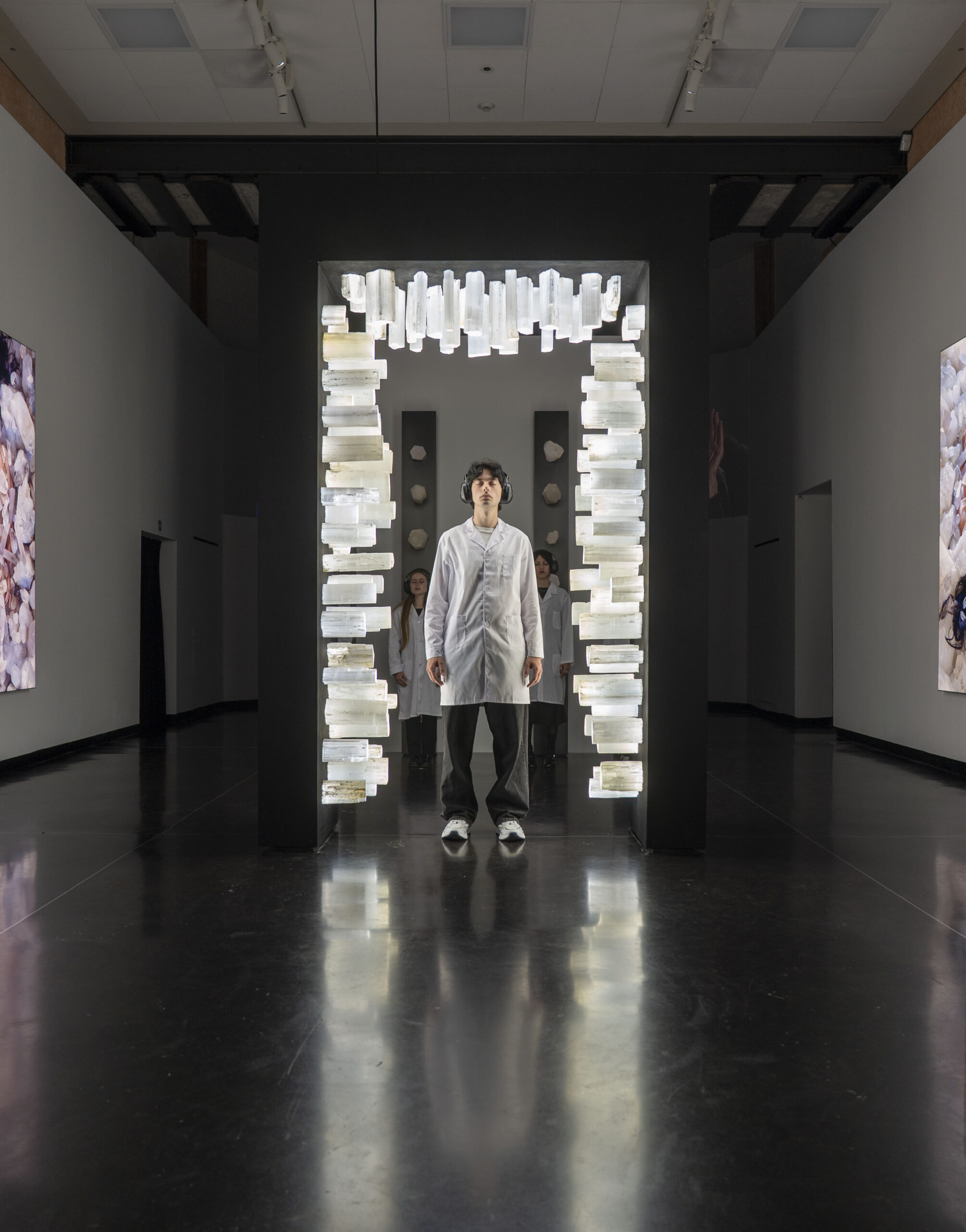
Transforming Energy, exhibition view, Gallerie dell’Accademia, Venice 2026. Photo Matteo de Fina
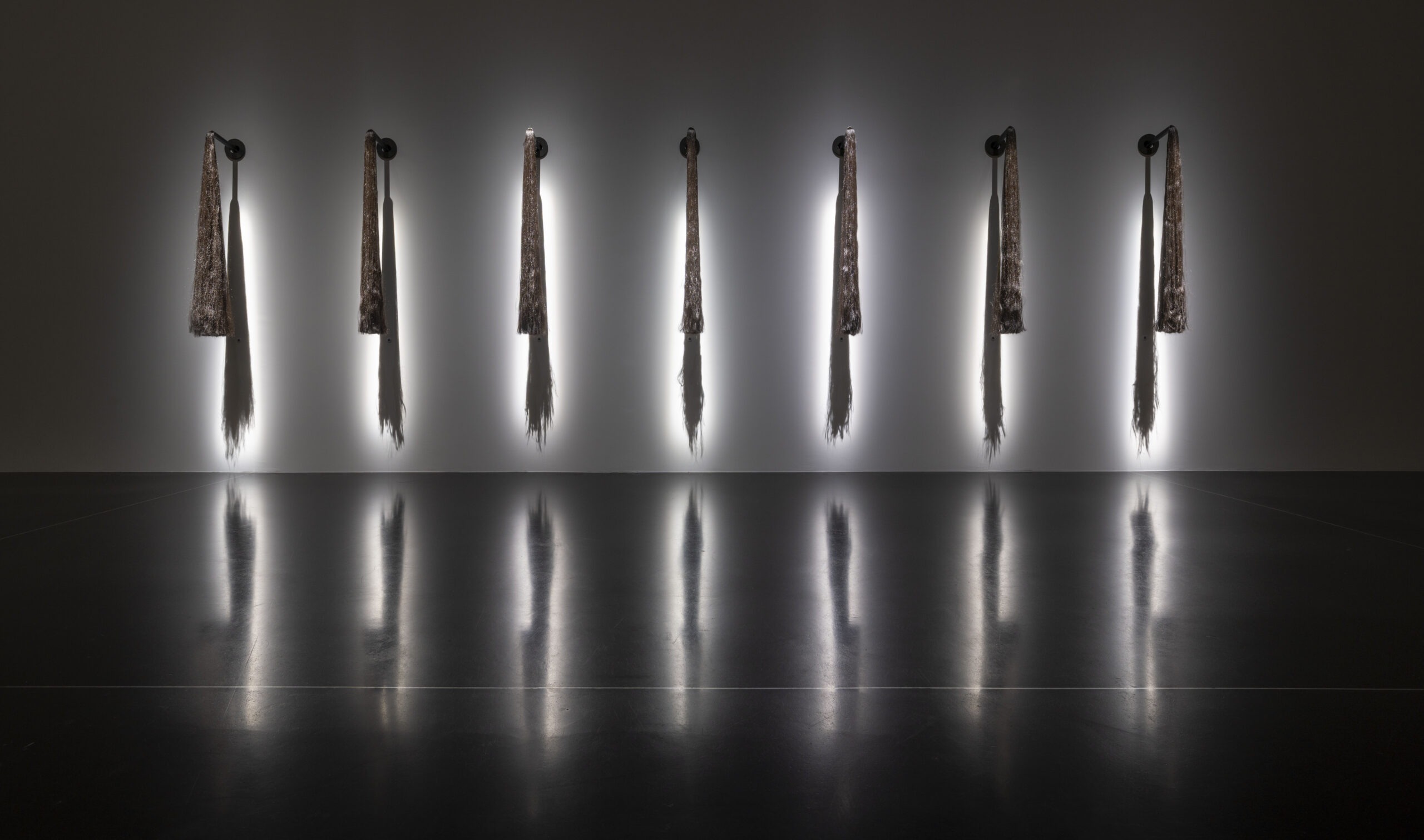
Transforming Energy, exhibition view, Gallerie dell’Accademia, Venice 2026. Photo Matteo de Fina
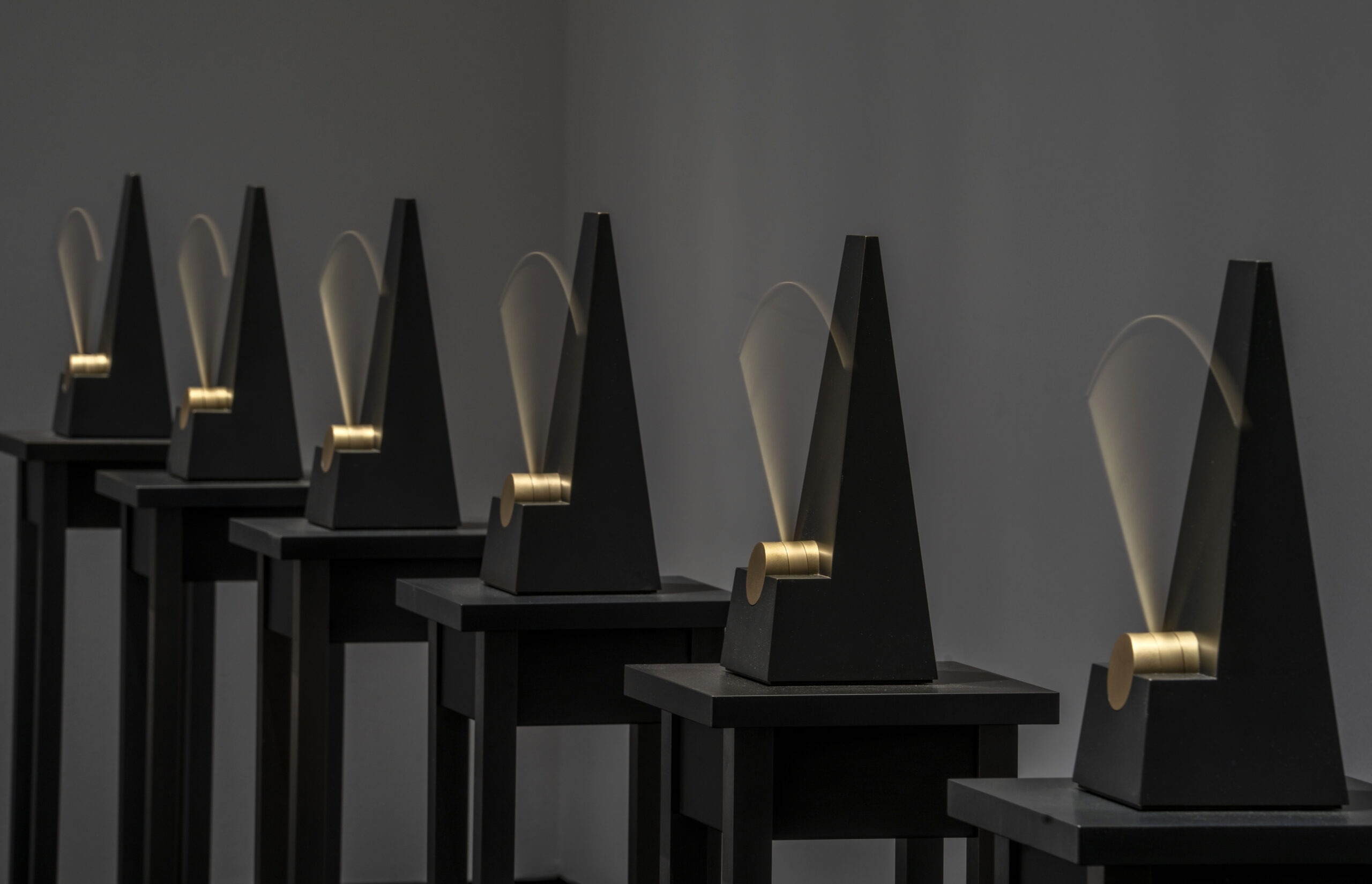
Transforming Energy, exhibition view, Gallerie dell’Accademia, Venice 2026. Photo Matteo de Fina
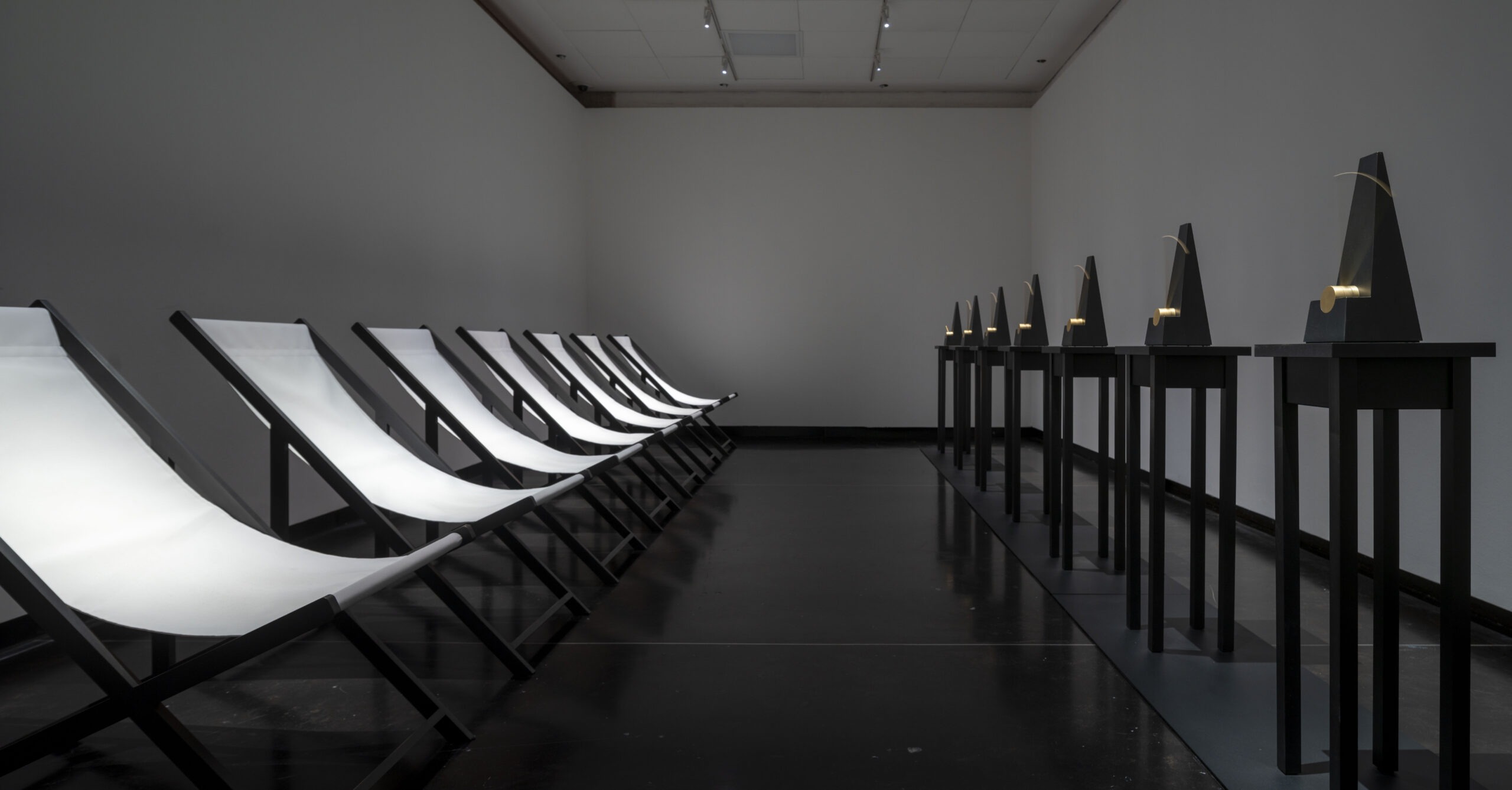
Transforming Energy, exhibition view, Gallerie dell’Accademia, Venice 2026. Photo Matteo de Fina
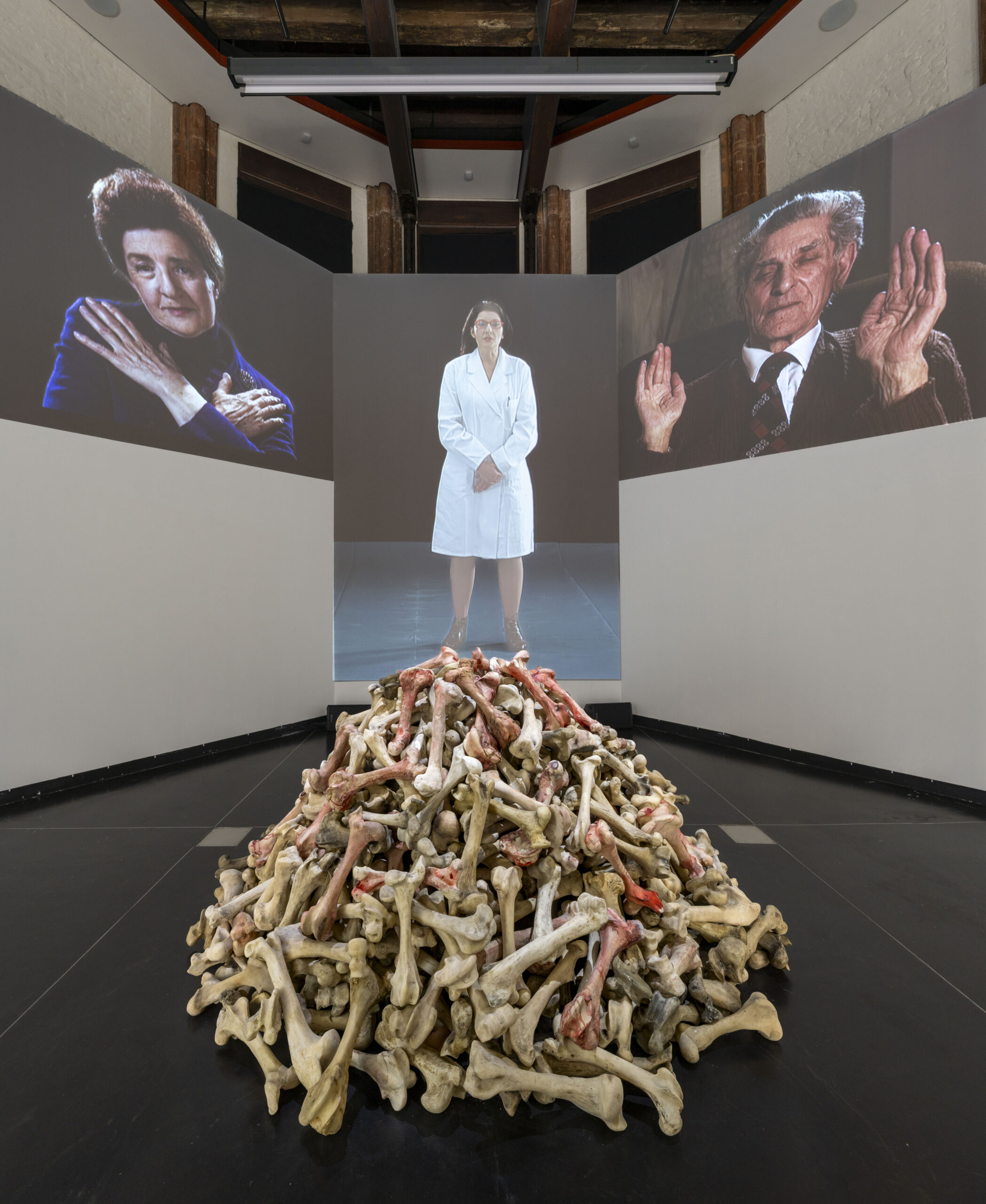
Transforming Energy, exhibition view, Gallerie dell’Accademia, Venice 2026. Photo Matteo de Fina
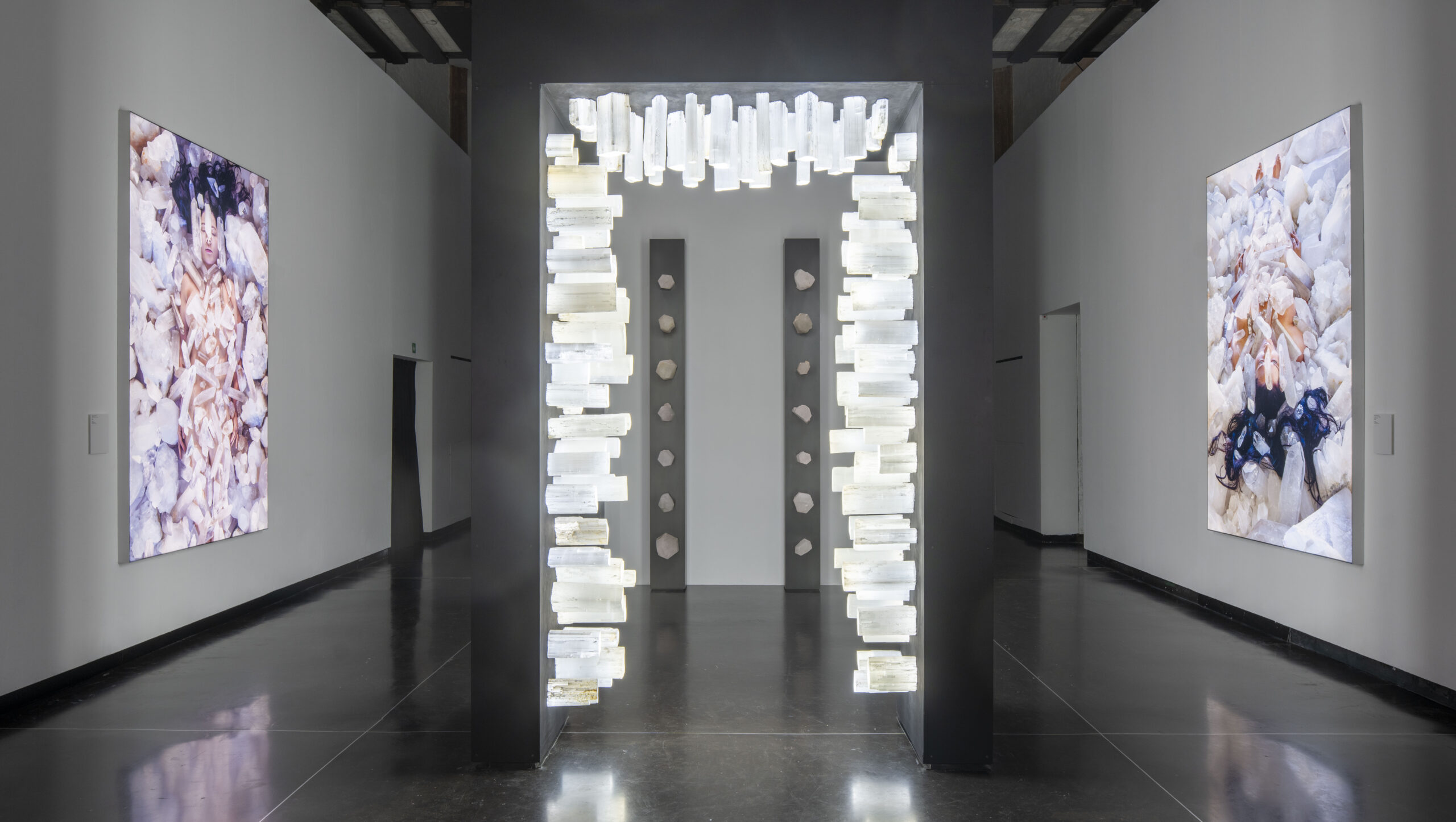
Transforming Energy, exhibition view, Gallerie dell’Accademia, Venice 2026. Photo Matteo de Fina (cover photo)
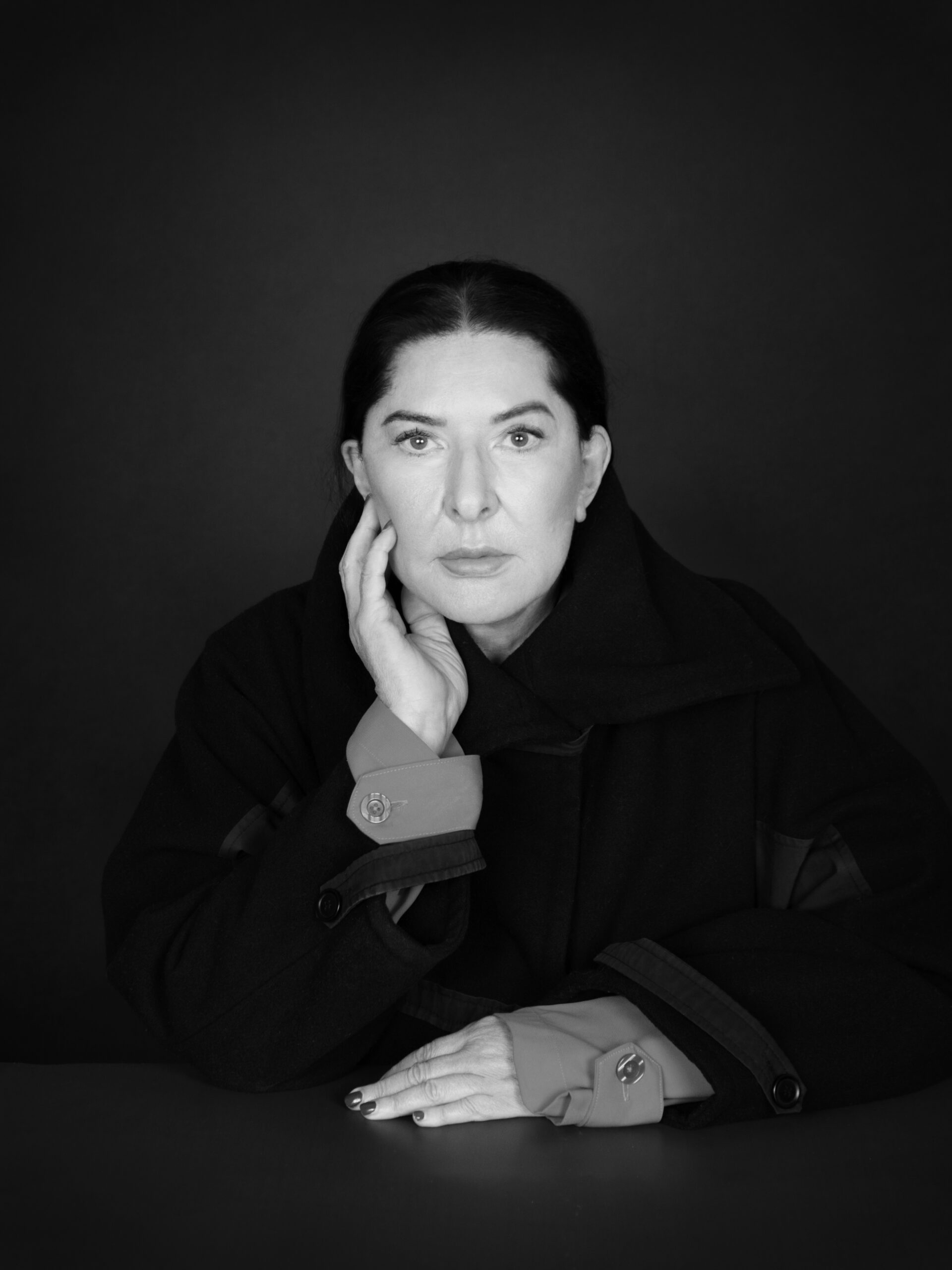
Marina Abramović. Photo Marco Anelli
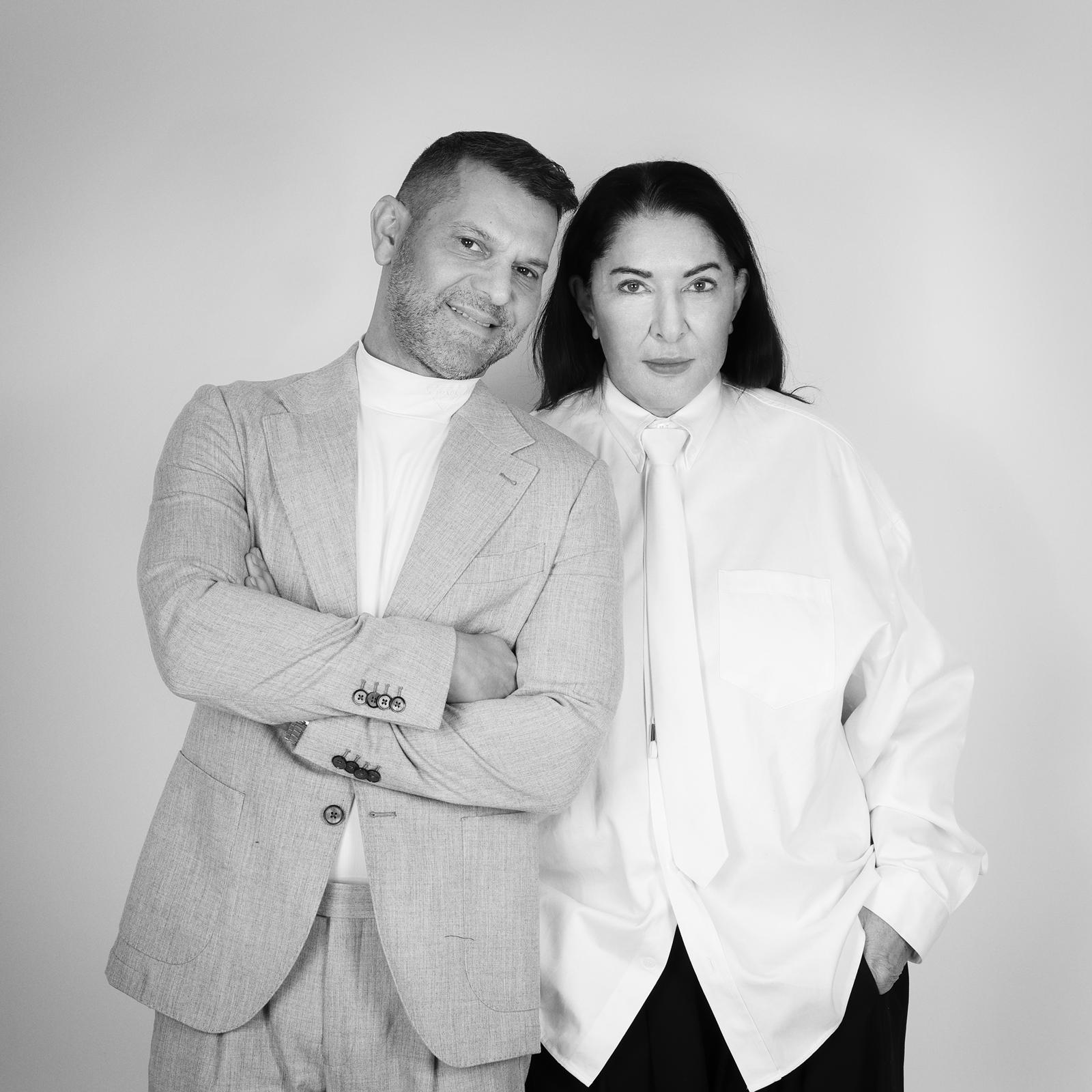
Marina Abramović and curator Shai Baitel. Photo Marco Anelli, 2025


Related Articles