One ticket, five centuries of art. Anyone wishing to embark on a journey through the centuries, from the Renaissance to the modern era, now has an additional resource at their disposal: a combined ticket granting access to the Sonnabend Collection Mantova and Palazzo Te. We spoke to the two directors, Mario Codognato and Stefano Baia Curioni
Mantua is a treasure trove of exceptional artistic heritage, to which the masterpieces of the Sonnabend Collection, displayed in the rooms of Palazzo della Ragione, have recently been added. Thanks to the combined ticket, visitors can now access the Sonnabend Collection Mantova, Palazzo Te, the Museo Mantova Collezioni Antiche and the Tempio Alberti within 48 hours of their first visit, following an itinerary that bridges the gaps between eras.
Mario Codognato, artistic director of the Sonnabend Collection Mantova, and Stefano Baia Curioni, director of the Fondazione Palazzo Te, reflect on the benefits and potential of this project.
The introduction of a combined ticket for Palazzo Te and the Sonnabend Collection Mantova strengthens the dialogue between two institutions that help shape the city’s cultural identity. What are the key features and strengths of this dialogue?
Mario Codognato: The combined ticket highlights and makes it possible to enjoy two cultural and exhibition offerings simultaneously – offerings that, whilst seemingly different, are undoubtedly complementary and easily accessible from one another.
Stefano Baia Curioni: The dialogue between Palazzo Te and the Sonnabend Collection is central to demonstrating the need for a culture of the contemporary, one that can bridge the appreciation of cultural heritage with an understanding of contemporary art.
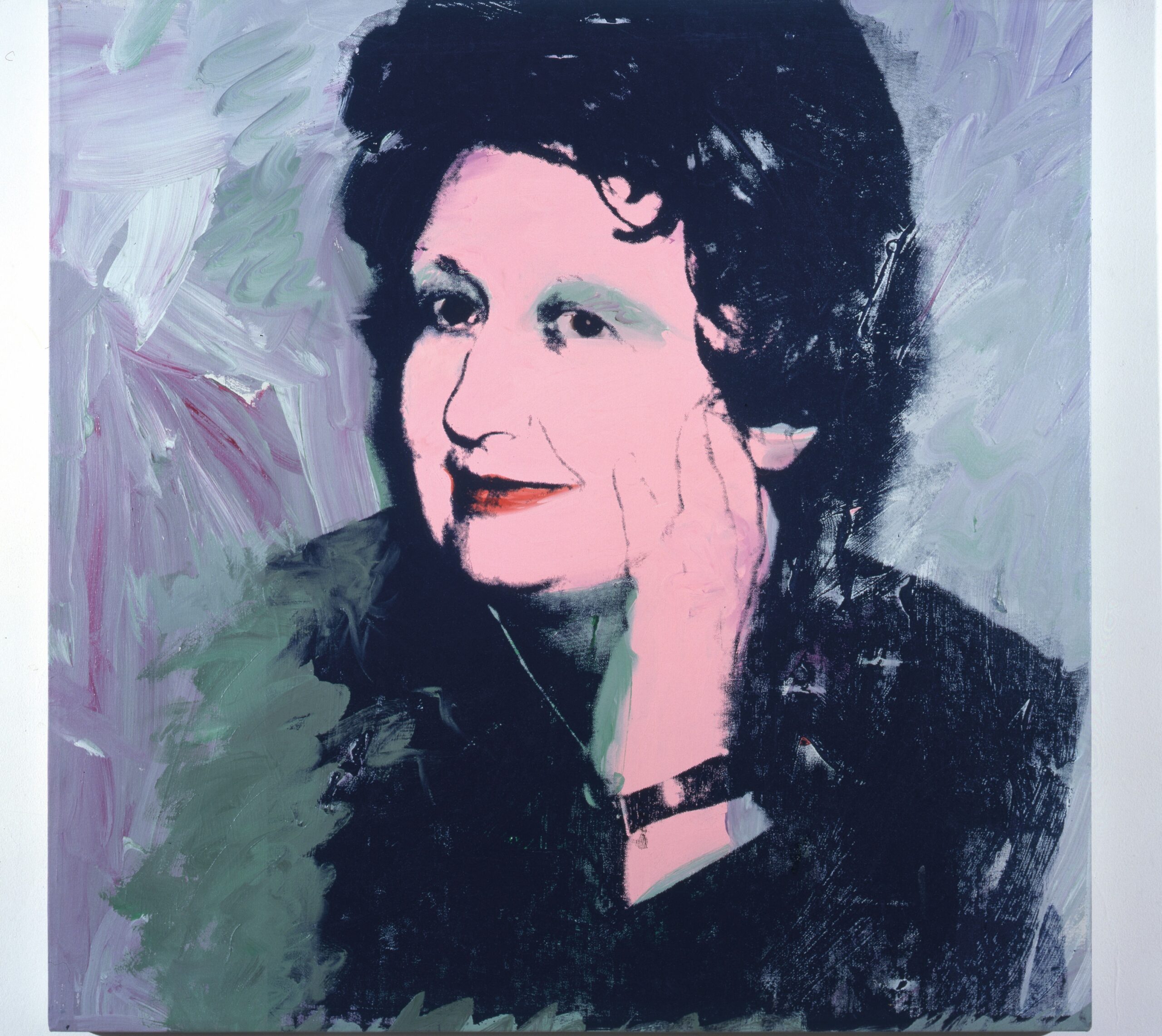
Palazzo Te is a hub for contemporary creation, where heritage is presented as a source of inspiration for contemporary projects and visions. The Sonnabend Collection is an extraordinary collection of contemporary works, set within a historical context, which highlights the languages and representative forms that characterised one of the most prolific eras in American and European art.
Which new perspectives does the collaboration between Palazzo Te and the Sonnabend Collection open up for Mantua’s cultural offering, both for city residents and visitors from other areas?
Mario Codognato: The first half of the 16th century and the second half of the 20th century are represented at the highest artistic level in these two institutions, thereby facilitating and encouraging the widest possible range of collaboration and joint programming.
Stefano Baia Curioni: Naturally, this offer completes a spectrum of stimuli that had not been present until now, spanning from the early Middle Ages to the recent modern era, and putting Mantua on the global art map.
The contemporary nature of the Sonnabend Collection engages with the legacy of a significant past, in which figures such as Giulio Romano and Andrea Mantegna played a key role. What benefits and opportunities might arise from this encounter?
Mario Codognato: Art is always contemporary, and this double offering reinforces that point.
Stefano Baia Curioni: Contemporaneity is not the exclusive prerogative of contemporary art. Engaging with cultural heritage is an act of contemporary culture, as also indicated by the Faro Convention, an act that fosters cultural communities and a sense of identity. Similarly, the Sonnabend Collection is so significant that it offers a historical and contextualised perspective on artistic practices in New York and Europe between the 1960s and the 1980s. Yet it is not a “museum” either; it offers countless sources of creative inspiration for each and every one of us.
Interview by Arianna Testino
https://www.sonnabendmantova.it/en
https://www.centropalazzote.it/en/
BIO
Mario Codognato has served as the Chief Curator of MADRE since it opened in Naples in 2005. In this capacity, he has curated retrospectives of Jannis Kounellis (2006), Rachel Whiteread (2007), Thomas Struth (2008) and Franz West (2010) among others. He has previously worked at the contemporary art project at the Archeological Museum in Naples, where he has curated the exhibitions of Francesco Clemente (2002), Jeff Koons (2003), Anish Kapoor (2003), Richard Serra (2004), Anselm Kiefer (2004) and the first museum retrospective of Damien Hirst (2004). Since 1999 he has curated the site-specific public projects for Piazza Plebiscito in Naples, including Robert Rauschenberg (1999), Joseph Kosuth (2001), Sol Lewitt (2005), Jenny Holzer (2006), Jan Fabre (2008) and Carsten Nicolai (2009). He has curated exhibitions for other institutions and written their catalogue essays on the work of Alighiero Boetti (1992 and 1999), Richard Long (1994 and 1997), Gilbert & George (1998), Jan Fabre (1999), Brice Marden (2001), Wolfgang Laib (2005), Candida Hoeffer (2013), Douglas Gordon (2017) and Ed Ruscha (2019). He has curated several thematic exhibitions, Barock at MADRE in 2009 and Fragile? at the Cini Foundation in Venice in 2013. From 2014 to 2016 he was Chief Curator at the 21er Haus of the Belvedere in Vienna, where his shows include retrospective exhibitions of Olafur Eliasson, Tomás Saraceno and Sterling Ruby, and the exhibition Sleepless on the history and role of the bed in art. Latest projects include Anish Kapoor at Macro in Rome (2017) and Houghton Hall in Norfolk (2019), Damien Hirst at Houghton Hall in Norfolk (2018), Galleria Borghese in Rome (2021), and Georg Baselitz at the Museum Palazzo Grimani in Venice (2021). Since 2016, Codognato has been the Director of the Anish Kapoor Foundation and since 2022 the Director of Berggruen Arts & Culture.
Stefano Baia Curioni is an Associate Professor in the Department of Political and Social Sciences at Bocconi University. At Bocconi, he founded and directed the ASK Research Centre, which focuses on policy and management issues relating to cultural heritage and the arts, as well as the ACME Master of Science programme.
He is a Visiting Lecturer at the IMT PhD School in Lucca on cultural and heritage policy. Since 2000, he has devoted his research to the transformation of cultural production and exchange systems, focusing on the contemporary art system, cultural heritage management, and the history of music and opera production systems in Italy. He served as an adviser to Minister Franceschini in 2014, as a member of the Higher Council for Cultural Heritage, and on the boards of the Piccolo Teatro, the Pinacoteca di Brera and the Fondazione Ratti. He served as president of the jury for Italian Capital of Culture from 2019 to 2022 and as coordinator of the Italian Capital of Culture Bergamo Brescia 2023 project. Since 2016, he has served first as president of the International Centre for Art and Culture at Palazzo Te and subsequently as director of the Fondazione Palazzo Te.
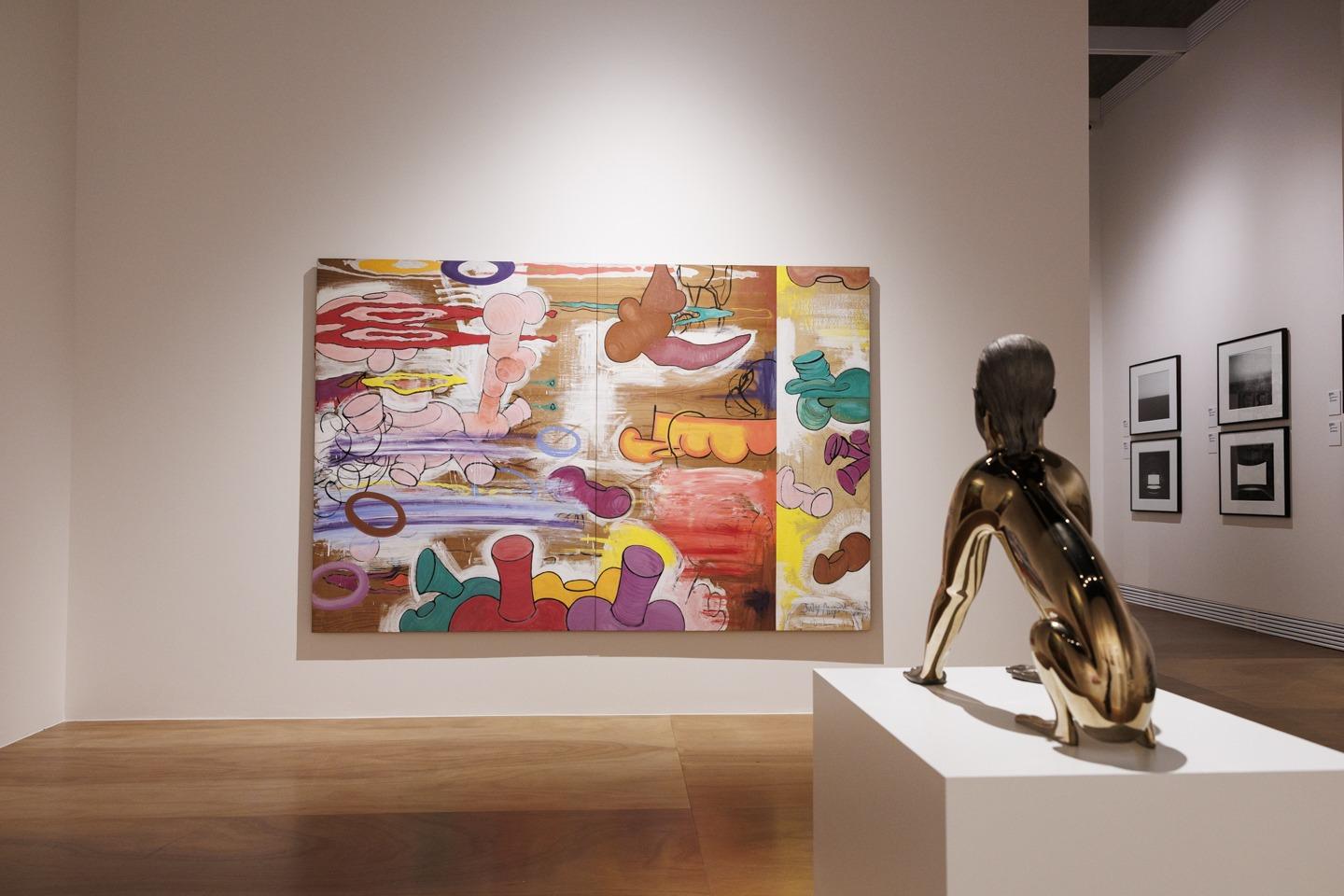
Sonnabend Collection Mantova, installation view, Palazzo della Ragione, Mantua. Photo Zampediverse
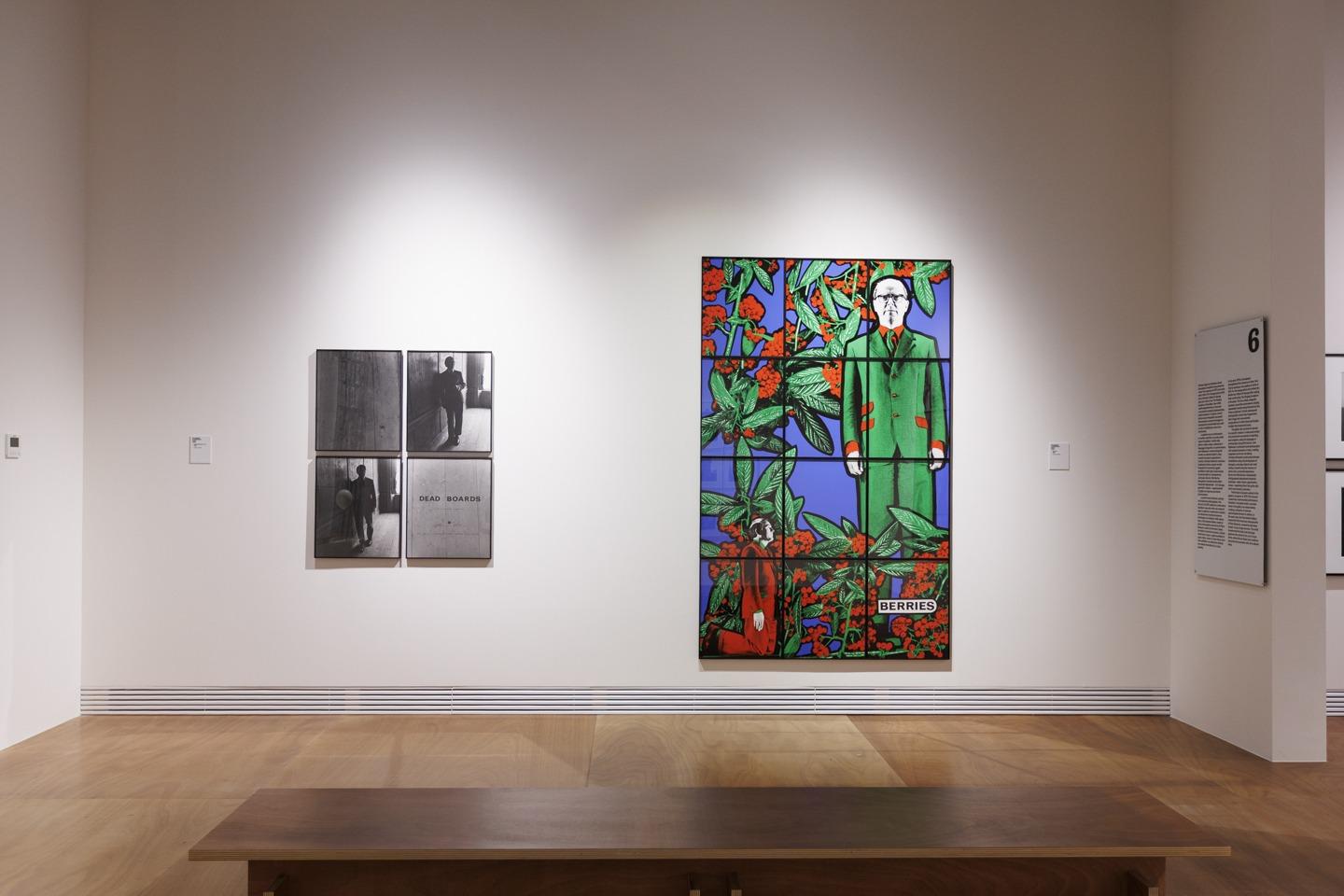
Sonnabend Collection Mantova, installation view, Palazzo della Ragione, Mantua. Photo Zampediverse
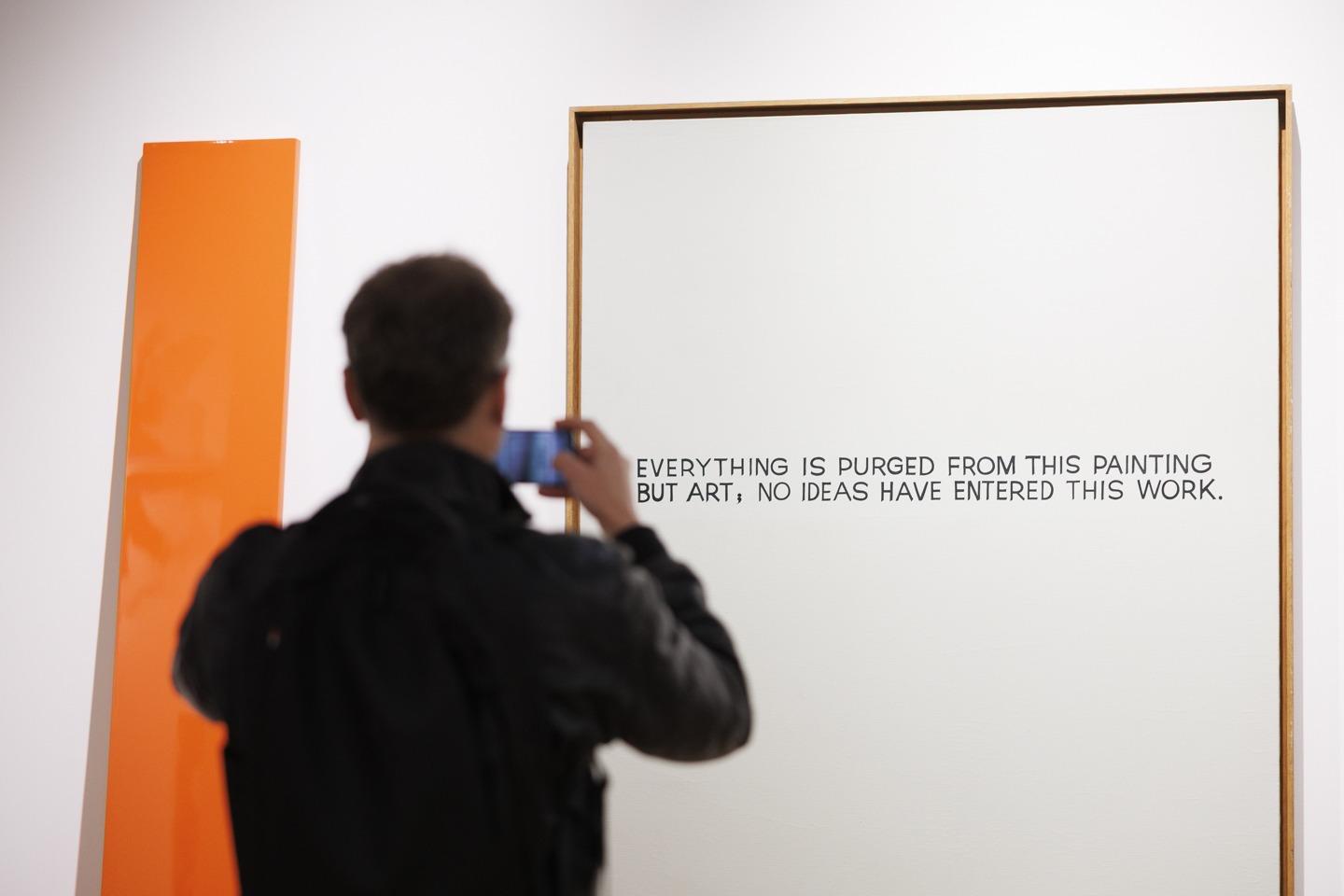
Sonnabend Collection Mantova, installation view, Palazzo della Ragione, Mantua. Photo Zampediverse
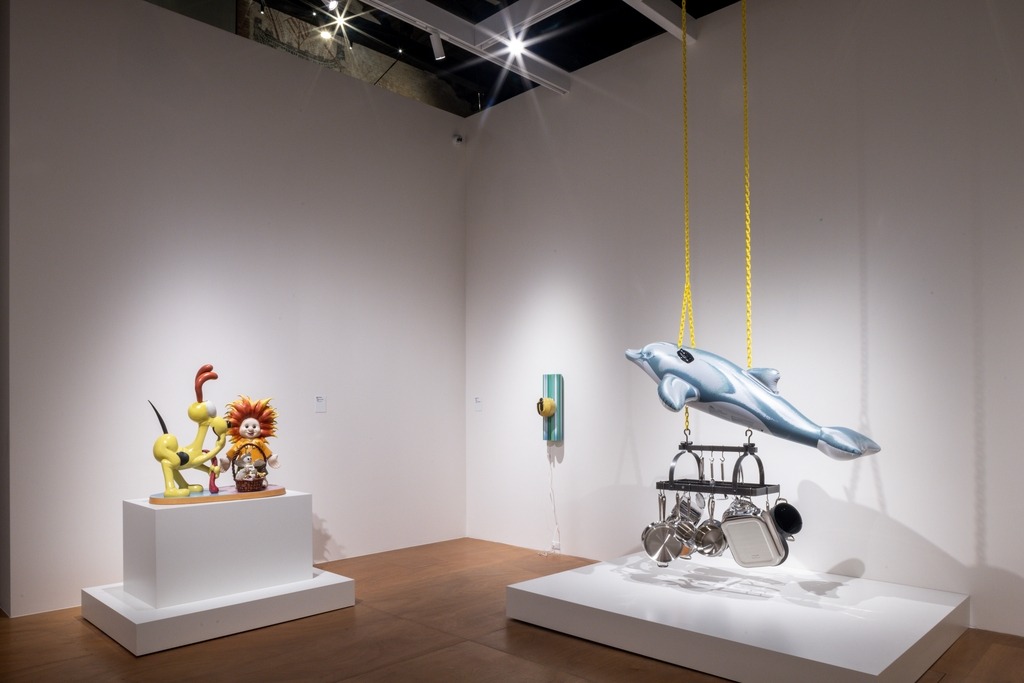
Sonnabend Collection Mantova, installation view, Palazzo della Ragione, Mantua. Photo Giuseppe Gradella (cover photo)
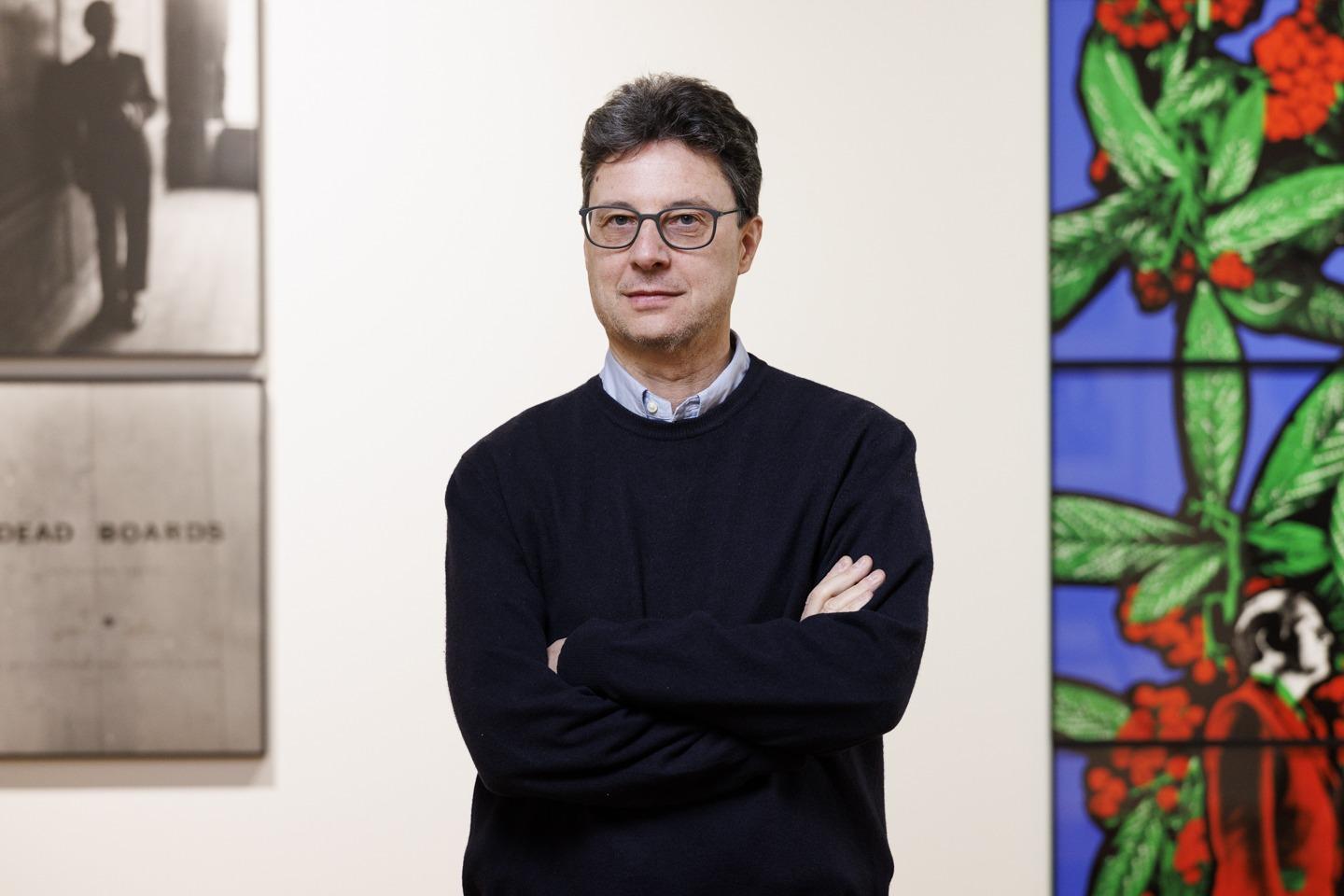
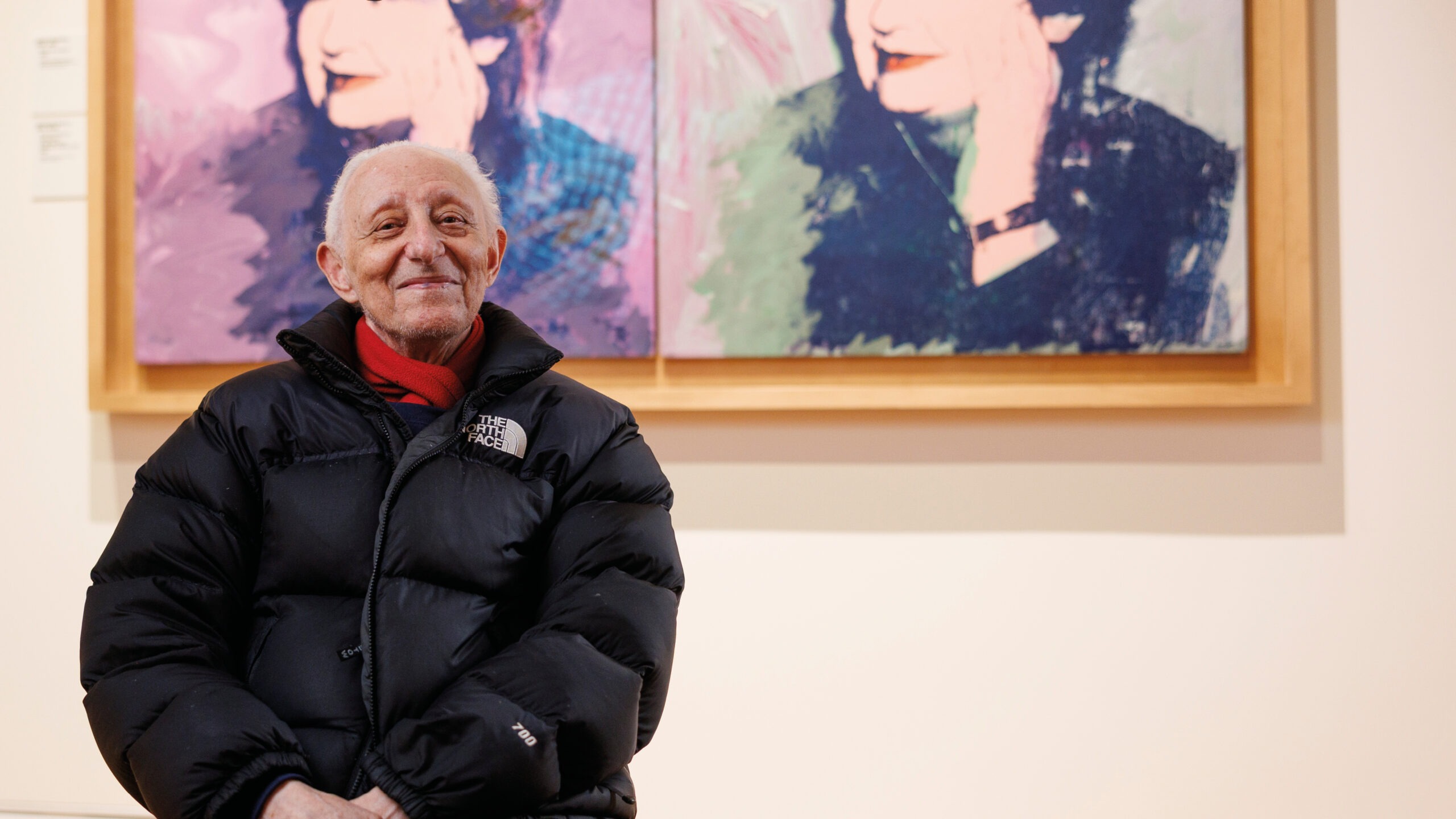
Mario Codognato, artistic director of the Sonnabend Collection Mantova. Photo Zampediverse
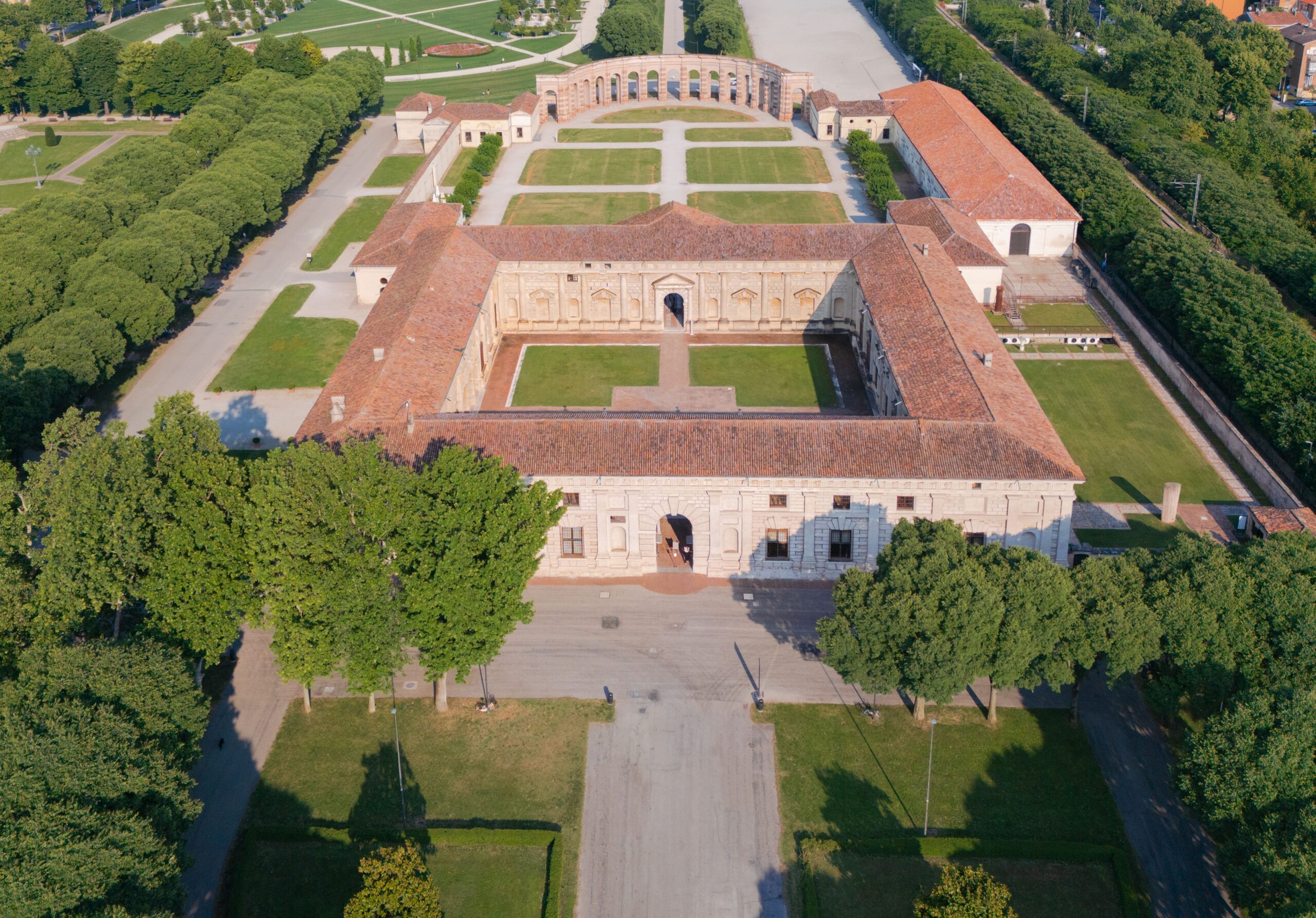
Palazzo Te, Mantua. Photo Gian Maria Pontiroli
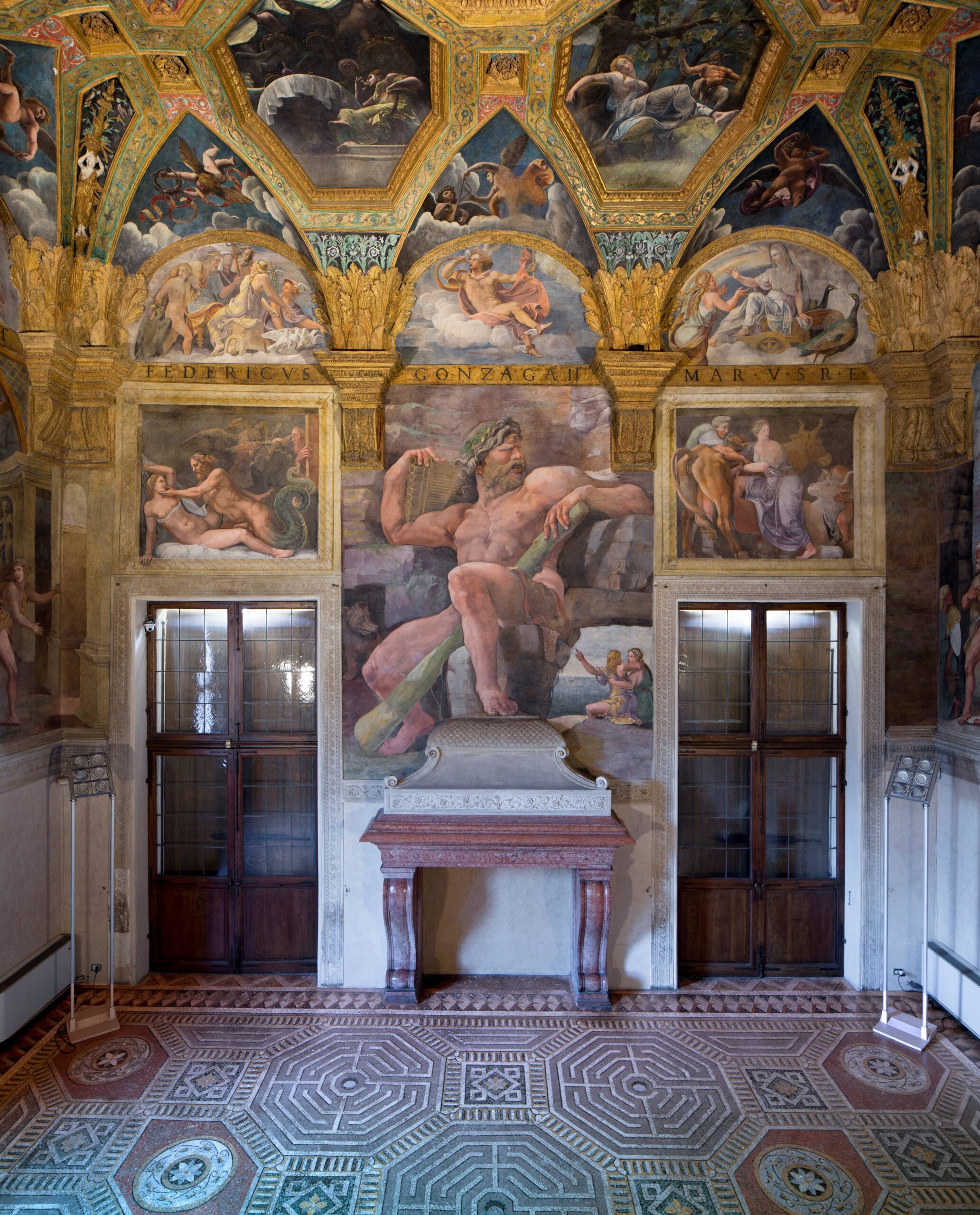
Camera di Amore e Psiche, Palazzo Te, Mantua. Photo Gian Maria Pontiroli
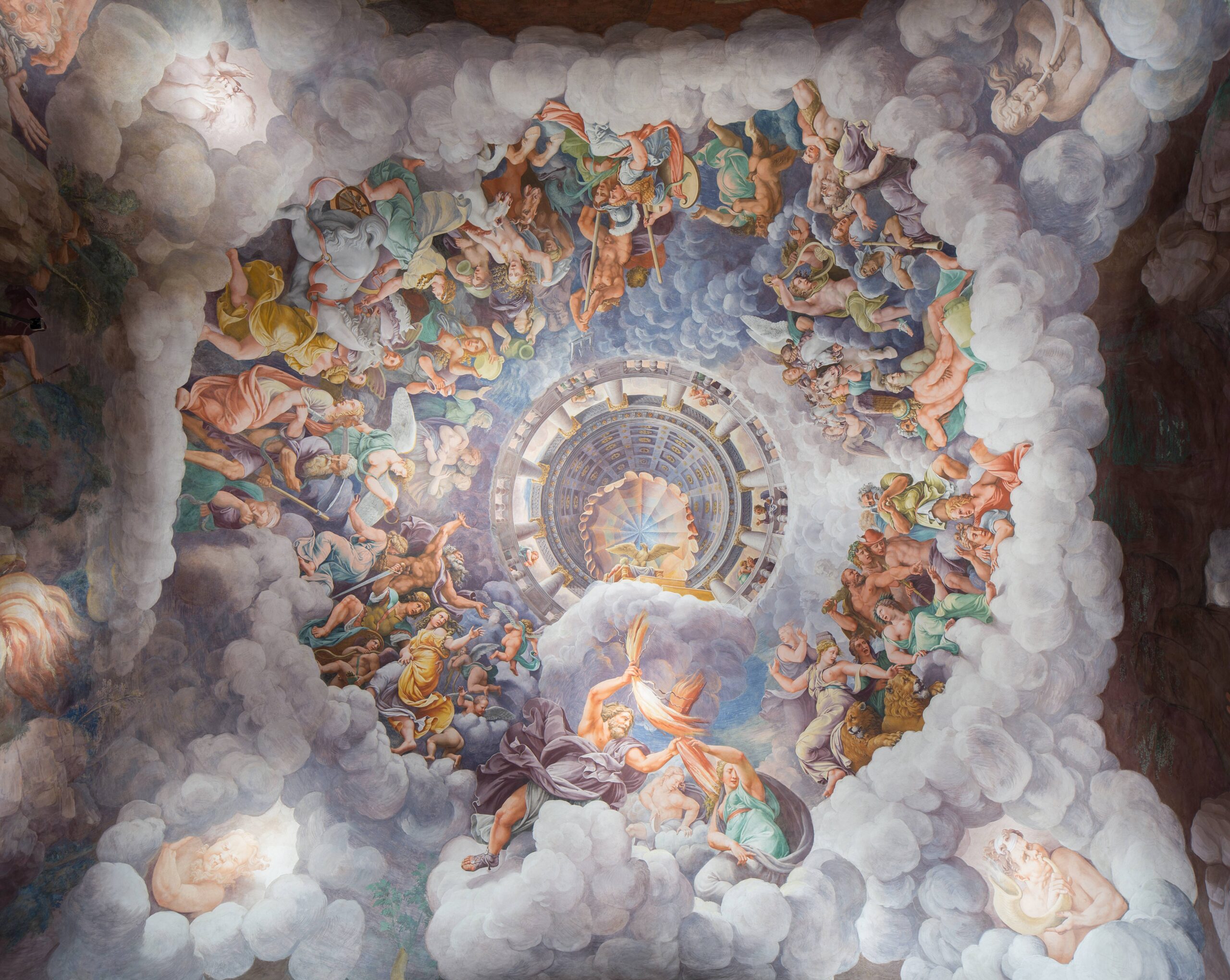
Sala dei Giganti, Palazzo Te, Mantua. Photo Gian Maria Pontiroli
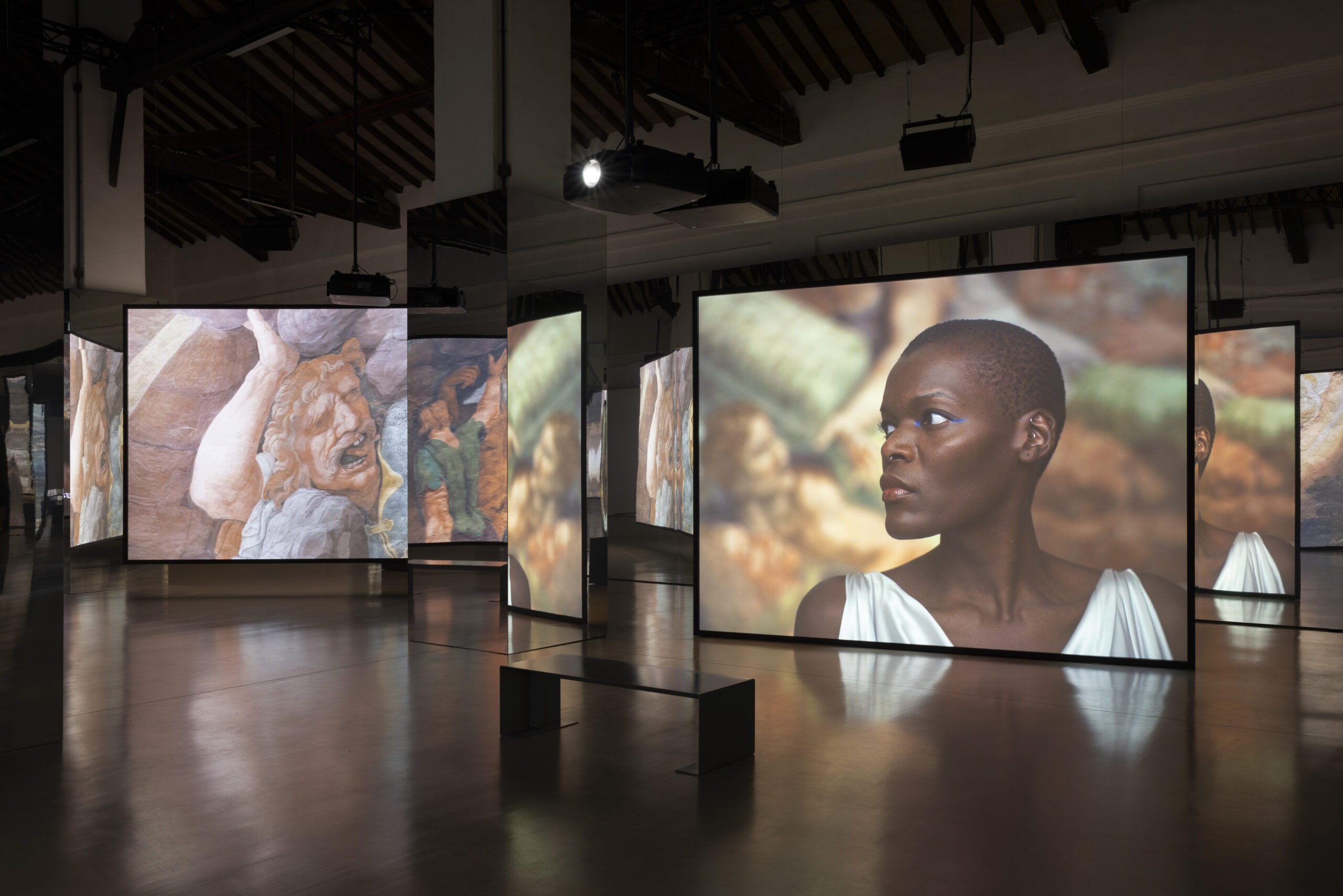
Isaac Julien, All That Changes You. Metamorphosis, installation view, Palazzo Te, Mantua, 4 October 2025- 31 May 2026. Courtesy the artist, Victoria Miro and Jessica Silverman. © The artist. Photo: Andrea Rossetti / Palazzo Te
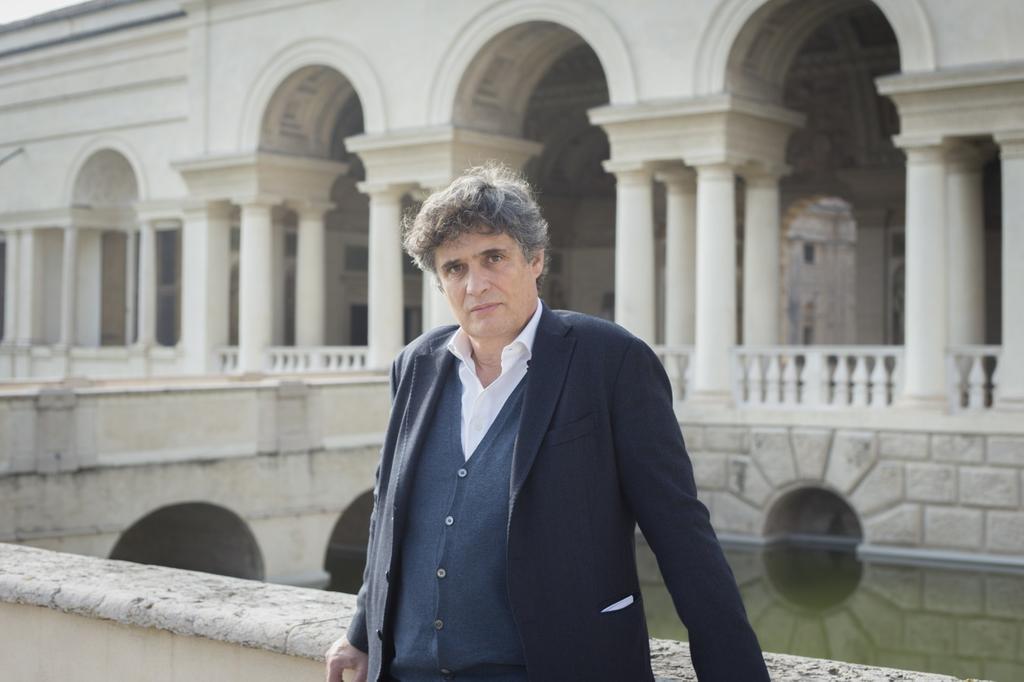
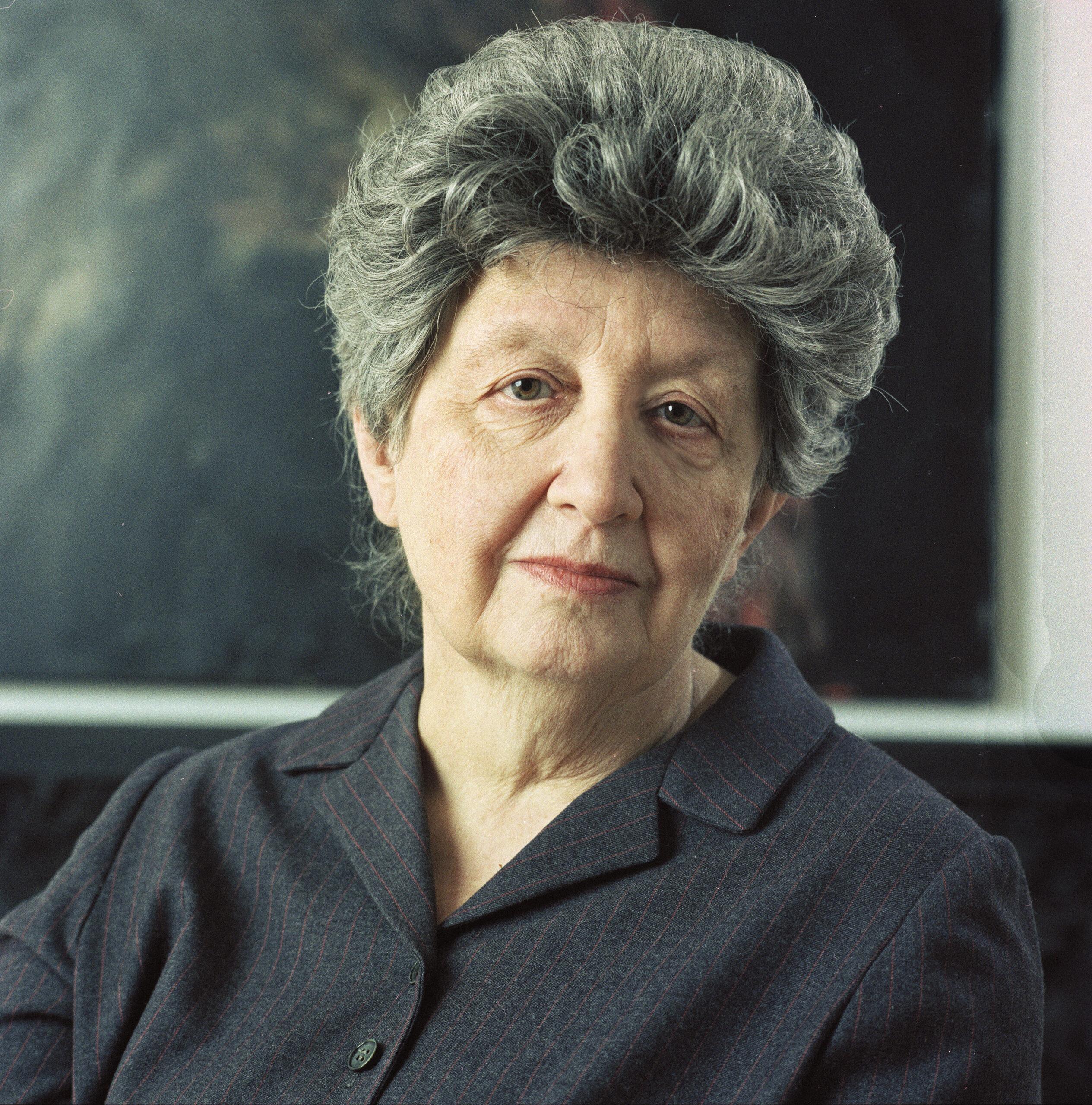
Stefano Baia Curioni, director of the Fondazione Palazzo Te. Photo Gian Maria Pontiroli


Full caption for the penultimate image:
Isaac Julien, All That Changes You. Metamorphosis, installation view, Palazzo Te, Mantua, 4 October 2025- 31 May 2026. Courtesy the artist, Victoria Miro and Jessica Silverman. © The artist. Photo: Andrea Rossetti / Palazzo Te
Related products

Related Articles