


Massimo Sestini, winner of the 2015 World Press Photo award for his photograph “Mare Nostrum”, reflects on the recent edition of the international competition, recounting his experience and describing how the project has evolved following his victory in the General News category
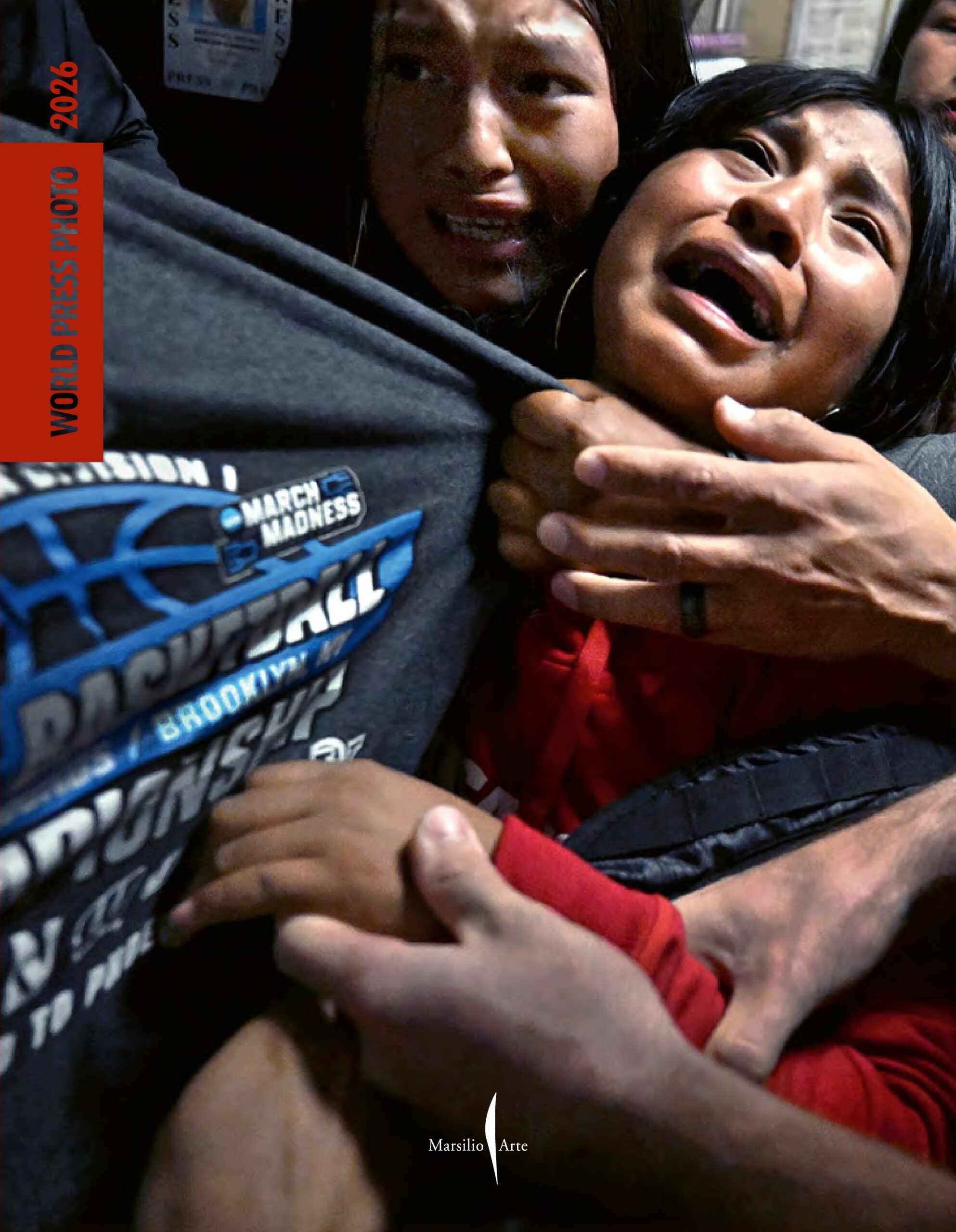
The winning photograph in the Photo of the Year category at World Press Photo 2026, Separated by ICE by Carol Guzy from August 2025, is extraordinary. The emotional impact is immense: it shows two little girls, the daughters of Luis, an Ecuadorian migrant arrested by immigration officers following a hearing at the Federal Building in New York. They are desperate and try to cling to their father’s shirt as he is led away. Tearing children from their parents’ arms is an act of unprecedented violence. The image speaks for itself; it is not a text that needs to be understood after being translated into the reader’s language. Photography is universal, a shock to the conscience of those who see it.
The other finalist images are: Aid Emergency in Gaza by Saber Nuraldin and The Trials of the Achi Women by Victor J. Blue. In addition to these two images, in which the photographer’s skill lies in capturing the decisive moment, there are also long-term projects. Evgeniy Maloletka photographed a young Ukrainian woman injured following a Russian bombardment. Paula Hornickel documented the work of robots assisting people in need of companionship at a care home in Germany.
My photograph Mare Nostrum was also part of a long-term project, which spanned more than ten years. My aim was to convey the tragedy of migration through an image that could become iconic and touch the soul not through pain and despair, but through hope. After taking so many aerial photographs capturing people’s tragedies – earthquakes, funerals, wars – I thought that the shipwrecked people on a boat, seeing a helicopter suddenly arrive, would all smile together in the hope of salvation. I was aboard the Italian Navy ship Comandante Cigala Fulgosi during Operation Mare Nostrum, which was tasked with rescuing shipwrecked people adrift in the Mediterranean. I waited twelve days on board the ship for a request for helicopter assistance. When the call came in, there was a strong wind and we were unable to achieve a perfectly zenithal position relative to the boat. We were forced to perform two 360-degree manoeuvres to align ourselves directly perpendicular to the boat. The two or three minutes that passed meant that some of the migrants on board were no longer looking at me when I took the perfectly perpendicular shot. That wasn’t what I wanted: I was trying to capture the largest group photograph in history, in which all the participants were looking spontaneously at the camera.
The following year, the Navy accredited me for two weeks on the frigate Bergamini. We set sail from Civitavecchia in sea state seven, which made it impossible for the helicopter to take off. For ten days we carried out rescues using boats, then the sea calmed down and, after fourteen days, just as my time on board was coming to an end, a call for help came in. The ship’s captain, despite the presence of hundreds of migrants occupying the hangar and the flight deck, authorised take-off. Thus was born the photograph Mare Nostrum, with five hundred people looking, full of hope, towards my lens.
The World Press Photo exhibitions were crucial to the project’s development: during the exhibition in Geneva, I received a phone call telling me that one of the subjects of Mare Nostrum had recognised themself in the photograph and wanted to have it. That was the start of Where are you?, the project developed over the following five years, during which I set out to find the migrants on that boat to document their lives as they became, always photographing them from a zenithal angle. To find them, I formed a joint venture with National Geographic. They allocated funds to organise a campaign which, via social media and in every language in the world, put out appeals by publishing Mare Nostrum and asking anyone who recognised themselves in the photograph to come forward. We selected around ten migrants scattered across European countries where they had rebuilt their lives and I photographed them alongside their families. National Geographic also produced a documentary on this project.
After Where are you?, in 2024, I returned to the waters off Lampedusa in a Guardia di Finanza helicopter. I was looking for a new overhead shot of the migrants, exactly ten years after Mare Nostrum. I was convinced I had finally finished that project. In January 2025, I had a very serious accident under the ice of Lake Lavarone whilst photographing Coast Guard divers. I went into cardiac arrest for almost two minutes and, whilst I was being airlifted to hospital, I developed acute pneumonia. One of the first phone calls I received as soon as I came out of the medically induced coma was from Stefano Karadjov. The director of the Fondazione Brescia Musei, where I had held an exhibition entitled Zenit della fotografia (Zenith of Photography), which featured Mare Nostrum on its cover, suggested I reflect deeply on what had happened to me. I had survived drowning, the typical fate of migrants. This reflection led me to decide to return once more to the heart of the Mediterranean, in search of one final photograph, this time capturing the rescues from underwater. I dived down with an underwater camera case and photographed the survivors being brought to safety aboard a Coast Guard inflatable boat.
The depths hold the lifeless bodies of migrants, but sometimes the sea can be the surface on which an empty boat floats, abandoned to its own destiny, and everyone has finally been brought to safety.
Massimo Sestini
https://www.worldpressphoto.org/
https://www.massimosestini.it/
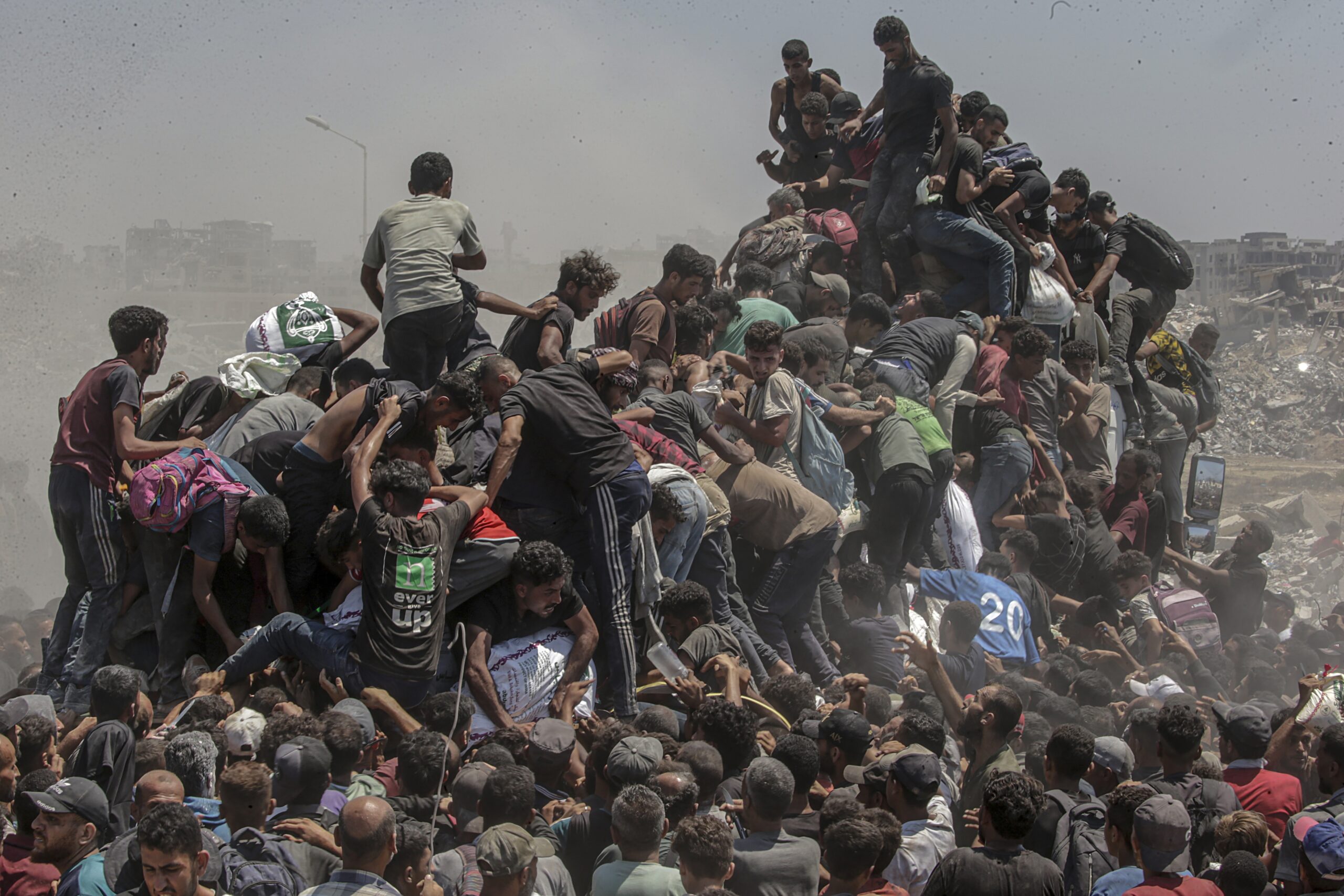
Aid Emergency in Gaza © Saber Nuraldin, EPA Images
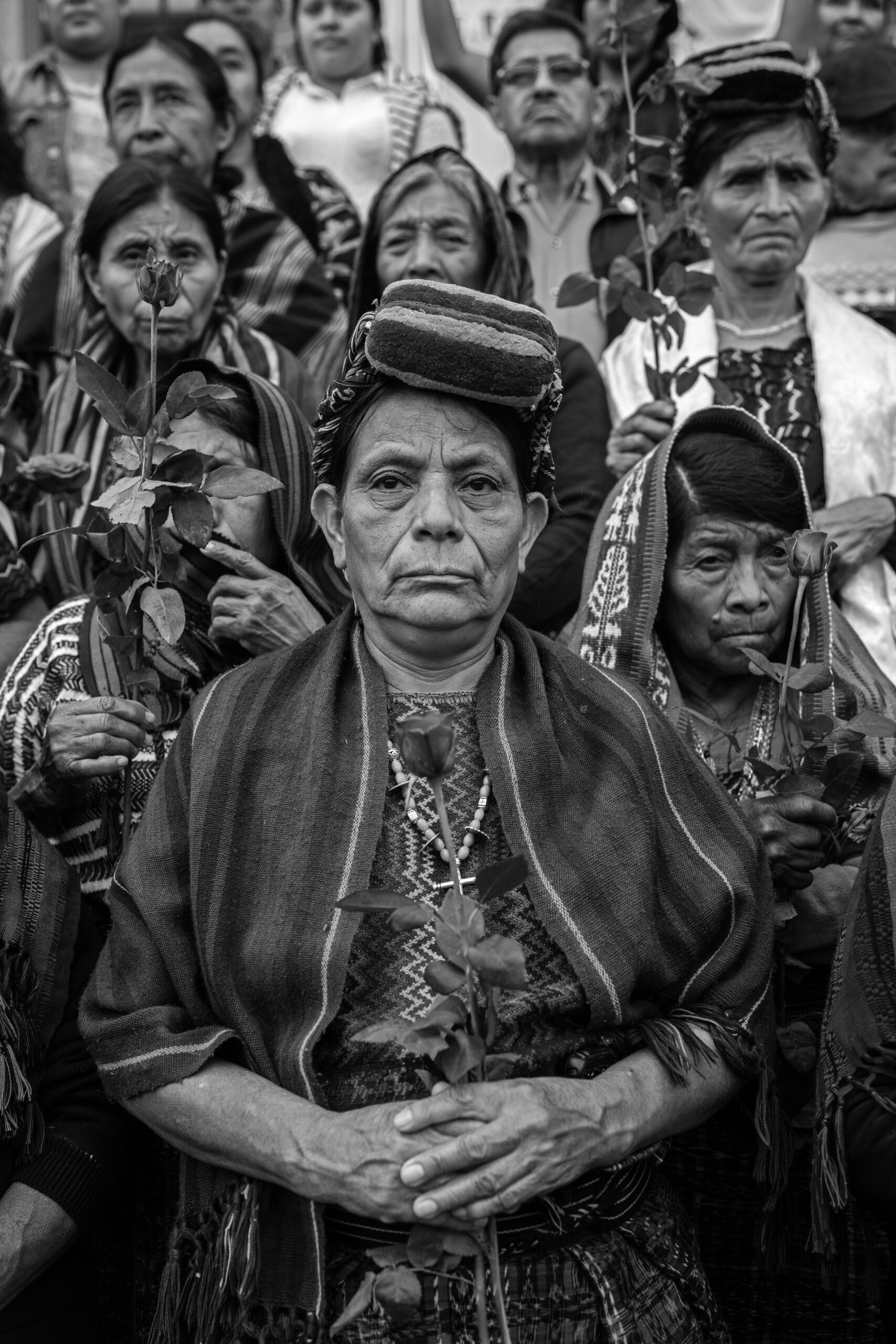
The Trials of the Achi Women © Victor J. Blue, for The New York Times Magazine
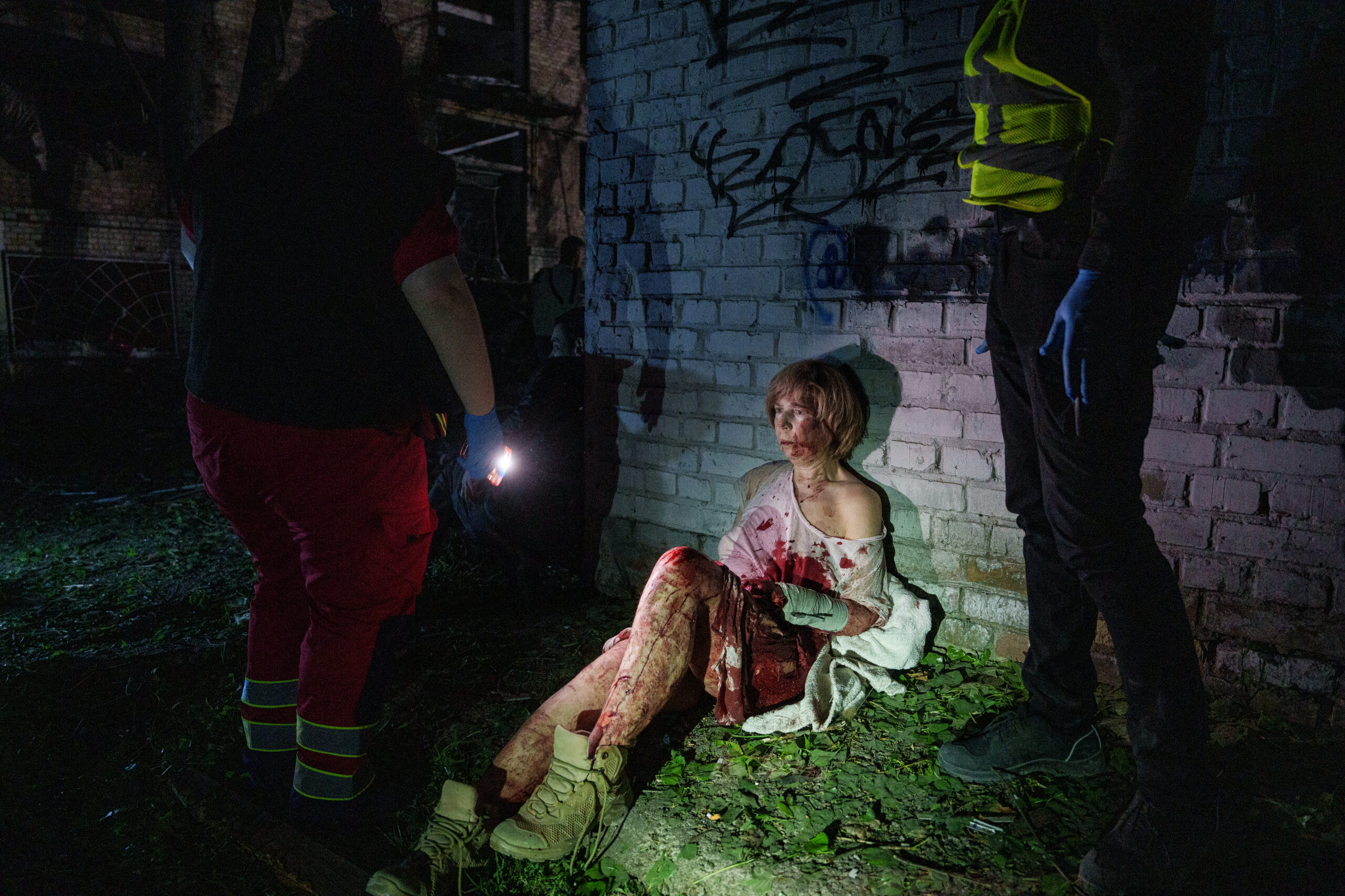
Russian Attack on Kyiv © Evgeniy Maloletka, Associated Press
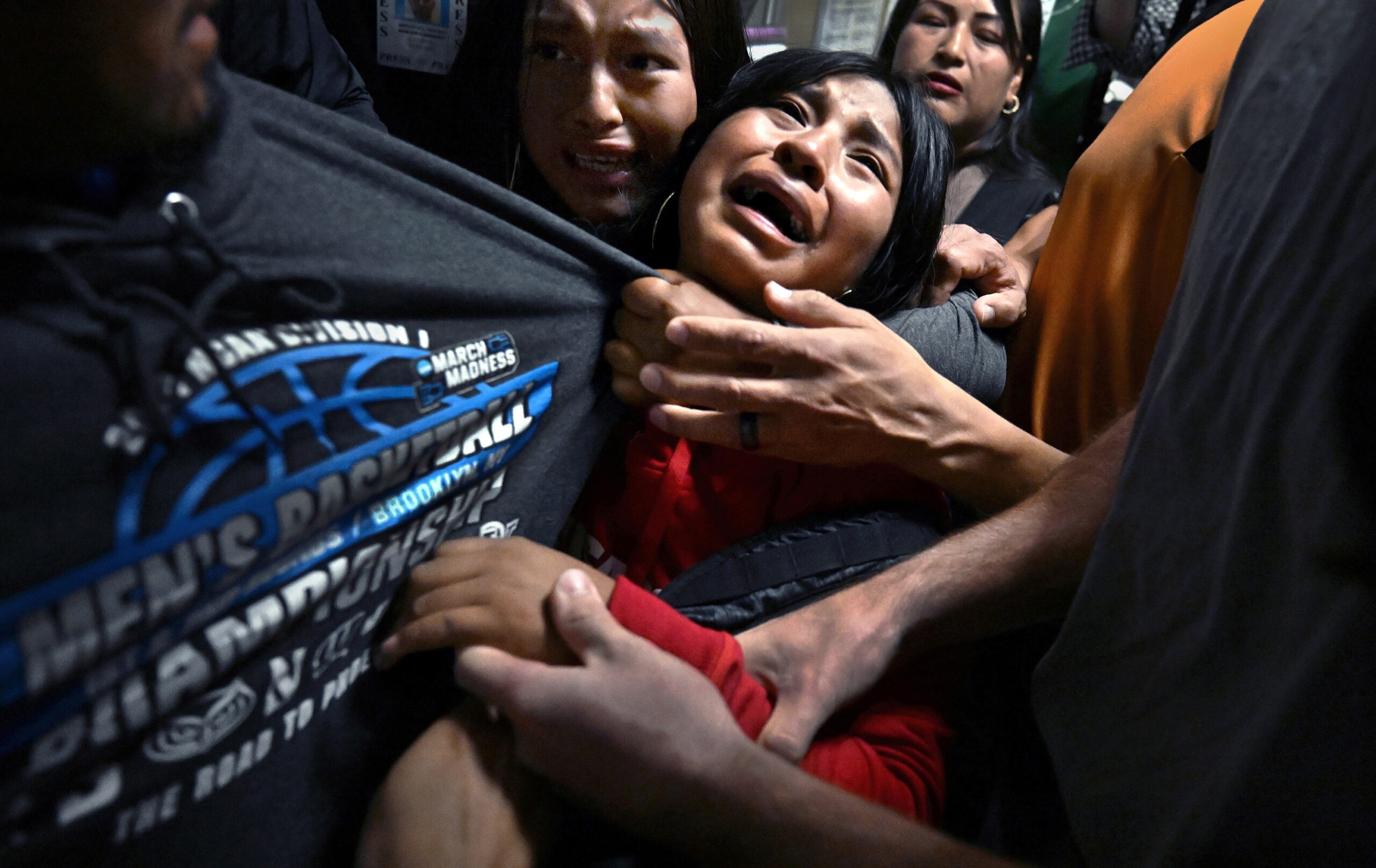
Separated by ICE © Carol Guzy, ZUMA Press, iWitness, for Miami Herald (cover photo)


Related products
Related Articles


