


FIREWORKS. ILEANA SONNABEND AND THE CONTEMPORARY ART BOOM
Palazzo delle Esposizioni, Roma 
dal 3 novembre al 4 aprile

 Home Page events and exhibitions

Giovanni Anselmo, Arman, John Baldessari, Georg Baselitz, Ashley Bickerton, Mel Bochner, Pier Paolo Calzolari, Christo, Jim Dine, Tano Festa, Dan Flavin, Gilbert & George, Giorgio Griffa, Jasper Johns, Jeff Koons, Jannis Kounellis, Barry Le Va, Roy Lichtenstein, Piero Manzoni, John McCracken, Mario Merz, Robert Morris, Bruce Nauman, Claes Oldenburg, Luigi Ontani, Giulio Paolini, A. R. Penck, Michelangelo Pistoletto, Robert Rauschenberg, Mimmo Rotella, Mario Schifano, Richard Serra, Cy Twombly, Andy Warhol, Gilberto Zorio.
Fifty-four works of art by thirty-five artists, drawn from major public and private collections, retrace the most important artistic movements that Sonnabend helped to emerge and to bring to the attention of international audiences, painting a portrait of a true protagonist capable of identifying the most innovative trends of her time.
Her unflagging interest in new styles and her boundless curiosity accompanied the rise of some of the most significant movements in contemporary art, from Pop Art and Arte Povera to Minimalism and Neo-Expressionism right through to Neo-Geo, one of the last movements to benefit from her support. Showcasing a selection of works chosen by Sonnabend for her exhibitions or for her own collection, the exhibition explores a period of radical transformation, highlighting the decisive role played by a woman who was able to identify artists, and directions art was taking, that were destined to have a profound impact on international visual culture.
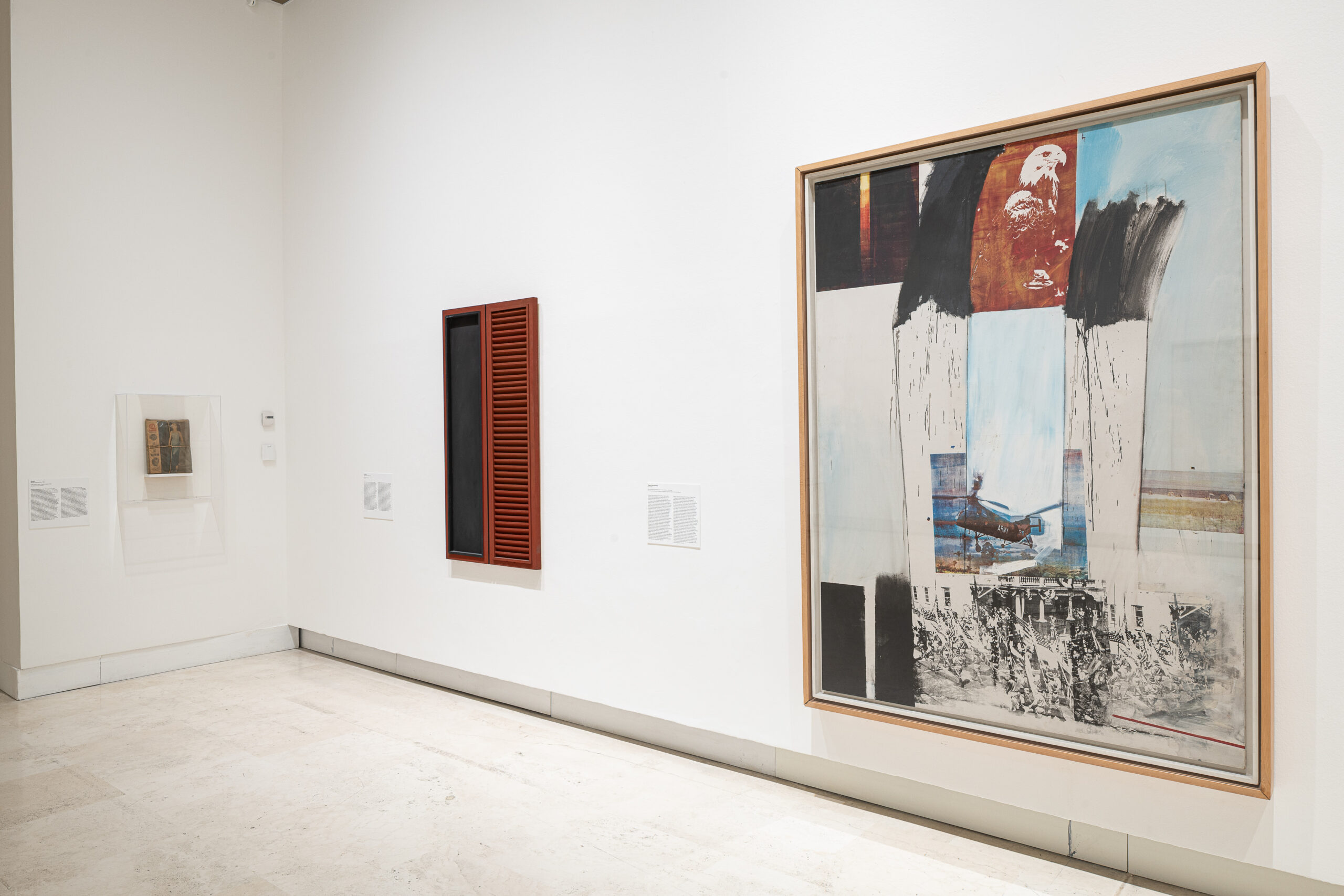
Palazzo Esposizioni Roma, Fireworks.
Ileana Sonnabend e il boom dell’arte contemporanea, 3.11.20206- 04.04.2027
© Azienda Speciale Palaexpo / Ph Alberto Novelli
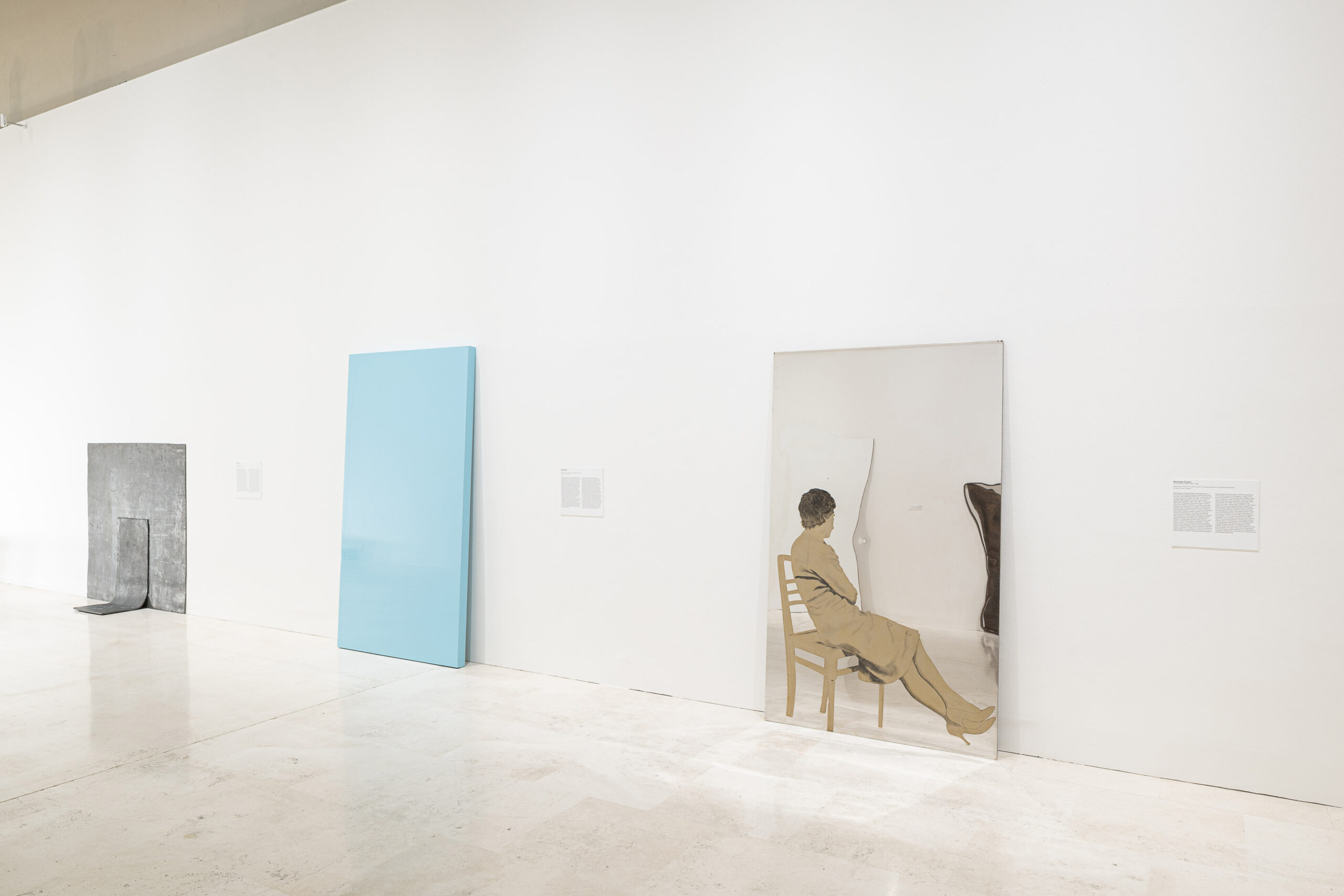
Palazzo Esposizioni Roma, Fireworks.
Ileana Sonnabend e il boom dell’arte contemporanea, 3.11.20206- 04.04.2027
© Azienda Speciale Palaexpo / Ph Alberto Novelli
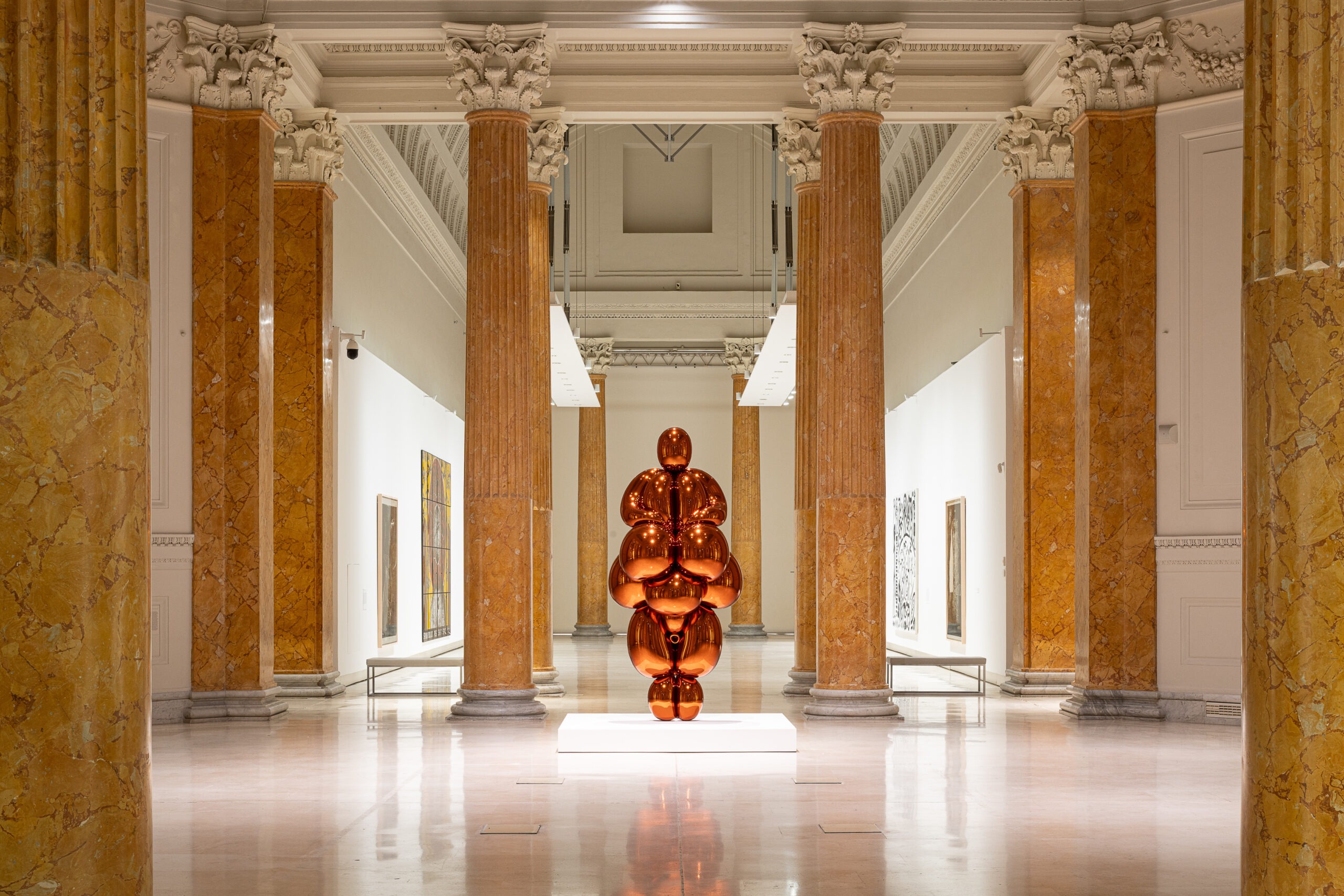
Palazzo Esposizioni Roma, Fireworks.
Ileana Sonnabend e il boom dell’arte contemporanea, 3.11.20206- 04.04.2027
© Azienda Speciale Palaexpo / Ph Alberto Novelli
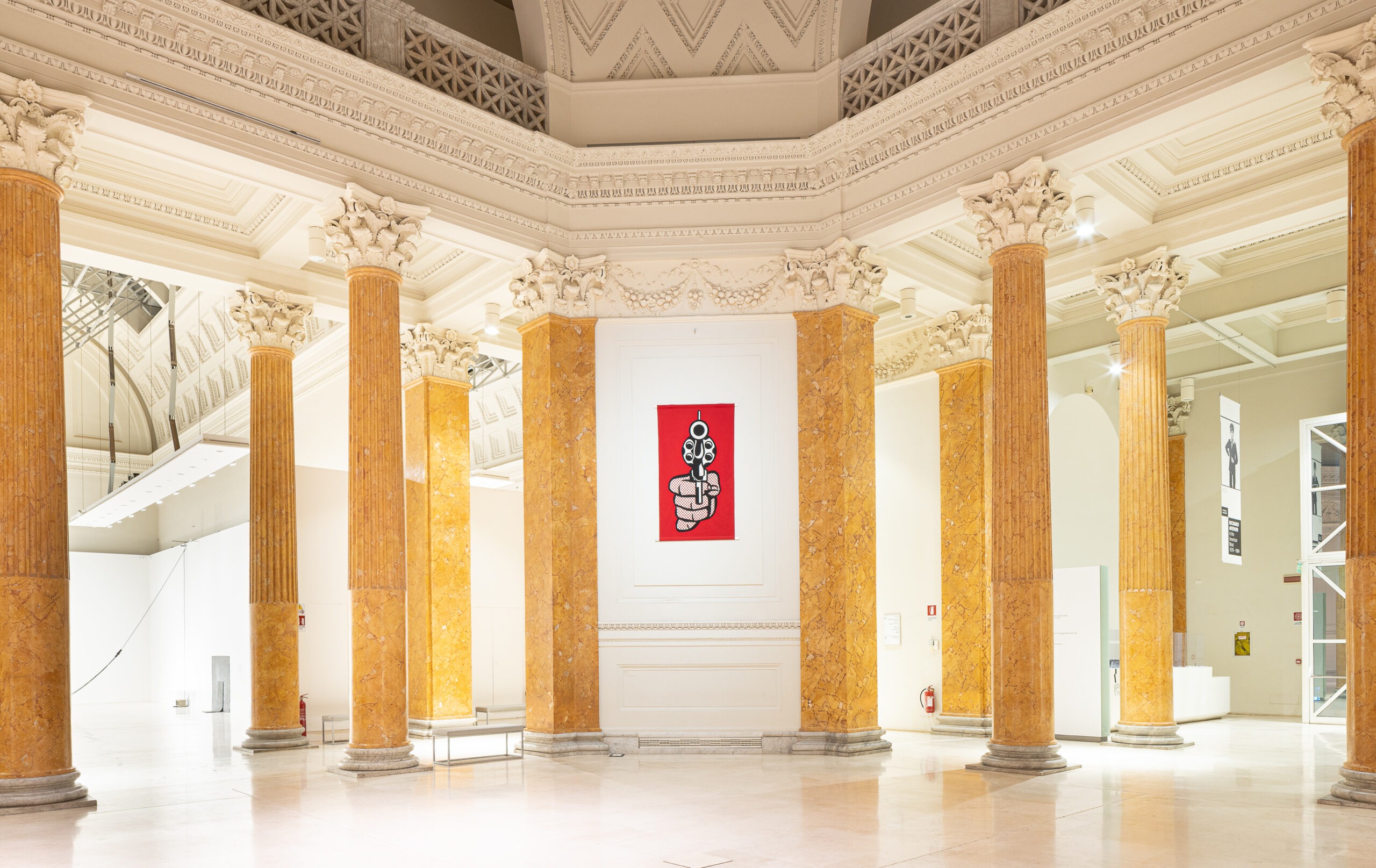
Palazzo Esposizioni Roma, Fireworks.
Ileana Sonnabend e il boom dell’arte contemporanea, 3.11.20206- 04.04.2027
© Azienda Speciale Palaexpo / Ph Alberto Novelli
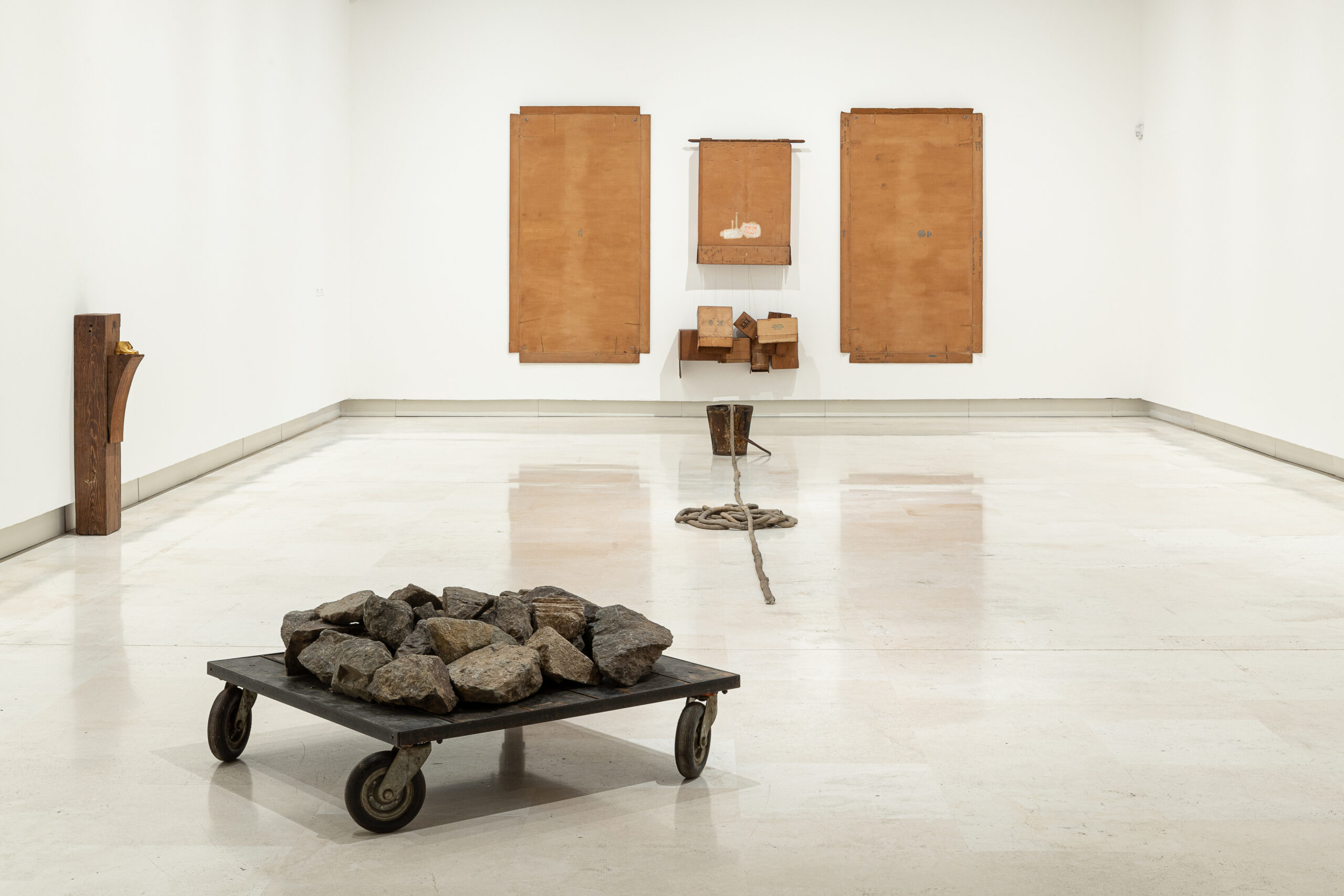
Palazzo Esposizioni Roma, Fireworks.
Ileana Sonnabend e il boom dell’arte contemporanea, 3.11.20206- 04.04.2027
© Azienda Speciale Palaexpo / Ph Alberto Novelli


The works of art are displayed in eight rooms on the Palazzo Esposizioni Roma’s piano nobile, forming a mosaic-like installation in the course of which at times they dialogue, at others they clash. Alongside such masterpieces of American art as Jasper Johns’ Figure 8, Roy Lichtenstein’s Wall Explosion II, Andy Warhol’s Nine Jackies and Robert Rauschenberg’s Kite, the exhibition showcases work stretching from the masters of Minimalism, Conceptual Art and Arte Povera to more recent work by Jeff Koons, Ashley Bickerton and Luigi Ontani. The result is a display that reveals the variety of Sonnabend’s choices and her particular interest in the more innovative and experimental art forms of her day, through a group of works in which the stories of the individual artists are interwoven with the vision of the gallery owner and collector.
Born into a cosmopolitan family in Bucharest in 1914, Ileana Schapira developed an affinity with art at an early age. She married Leo Castelli in Bucharest in 1933 and opened a gallery in Paris with him and René Drouin in 1939. The war forced the couple to move to the United States, where she encountered the protagonists of Abstract Expressionism. When Castelli opened his own gallery in New York in 1957, Ileana made a crucial contribution to the discovery of figures destined to make their mark on contemporary art. After divorcing Castelli and marrying Michael Sonnabend, she returned to Europe in 1961 with the intention of promoting American art. The couple chose Paris, where, in 1962, she opened the Galerie Ileana Sonnabend that remained in business until 1980. Alongside the organisation of exhibitions, Ileana developed an unflagging commitment to supporting artists and to building her own personal collection, often keeping for herself the works she loved the most. Antonio Homem joined the gallery at the turn of the 1960s, becoming a close assistant and eventually being adopted by the couple. In 1970 the Sonnabends opened a gallery in New York, which remained in business until 2014, while they also managed a gallery in Geneva for a short time between 1974 and 1975.
Following Ileana Sonnabend’s death in 2007, the Sonnabend Collection Foundation was established with the aim of preserving an inalienable core of the collection. Part of this legacy has been on permanent display in the Palazzo della Ragione in Mantua since 2025. The works of art on display at the Palazzo Esposizioni Roma come from The Sonnabend Collection Foundation and from the Sonnabend Homem Collection, part of which is held in Mantua and part in New York, as well as from leading public and private collections. Thus, the exhibition in Rome dialogues with the Municipality of Mantua’s permanent collection in an attempt to offer a parallel and complementary pathway capable of expanding and deepening the public’s knowledge of the Sonnabend Collection and its story.
The exhibition is accompanied by a catalogue edited by Mario Codognato and published by Marsilio Arte, with essays by the curator, Giorgia Gastaldon, Mirta d’Argenzio and Eduardo Cicelyn.