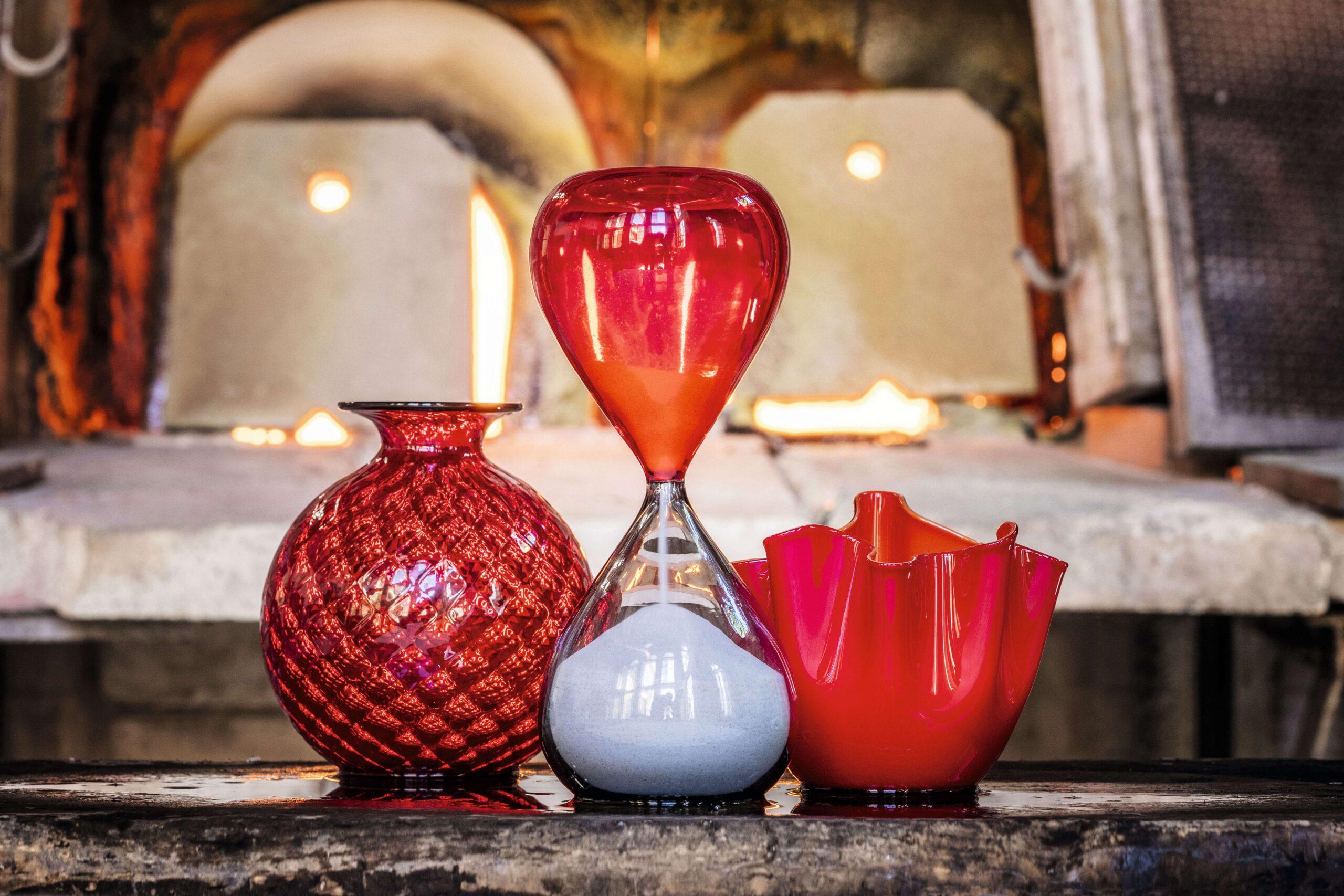
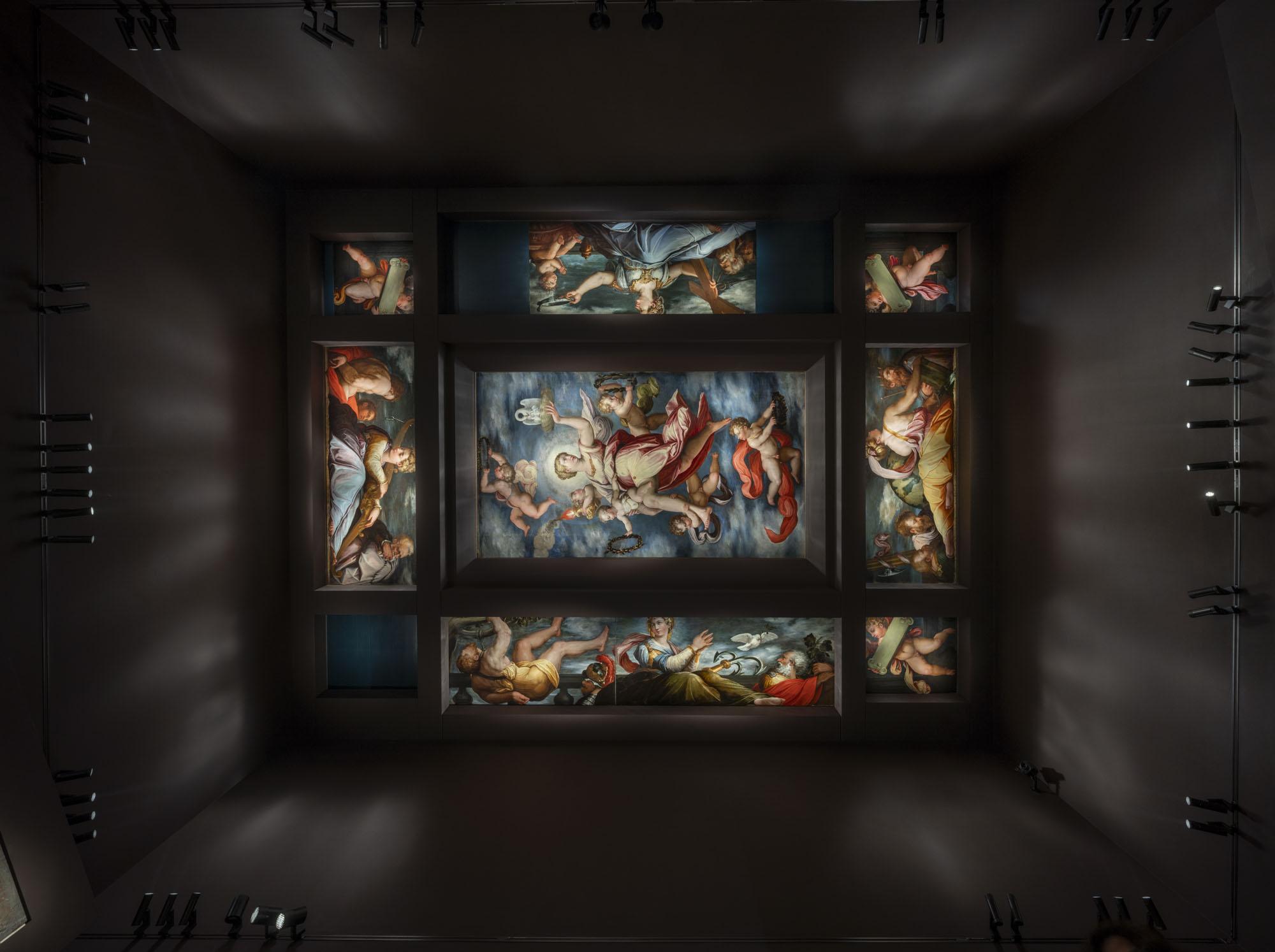
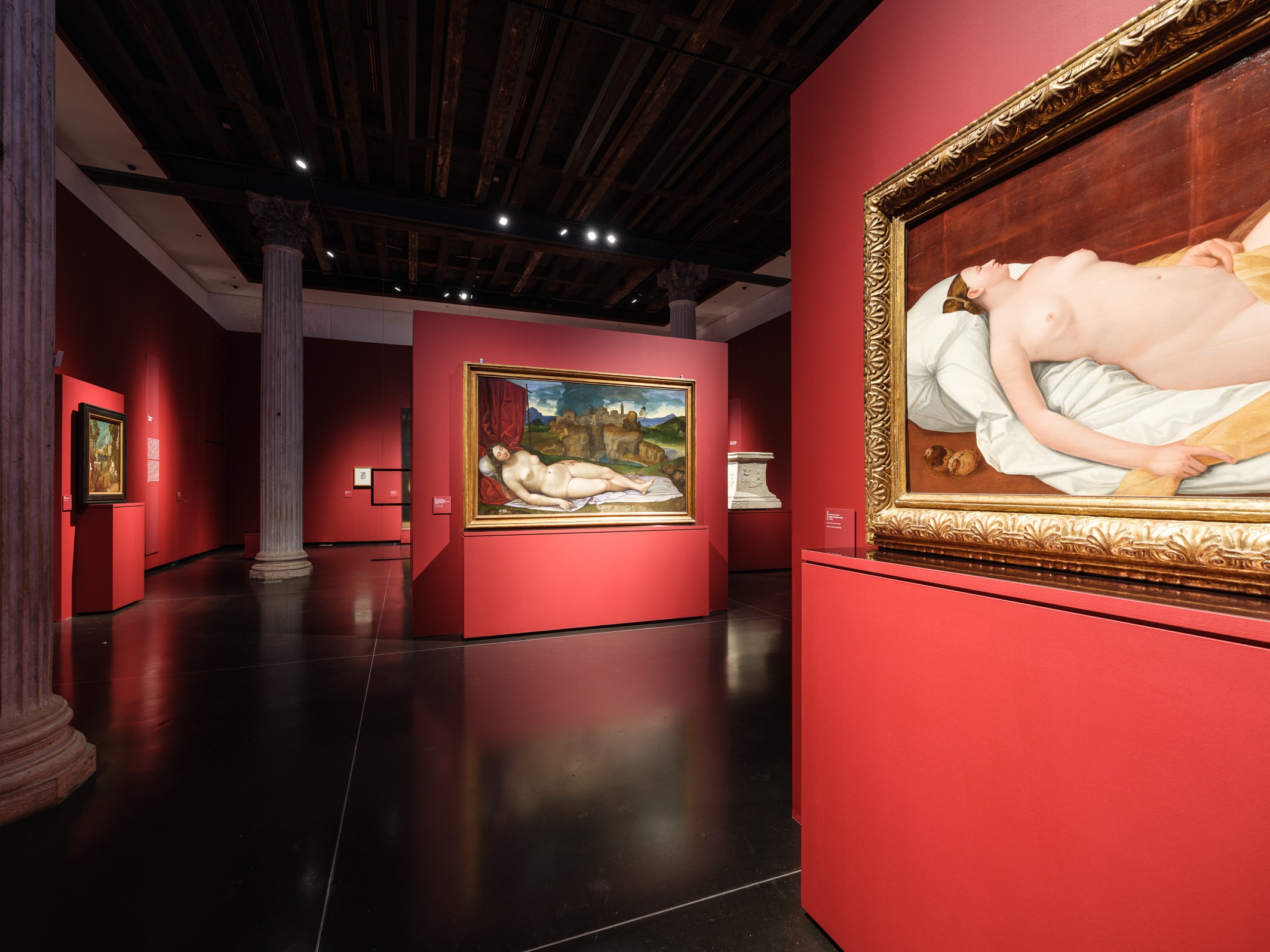
The ninth edition of the festival celebrating the art of glass with a series of talks and exhibitions in Venice, Murano, and Mestre has recently come to an end. The exhibition at the Gallerie dell’Accademia in Venice, which runs until 24 November 2025, focuses on the glass sculptures of Tristano di Robilant, and was part of the festival’s programme. We spoke with Cristina Beltrami, curator of the exhibition and a member of the Venice Glass Week scientific committee
From 13-21 September 2025, Venice, Murano, and Mestre hosted the ninth edition of The Venice Glass Week, this time focused on the magic of glass, the undisputed protagonist of a festival that has always brought together the artistic language and the traditional practice of glassmaking. Artisan craftsmanship and contemporaneity are the guiding principles that orient the programme of the event, which is promoted and organized by the City of Venice, Fondazione Musei Civici di Venezia, LE STANZE DEL VETRO – Fondazione Giorgio Cini and Pentagram Stiftung, the Istituto Veneto di Scienze, Lettere ed Arti, and Consorzio Promovetro Murano. Hundreds of applications to participate were received from 54 countries around the world, and the selection process was overseen by a scientific committee chaired by Rosa Barovier Mentasti and composed of Nina Alessandri, Cristina Beltrami, Jean Blanchaert, Rainald Franz, Mikkel Hammer Elming, Susanne Jøker Johnsen, Cristina Tonini, and Alma Zevi.
The selected projects were presented in two HUBs, with group exhibitions featuring international artists and designers selected through the open call. Fifty established and mid-career artists were the focus of The Venice Glass Week HUB, staged in Venice, as usual, at Palazzo Loredan, home of the Istituto Veneto di Scienze, Lettere ed Arti. The group show The Venice Glass Week HUB Under35, curated by Stefano Coletto in collaboration with Marta Gradenigo, was dedicated to thirty emerging designers and was held at Fondazione Bevilacqua La Masa’s Piazza San Marco Gallery.
Among the many associated exhibitions, we would like to highlight Storie di fabbriche. Storie di famiglie. FRATELLI TOSO [Stories of Factories. Stories of Families. FRATELLI TOSO], open until 24 November 2025, in the Spazio Ex Conterie of the Murano Glass Museum, and 1932-1942 Il vetro di Murano e la Biennale di Venezia [1932-1942 Murano Glass and the Venice Biennale], curated by Marino Barovier at LE STANZE DEL VETRO on the Island of San Giorgio Maggiore, open until 23 November.
At the Gallerie dell’Accademia, meanwhile, until 24 November, the spotlight is on the glass creations of Tristano di Robilant. Curated by art historian Cristina Beltrami, the exhibition sparks a dialogue between Tristano di Robilant’s contemporary sculptural works and the masterpieces held by the Venetian institution. We asked the curator to tell us more about it and to comment on the ninth edition of The Venice Glass Week.
THE INTERVIEW WITH CRISTINA BELTRAMI
The Tristano di Robilant exhibition at the Gallerie dell’Accademia in Venice interacts consciously with the space in which it is displayed. How did you structure this dialogue, and what characteristics of Tristano di Robilant’s works made it possible?
First, and it may seem trite, we spent a long time among the paintings, having a deep look at the collection, the possible placements of the sculptures, the light falling at different times of day… we literally spent time with the works and reread the histories of these masterpieces. The exhibition also has a strong narrative vein: stories are sketched out in the interaction between space, sculpture, and artwork. Sometimes the dialogue is direct, as is the case with La Lumera, a magnificent layering of glass elements inspired by the Dante quote in Canto IV of the Inferno, displayed next to the Reliquary of Cardinal Bessarione, a theologian and one of the greatest men of letters of the fifteenth century. Or Ombrosi chiostri, another literary reference, from the book Rime [Rhymes] by Torquato Tasso, who longed for peace in those horti conclusi that can be found in the Gothic panels on the first room. In other cases, the references are more complex, as in the case of Poeta, a soaring sculpture in rosé mirrored glass (I think a digression is needed here: in Murano there is no universal and shared nomenclature for colours, rather, each furnace names its own colours), which to some extent modulates the imperceptible chromatic shifts of the Giorgiones in the room.
Glass is almost a “living” material in the hands of Tristano di Robilant, proving that a technique and process with a long history can speak the language of contemporaneity. How do the sculptures exhibited at the Gallerie dell’Accademia fit into the present?
There’s no “almost”, glass is a living material by its very nature; it is a “thing” that changes state, that mutates, sometimes even after years, and that allows for a margin of unpredictability that is lowered the more experience the master handling it has.
In fact, it is not the hands of Tristano di Robilant that shape the glass directly, but those of the master to whom the artist entrusts his idea following long discussions, sketches on paper, chalk marks directly on the iron table and even on the floor of the furnace to provide the exact dimensions for the base of the piece.
The relationship between artist and master is extremely close, a true symbiosis that hinges on a rare and fragile balance, and that is the reason we often mention Andrea Zilio and Andrea Salvagno, who have worked alongside Tristano in recent years.
Now I will address the second question: Tristano’s works are contemporary not just because they were created in the present but above all because they probe the collection, placing it under an original and unexpected gaze.
Alchimista d’Oriente [The Alchemist of the East] is an emerald glass sculpture with an etched crystal top that almost traces a visual diagonal with an identical figure from the canvas of the Martyrdom of Saint Mark. Meanwhile, Cippo, with its bright orange glass, placed on a balcony of the Palladian cloister, draws attention to the monumental Gothic head attributed to Marco Romano, which, precisely because it is outdoors, would risk going unnoticed.
The exhibition is part of The Venice Glass Week, now in its ninth year. As a member of the scientific committee, what, in your opinion, makes the event so attractive, and what significance does this event have for the city of Venice, as well as for Murano and Mestre?
Regarding the weight and significance of the event, I believe numbers are easier to understand than long speeches: this edition of The Venice Glass Week saw applications from 54 countries, counting more than 300 participants, and over 200 events spread out across 130 venues between Venice and Mestre.
Some are connected to public institutions, but most are private initiatives: together, they constitute the festival’s broad reach, which is also its great strength. In recent years I have seen a growing openness to less conventional glass offerings and also ‒ very importantly ‒ I have noticed a growing awareness of the importance of historical archives. Once neglected or even lost by the furnaces, they are now treated as an asset that ought to be preserved and shared in a complex mosaic of scientific reconstructions of the history of Murano glass. What Fondazione Cini’s Glass Study Centre has been doing for many years comes to mind, as well as of initiatives by individuals like Caterina Toso or NasonMoretti in Murano.
Venetian galleries are mobilizing with ad hoc glass projects. This year, for example, the Marignana is hosting a selection of rare chalcedony glass pieces curated by Giulio Malinverni and Francesca Vacca. I’m also thinking of an established brand like Giberto, which entrusted the latest generation of the Barbinis of Murano with the creation of a futurist-inspired mirror and, above all, had the courage to open a high-quality glass shop on the Rialto Bridge, in part with the aim of revitalizing an area overrun by mass tourism.
So Venice has good reason to be proud of its Glass Week!
Interview by Arianna Testino
BIO
Art historian, lecturer, and curator. After a doctorate at Ca’ Foscari University on 19th- and 20th-century Italian sculptural heritage in Uruguay and a second doctorate on Sculpture at the Venice Biennale. 1895-1914 (published in 2023), Cristina Beltrami has established that her area of interest is sculpture, the history of the Biennale di Venezia, and contemporary art, with a particular focus on glass. She curated the Artist-in-Residence program at Fondazione Bevilacqua La Masa in Venice for the 2023/2024 edition. Since 2025, she has been a member of the jury of the Avapo Venezia Prize and joined the Curatorial Committee of The Venice Glass Week after being awarded “best curator” for the 2021 edition.
She teaches History of Glass Design in Venice at the SIE at Ca’ Foscari and collaborates with Princeton University.
In 2023, she moderated the conference Il vetro: un materiale dell’arte [Glass: An Art Material] with Kiki Smith, Tobias Rehberger, Asta Gröting, Francisco Tropa, Virginia Overton, and Arcangelo Sassolino (ASAC-Biennale Gardens, https://www.youtube.com/watch?v=Y5mZ7Q5h3vU)..
Her most recent curatorial projects include: Crossing. 4 artisti per una collezione [Crossing. 4 Artists for One Collection] (Palazzo Madama, Turin, 2024); Tony Cragg. The Forms of Glass (FAI-Negozio Olivetti, Venice, 2024); Campo Magnetico [Magnetic Field] (Fondazione Bevilacqua La Masa ‒ Palazzetto Tito, Venice, 2024); Antonio Da Ros. Suspended Colors (Modesti-Pedriolle Gallery and Italian Cultural Institute, Brussels, 2024); and Tristano di Robilant. InAcademia (Gallerie dell’Accademia, Venice, 2025).
INFO
Tristano di Robilant. InAcademia
until 24 November 2025
GALLERIE DELL’ACCADEMIA
Campo della Carità ‒ Dorsoduro 1050, Venice
https://www.gallerieaccademia.it
https://theveniceglassweek.com/

Tristano di Robilant. InAcademia, installation view, Gallerie dell’Accademia, Venice 2025. Photo Francesco Barasciutti

Tristano di Robilant. InAcademia, installation view, Gallerie dell’Accademia, Venice 2025. Photo Francesco Barasciutti

Tristano di Robilant. InAcademia, installation view, Gallerie dell’Accademia, Venice 2025. Photo Francesco Barasciutti

Tristano di Robilant. InAcademia, installation view, Gallerie dell’Accademia, Venice 2025. Photo Francesco Barasciutti

Tristano di Robilant. InAcademia, installation view, Gallerie dell’Accademia, Venice 2025. Photo Francesco Barasciutti

Tristano di Robilant. InAcademia, installation view, Gallerie dell’Accademia, Venice 2025. Photo Francesco Barasciutti
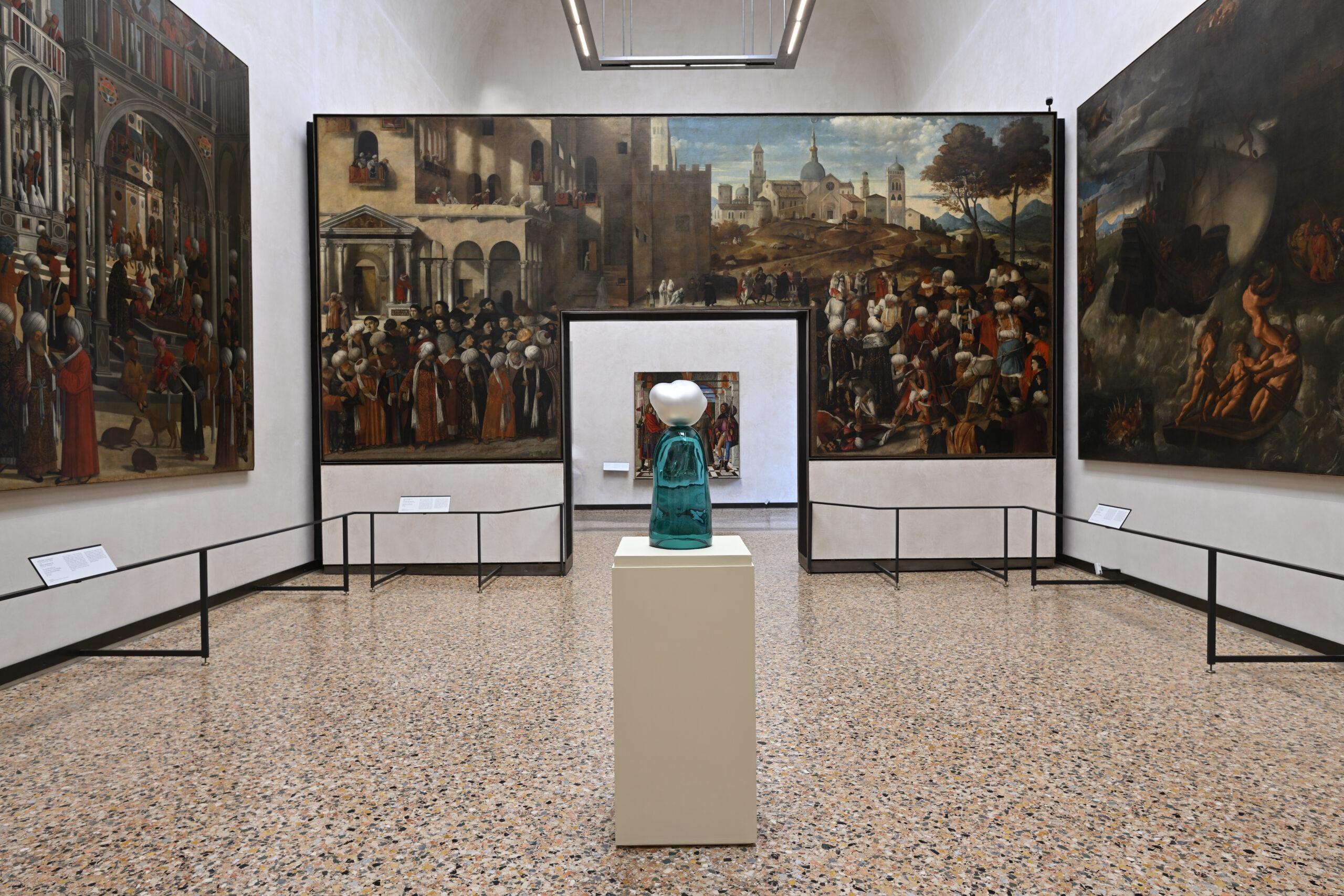
Tristano di Robilant. InAcademia, installation view, Gallerie dell’Accademia, Venice 2025. Photo Francesco Barasciutti (cover photo)


Caption: Tristano di Robilant. InAcademia, installation view, Gallerie dell’Accademia, Venice 2025. Photo Francesco Barasciutti
Related Articles