Ca’ Tron and the Venice Pavilion in the Giardini della Biennale are hosting “Diario veneziano”, an exhibition inspired by the participatory project conceived by Ilya and Emilia Kabakov. We spoke to the curators, Cesare Biasini Selvaggi and Giulia Abate
Over seven hundred residents of the metropolitan city of Venice responded to the open call that made the Diario veneziano exhibition possible, a project conceived by Ilya and Emilia Kabakov, an artist couple who identified participation as one of their key strengths.
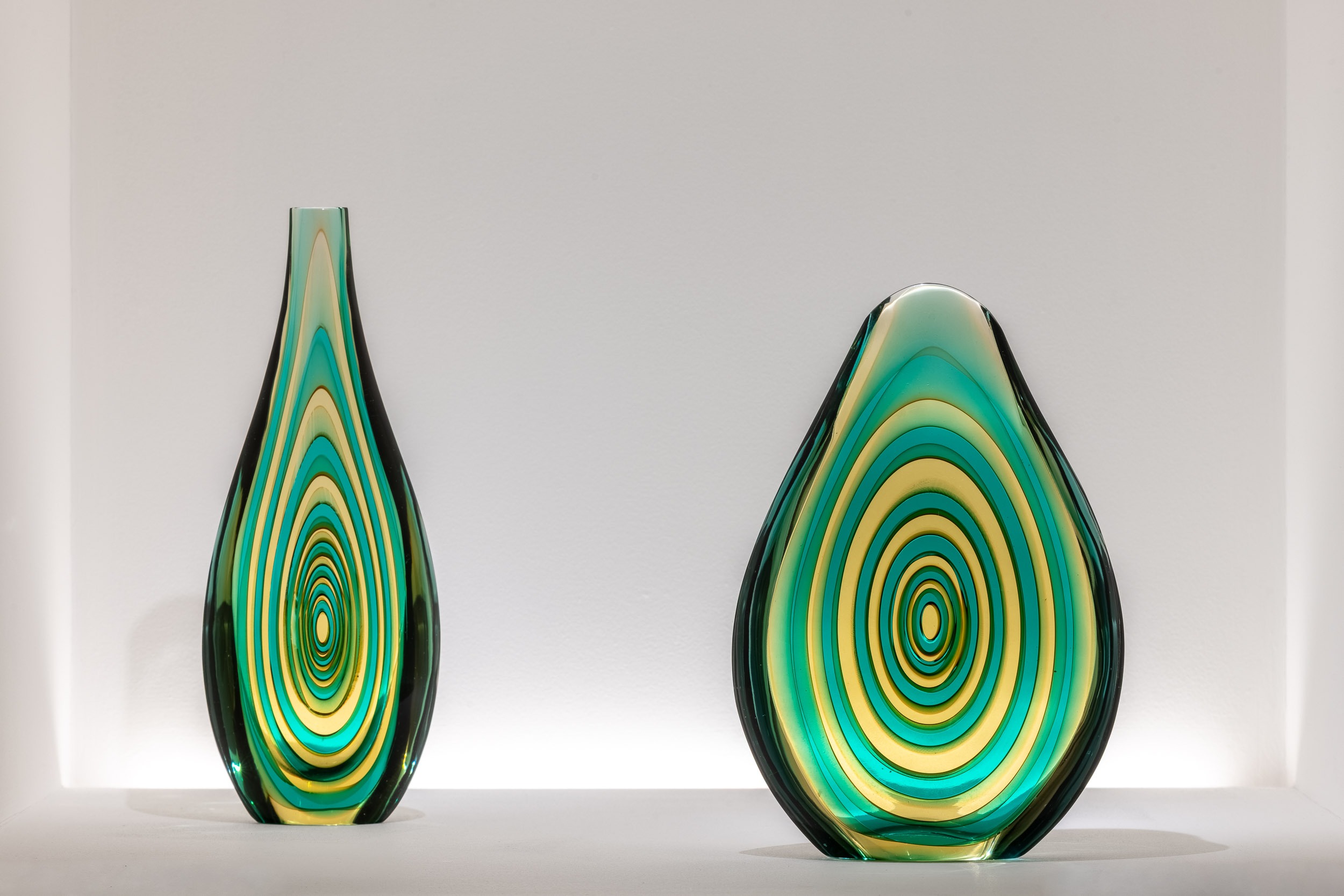
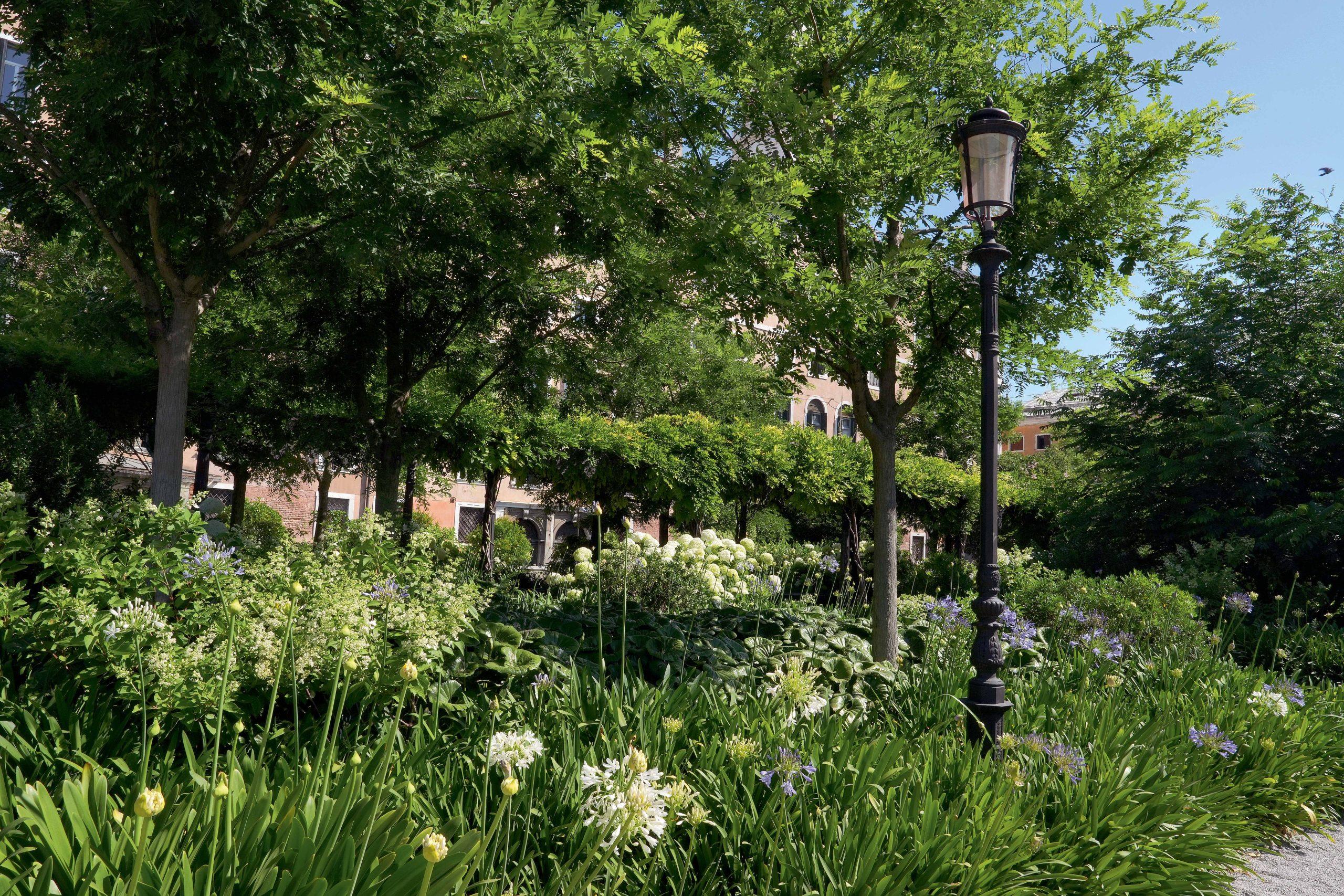
Three years after the death of Ilya Kabakov, the exhibition pays tribute to the duo by sparking a profound dialogue with Venice and inviting its inhabitants to describe their connection to the city through objects and words, now kept in the display cases filling the main floor of Ca’ Tron – a 16th-century building overlooking the Grand Canal and home to the IUAV University of Venice – and which enrich the installation of the Venice Pavilion at the Giardini della Biennale, as part of Note persistenti, the exhibition project curated by Giovanna Zabotti with Denis Isaia and Cesare Biasini Selvaggi.
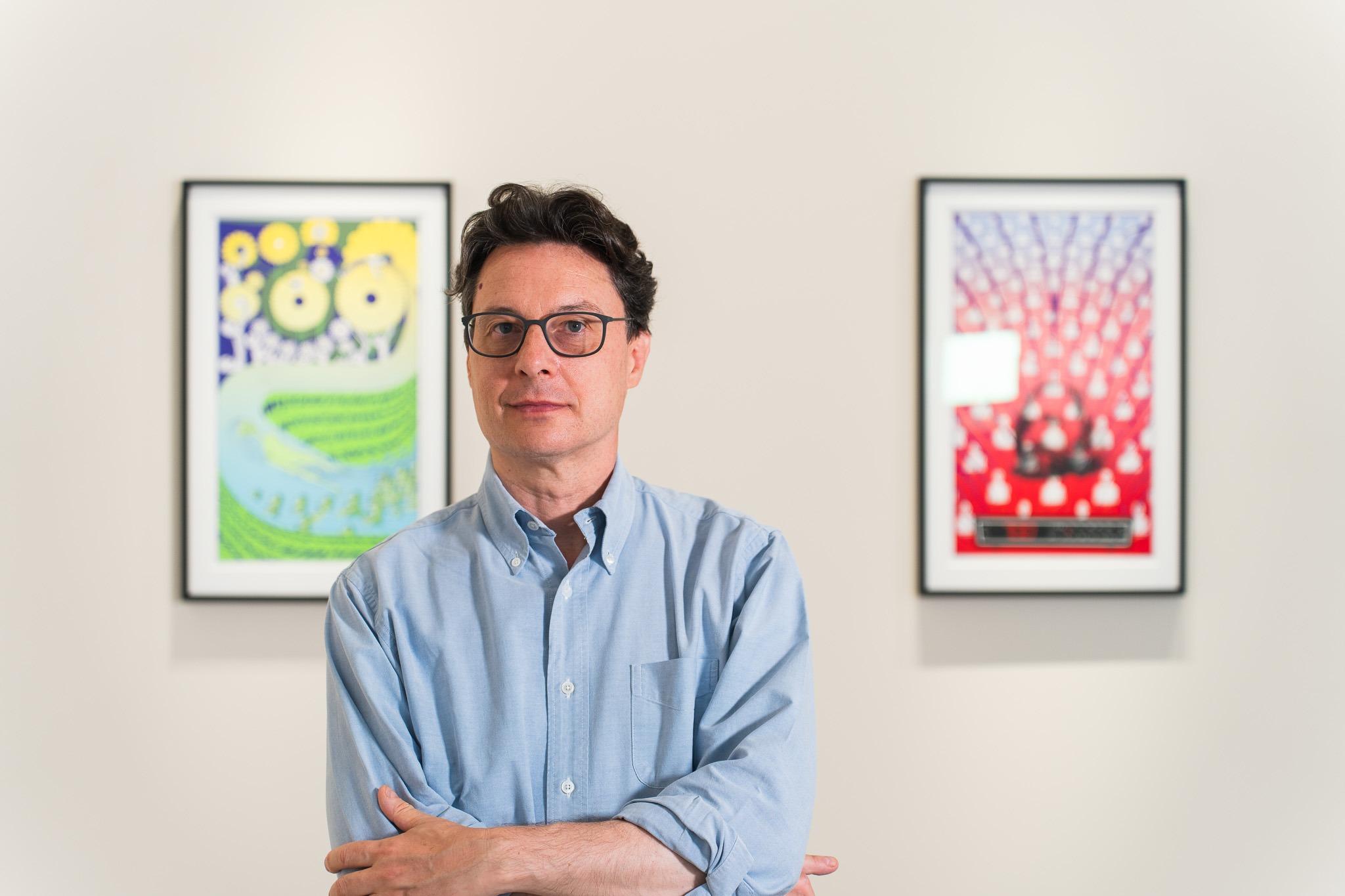
The curators of Diario veneziano – Cesare Biasini Selvaggi and Giulia Abate – shared with us all the details of a show that offers a fascinating perspective on the city.
Diario veneziano traces its roots back to the project conceived by Ilya and Emilia Kabakov in 1993 for Ghent, on the occasion of the group exhibition Rendez (-)Vous at the Museum van Hedendaagse Kunst. How has the project evolved over time, and what makes the Venetian chapter unique?
Cesare Biasini Selvaggi: The conceptual framework is the same, but the content, context and aims are profoundly different. What remains from the Ghent project is the idea of displaying objects that act as “sounding boards” for individuals, enclosed within the display cases. Diario veneziano represents both an extension and a complete reformulation of the project itself. It places at its centre not only a community of people but, through a trinamic approach, Venice itself and the bond its inhabitants share with the city. The context in which the Kabakovs’ current project unfolds is unique and irreplaceable, and therefore cannot be compared to any other. In preparing the exhibition, we frequently asked ourselves whether it might one day be possible to create a Roman diary, a Florentine diary, and so on. The answer is undoubtedly no. Venice’s uniqueness stems from its history – in particular that of the Serenissima – and from an identity that has remained true to its roots, thanks to the city-island’s nature as a hortus conclusus. Furthermore, compared to the procedural practice of 1993, Diario veneziano has placed the stories of Venetians at the forefront of the display cases. These stories were carefully transcribed onto cards, with the associated object serving as their ancillary symbolic counterpart. Narrative language is a constant in the Kabakovs’ practice, rooted in the impressive Soviet literary tradition that shaped the educational backgrounds of both Ilya and Emilia.
Giulia Abate: In the 1993 Ghent project, objects served a very different function: participants were asked to submit objects of no particular sentimental value, as these would subsequently be reinterpreted by the invited artists within the exhibition installation designed by the Kabakovs. The focus was therefore primarily on the artistic transformation of the object.
In Diario veneziano, by contrast, a radical reversal takes place. Here the object is no longer the centre of the work; it becomes instead a kind of threshold through which to access a personal story. It is the narrative that assumes a central role: memories, experiences, affections and connections to Venice constitute the true material of the installation.
The great novelty of the Venetian project lies precisely in the practice of listening. The Kabakovs created a space in which hundreds of inhabitants were able to share their stories, transforming private fragments into a collective narrative. The stories that emerged ‒ often simple, everyday and intimate ‒ ultimately outline the deep identity of the city far more powerfully than any monumental or celebratory representation could.
For the first time, moreover, the protagonists of an exhibition are not artists, collectors or institutional figures, but the inhabitants themselves: ordinary people who, through an object and a memory, step into the centre of the scene and become the authors of a great choral self-portrait of Venice.
The display cases contain objects and words shared by over seven hundred residents of the Metropolitan City of Venice, giving form to a narrative that is at once collective and intimate. What are the artist’s intentions in weaving such a narrative? What does the work seek to offer to the present and to the future?
Cesare Biasini Selvaggi: The intention has always been the same, and it represents an absolute hallmark of Diario veneziano in relation to its Ghent precursor: to give the Venetians ‒ those who are always behind the scenes, who make possible the extraordinary events that unfold in the lagoon, yet never receive so much as a mention in an exhibition colophon ‒ their moment on the red carpet of the Venice Biennale. The Kabakovs’ is a personal act of restitution to all the Venetians who, over half a century, have enabled them to realise ‒ both within and beyond the Biennale ‒ installations that are fundamental to their artistic journey. In so doing, the Kabakovs bequeath to posterity one of the most powerful and effective portraits of Venice since Carpaccio, Bellini and Canaletto: that of a vibrant community, one that embraces the future, with a radical identity evident already in its children, as well as in the foresti ‒ the outsiders ‒ who choose it as their adopted homeland (Venice is, uniquely, a city that teaches those who inhabit it), and with a creative energy that cuts across generations, trades and professions. Above all, however, the Kabakovs bequeath to the future the “DNA” of the Venetians, distilled into a single sequence of letters: the sense of freedom, which has remained unchanged since the days of the Republic.
Giulia Abate: The project’s intention seems to be that of restoring centrality to a community that is often invisible yet fundamental to the life of the city. Diario veneziano wrests Venice away from its purely monumental, picturesque and touristic dimension in order to refocus attention on the people who inhabit and sustain it day after day: children, women, men, families, workers, the elderly, students.
In this sense, enclosing the objects within the display cases takes on a precise meaning: that of preserving stories. Here the cases do not simply serve to display, but to protect and give value to fragments of life that ordinarily remain at the margins of public attention. Every object ‒ even the most modest ‒ becomes something to be observed with care, almost to be admired, because it carries with it the memory of those who contribute every day to keeping Venice alive. All of this also connects to the attention that the Venetian tradition has long paid to the object and to craft: just think of Murano glass, or of the artists who, throughout the history of Venetian painting, devoted themselves to depicting interiors and scenes of everyday life with great care and vitality ‒ Pietro Longhi and Giandomenico Tiepolo among them, both capable of rendering the image of a dynamic city rich in detail.
Emilia Kabakov thus performs a powerful gesture of symbolic restitution: for once, the “red carpet” is not reserved for the protagonists of the art world or for international visitors, but for the Venetians themselves. They are the true protagonists of the work. People who so often remain behind the scenes finally become visible through their stories, their emotions and their memories.
The project gives voice to a community that from the outside may appear submerged or silent, but which in reality continues to be profoundly alive. And it is precisely this vitality ‒ made up of relationships, shared memories and a sense of belonging ‒ that emerges clearly from the stories gathered in Diario veneziano.
The participants’ identities are protected by the decision to use only their first names. What idea of collectivity emerges from this chorus of words and objects united by a form of anonymity?
Cesare Biasini Selvaggi: The idea of a united collectivity, with fundamental points of contact that take shape already in childhood ‒ in the calli, in those group games accompanied by the reverberation of water ‒ and continue in the bacari, over a toast with an ombra de vin (glass of wine). And then there is that sense of community rooted in mutual aid, which originates in the ancient companies and confraternities, and plays its part in both the material and spiritual circumstances of life. Sport, too, widely practiced across all walks of life, is another vehicle for social interaction that remains deeply cherished. Diario veneziano, through the spell cast by the Kabakovs’ visionary art, serves as a magical gateway to this intangible authenticity that shapes Venetian community life, rooted as it is in strong family ties, both past and present.
Giulia Abate: The choice to use only first names contributes to creating a dimension of greater intimacy and closeness. The people who participate in the project are not defined by their surname, profession or social role, but simply by their human presence and by the story they choose to share. This allows the narratives to take on a more authentic and universal quality, one that is almost suspended between private memory and collective experience.
Perhaps the most interesting aspect to emerge from the project is the absence of any real distinction between the stories of adults and those of children or young people. The objects change ‒ a toy, a Carnival mask, a seashell, a work tool ‒ but the recurring themes are surprisingly consistent: the bond with family, friendship, a sense of belonging, the places of childhood, water, the calli, the small rituals of daily life. In this exhibition the object has a polymorphic quality: it takes on different forms and expressions both in relation to the context and to the perception of the beholder, and in relation to a shared memory that crosses generations and continues to be transmitted through time.
From this chorus of voices there thus emerges a very particular idea of collectivity: not a community built around official symbols or a declared identity, but an emotional community, shaped by shared experiences, inherited gestures and memories that resemble one another even when they belong to very different individuals.
Diario veneziano thus reveals a profoundly human Venice, in which individual memory becomes part of a broader narrative. The stories gathered speak not only of the individual participants, but restore the portrait of a city that continues to recognise itself in its affective bonds, in its everyday relationships and in a shared sensibility that unites different generations.
Interview by Arianna Testino
INFO
Diario veneziano
until 28 June 2026
CA’ TRON
Santa Croce 1957, Venice
until 22 November 2026
VENICE PAVILION
Giardini della Biennale, Venice
https://www.labiennale.org
BIO
Cesare Biasini Selvaggi is an independent curator, cultural manager and journalist. Since March 2017 he has served as editorial director of the Italian publications exibart.com, exibart.onpaper and exibart.tv. He is responsible for the visual arts at Solares Fondazione delle arti, and serves as Secretary General of the Selina Azzoaglio Foundation | Innovation through Art and of Fondazione THE BANK ETS – Institute for Contemporary Painting Studies. Since 2023 he has been co-curator of Ifis Art, the art and culture project of Banca Ifis.
He is the author of over a hundred essays on modern and contemporary art, as well as exhibition catalogues published by Mousse, De Agostini, RCS Libri, Hachette, Mondadori, Electa, Skira, Silvana Editoriale, Carlo Cambi Editore, De Luca Editori d’Arte and exibart.edizioni.
He has conceived and realised more than 150 contemporary art exhibitions in Italy and abroad. Recent highlights include the retrospective dedicated to Mario Ceroli at the Galleria Nazionale d’Arte Moderna e Contemporanea, the retrospective of Giacomo Balla at the Palazzo del Governatore in Parma, and the first Italian solo exhibition of Chris Soal at the MAXXI.
He is co-curator of the Venice Pavilion at the 61st International Art Exhibition of the Venice Biennale (2026).
Giulia Abate is a cultural manager and curator working in the field of contemporary art at both national and international level. With over twenty years of experience, she specialises in artists’ archives, exhibition curating and the direction of complex cultural projects, combining strategic vision with a strong commitment to innovation, public engagement and exhibition quality. Since 2023 she has been the founder of BAM – Public Art Projects, through which she develops and curates public art exhibitions throughout Italy overseeing every stage of the process: from concept to production and marketing. Exhibitions realised under BAM include Diario veneziano by Ilya and Emilia Kabakov at Ca’ Tron (2026), POESIA by Marcello Maloberti at the Museo Nazionale Etrusco di Villa Giulia in Rome (2025-2026), Botero a Roma (2024), Tony Cragg. Infinite and Beautiful Forms at the Terme di Diocleziano in Rome (2024-2025), and The Lobster Empire by Philip Colbert on Via Veneto in Rome (2022–2023). Also since 2023, she has been curator of the International Sculpture Park of Banca IFIS, within the IFIS Art project, where she oversees site-specific commissions and cultural programming at Villa Fürstenberg. Since 2007 she has directed the Claudio Abate Archive in Rome, promoting its holdings through exhibitions, publications and audiovisual projects. Among the principal projects she has curated is the documentary Claudio Abate “L’obiettivo sull’arte” by Pappi Corsicato. In 2022 she produced the monograph Claudio Abate, edited by Germano Celant. She holds a degree in Communication Studies from Sapienza University of Rome and a Master’s degree in Marketing and Communication from Il Sole 24 Ore Business School.
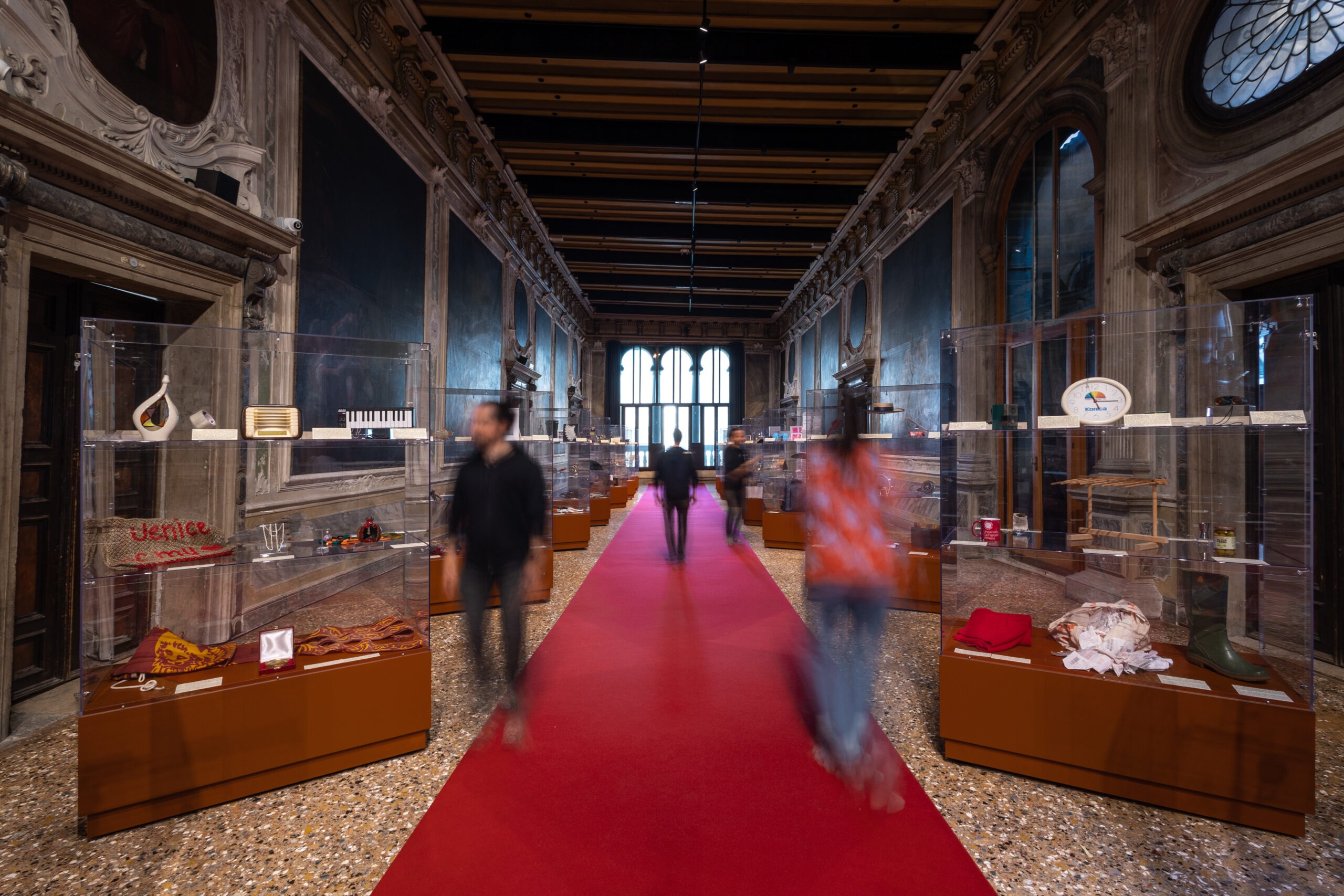
Ilya and Emilia Kabakov, Diario veneziano, 2026. Installation view, Ca’ Tron – IUAV University of Venice. Photo Osvaldo Di Pietrantonio. Courtesy Ilya and Emilia Kabakov Art Foundation
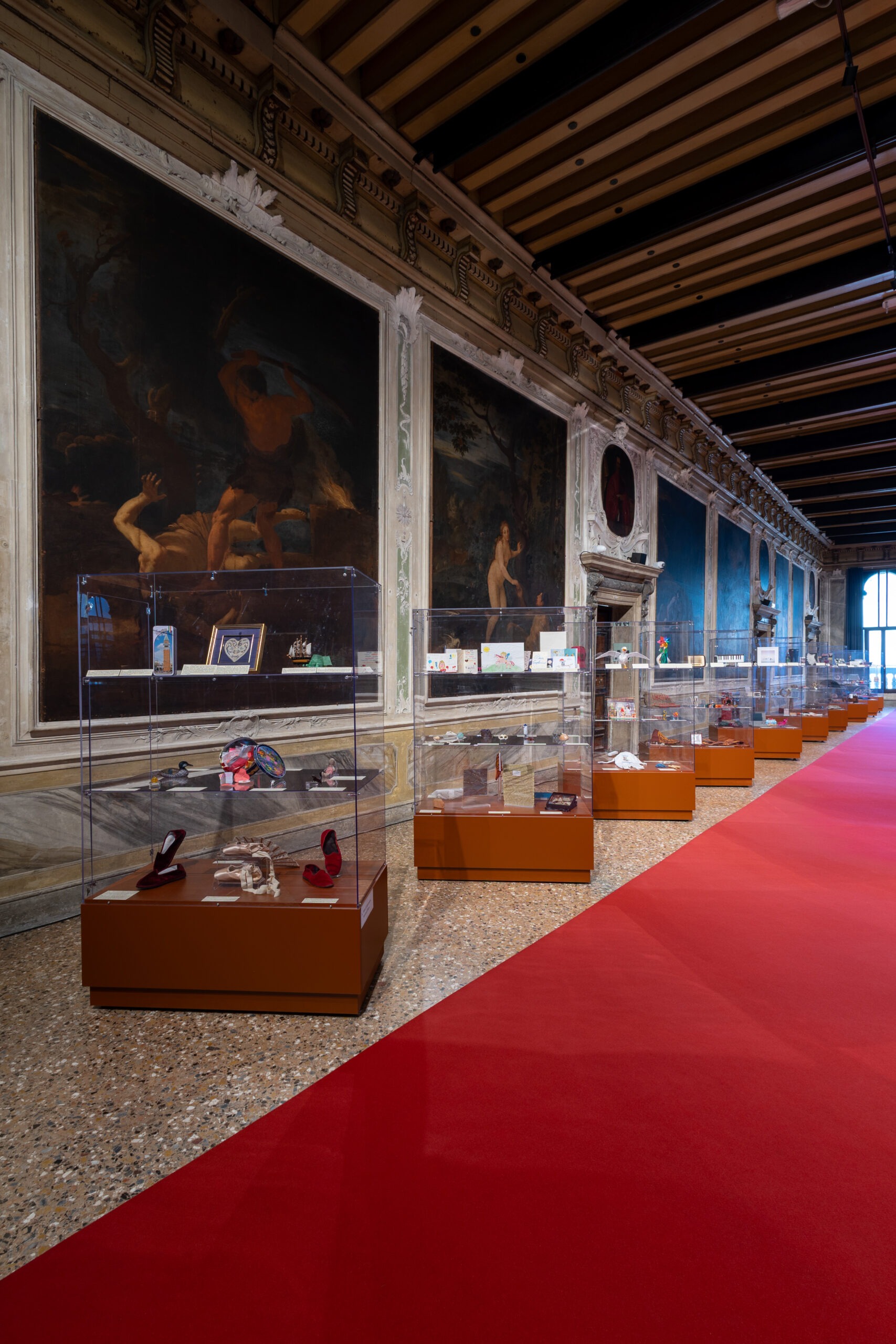
Ilya and Emilia Kabakov, Diario veneziano, 2026. Installation view, Ca’ Tron – IUAV University of Venice. Photo Osvaldo Di Pietrantonio. Courtesy Ilya and Emilia Kabakov Art Foundation
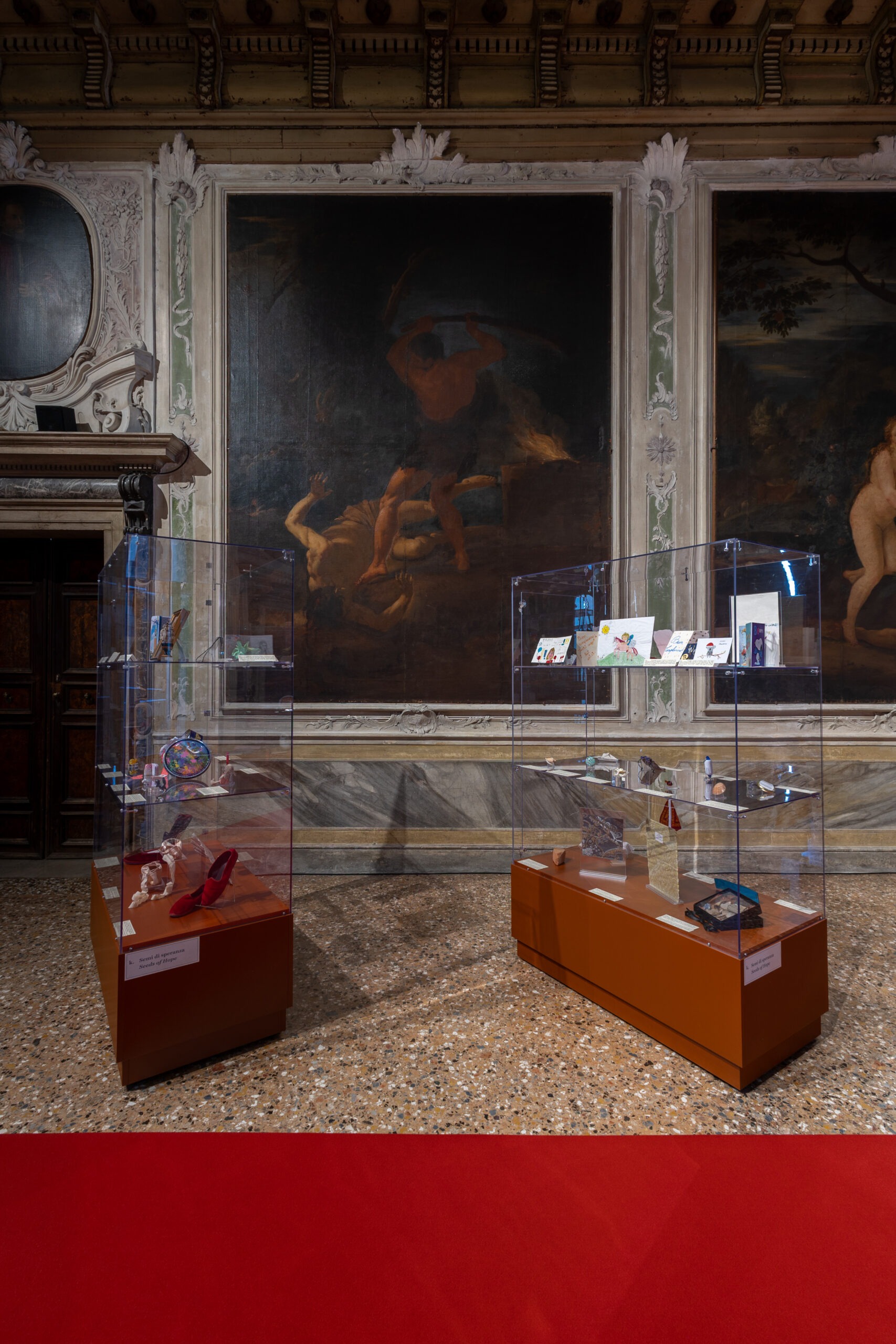
Ilya and Emilia Kabakov, Diario veneziano, 2026. Installation view, Ca’ Tron – IUAV University of Venice. Photo Osvaldo Di Pietrantonio. Courtesy Ilya and Emilia Kabakov Art Foundation
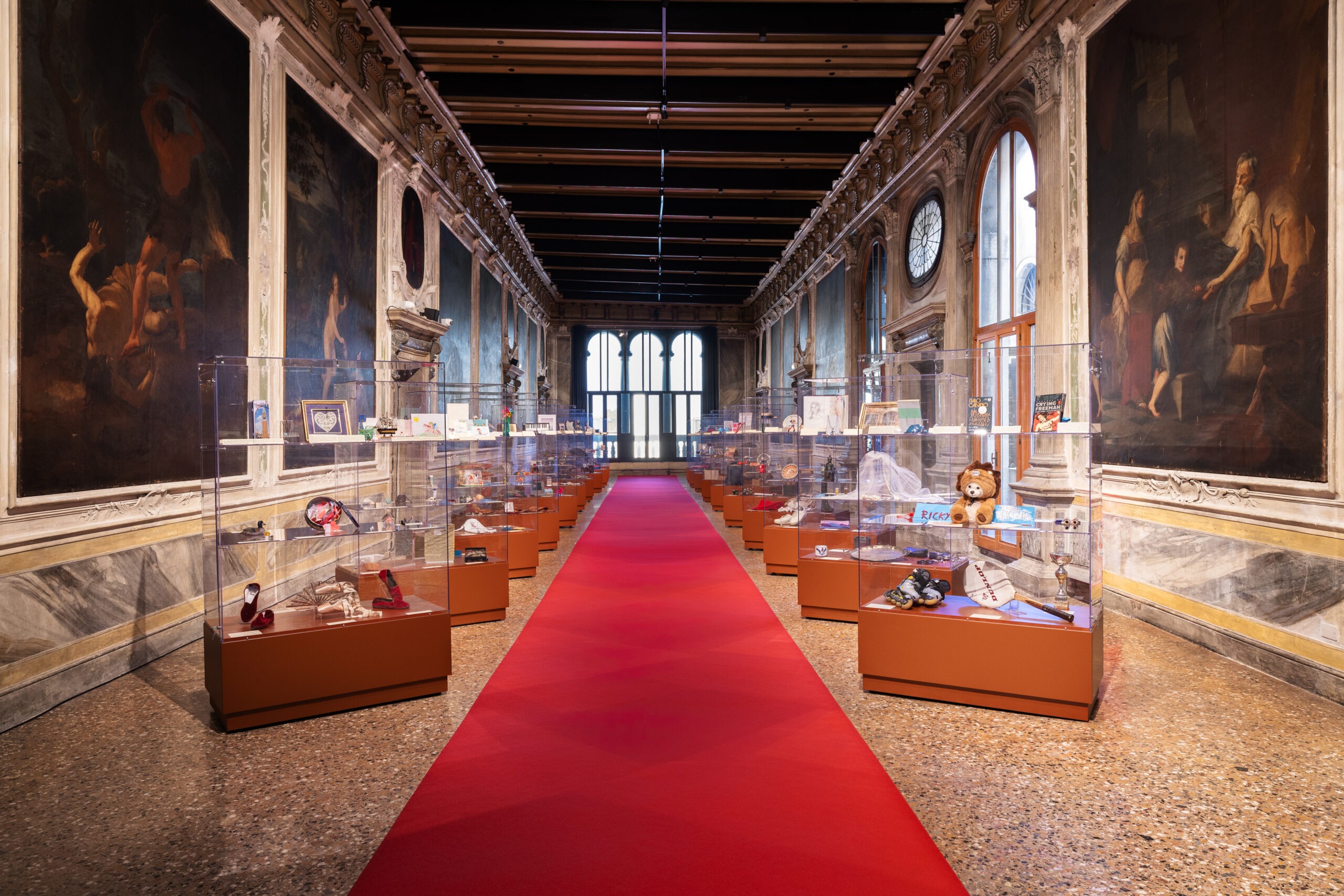
Ilya and Emilia Kabakov, Diario veneziano, 2026. Installation view, Ca’ Tron – IUAV University of Venice. Photo Osvaldo Di Pietrantonio. Courtesy Ilya and Emilia Kabakov Art Foundation (cover photo)
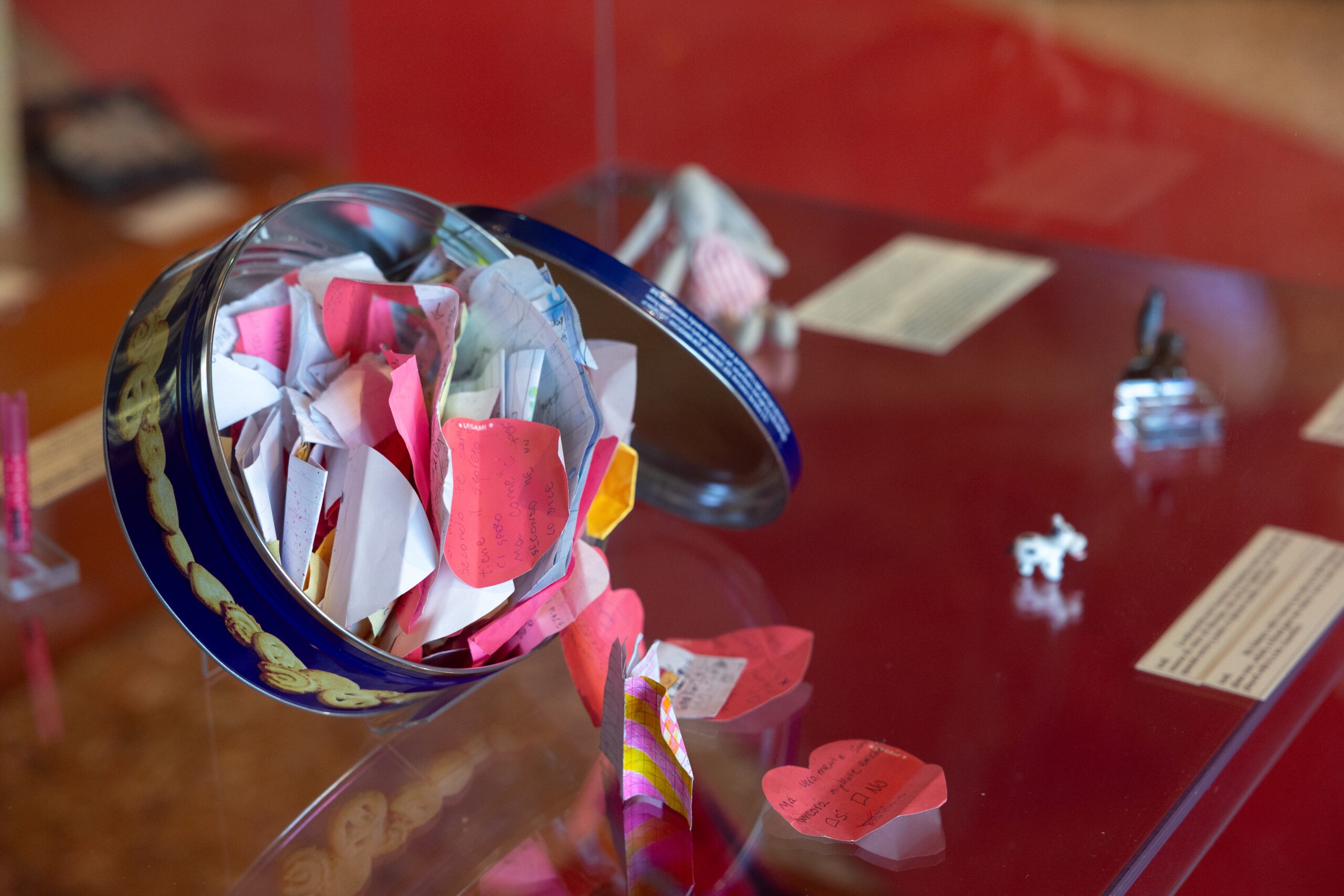
Ilya and Emilia Kabakov, Diario veneziano, 2026. Installation view, Ca’ Tron – IUAV University of Venice. Photo Osvaldo Di Pietrantonio. Courtesy Ilya and Emilia Kabakov Art Foundation
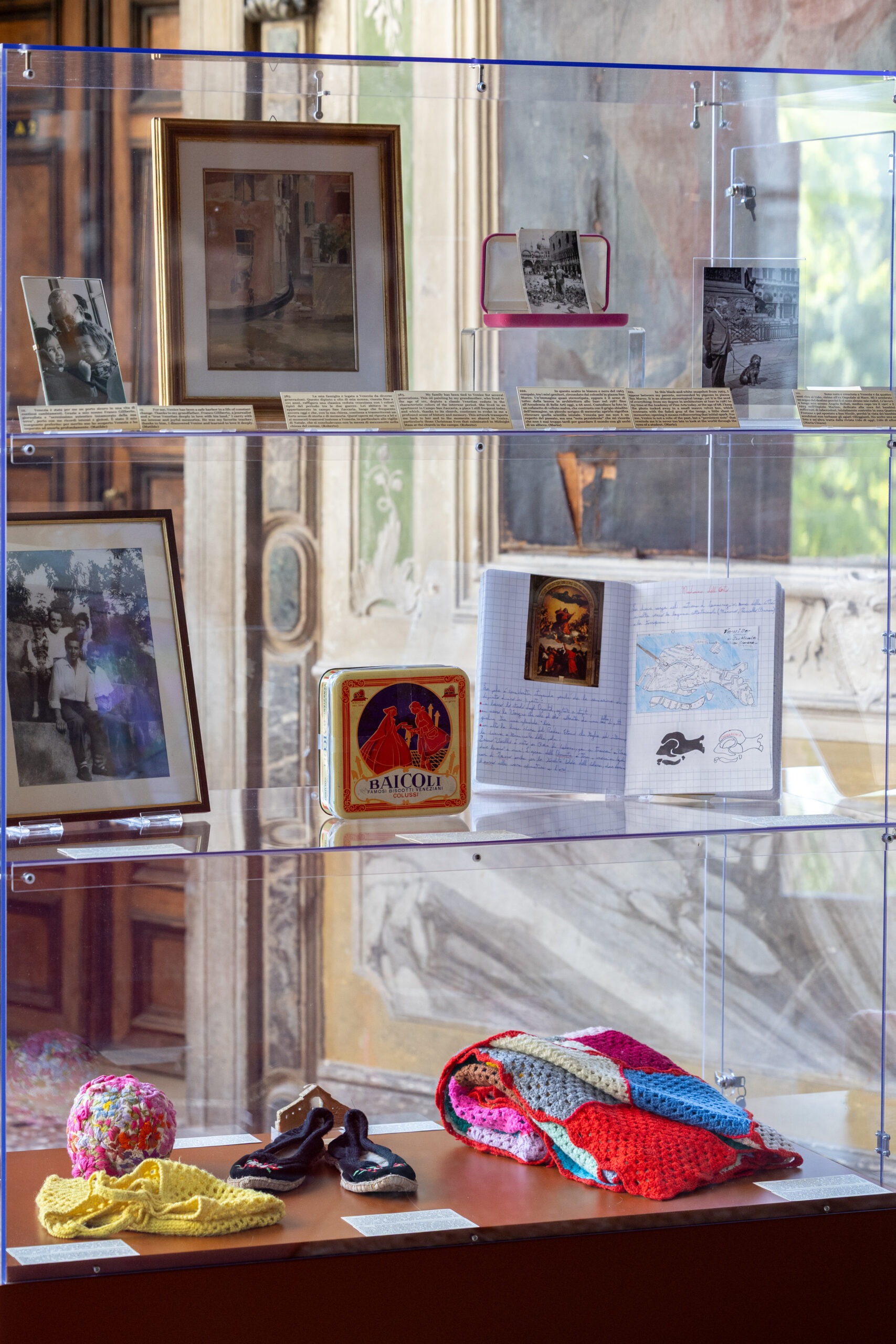
Ilya and Emilia Kabakov, Diario veneziano, 2026. Installation view, Ca’ Tron – IUAV University of Venice. Photo Osvaldo Di Pietrantonio. Courtesy Ilya and Emilia Kabakov Art Foundation
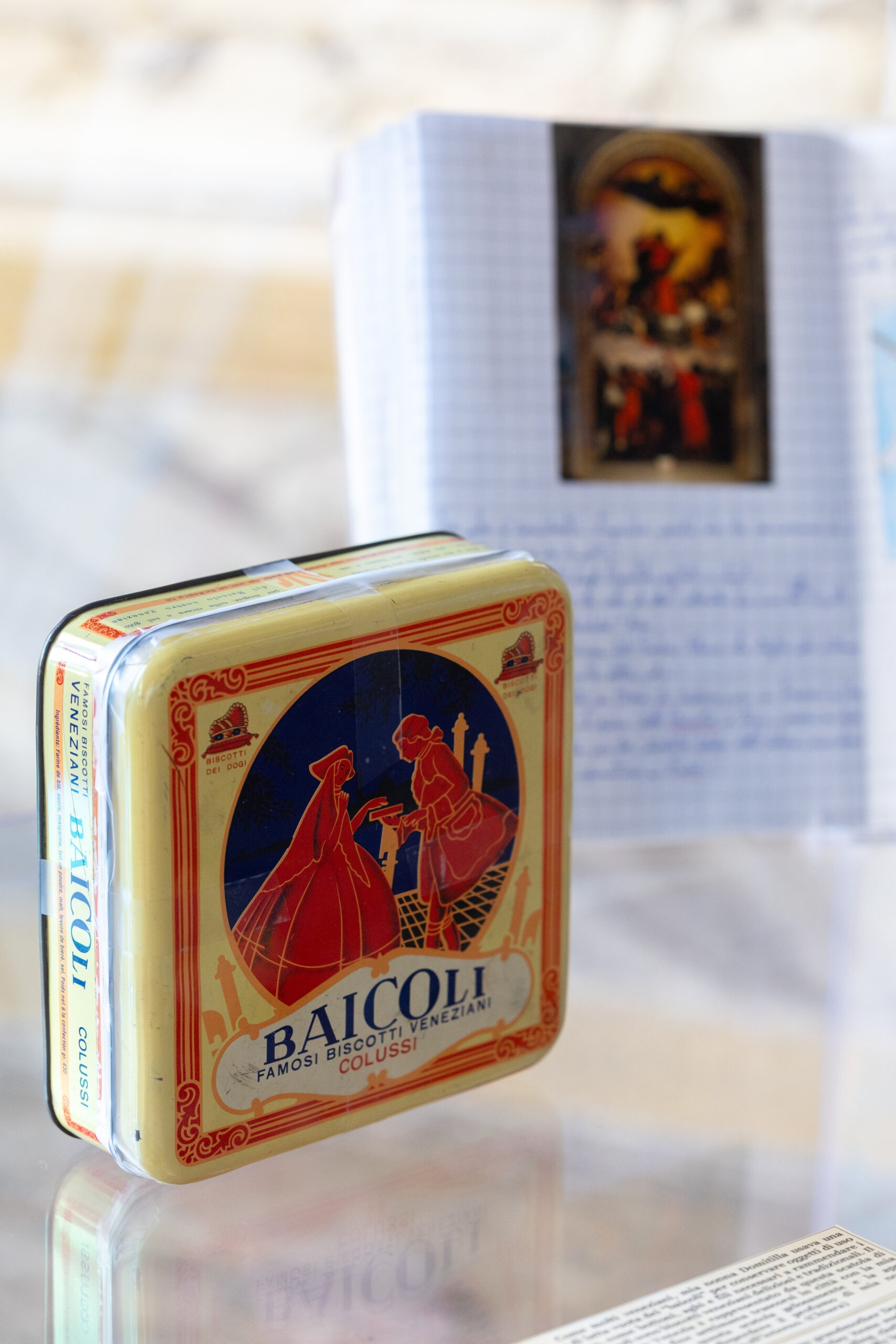
Ilya and Emilia Kabakov, Diario veneziano, 2026. Installation view, Ca’ Tron – IUAV University of Venice. Photo Osvaldo Di Pietrantonio. Courtesy Ilya and Emilia Kabakov Art Foundation
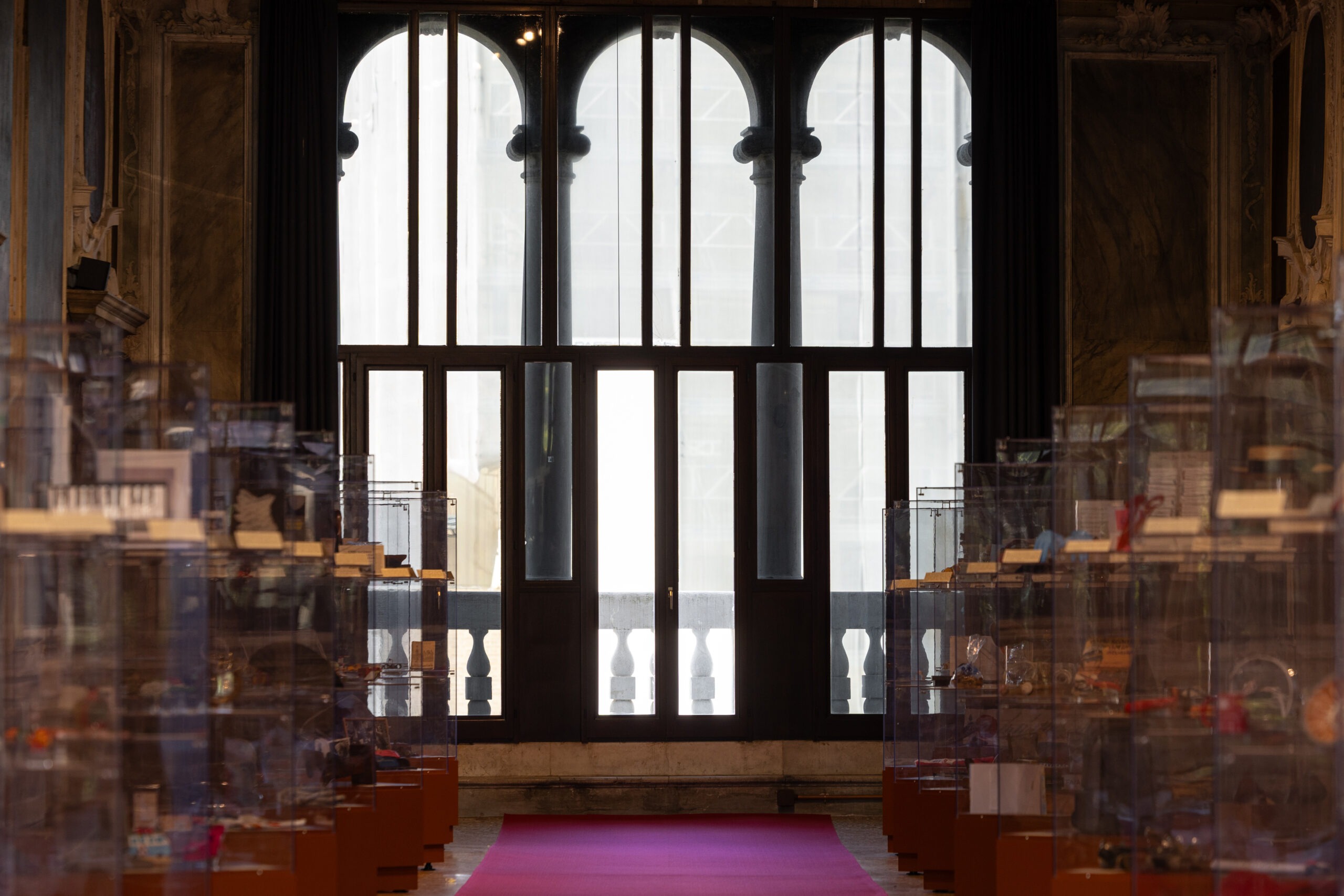
Ilya and Emilia Kabakov, Diario veneziano, 2026. Installation view, Ca’ Tron – IUAV University of Venice. Photo Osvaldo Di Pietrantonio. Courtesy Ilya and Emilia Kabakov Art Foundation


Caption:
Ilya and Emilia Kabakov, Diario veneziano, 2026. Installation view, Ca’ Tron – IUAV University of Venice. Photo Osvaldo Di Pietrantonio. Courtesy Ilya and Emilia Kabakov Art Foundation
Related Articles