Published by Marsilio Arte, Antonio Mancinelli’s new book celebrates the history of an object charged with meaning. The author himself guides us through the pages of the book
Bags know us with a precision that humans lack out of politeness or convenience. They enclose within the unauthorized version of who we are: documents and talismans, medications, receipts, keys, cosmetics, a letter short on bravery. A dress presents the person. A bag contains the evidence. Out of this unfaithful discretion was born La Borsa. 200 anni, 5 continenti [The Bag. 200 years, 5 continents], a book ‒ enriched by an essay by philosopher Emanuele Coccia and contributions by Beatrice Manca ‒ dedicated to what we carry and what, by virtue of us carrying it, in the end reveals us, transforming this everyday object into a novel of existence.
We picked 300 exemplars from the 850 in Roberta Butti’s collection. They come from five continents and span two centuries, but they do not appear in chronological order. Life flouts chronological order: in the morning it seeks a capacious bag, in the evening it demands a small architecture of silk, beads, or metal; it goes off, works, dances, goes to the theatre, attends a wedding, indulges in leisure, meets its first love, cultivates some eccentricity. The volume is organized around these occasions: a symphony of existence. The sections dedicated to the daytime, the evening, dances, the theatre, ceremonies, travel, leisure, first love, and the Wunderkammer place the necessary and the superfluous on the same plane. A saddlebag and an embroidered clutch respond to different needs, yet they share the same primordial gesture: to contain and to carry. Each tell stories of commerce, migration, ritual, work, seduction, rank, and scarcity.
The bag tracks societal changes, like a witness. In times of abundance, it becomes more ornate; during wars, it shrinks; when women gain autonomy it alters its size, closures, handles, and functions. The transition from the home to shared space leaves clear traces: firmer handles, compartments, shoulder straps, locks, shapes suited to travel and work. The history of emancipation is not exclusively contained in manifestos. Leather, silk, rope, raffia, beads, wood, brass, silver, plastic, and recycled materials demonstrate how invention arises from the dialogue between what we want and what is available. Each material carries with it a territory, a technique, an economy. Luxury loses its allusion to a bank balance and goes back to meaning time, skill, rarity, and imagination. Fashion houses retain their place, but they cease to occupy every seat at the table. The anonymous craftsperson, when their work is impeccable, has no need for a surname in gold letters.
Then there is the intimacy of it. The philosopher Gaston Bachelard called wardrobes, desks, and trunks “the real organs of our secret psychological life.” The bag belongs to the same family, but with a difference: it travels with us. It is an emotional archive exposed to the rough-and-tumble of the world. It contains the necessary and the unmentionable, remedies and superstitions, the orderliness of documents and the anarchy of crumbs. Emptying it is like a brief visit to a psychoanalyst, minus the bill and with more receipts.
This is why we wanted the images to capture the bag in its natural habitat, far from the catwalk. The iconographic research explored paintings, stills, historical photographs, and international archives: alongside Jacqueline Kennedy and Jane Birkin, we find Ornella Vanoni, Raffaella Carrà, and nameless women, captured at work, traveling, on the street, or at a party. The celebrity helps us recognize a role model; the anonymous user conveys the gesture. The 350 images do not accompany the discourse like ladies-in-waiting. They contradict it, expand it, offer detours. A hand tightly gripping a handle reveals the relationship between body and object; a bag placed next to a chair declares rank; a shoulder strap frees the arms.
Looking at these figures means taking in the dress, the design, the sociology, and the history of the material. The volume is intended for those who study and those who observe, for curators, designers, craftspeople, collectors, photographers, students, writers, and anyone who has never considered their bag a historical source. It is a collection of shapes and materials, an atlas of uses, a story told through images. Even the man who calls his bag a “utility bag” (in English, even when speaking in another language), convinced that the English words endow the shoulder strap with a certificate of virility, will recognize himself in it. Contained within these 256 pages, without ever confining it to a display case, is the human drama. After closing the last page, the bag hanging from the chair takes on the reserved look of a witness; the inherited bag becomes a genealogy; the new one already foreshadows its future wrinkles. Time had emptied these objects. We have tried to entrust the weight of the world to their emptiness and deliver it to the reader with a handle.
Antonio Mancinelli
BIO
Antonio Mancinelli, a professional journalist, was editor-in-chief of Marie Claire until July 2021. He collaborates with Repubblica, D ‒ La Repubblica delle Donne, Amica, Il Foglio and other online and offline newspapers. He started with Corriere della Sera. He teaches fashion journalism and fashion semiotics at various schools and universities. He has published several books: of these, the latest is L’arte dello styling (Vallardi) written in tandem with Susanna Ausoni, translated all over the world. Always conscious that fashion is a reflection of society and a political framework that can explain cultural changes, for years he has preached that everyone should dress how they want and not how they should. Nobody believes him.
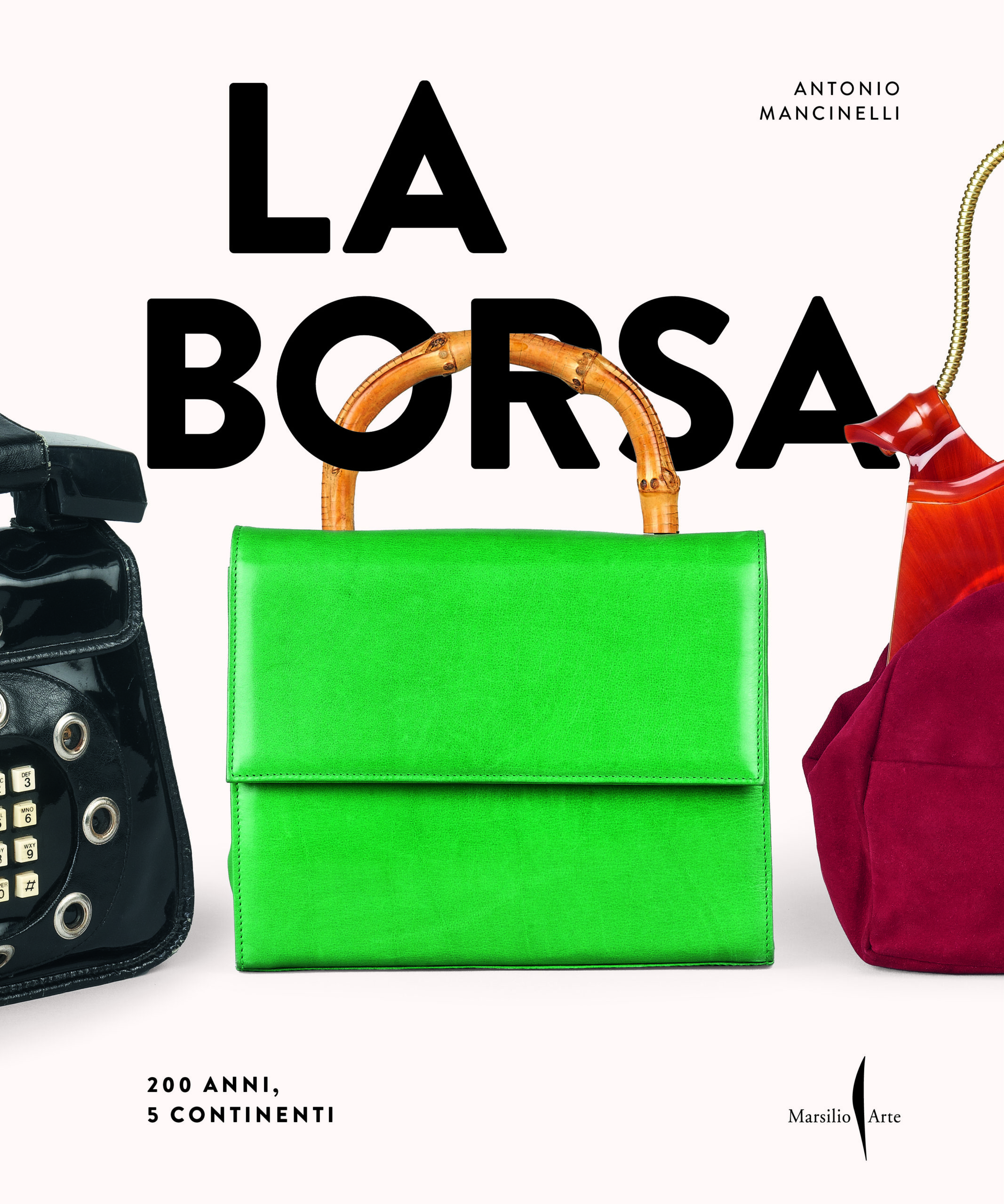
The cover of La Borsa, the book by Antonio Mancinelli, Marsilio Arte, Venice 2026
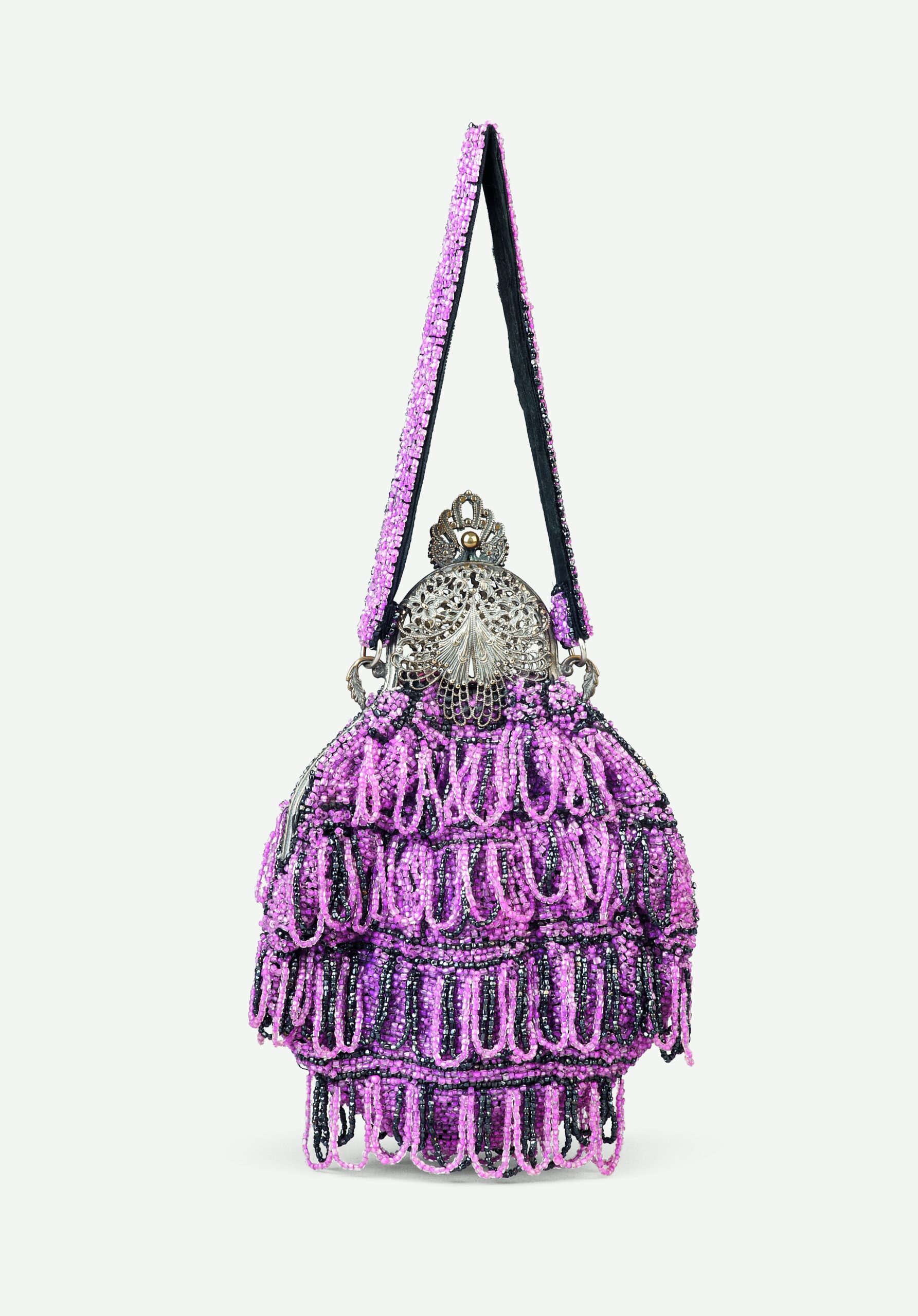
Early 20th century, glass beads, metal filigree, 14 x 18 x 2 cm © Roberta Butti / photograph by Ugo Ambroggio, Como
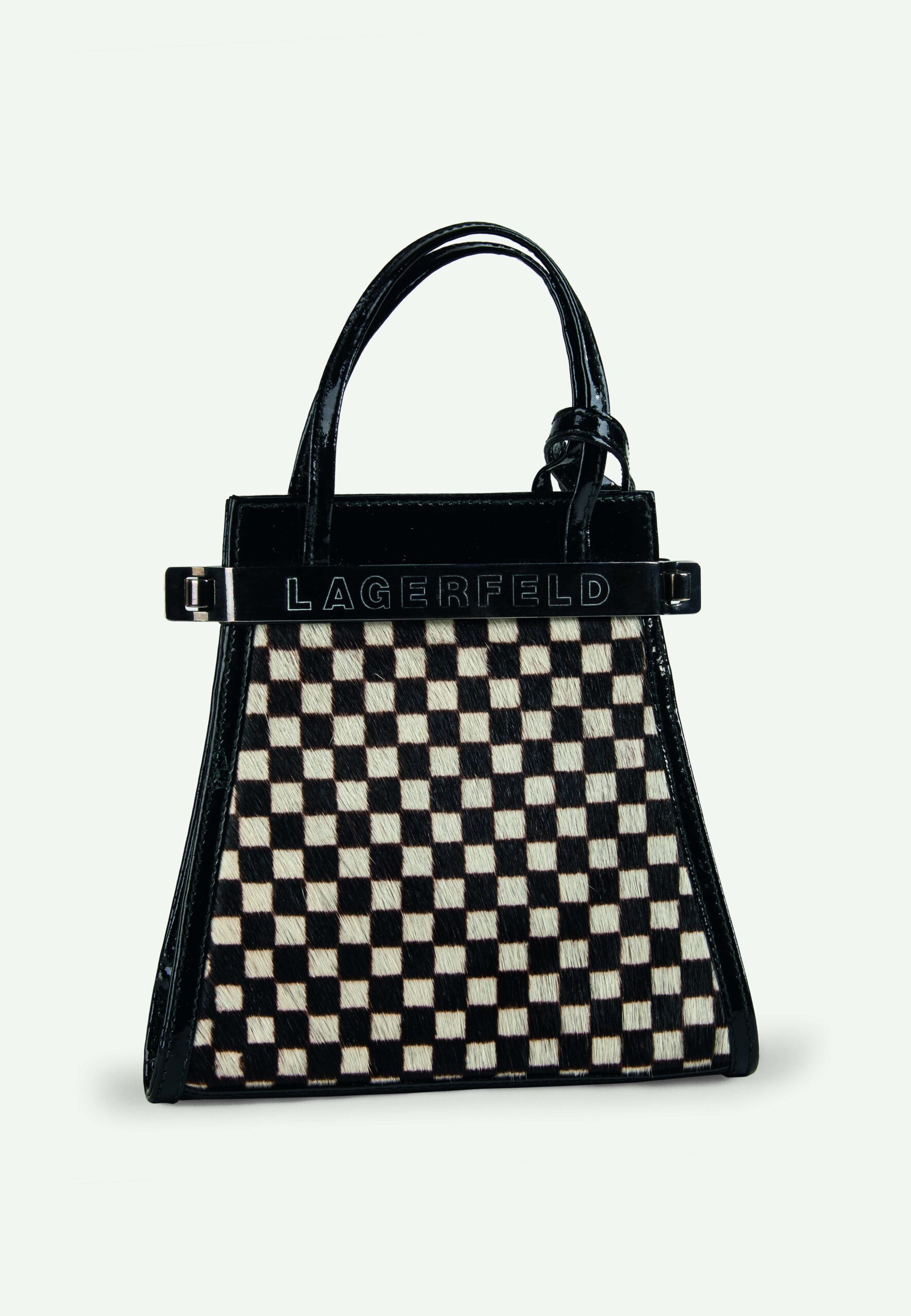
Karl Lagerfeld, 1980s Vernice, pony skin, metal 17 x 16 x 3 cm © Roberta Butti / photograph by Ugo Ambroggio, Como
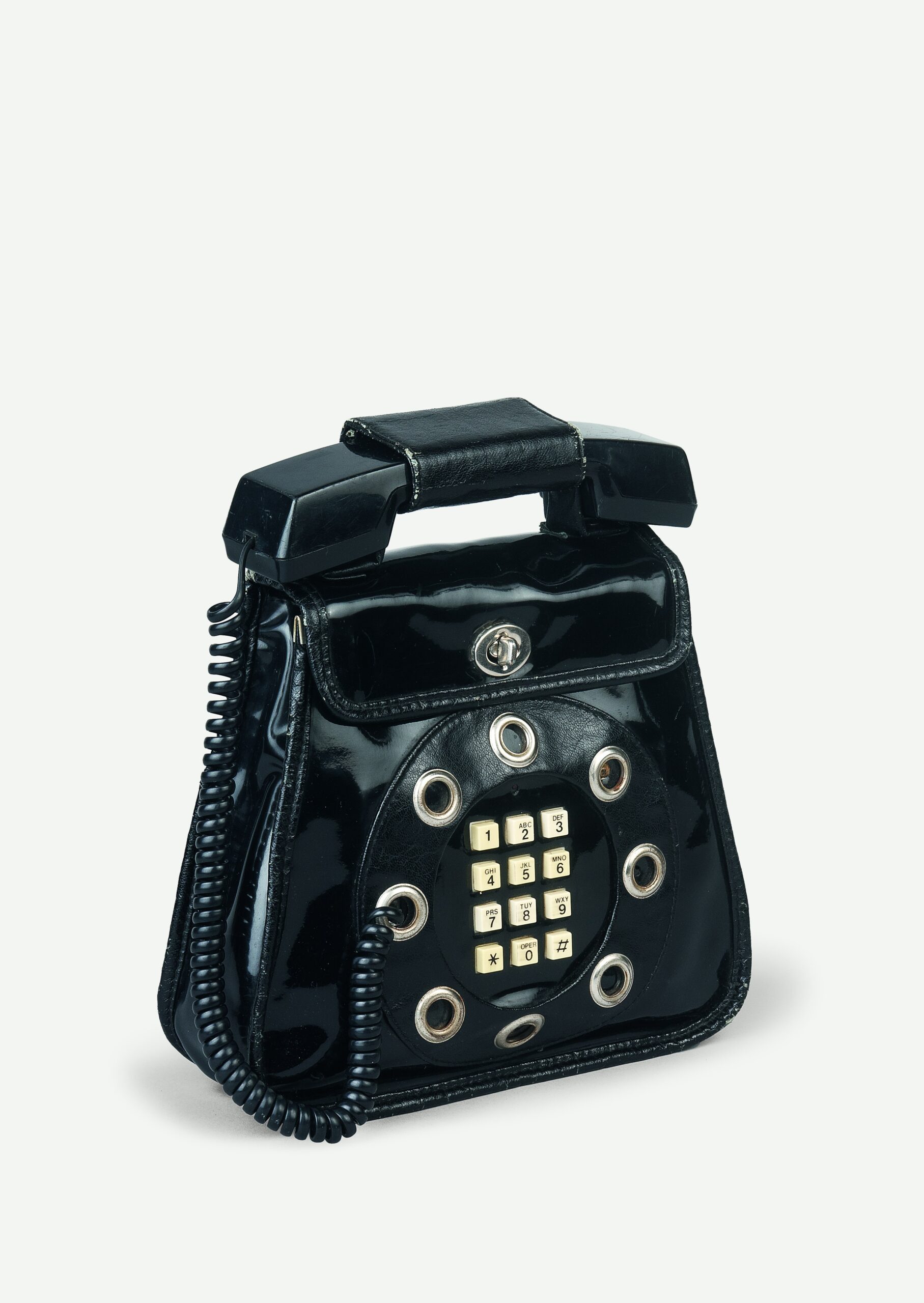
Dallas Handbags, 1970s Vinyl, plastic, metal, working telephone, telephone cable incorporated into the bag, 24 x 29 x 7 cm © Roberta Butti / photograph by Ugo Ambroggio, Como (cover photo)
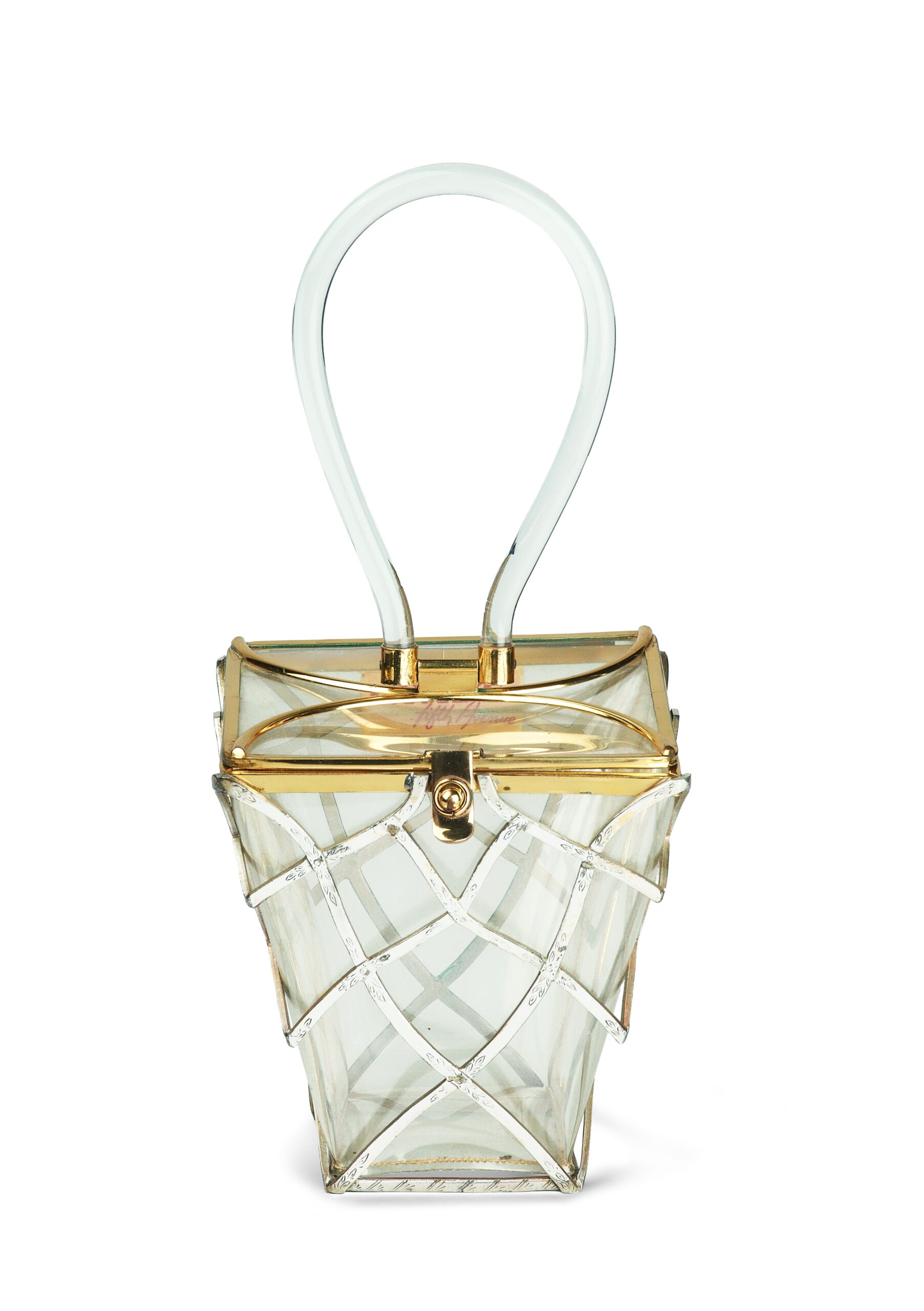
David 5th Avenue, 1950s, 14 x 15 x 14 cm © Roberta Butti / photograph by Ugo Ambroggio, Como


Captions:
The cover of La Borsa, the book by Antonio Mancinelli, Marsilio Arte, Venice 2026
Early 20th century, glass beads, metal filigree, 14 x 18 x 2 cm © Roberta Butti / photograph by Ugo Ambroggio, Como
Karl Lagerfeld, 1980s Vernice, pony skin, metal 17 x 16 x 3 cm © Roberta Butti / photograph by Ugo Ambroggio, Como
Dallas Handbags, 1970s Vinyl, plastic, metal, working telephone, telephone cable incorporated into the bag, 24 x 29 x 7 cm © Roberta Butti / photograph by Ugo Ambroggio, Como (cover photo)
David 5th Avenue, 1950s, 14 x 15 x 14 cm © Roberta Butti / photograph by Ugo Ambroggio, Como
Related Articles