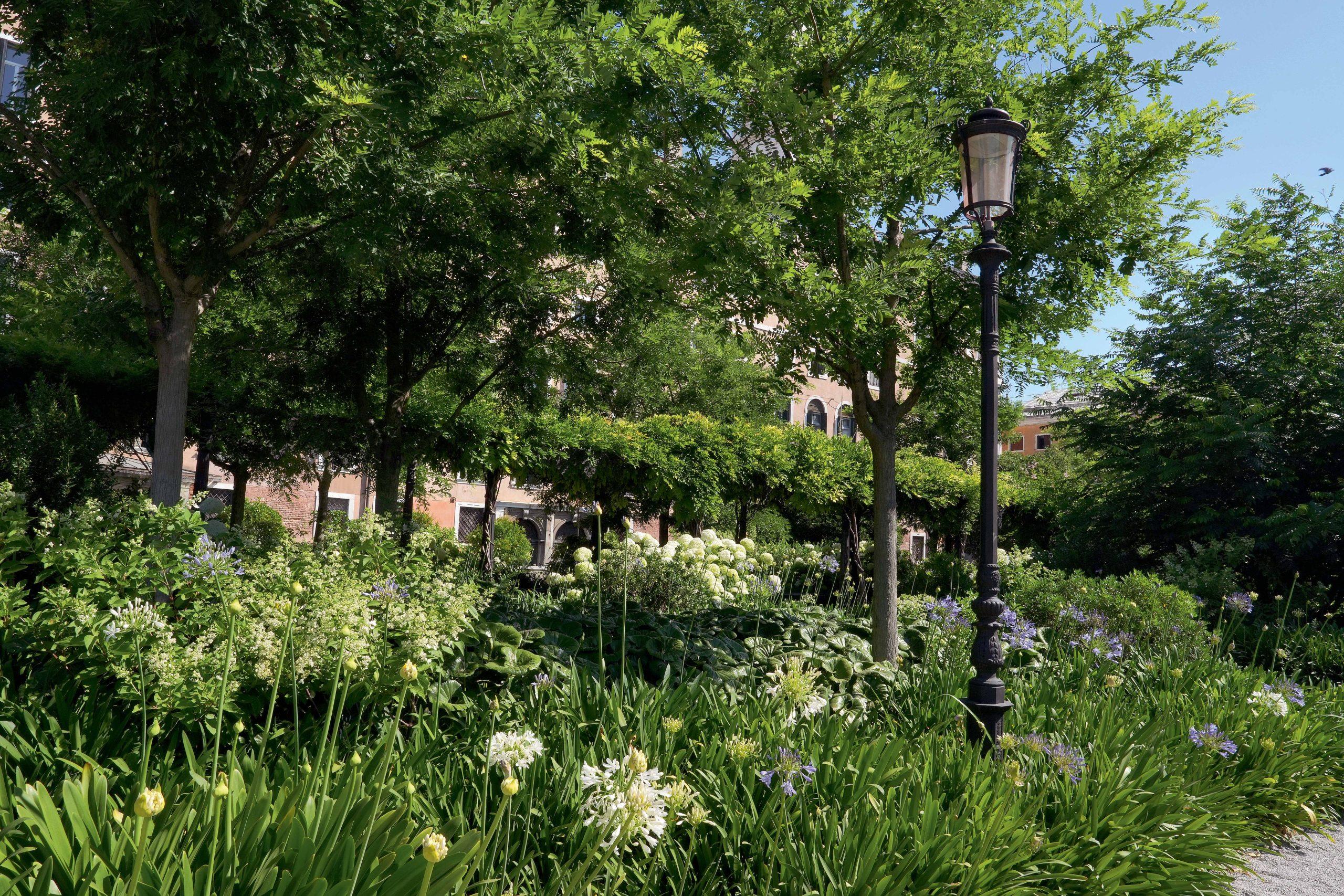
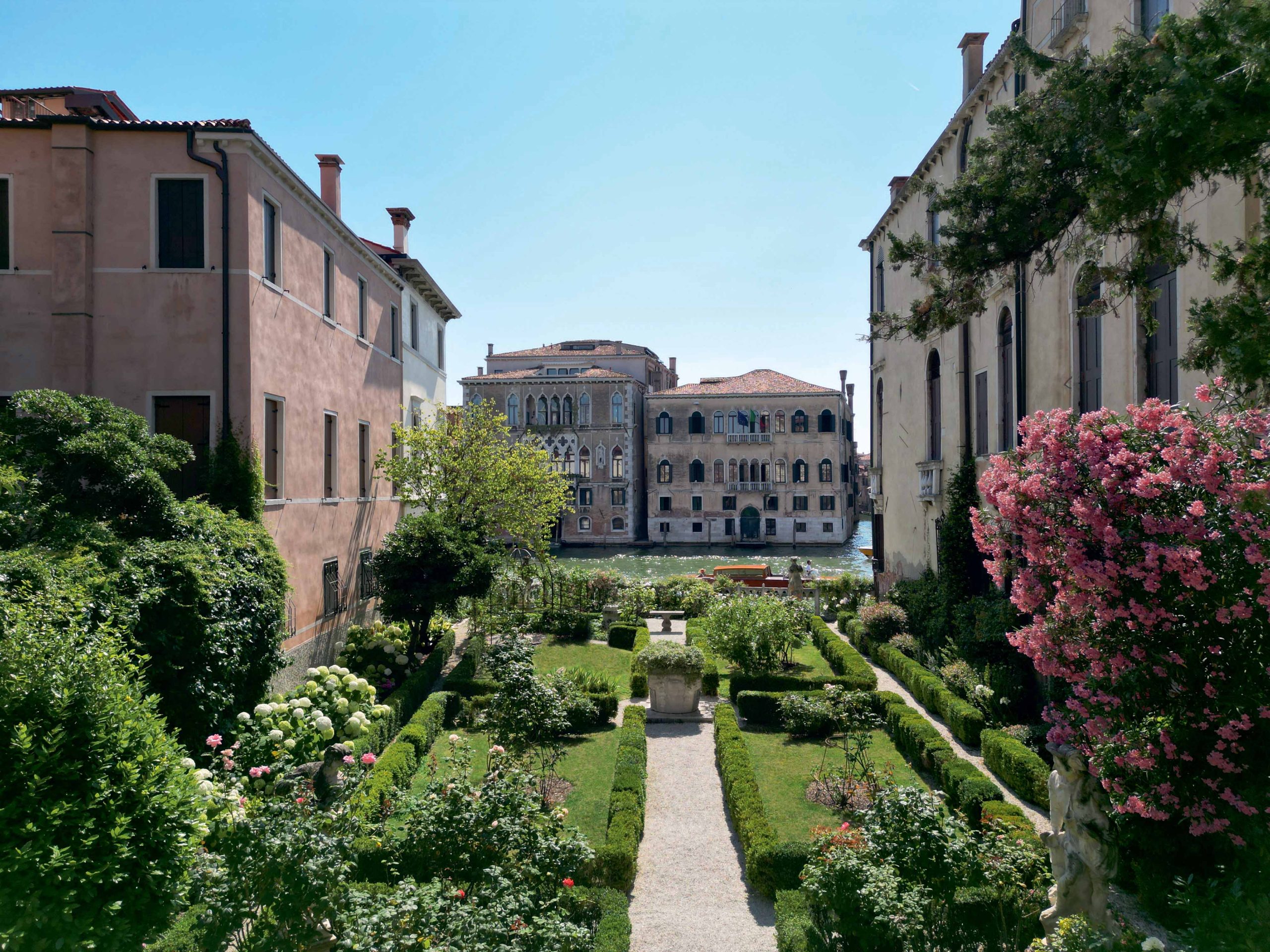
Exploring the concept of the garden is not easy, especially when it comes to a way of thinking rooted in the distant past. And yet, the three-volume work by Franco Giorgetta succeeds in this task, offering readers a series of documentary accounts spanning from the 16th century to the present day
The research presented in this book traces the history of the garden, or rather the history of the concept of the garden, through original printed sources, from 1500 to the present day.
A history that is intriguing in both its well-known and lesser-known aspects. The journey winds its way through more than three hundred works and authors, spanning five centuries, and is divided into three parts, spread across three volumes: the first includes and comments on texts and collections of prints from the 16th and 17th centuries, the second is devoted entirely to the 18th century, whilst the last covers the 19th and 20th centuries.
The purpose of this study is therefore the main printed sources dealing with the garden and the concept of the garden, in which the authors’ thoughts ‒ whether theoretical, technical, descriptive, poetic or philosophical ‒ expressed in prose, poetry or images, reaches us in its entirety, unlike the real garden, vanished in time, of which we are left with only the archaeological remains of layouts and silent architectural elements, moss-encrusted stones, and fountains that only in a few cases have had water flowing once more thanks to a compassionate hand.
But those gardens were also, and above all, made up of other things: flowers, scents, the music of water, the joy of life, the flight and song of birds… None of this is preserved in our so-called historic garden, nothing that can convey to us the true sense and meaning, the emotion of poetry, the idea that the creators of those gardens wished to express in their works, which we find instead intact in their writings, in which the authors directly expressed their ideas and the living spirit of their era.
In the gardens, the physical structures remain, but the central poetic idea ‒ and its meanings ‒ quickly faded as the flowers withered, which no one has replaced, nor will replace; as the trees age and die, which no one will replant; and, along with them, as the gentle dance of butterflies and the swift flights of birds come to an end with the first winter. The stones remain, motionless and silent, severed from the complex semantic framework that bound them in a unity of meaning to that which constitutes the garden’s true structure and poetic nature: the plants, the flowers, the elements of nature; and so the garden sinks into age-old silence, stripped of its most significant elements, the symphony of colours fades and the music of the flowers dies away.
The series of books described here is not merely an annotated thematic bibliography; through the comments ‒ albeit brief ‒ on each work presented, or the extracts ‒ unfortunately very brief ‒ from the texts, it guides the reader along a path that allows one to observe the garden and its meanings ‒ sometimes obvious, sometimes hidden and mysterious ‒ and the transformations it has undergone over time, made visible through their primary and authentic sources: the documents to which the authors entrusted the transmission of their thoughts ‒ be they creative, critical or chronicle-like ‒ which reach us unaltered, unlike the physical works themselves. Thus, a garden of books emerges within the book, a mirror and double of the real garden, in many cases more concrete and intriguing than the reality of things themselves, which fade away over time.
Franco Giorgetta
BIO
Franco Giorgetta, a landscape architect with a passion for plants, flowers and gardens, founded and directed the Postgraduate Course in Landscape Architecture at the Faculty of Architecture of the Politecnico di Milano. He has produced numerous writings and exhibitions, including: I boschi della Valtellina sono i Giardini Pubblici di Milano, Elogio della robinia, Sulla necessità di eliminare i giardini storici, an essay on the issues surrounding garden restoration for the Milan Superintendency; the exhibition I boschi di Maria Teresa at the 18th Milan Triennale, as well as those organised with Virgilio Vercelloni at the Castello Sforzesco (Erbacce in mostra, Tulipani in mostra, Camelie in mostra, Rose in mostra). A life member of the Royal Horticultural Society and the Alpine Garden Society, he also sits on the Board of the Lombardy Horticultural Society and on the Jury of the Monza International Rose Competition. (Unfortunately, the rose garden has not hosted any competitions for a few years now).
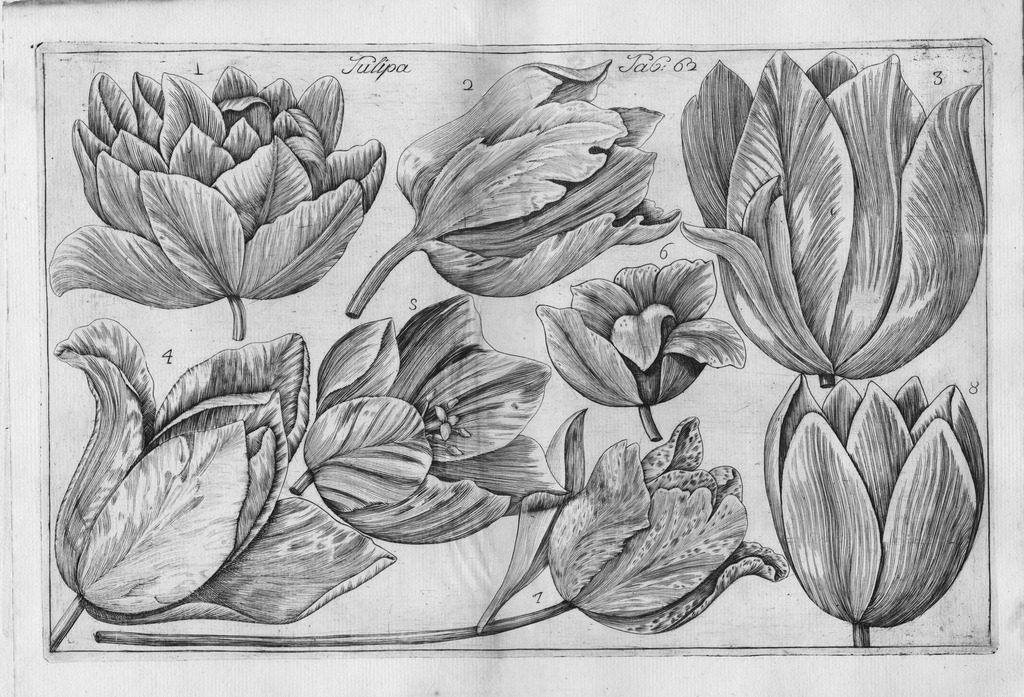
Filippo Arena, La Natura, e Coltura De’ Fiori, Palermo 1768, tavola 52 Tulipa, p. 224 (vol I)
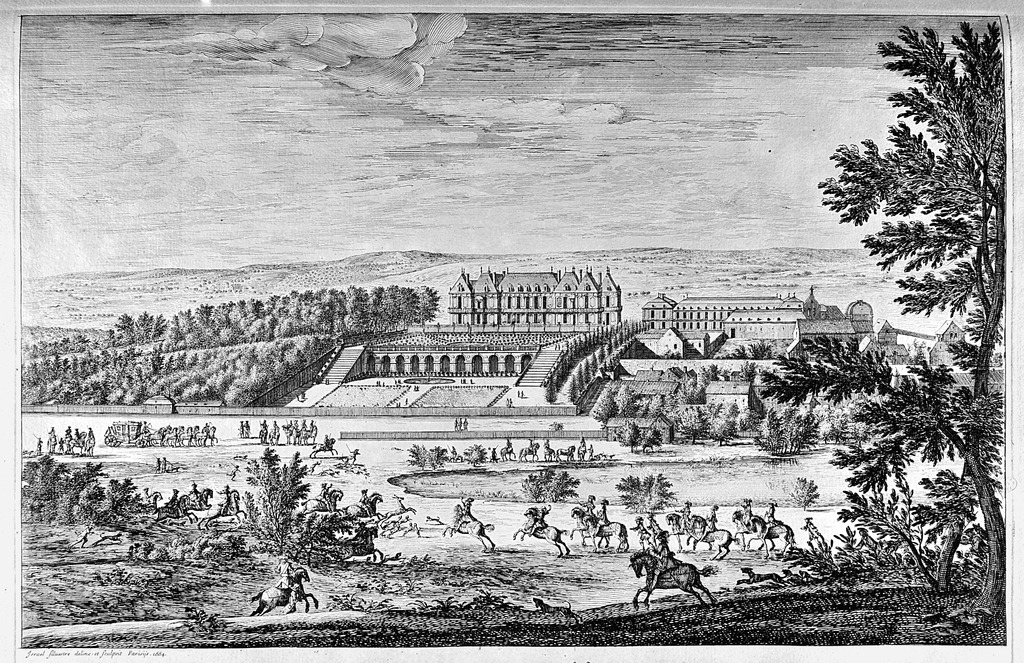
Israël Silvestre, Versailles, 1664. Veüe du costé de l’Orangerie, p. 279 (vol I)
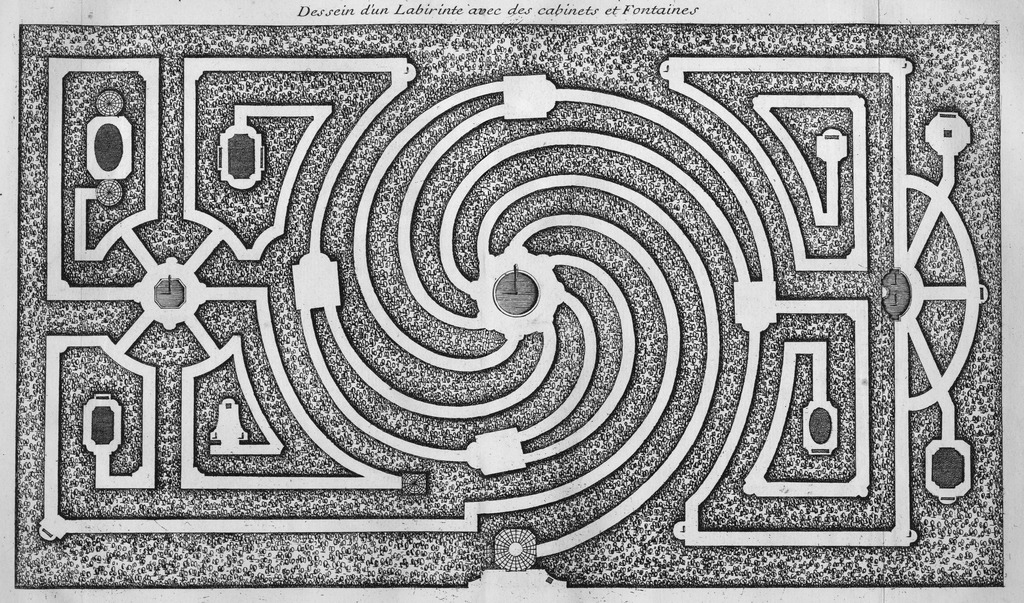
Antoine-Joseph Dézallier d’Argenville, La Theorie et la Pratique du Jardinage, 1709. Dessein d’un labirinte, p. 48 (vol II)
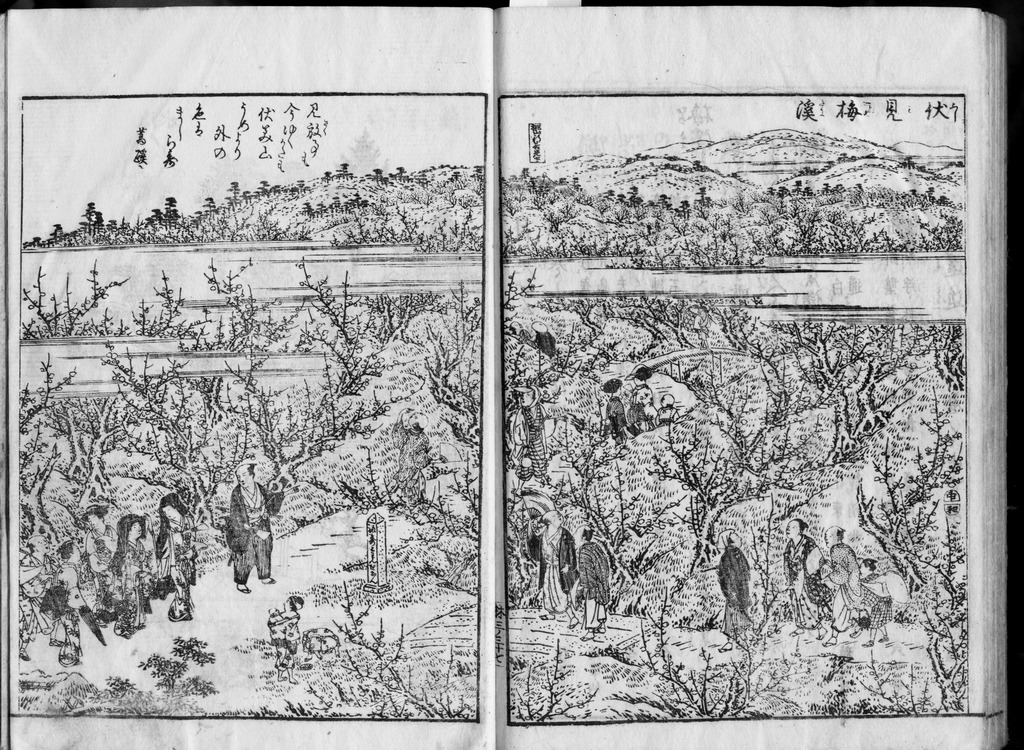
Akisato Ritō, Miyako Rinsen Meishō Zue, p. 128 (vol II)
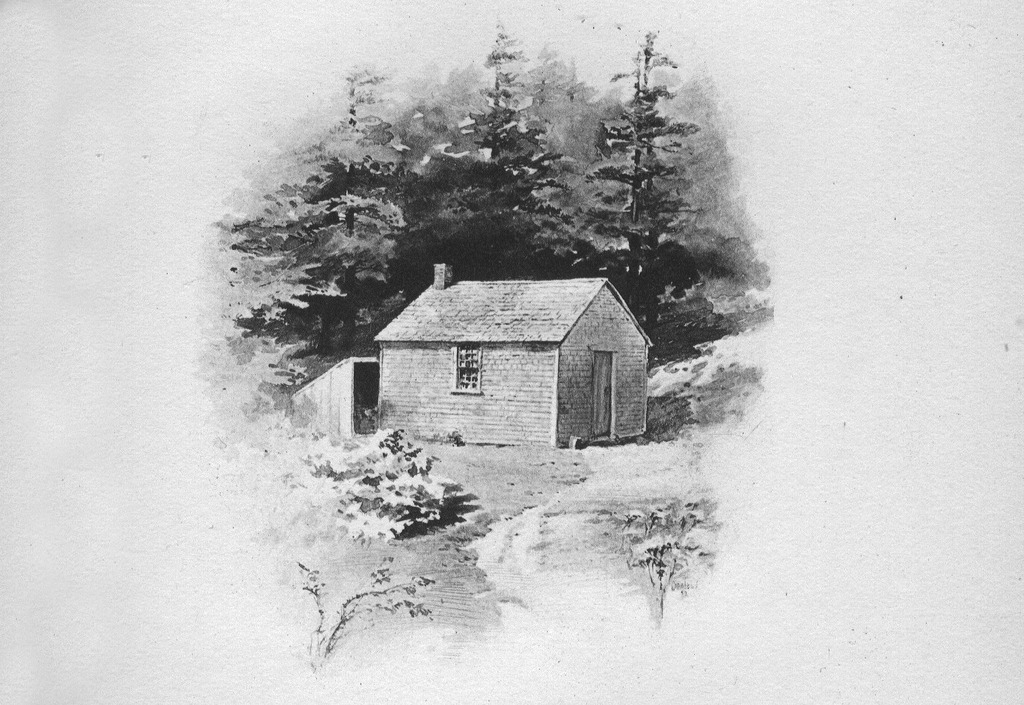
Henry David Thoreau, Walden, or Life in the Woods, 1897 edition. The cabin in the woods at Walden, p. 135 (vol III)
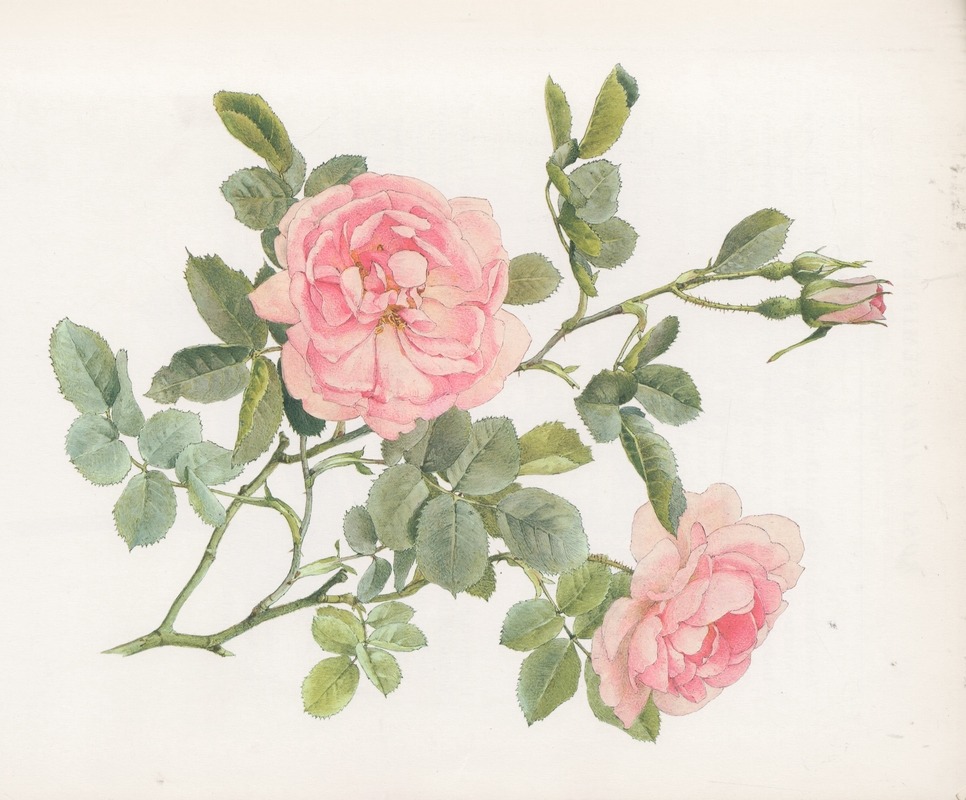
Ellen Ann Willmott, Genus Rosa, 1910-1914. Rosa x alba “Celeste”, watercolour by Alfred Parsons, p. 310 (vol III), cover photo


Related Articles