


An artist who brings classical faces and features to life in paintings that are highly material and contemporary, Luca Pignatelli uses classicism as a lens through which his work engages with that of Robert Mapplethorpe. While awaiting the second chapter of the exhibition trilogy dedicated to the celebrated photographer, hosted at the Palazzo Reale in Milan
Robert Mapplethorpe’s and my themes are not always similar or overlapping, but a central and, in a certain sense, regulating theme concerns the approach to an architecture ‒ in Mapplethorpe’s case, that of the body, in mine, that of the face ‒ that harks back to a distant aesthetic, continually manipulated and thus rendered ultra contemporary.
There is a formal moment in Mapplethorpe, namely the construction of a monument through delicacy, poetry, and his instinct to refine forms, that brings him closer to certain aspects of classicism, understood as order; spiritual value determined by repetition and by forms that become exact. In Mapplethorpe, I see the fusion and encounter of the Apollonian and the Dionysian. In my work, contamination occurs through an aesthetic of matter ‒ the choice to use materials that have always had a different existence, such as train tarpaulins, sheet metal, hemp, arises from the desire to give them new life by changing their intended use. I look to recent archaeology, while Mapplethorpe was perfectly immersed in 1980s New York. There’s also a glamorous component that recalls Helmut Newton, a fashion photographer and creator, like Mapplethorpe, of a mysterious, psychoanalytic world tied to the sexualization of the body. For Mapplethorpe, this sexualized body isn’t simply a method of emancipating the body itself, especially the male one. His gestures are never charged with vulgar sexuality; they become almost taxonomic, anatomical, even in the most gruesome scenes. These are encounters of organs: his clearly emancipated vision has nothing to do with the commercialization of the sexualization of a body. He preserves a cool, almost healing essence, as if it were a sieve capable of filtering.
Classical beauty, which often represents order, has a destabilizing effect: everything is brought back within this aura. Then there are flowers, which I love dearly and which are the fruit of a highly successful attempt at humanization. Flowers emanate a pulse that has to do with the human body. In my work, the material is rough, harking back to the world of Rauschenberg, Burri, Fontana, to what in the twentieth century broke away from the academicism of the smooth and perfect canvas. Tears, additions, and stitching have happened, and I tend to represent figures from the fourth century, such as the muses, on canvases that bear stitching, revisions, interventions, and sutures. They are bodies that come from a distant time, but bear the marks of their translation into painting. For the last fifteen years I have used a partly mechanical system, an evolution of Warhol’s silkscreen: with liquid inks, I can transfer images onto the canvas in an attempt to transform sculpture ‒ the same sculpture that Mapplethorpe photographed ‒ into a painting through photography. Every translation generates changes and enriches. I therefore feel close to Mapplethorpe, even if there are substantial differences.
Returning to the idea of form as monument, Mapplethorpe uses the body as a formal monument, while I work on the monument as the body of history. What interests me is the stratification of this history: I reflected on how much of history was almost in a state of reclusion, in art history books, in museum storage. For me, it’s important to bring all this to life in a sort of circular, non-periodic time, permeated by spirituality.
Luca Pignatelli
BIO
Luca Pignatelli (Milan, 1962) is one of Italy’s leading contemporary artists. He is known in Italy and around the world for a pictorial practice based on a process of appropriation and iconographic reworking of history, art, and architecture, in keeping with the principle of the “sedimentary growth of history”.
Since his debut in 1987, the artist has amassed a diverse archive of memorable, collective, and universal images, recognizable artifacts and figurative signs from ancient and modern eras, testaments to classical civilizations and industrial progress up to the contemporary era. Classical statuary, natural and urban landscapes, World War II airplanes, and steam trains, chosen by the artist as icons of a personal “catalogue of the West”, thus become the recurring subjects of his works, reproduced on notoriously poor and recycled media through a continuous combination of temporal and material alterations. The temporal stratification evident in his paintings aims to find a common language that is as accessible today as it was in the past, as well as to question the aesthetics and content of artistic progress to reveal its timelessness.
To date, Pignatelli has exhibited in numerous solo and group shows in both public museums and galleries, immediately garnering the attention and recognition of leading critics, academics, art historians, and the press. Major exhibitions include: the XII Quadriennale exhibition in Rome (1996); the 53rd International Art Exhibition La Biennale di Venezia, Italian Pavilion (2009); the National Archaeological Museum of Naples (2009); MAMAC – Musée d’Art Moderne et d’Art Contemporain, Nice (2009); National Institute for Graphics, Rome (2011); Museo di Capodimonte, Naples (2014); GAM – Civic Gallery of Modern and Contemporary Art of Turin (2014); Uffizi Gallery in Florence (2015); Gran Teatro La Fenice in Venice (2017); Stefano Bardini Museum in Florence (2019); New York Historical Society (2022); MUSEC – Museum of Cultures in Lugano (2023) and Glyptothek in Munich (2024).
INFO
Robert Mapplethorpe. The Forms of Desire
29 January ‒ 17 May 2026
PALAZZO REALE
Piazza del Duomo 12, Milano
https://www.palazzorealemilano.it
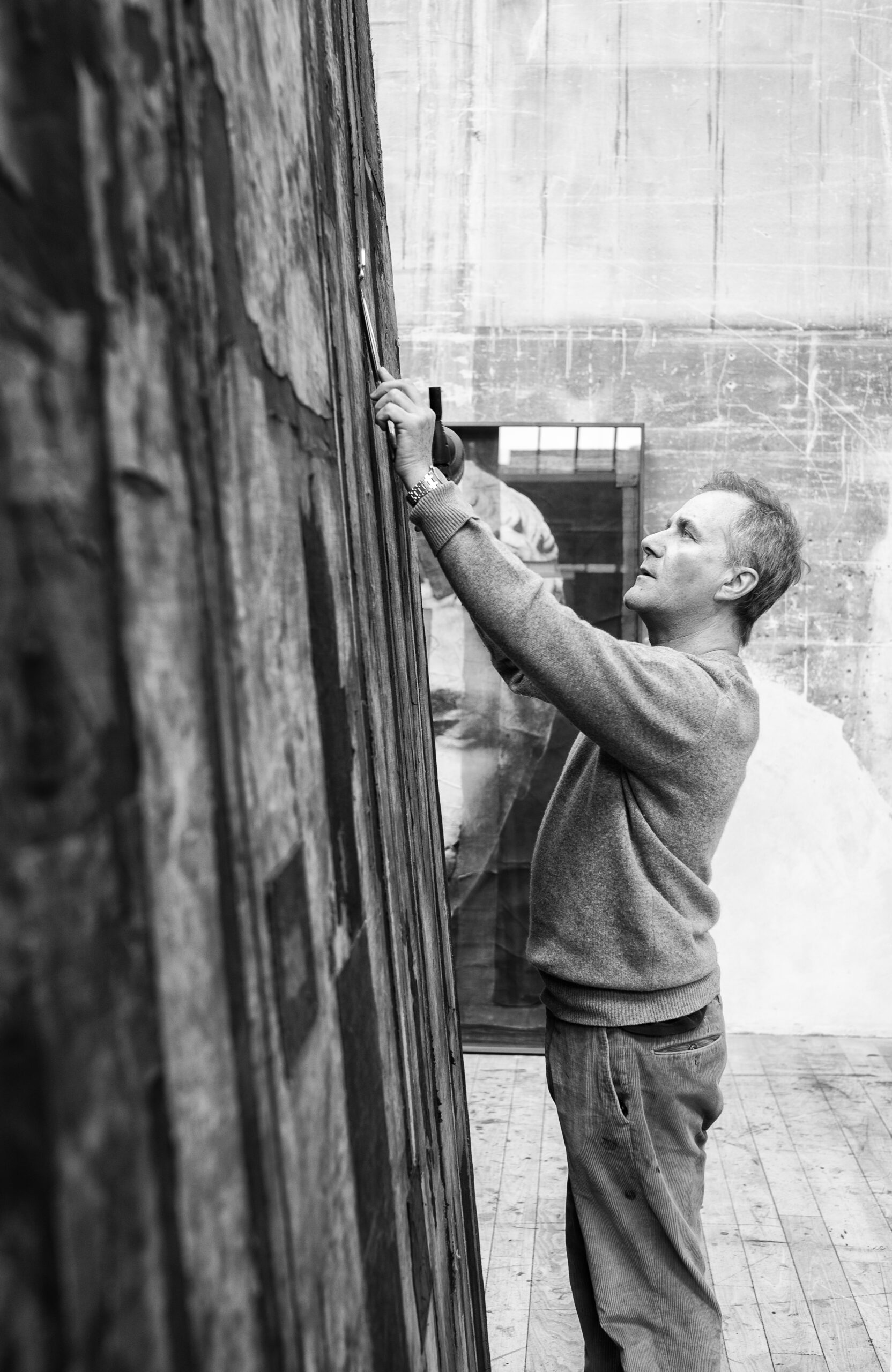
Luca Pignatelli. Photo Giuseppe Anello
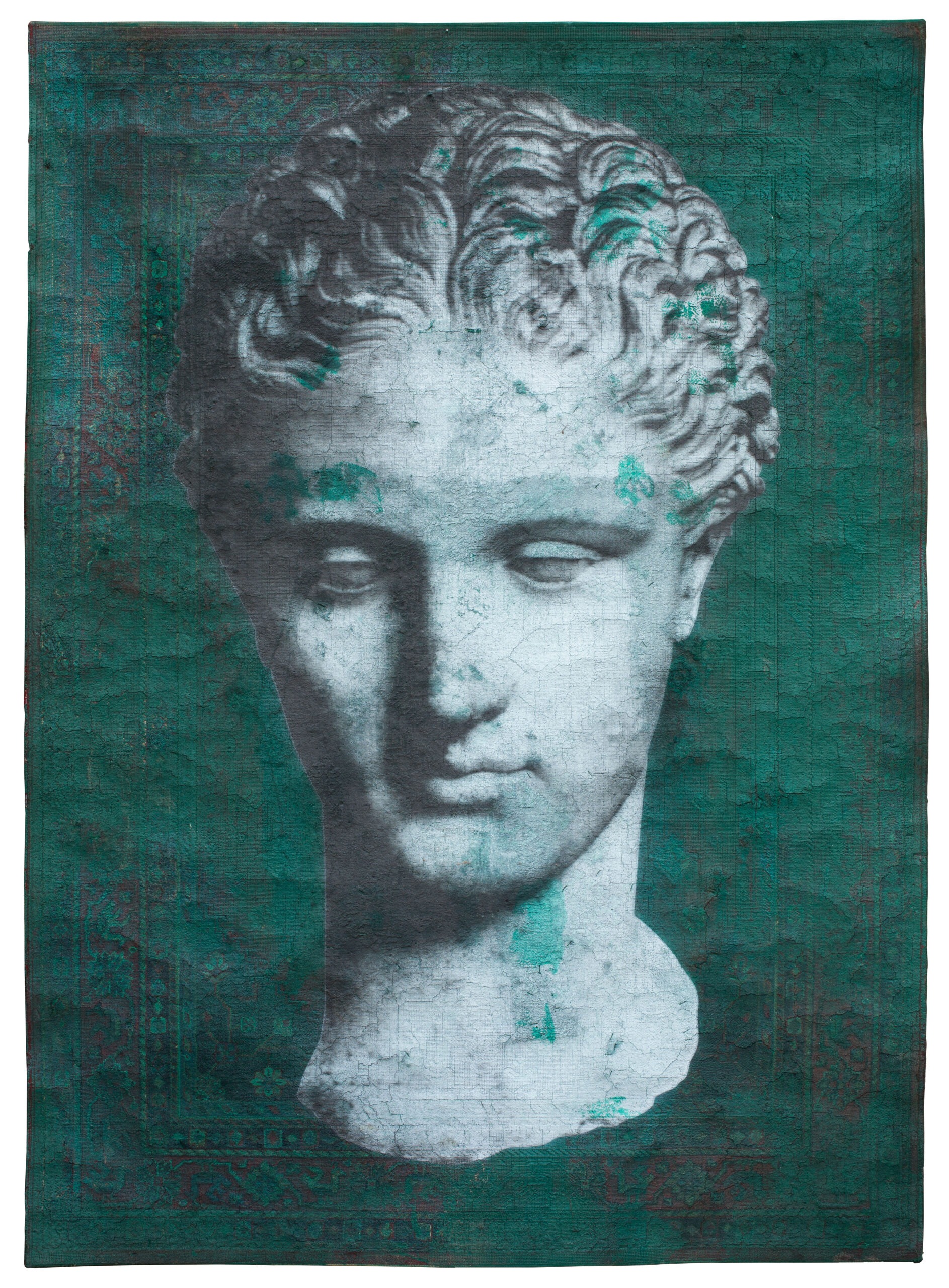
Luca Pignatelli, Testa femminile, 2020, mixed media on carpet, 228×165 cm
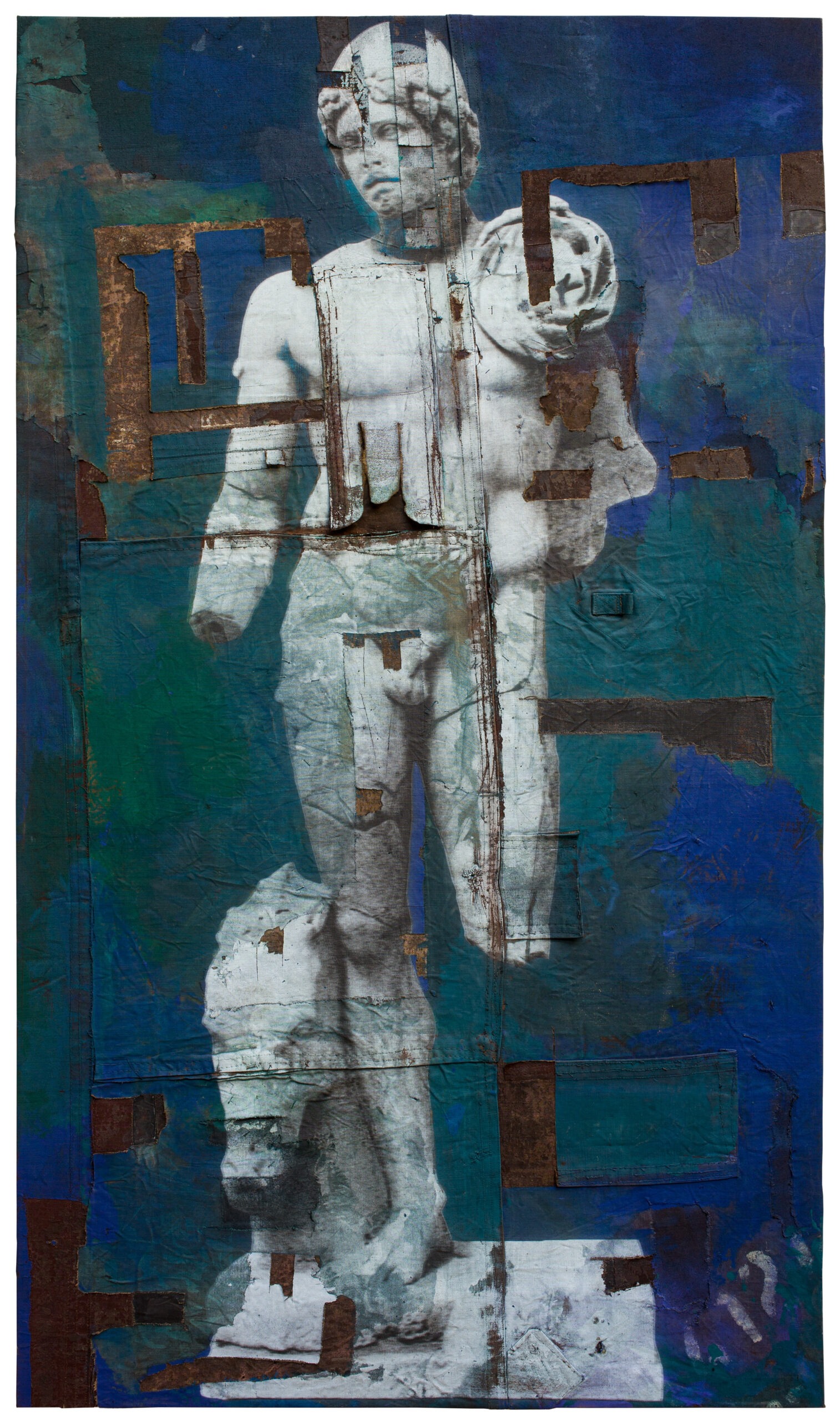
Luca Pignatelli, Dioscuro di Leptis Magna, 2020, mixed media on train tarpaulin, 227×130 cm
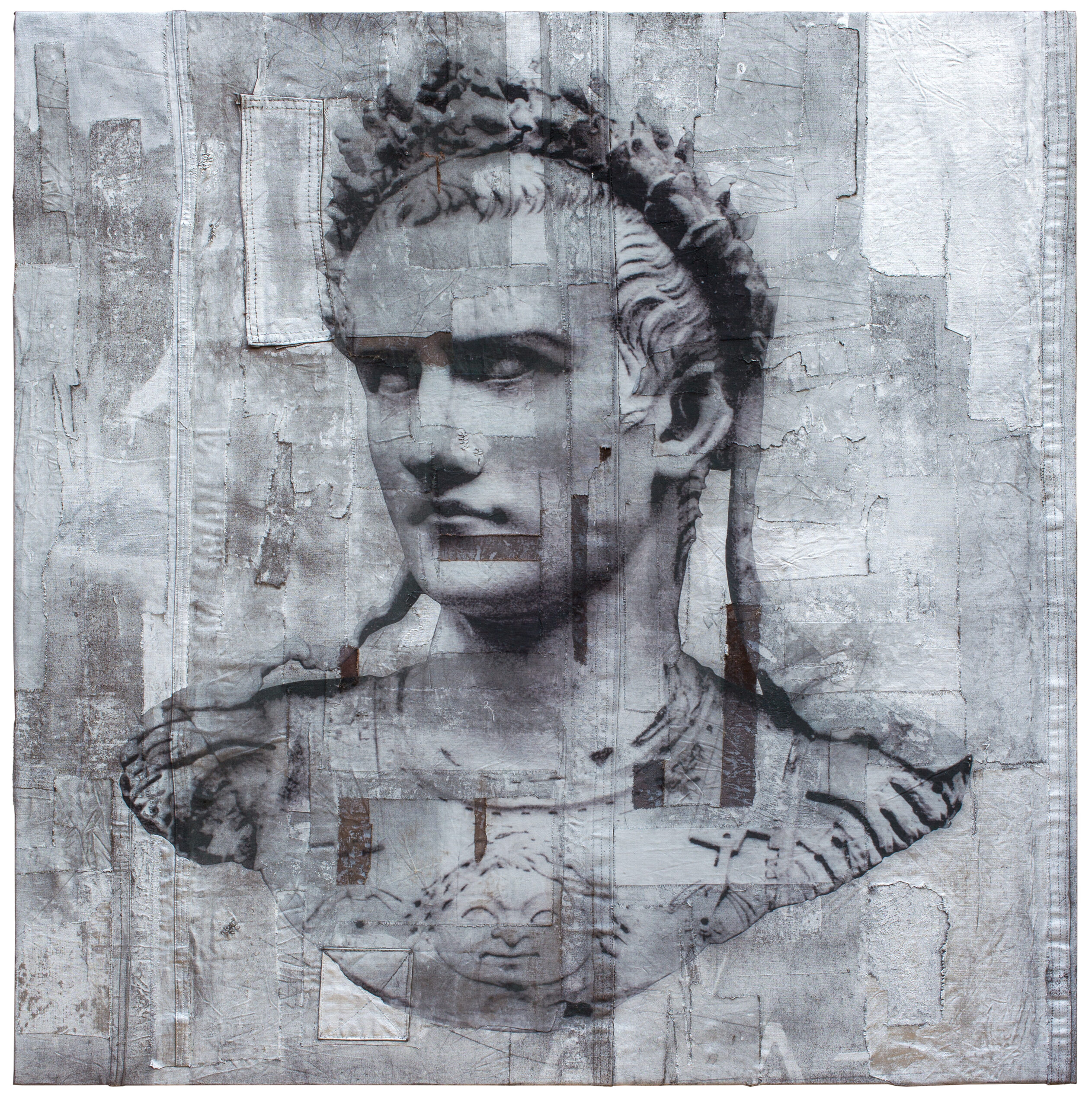
Luca Pignatelli, Caligola V, 2021-2022, mixed media on train tarpaulin, 210×210 cm
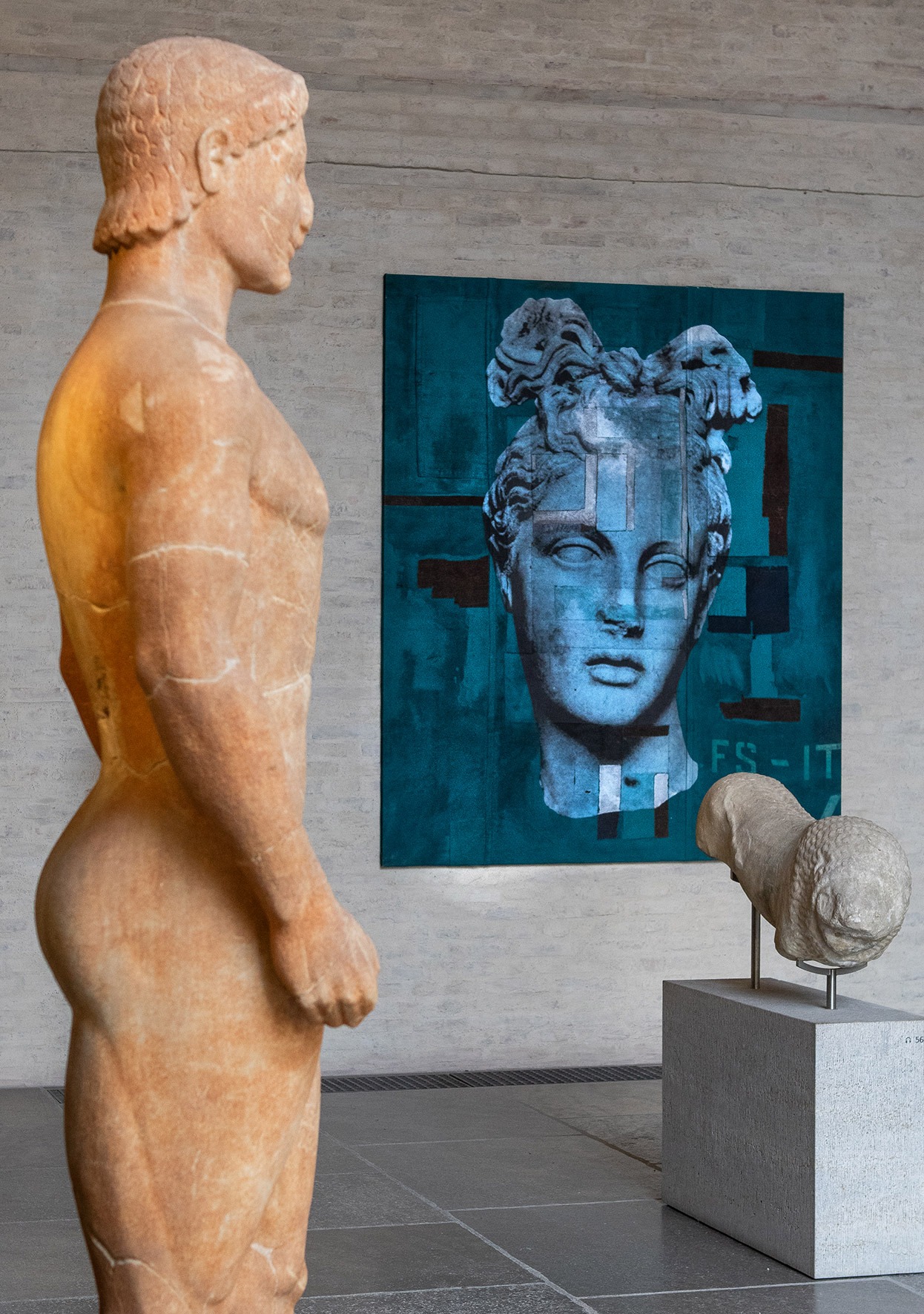
Muse. Luca Pignatelli in der Glyptothek, Munchen, installation view
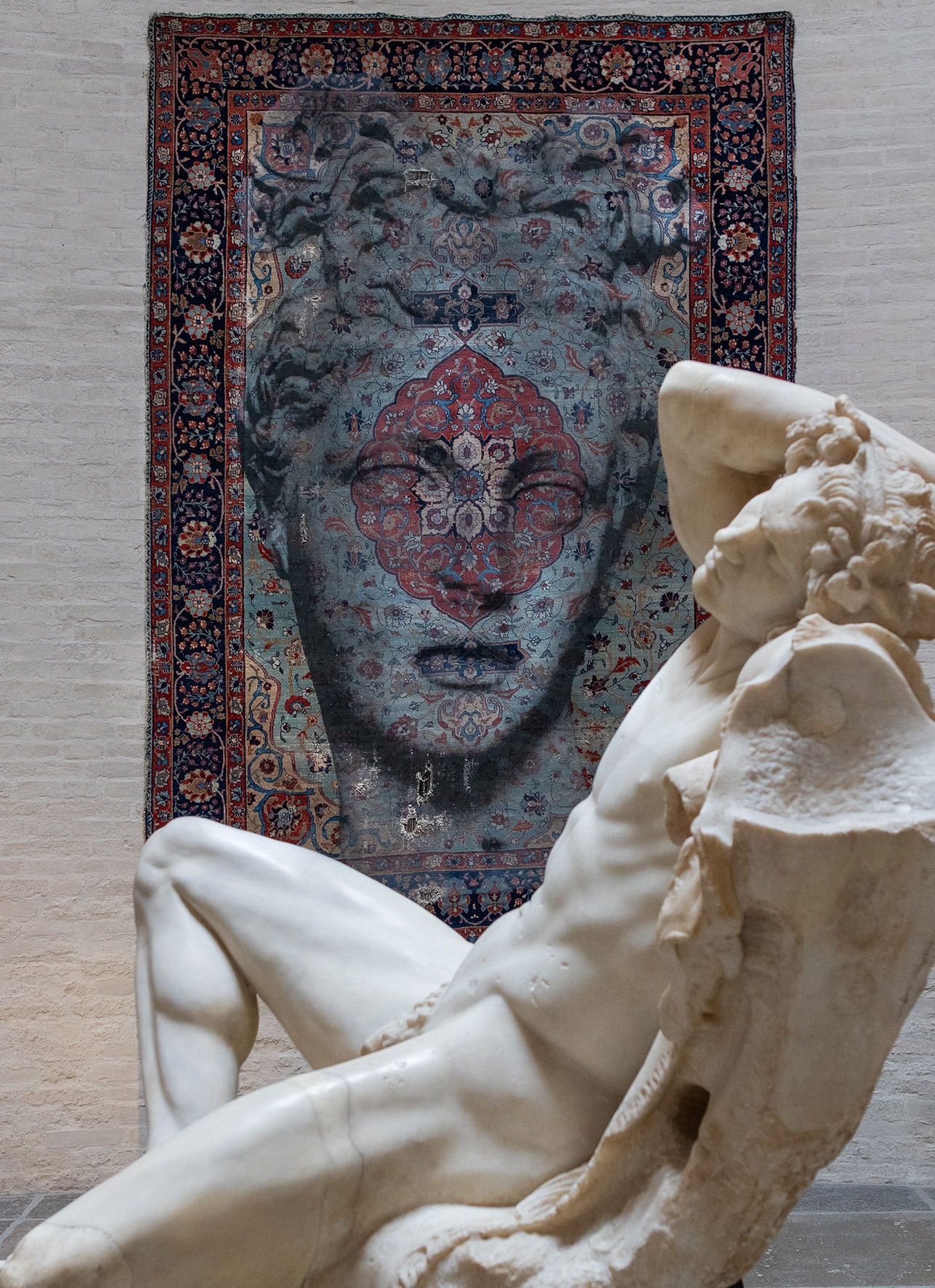
Muse. Luca Pignatelli in der Glyptothek, Munchen, installation view
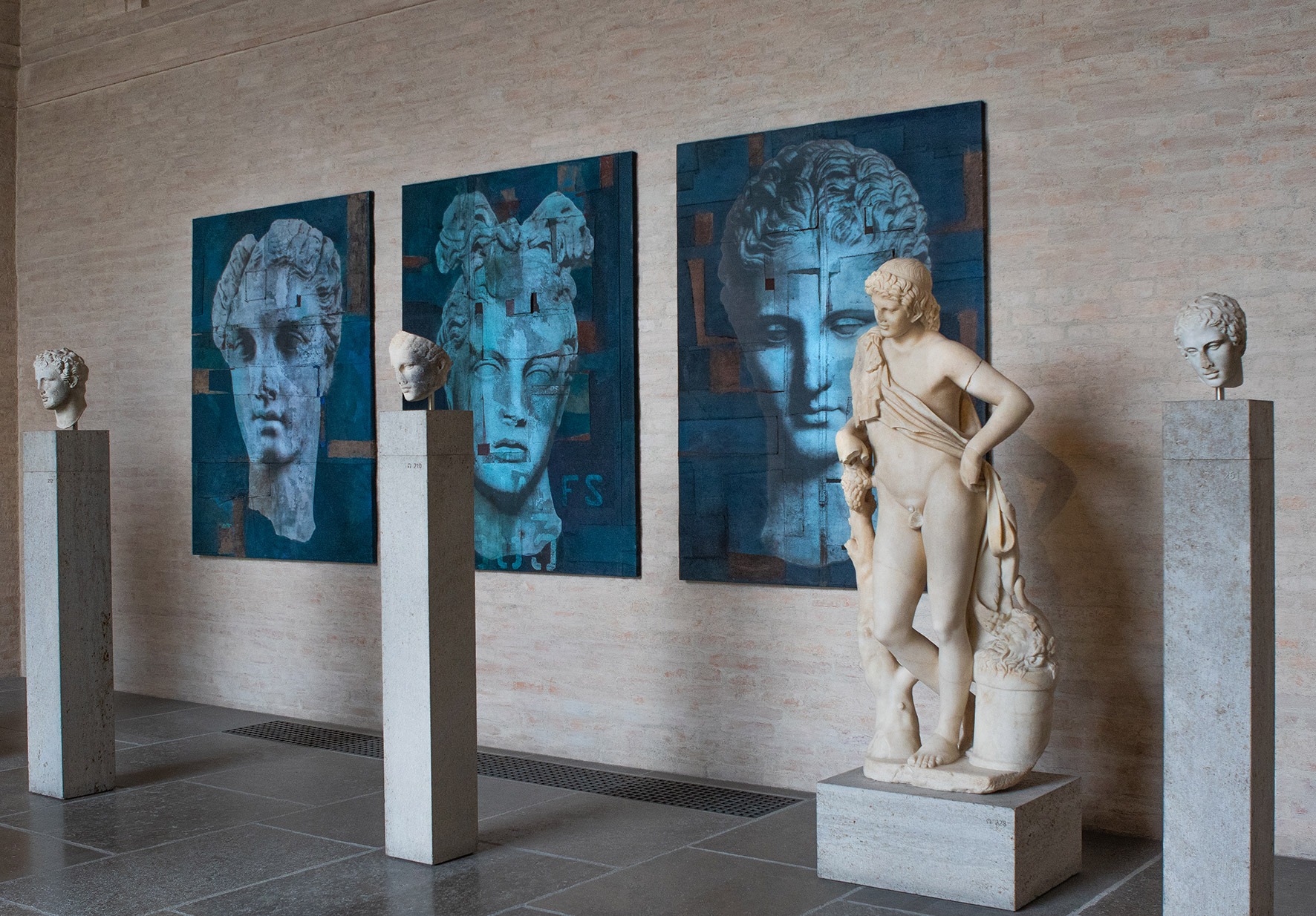
Muse. Luca Pignatelli in der Glyptothek, Munchen, installation view
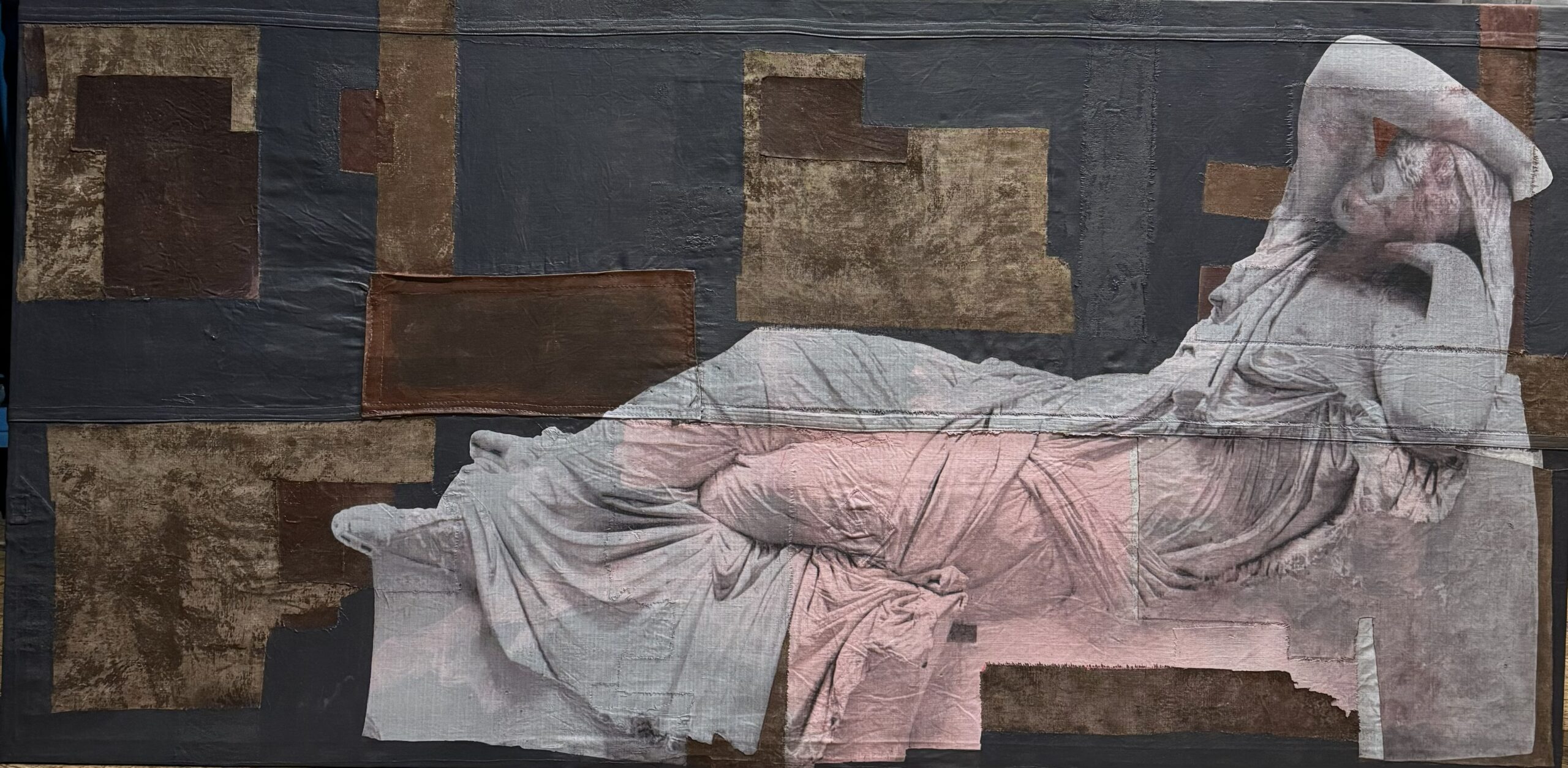
Luca Pignatelli, Arianna, 2025, mixed media on train tarpaulin, 150×300 cm (cover photo)
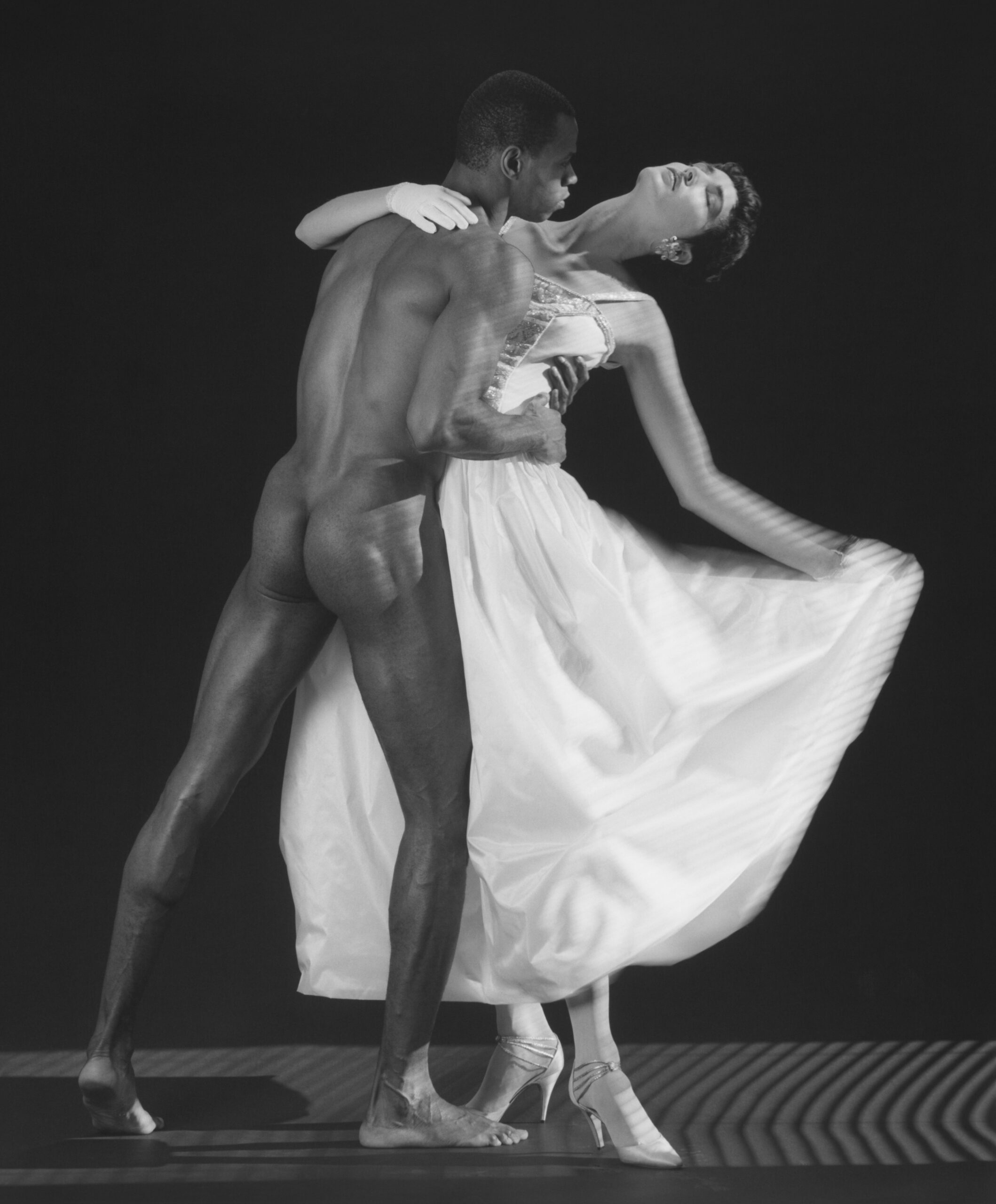
Thomas and Dovanna, 1986 © Robert Mapplethorpe Foundation. Used by permission
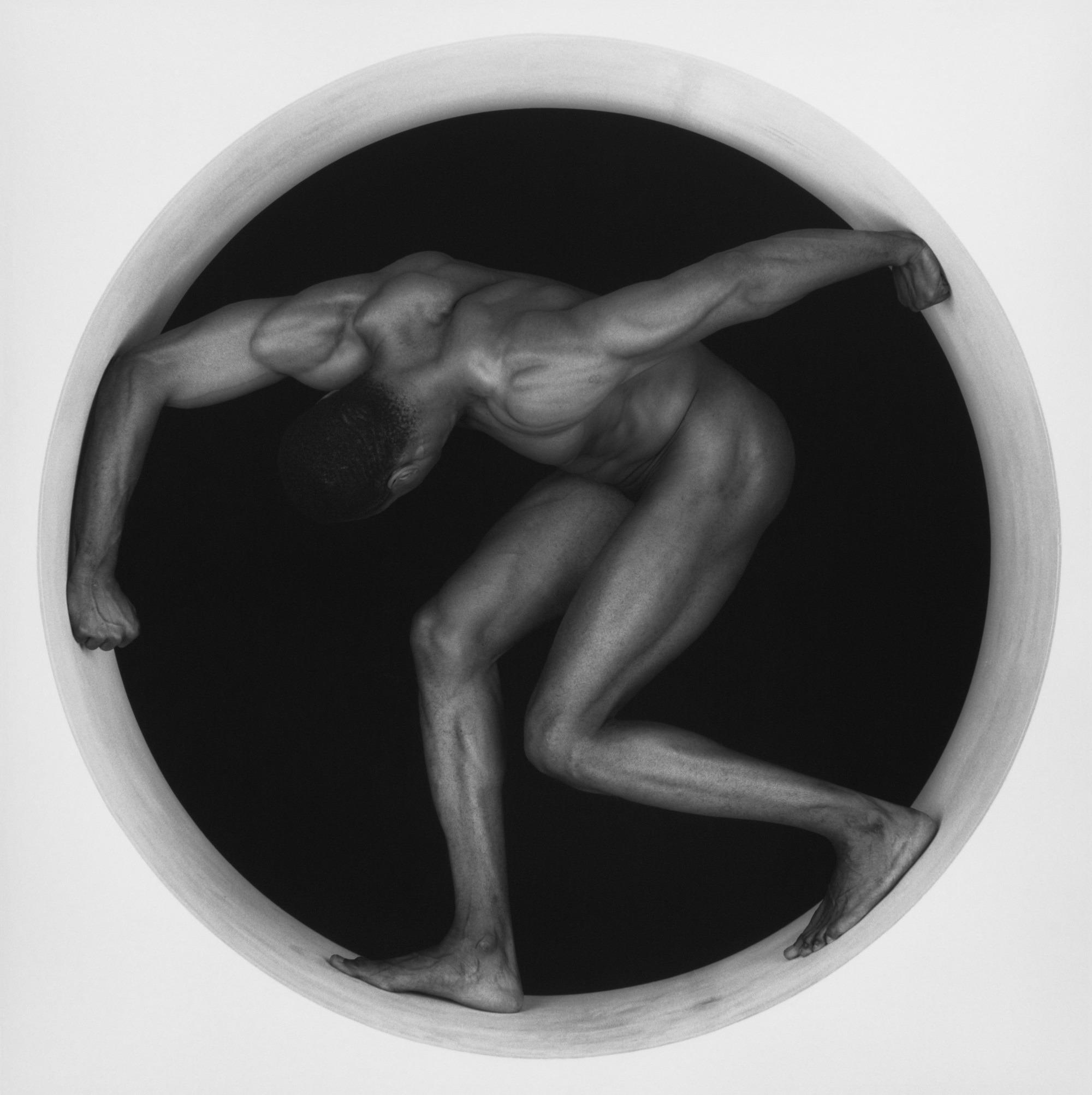
Thomas, 1987 © Robert Mapplethorpe Foundation. Used by permission


Image captions:
Luca Pignatelli. Photo Giuseppe Anello
Luca Pignatelli, Testa femminile, 2020, mixed media on carpet, 228×165 cm
Luca Pignatelli, Dioscuro di Leptis Magna, 2020, mixed media on train tarpaulin, 227×130 cm
Luca Pignatelli, Caligola V, 2021-2022, mixed media on train tarpaulin, 210×210 cm
Muse. Luca Pignatelli in der Glyptothek, Munchen, installation view
Luca Pignatelli, Arianna, 2025, mixed media on train tarpaulin, 150×300 cm (cover photo)
Thomas and Dovanna, 1986 © Robert Mapplethorpe Foundation. Used by permission
Thomas, 1987 © Robert Mapplethorpe Foundation. Used by permission
Related products
Related Articles

