Published by Marsilio Arte and edited by the artistic duo Penzo+Fiore ‒ comprising Andrea Penzo and Cristina Fiore ‒ the volume “The contemporary in glass. Berengo Studio, Murano, the Venice Biennale” chronicles the history of Berengo Studio, an extraordinary hub of collaboration between master glassmakers and artists on the island of Murano. The Penzo+Fiore duo themselves guide us through the book’s pages
The contemporary in glass was born with the intention of giving clear and concrete contours to the experience of Berengo Studio, situating it within the vast, complex web of factors that ‒ over the years ‒ have made it so unique and significant as to become a subject of international renown.
For one thing, there is the visionary, multifaceted personality of Adriano Berengo ‒ a figure who, revealed through extensive conversations and interviews, takes shape in all his complexity thanks to deeply narrative texts. Then there is Murano ‒ the glassmaking island that serves as the backdrop for this entire story; no mere setting, but a community rich in accumulated intangible knowledge, a promise of a glorious past and, under the right conditions, a guarantee for the future. Finally, there is the Venice Biennale ‒ the queen of the lagoon’s art events, a site of both validation and conflict where the rituals and contradictions of contemporary art are laid bare; its constant experimentation and at the same time its use as a tool for determining value. All while tracing the works produced by Berengo Studio for the Biennale, from national pavilions to the central exhibition, and culminating in the monumental flower created by Maria Magdalena Campos-Pons for the 2026 edition. Added to this are the “Biennale artists”, recipients of Golden Lions and other accolades, who have forged an ongoing relationship with Berengo Studio, such as Thomas Schütte, Tony Cragg, Monica Bonvicini, and Ai Weiwei.
The themes that come to the fore through this journey are numerous and often divisive: what is the relationship between art and craftsmanship? To what extent can an artist accept the mediation of a master craftsman in translating their idea into hot-worked glass? How can an artisanal district so deeply defined by its history open itself to the future? What has enabled Adriano Berengo to combine the costly operations of a glass furnace with a constant presence within the rituals of the contemporary art world? What added value can the name “Murano” bring to an internationally renowned artist, and what added value can an international artist bring to the name “Murano”? How did it come about that a glass furnace began producing exhibitions worthy of inclusion among the official events of the Biennale ‒ publishing catalogues, inviting curators, and engaging with art magazines and foundations across the globe?
Written from the perspective of those who experience Murano on a daily basis, this book not only seeks to clearly highlight the position Berengo Studio has secured within the global contemporary art landscape but also aims to offer further insights into the ongoing cultural debate surrounding these issues.
The result is a long tale in which anecdotes intertwine with critical insights, reconstructing what happens when the greats of the art world meet a material that is historically and culturally freighted with implications, like glass. It captures the choices, intuitions, and ability to navigate uncharted waters without losing one’s course that defined Adriano Berengo’s entire life’s journey. Throughout, the focus remains not on a past to be mourned, but on a future that seems like it’s just getting started.
Penzo+Fiore
BIO
Andrea Penzo and Cristina Fiore form an artistic duo that has been active since 1998 under the name Penzo+Fiore; both live and work in Murano. Their work intersects contemporary art, writing, relational practices, and the analysis of cultural processes associated with glass. In their projects, the material becomes a language, an archive, and a critical lens through which to examine memory, economics, and social transformation. For years, the duo has dedicated artworks, texts, and theoretical inquiries to local cultures and the layers of meaning they hold in the contemporary world.
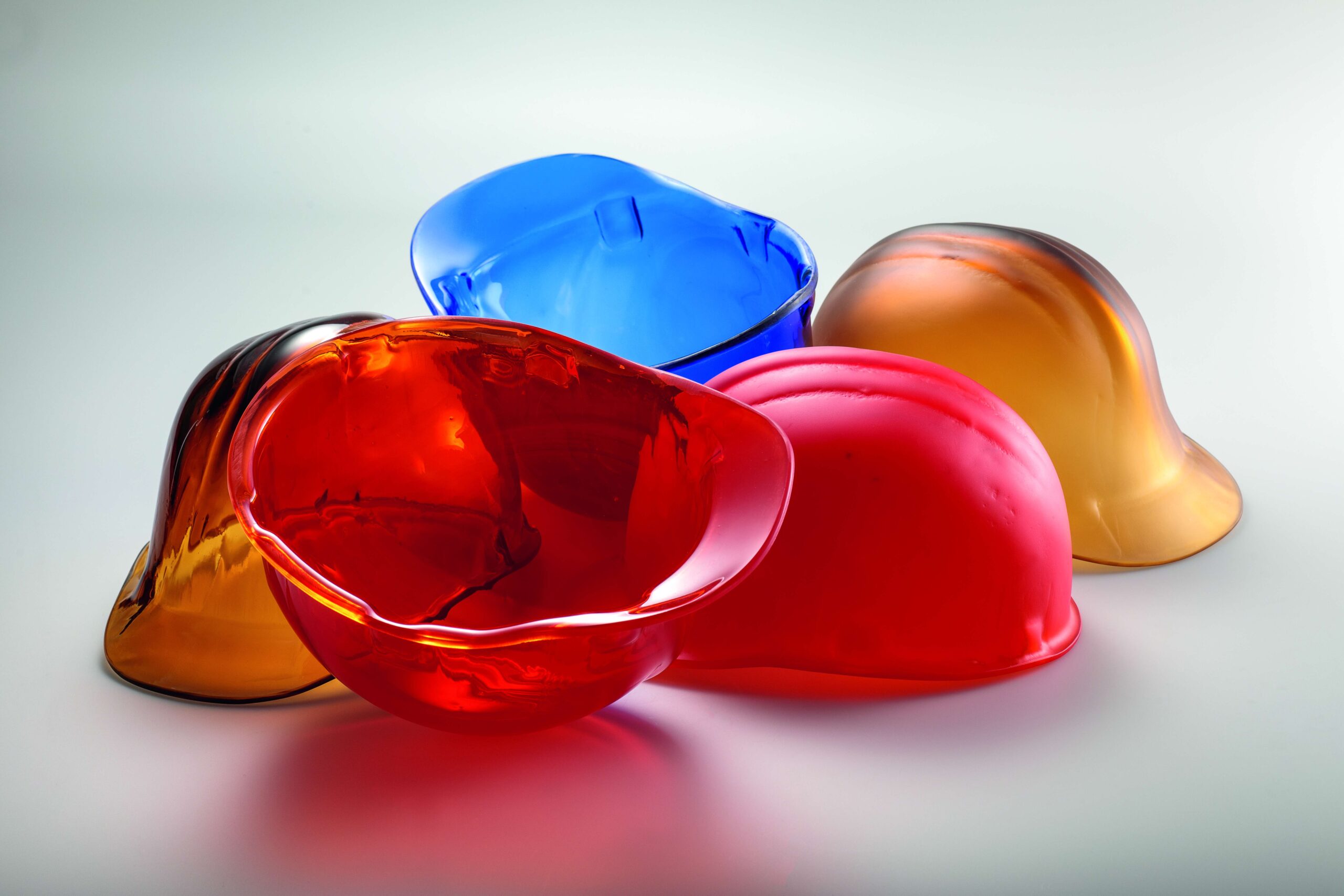
Ai Weiwei, Glass Helmet, 2022
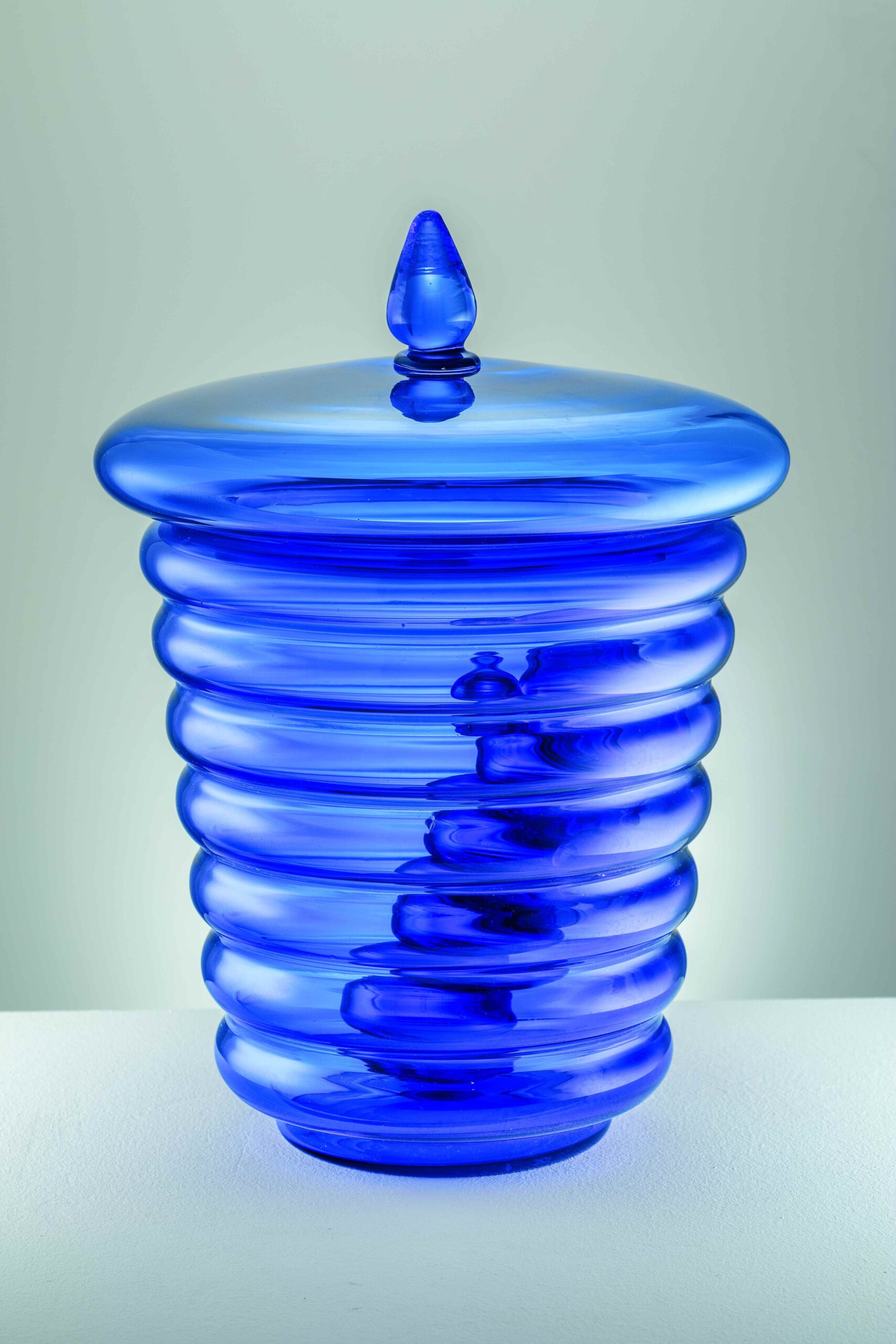
Thomas Schütte, Urn, 2023-2024
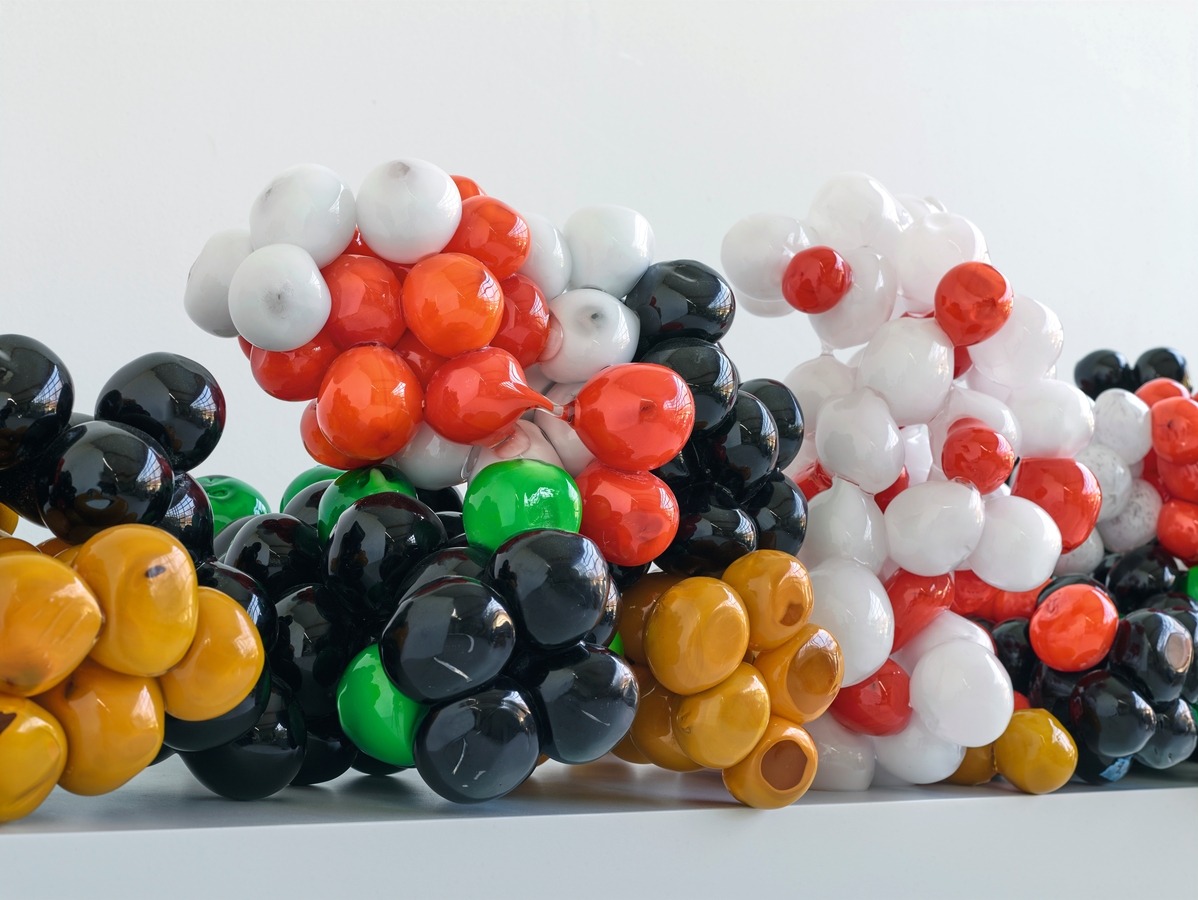
Tony Cragg, Elements, 2026. Courtesy Tony Cragg. Photo Michael Richter
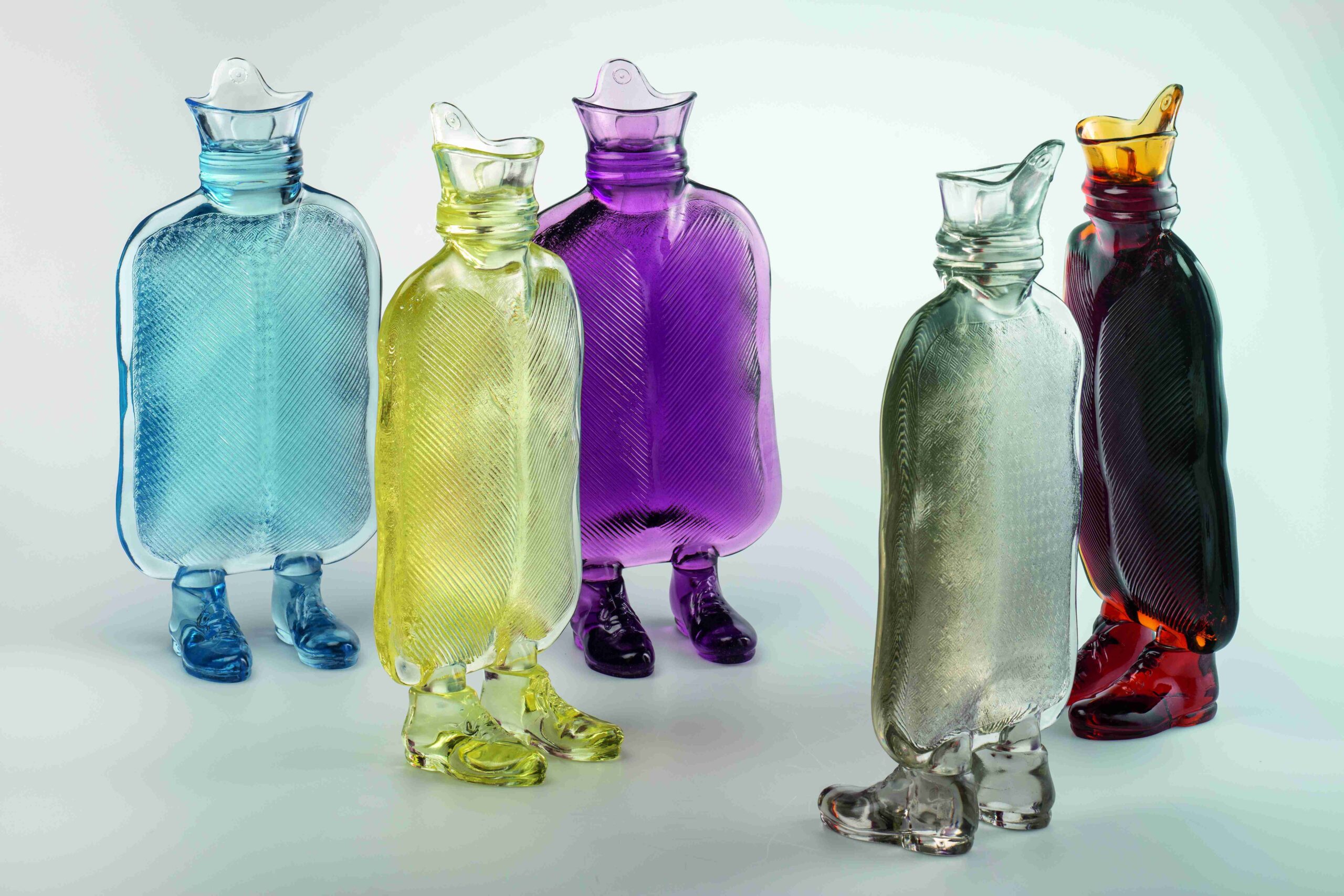
Erwin Wurm, Mutter, 2016-2018 (cover photo)
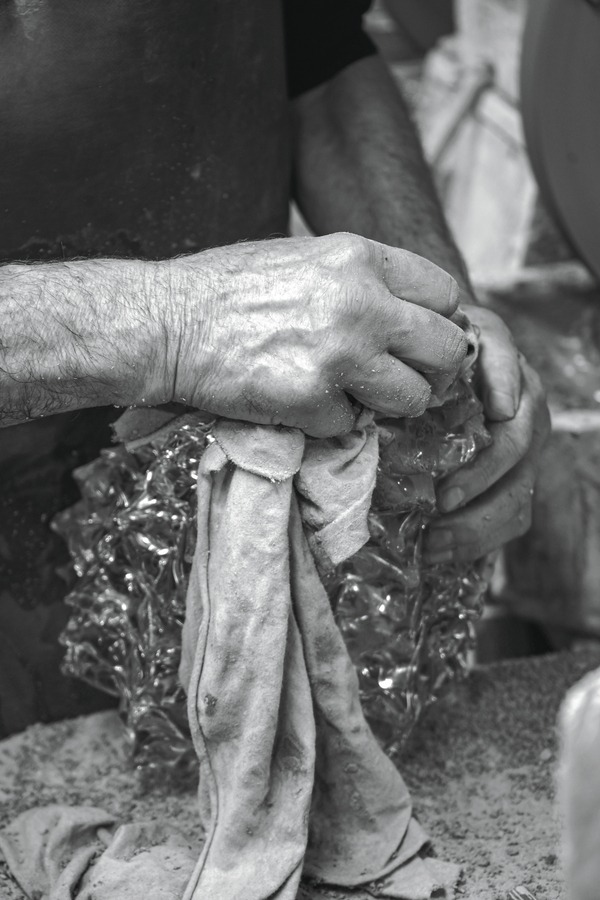
Giacomo Barbini, 2023. Photo Oliver Haas
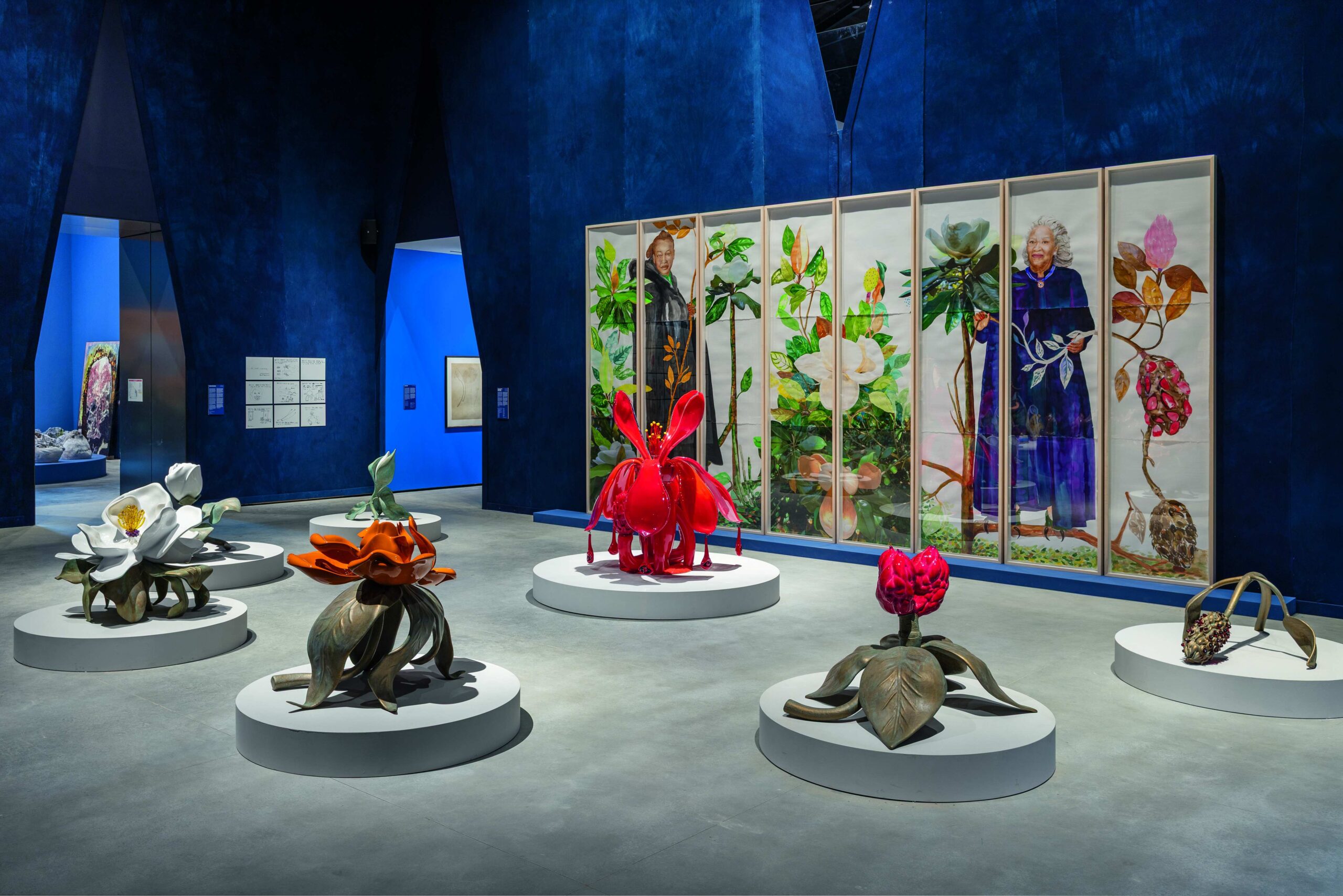
Maria Magdalena Campos-Pons, Anatomy of the Magnolia Tree for Koyo Kouoh and Toni Morrison, 2026
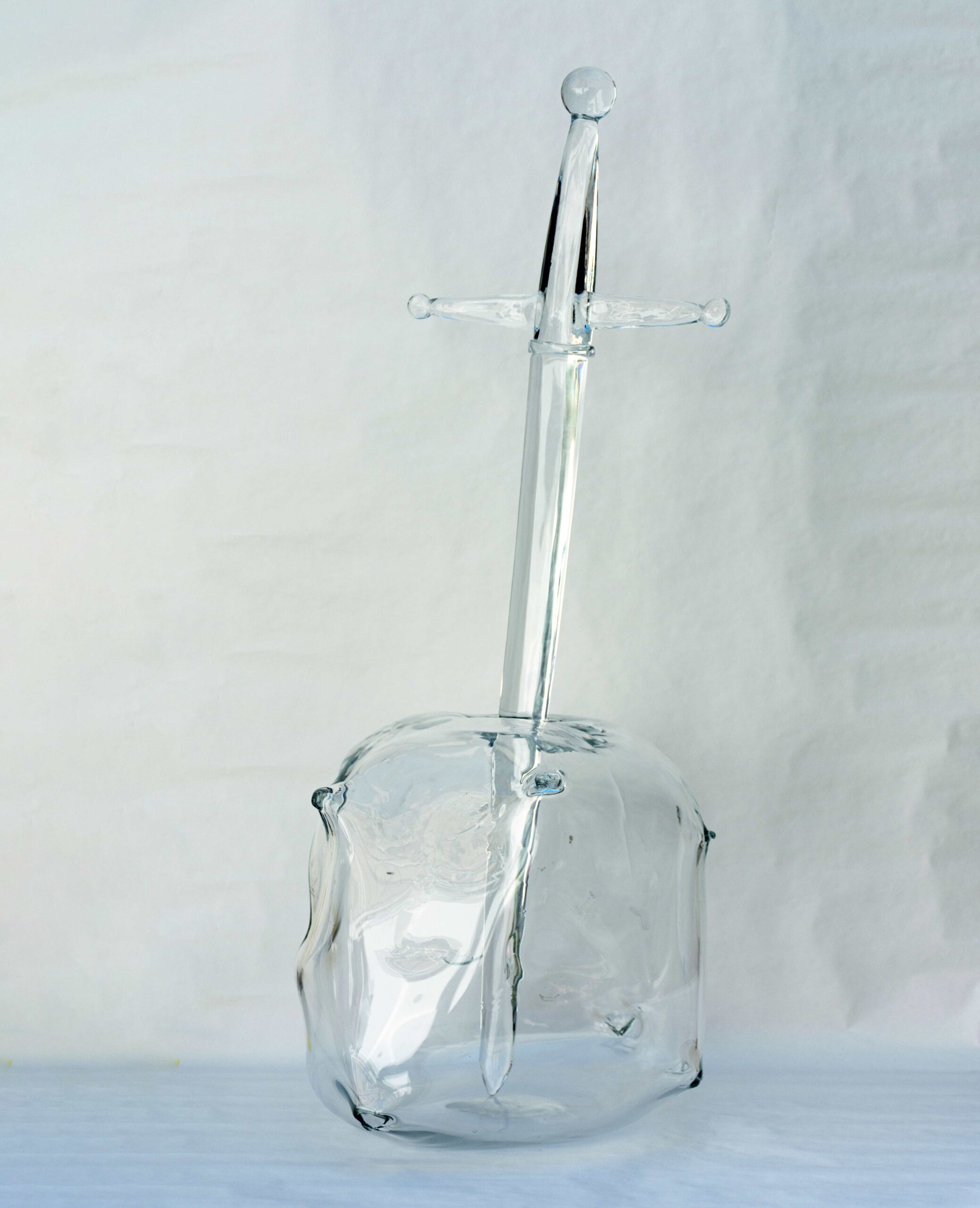
Liliana Moro, La spada nella roccia, 2019. Courtsey Liliana Moro. Photo Francesco Allegretto
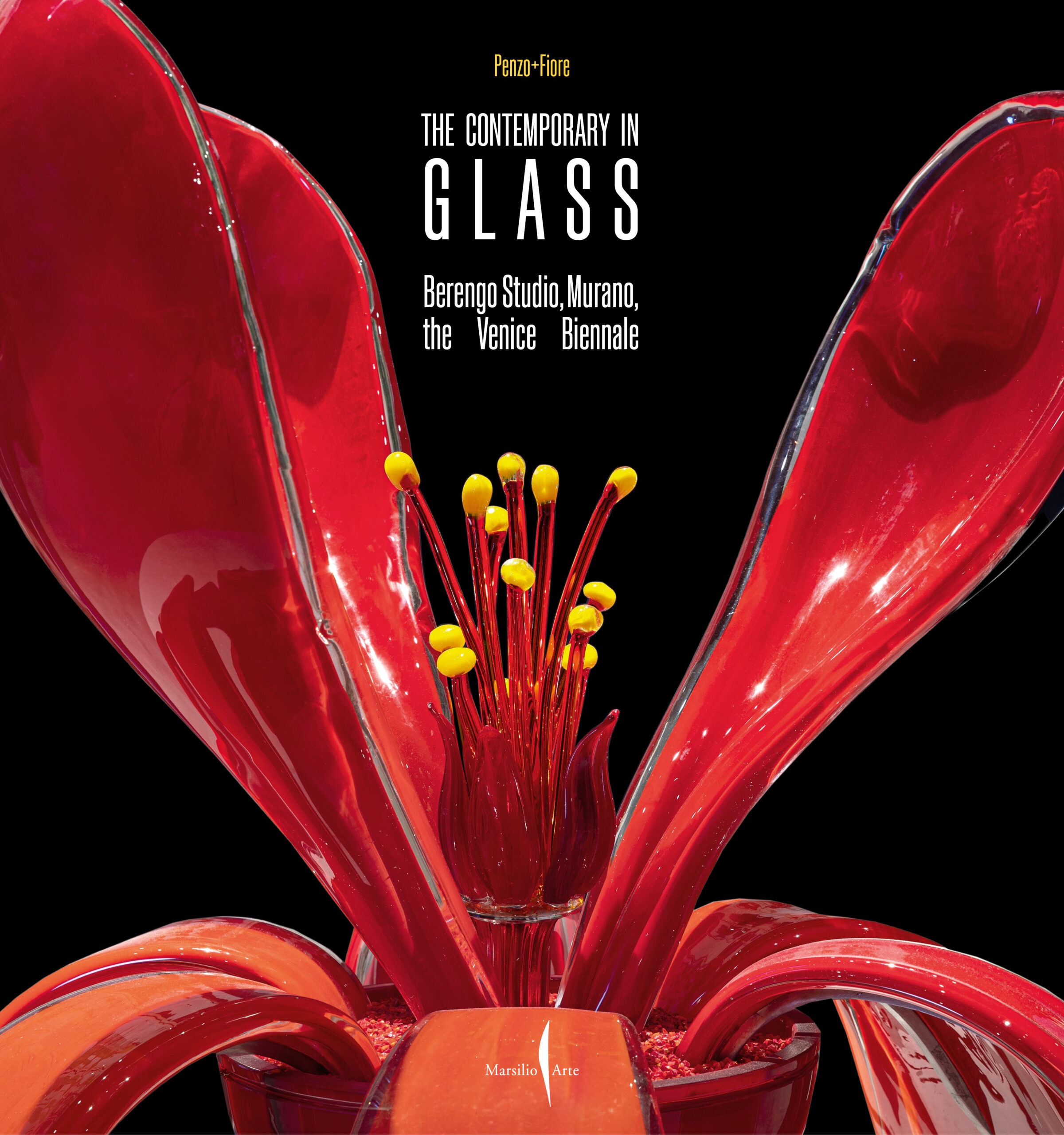
The cover of the book The contemporary in glass. Berengo Studio, Murano, the Venice Biennale, Marsilio Arte, Venice 2026


Related Articles