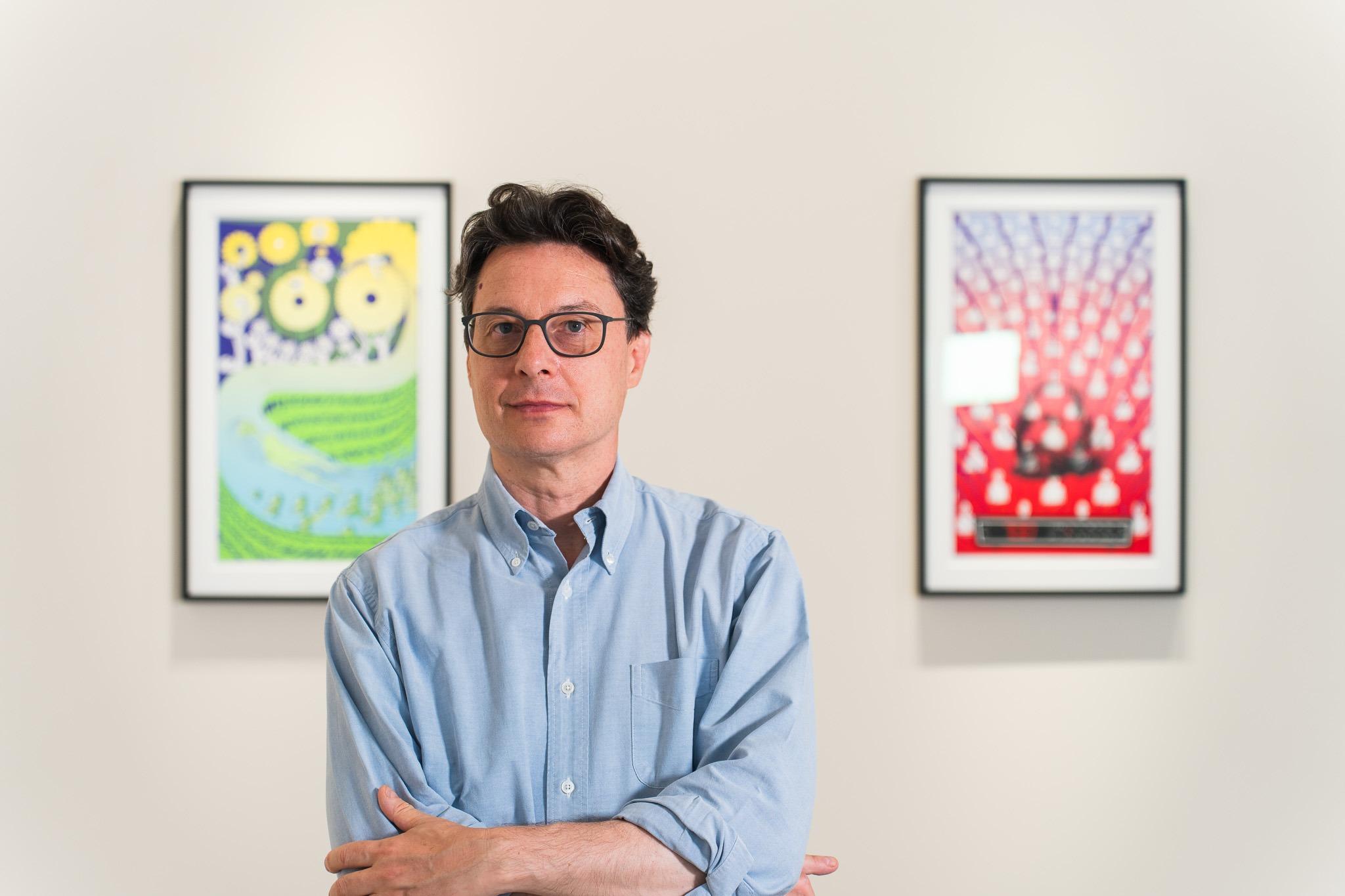
Just a few days before the opening of the Fondazione Dries Van Noten in the historic Palazzo Pisani Moretta, journalist Giulia Crivelli interviewed the renowned Belgian fashion designer, who shared his views on art and fashion
Admired, respected, and difficult to compare with other designer-entrepreneurs. His decision in March 2024 to leave the fashion house he had founded in order to devote himself to other projects was also surprising: his last fashion show was in June two years ago, for the men’s spring-summer 2025 collection. A “sweet” farewell: nothing like, to be clear, that of Jil Sander or Alessandro Dell’Acqua from their respective brands, which continue to exist under the same name, whilst the two designers can no longer use those names. But it didn’t take long for Dries Van Noten to reveal what his Plan B was: a Foundation making its debut during the Venice Art Biennale.
When did you start thinking about a Foundation bearing your name and why did you choose Venice?
The idea grew gradually over many years. After decades in fashion, Patrick (Vangheluwe, lifelong partner and long-standing business partner of the Belgian fashion designer, ed.) and I began thinking more consciously about the future, about how creativity could continue beyond the brand, and about how we might support the people and practices that have always inspired me. Venice became meaningful almost by chance. We visited and stayed longer than planned, experiencing the city not as tourists but through its rhythm. There was a quiet life to the streets that felt alive and present. When we discovered the Palazzo, with its layers of history and meticulous craftsmanship, everything aligned. The place itself seemed to suggest the direction of the Foundation. Craft became the focus because it has always been at the center of my work. It is a lens through which many forms of creativity, art, design, fashion, and music can meet, experiment, and converse. Venice, with its richness and intimacy, offered the perfect home for that vision.
To many, fashion is a form of art. To (many) others is not. But no one can deny that the two worlds, in recent years, have grown more and more connected, in many different ways. Partnerships, capsule collections with museums, marketing, ad campaigns, exhibitions of past or contemporary designers / brands and of course there are private and public collectors. Speaking of Venice, Pinault Collection just opened four exhibitions in the city (Lorna Simpson and Paulo Nazareth at Punta della Dogana, Michael Armitage and Amar Kanwar at Palazzo Grassi). How has your personal world connected with art while you were at Dries Van Noten as creative director?
Throughout my career, art has always been part of my creative environment. It was never about formal collaborations alone, but about dialogue with artists, their ideas, and the sensibilities they bring. My work in fashion has always been attentive to color, texture, pattern, and composition, and in many ways these elements are shared with art. Living alongside artists’ work and engaging with their approaches enriched the way I saw material, gesture, and expression.
Has this connection already changed, since you left that role?
It has shifted. Stepping away from fashion allows me to approach art and creativity in general from a broader, more exploratory perspective. I am less tied to cycles or trends and more interested in the intersections between disciplines, how art, craft, design, music, and performance can meet, influence each other, and create experiences that are felt rather than simply viewed.
Milan Design Week is approaching and we’ve seen the two worlds of design and fashion also getting more connected. Are you interested in giving the design (meaning home collections etc.) a place / role in the Foundation’s programs?
Absolutely. The Fondazione is interested in craftsmanship in its widest sense, which includes design alongside other creative disciplines. What matters is the intelligence and care behind the making, the hand, the gesture, the thought. Whether it is a piece of furniture, an object, or a garment, we look for the narratives embedded in material and the ways in which these works interact with space, with people, and with one another.
How did you forge the inaugural show? How did you choose the artists and did they choose what works to submit or did you ask for specific pieces?
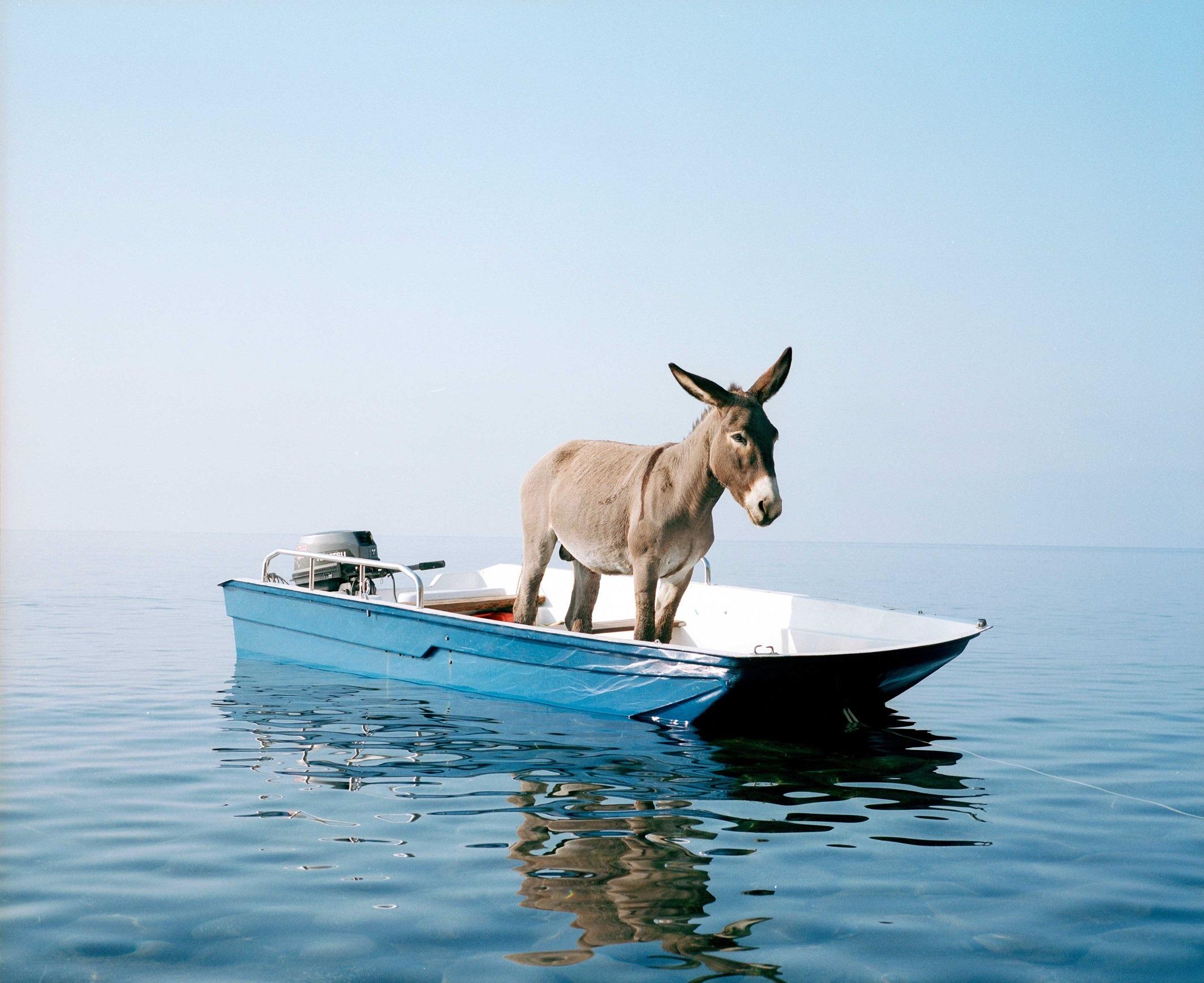
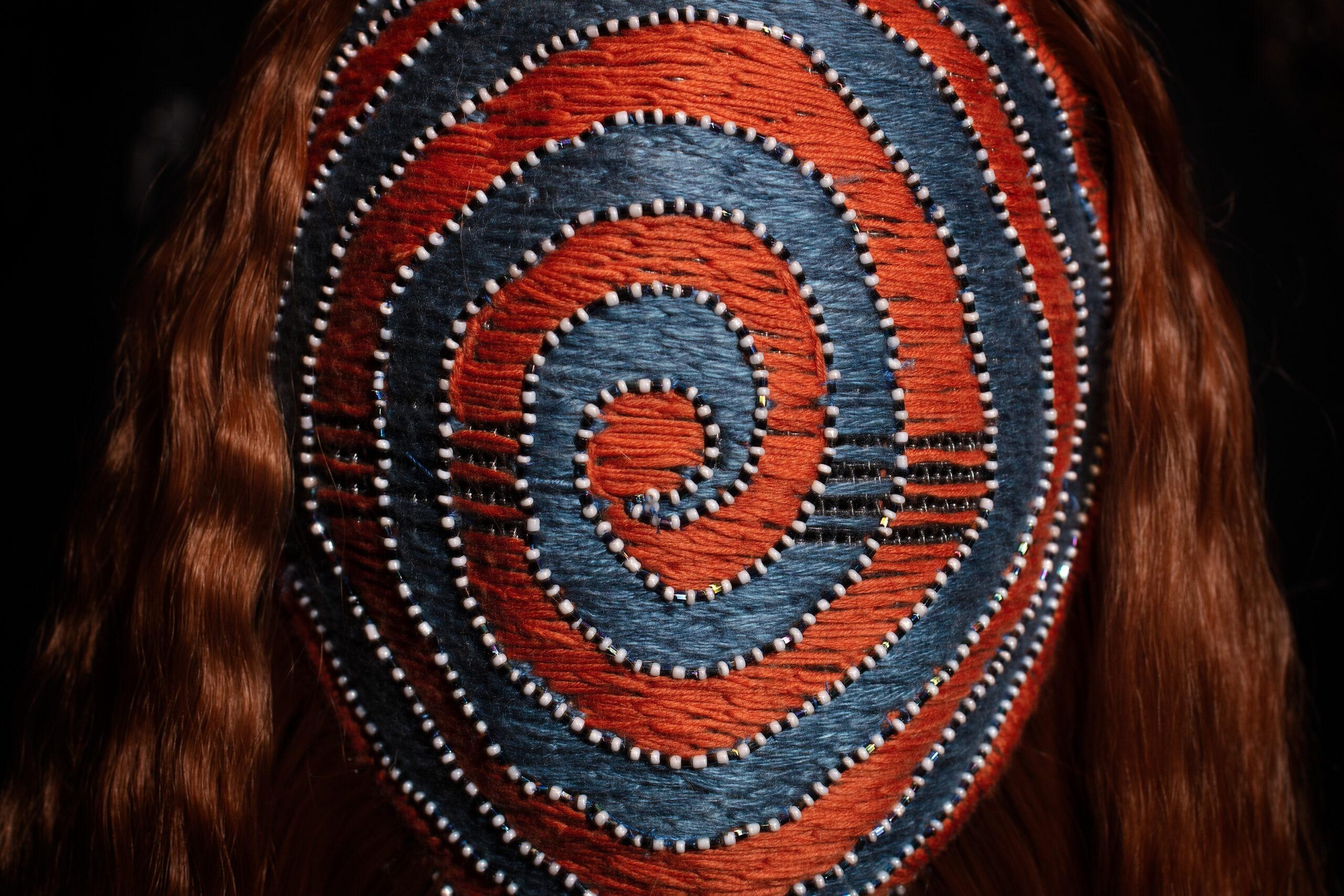
The inaugural presentation The Only True Protest is Beauty grew organically. It was conceived as a conversation rather than a prescription. We invited makers and artists, both emerging and established, whose work I have followed and admired, whose practice demonstrates depth, care, and a curiosity with materials. Some brought works they had already created, others developed pieces in dialogue with us and with the Palazzo itself. The selection process was guided by a desire for a meeting of perspectives, established and emerging, local and international, rather than by any notion of hierarchy or trend.
Is the role of working on the scenography of an art show in any ways similar to that of creating a store concept or a fashion show concept?
In some ways, yes. Both require a sensitivity to rhythm, flow, and atmosphere. You think about how people move through space, what they see first, and how one experience leads to another. Here at the Fondazione it is about dialogue, between works, between visitors and space, and between the past and present embedded in the Palazzo. It is more contemplative, yet still deeply spatial and experiential.
Biennale will showcase artists from every continent. Do you have any favorite art scene at the moment?
I do not focus on regions or trends. What excites me is when work feels alive, when it carries a sense of care, curiosity, and risk. I pay attention to individuals rather than movements, to the way ideas are translated through material, gesture, and imagination. That is what inspires me and guides the conversations we hope to foster at the Fondazione.
Interview by Giulia Crivelli
INFO
25 April – 4 October 2026
The Only True Protest is Beauty
FONDAZIONE DRIES VAN NOTEN
Palazzo Pisani Moretta
San Polo 2766, Venice
https://fondazionedriesvannoten.org/en
BIO
Born in Milan in 1969, from a German mother and an Italian father. Giulia Crivelli studied at Bocconi University and has worked for Il Sole 24 Ore since 2000. She writes for the newspaper web and paper editions and has been fashion editor for the group for the last ten years. She also works for Radio 24, the all-news broadcaster of the media group. She dreams of living in San Francisco, where spring never ends. She is passionate about economics – the dismal science which she does not find dismal – but also about globalization and foreign policy. She loves and animal and nature in general and in the next life would love to be a veterinarian or Jane Goodall’s personal assistant. In this life, she has a lot of fun being a journalist.
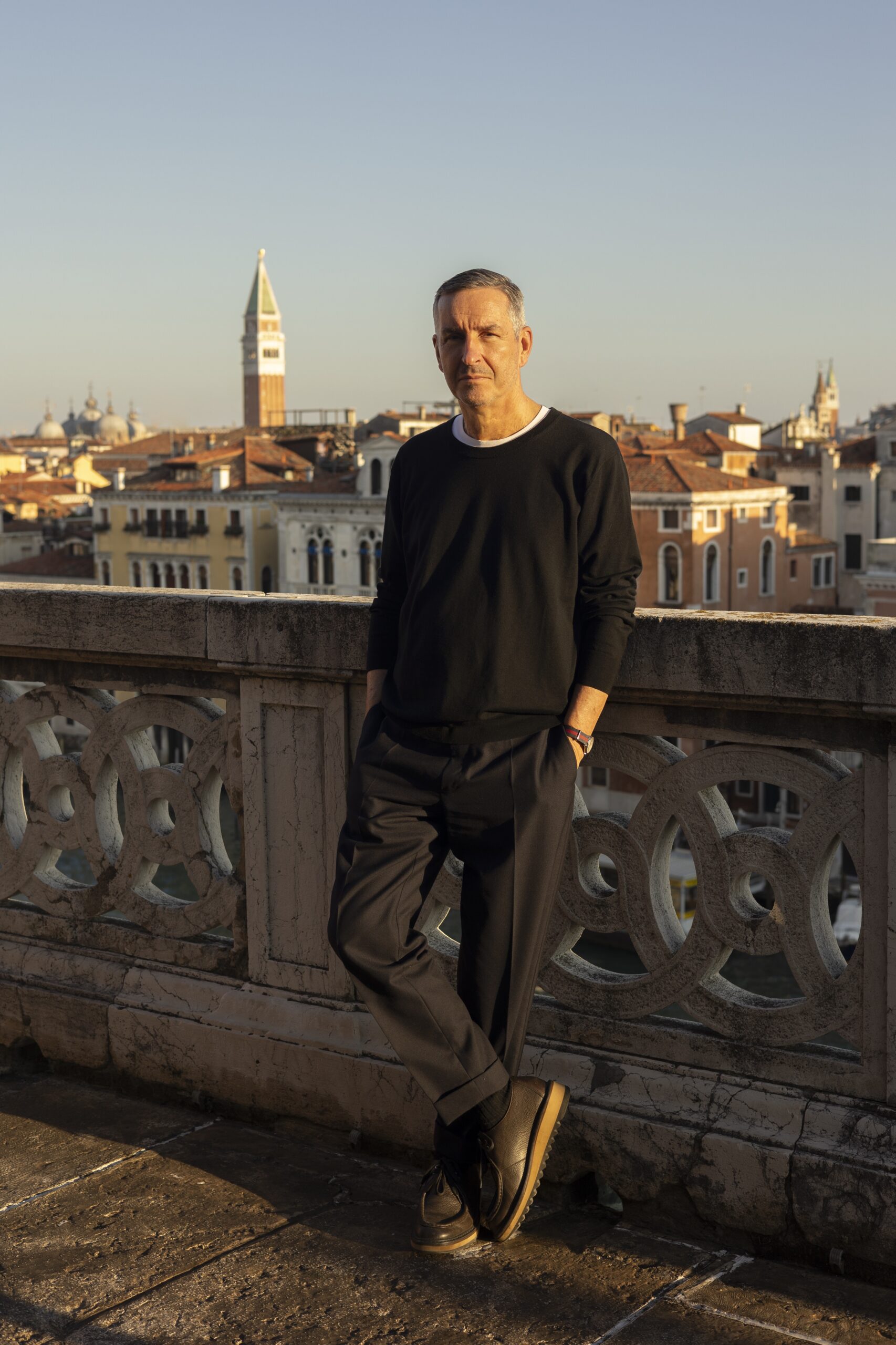
Dries Van Noten. Photo Camilla Glorioso
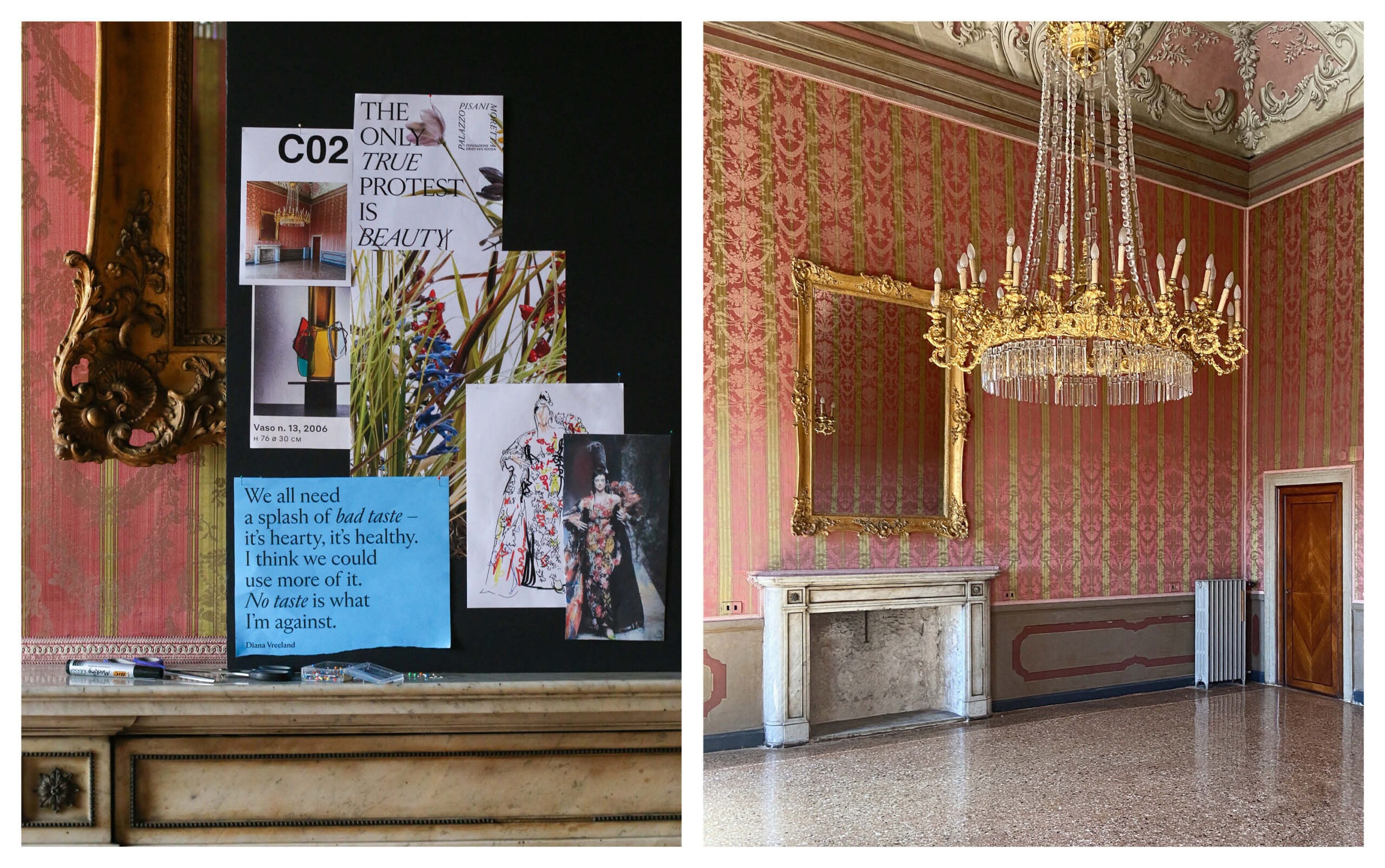
Courtesy Fondazione Dries Van Noten
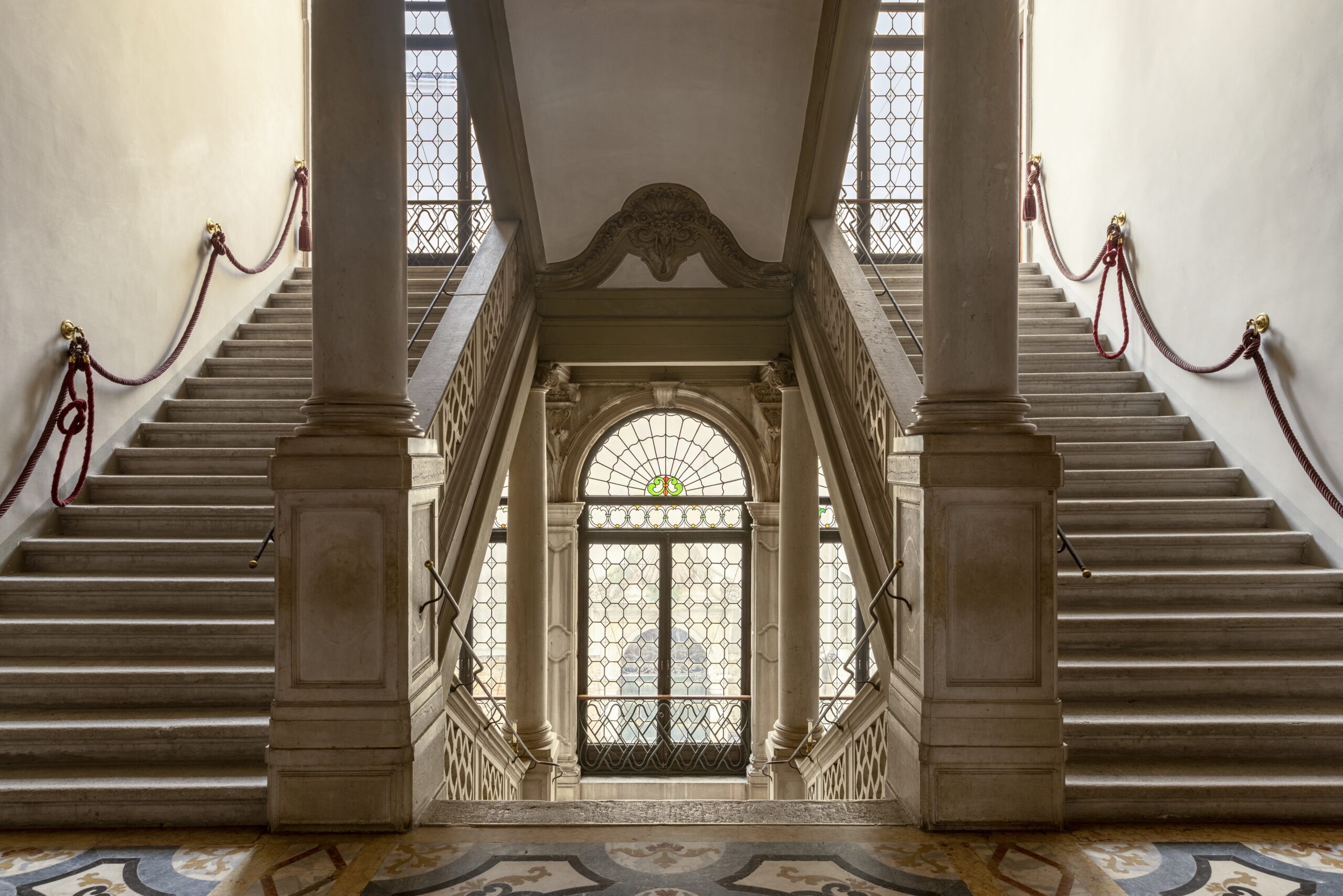
Fondazione Dries Van Noten, Palazzo Pisani Moretta, Venice. Photo Camilla Glorioso
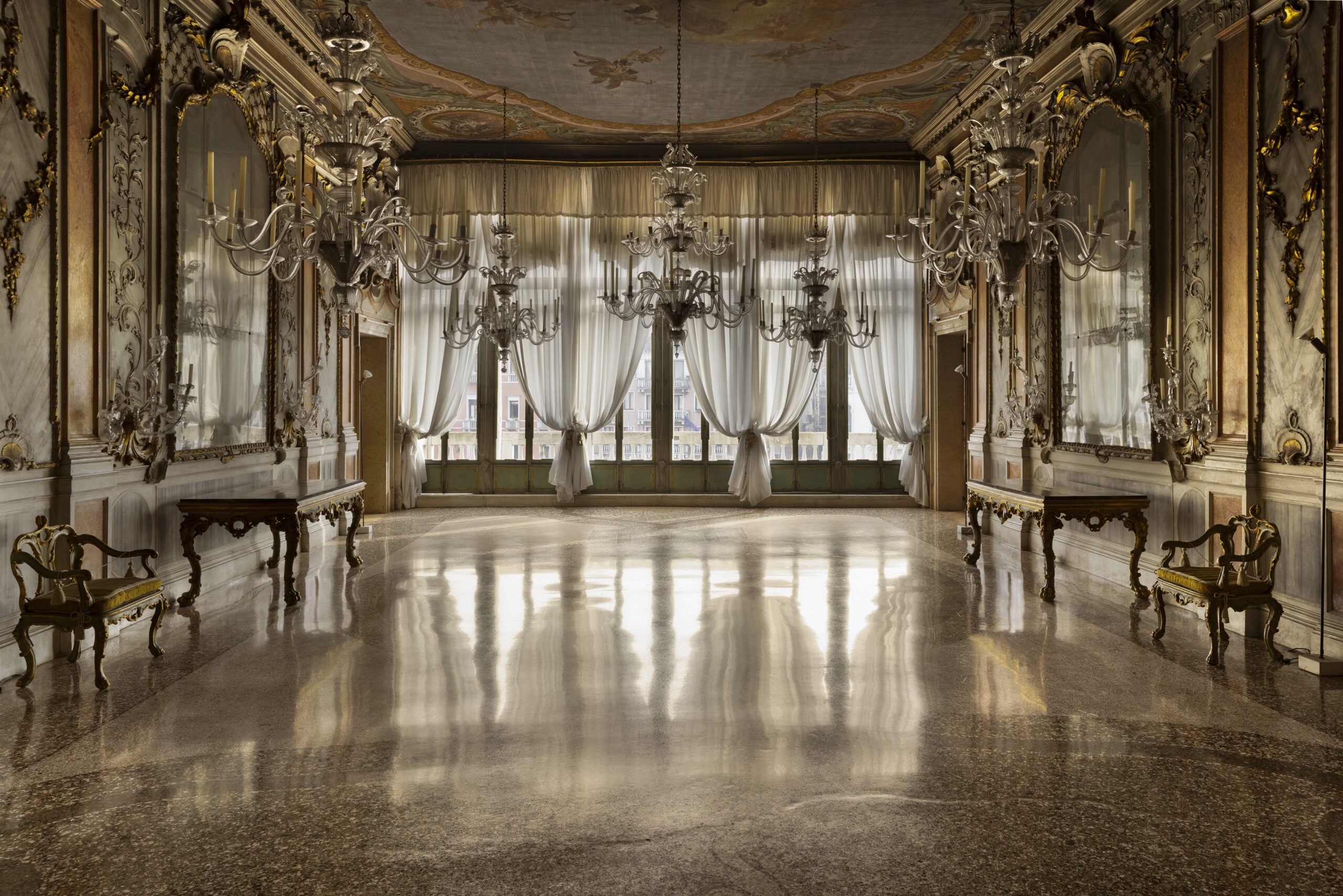
Fondazione Dries Van Noten, Palazzo Pisani Moretta, Venice. Photo Camilla Glorioso (cover photo)


Related Articles