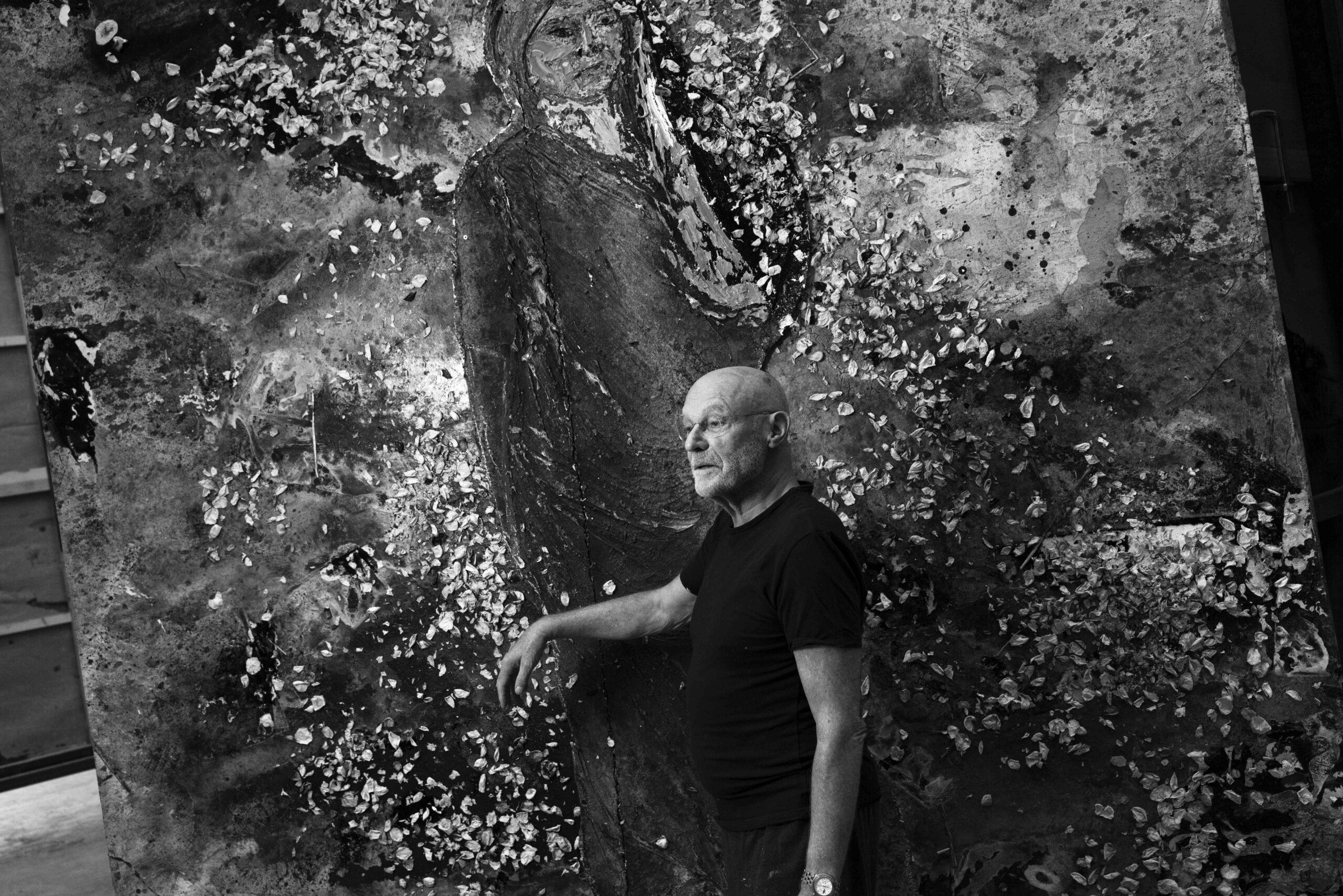
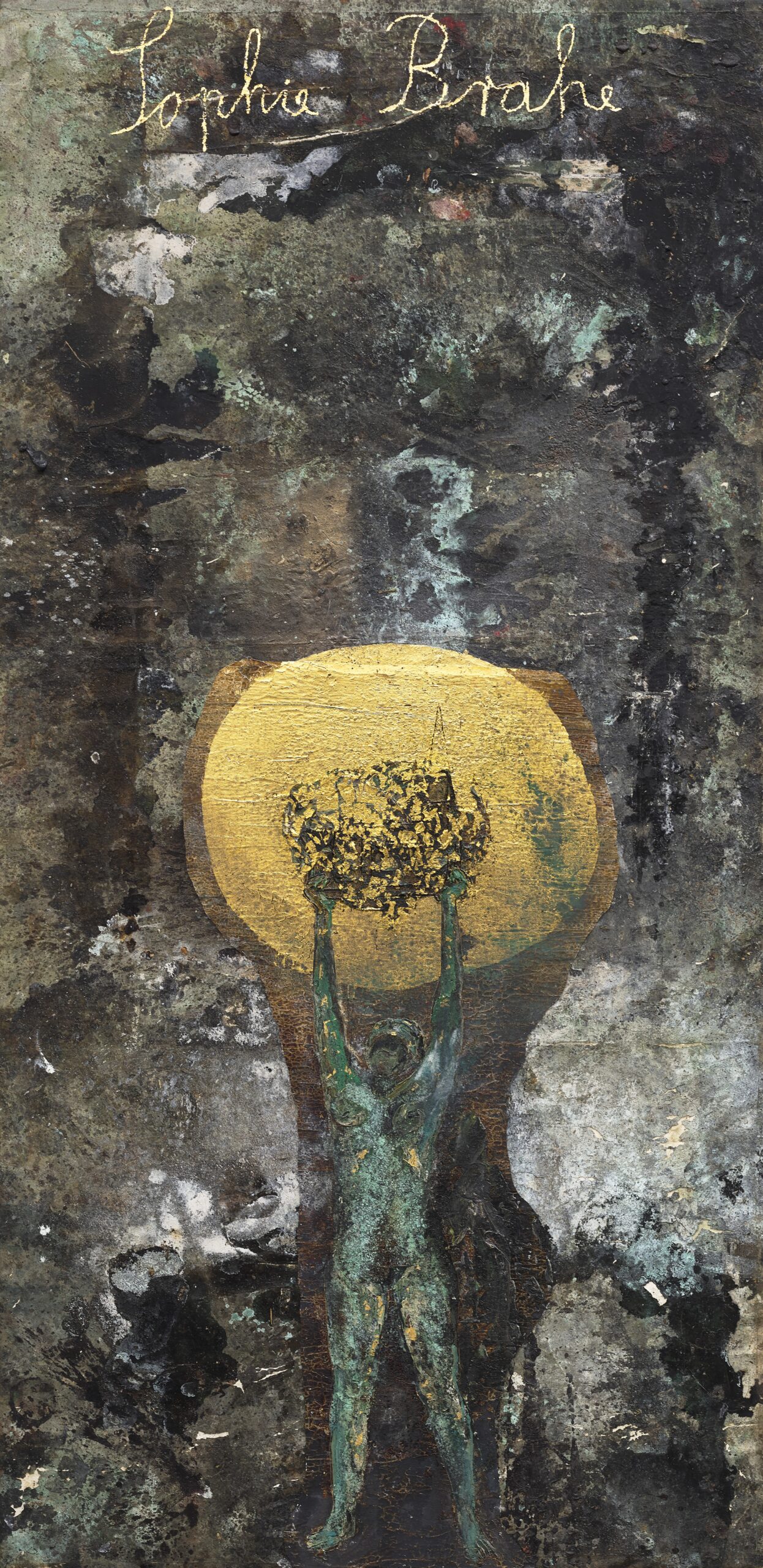
The exhibition dedicated by Palazzo Reale in Milan to the women alchemists honored by Anselm Kiefer is the result of a “secret dialogue between the artwork and the venue”, as curator Gabriella Belli described it. A visual journey to recall the value of memory
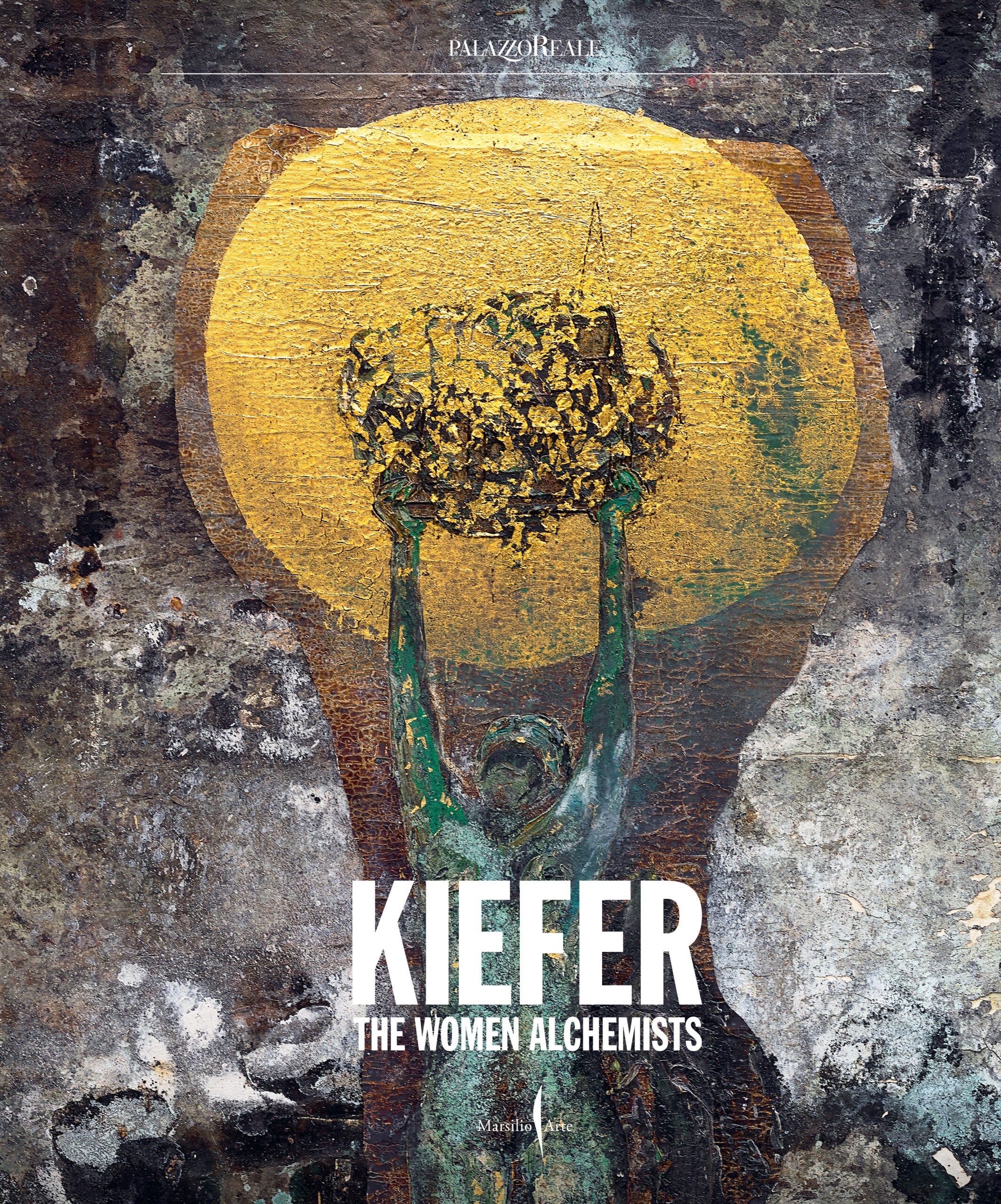
Forty-two canvases are featured in the exhibition Kiefer. The Women Alchemists, on display in the Sala delle Cariatidi at Palazzo Reale in Milan until 27 September 2026. Promoted by the Municipality of Milano-Cultura and produced by Palazzo Reale and Marsilio Arte, with the contribution of Gagosian and Galleria Lia Rumma, the exhibition is curated by Gabriella Belli, who in this interview connects alchemy, body, and memory, weaving a discourse capable of speaking to the present.
The visual dialogue with the Sala delle Cariatidi is intense. What makes it so powerful and how did Kiefer build this relationship with the space, which hosts works created specifically for this occasion?
The success of a site-specific installation is based on a perfect balance between the environment that hosts it and the work of art. It is not enough to have a wonderful work or a wonderful venue; there must be secret energies flowing between the work of art and the space. This is the magic of site-specific works. And it is the magic of the intense dialogue between the idea of the mutilated Caryatids, whose bodies were scarred by the fire and the collapse of the ceiling, and these women whom Kiefer had held dear in his heart for a long time ‒ since the theme of alchemy and alchemists is omnipresent in his work ‒ but to whom he had not yet breathed life. When Kiefer arrived in the Sala delle Cariatidi, he felt that it was the right place to bring them to light. A beautiful work of art is not enough, then; one must also grasp the secret dialogue between the work of art and its setting.
In a political and social context strongly inclined towards oblivion ‒ the same oblivion to which the women alchemists brought back to life by Kiefer have often been condemned ‒ as well as towards questioning women’s rights, what meaning and legacy can an exhibition like this have in light of a contemporary world of which Kiefer has always been very aware and critical?
First of all, it tells us that there are still many areas where women’s talent has not yet been recognized and discovered. If we consider that these alchemists have only recently come to light in scientific literature and have been accepted as proto-scientists thanks to serious studies conducted by women in the field of the history of science, it means that there is still a lot of work to be done. Kiefer’s tribute finally gives these women a face and a memory. Knowledge also comes through the visualization of people’s faces and bodies, and so Kiefer has given these figures an identity through both artistic and psychological imagery, creating an identity card. Where an identity card already existed, as in the case of Caterina Sforza, Kiefer has updated it with all the energy of 20th-century painting. He destroyed Lorenzo di Credi’s pictorial text, who had created a very graceful portrait of Caterina, and restored the physical power of this woman who appears almost masculine in her posture. He updated, in our imagination, the idea of Caterina, much more powerful and explored from a psychological point of view, as contemporary painting does today.
The dynamic between matter, alchemical combination, and the elements that comprise the alchemical combination is essential in the way Kiefer gives substance to these figures.
Kiefer uses women’s bodies as alchemical bodies. Through his painting, which is based on the principles of alchemy ‒ birth, death, and regeneration ‒, he transforms women not so much into portraits as into alchemical bodies. The content is the container, because the bodies of the women he shows us are all alchemical bodies and, conversely, Kiefer is the first alchemist to stage this narrative.
Through alchemical matter, he was also able to give substance to the memory and history of these women.
Absolutely. These works continue to undergo transmutations because Kiefer creates them, adds material, applies acids and oxides, uses electrolysis. The works are constantly undergoing an alchemical transformation, and this is one of the most significant aspects: the assimilation of the artist’s work into the painting itself. We could almost say that they are self-portraits. This is partly because Kiefer claims his feminine soul as a value ‒ and this is important, coming from a man, in a contemporary world that is becoming more past than future, especially with regard to women’s acquired rights, which are subject, in certain areas, to attempts at remodulation and increased control.
The exhibition is accompanied by a public program. What aspects do you want to highlight during these conversations?
The basic idea is to talk to people who, on the one hand, can educate the public about the history of alchemy and the role of women in medical sciences and pharmacopoeia ‒ a concrete role, not a fantasy. The second aspect, which I hope will be the subject of the conversation with Kiefer and the talk by scientist Luisa Torsi, is the creative process. We know, because scientists tell us so, that the creative process, creativity, is very similar in science and art. This intrigues me because when we think of a scientist, we think of someone who possesses formulas and works with them, whereas scientists work with imagination, which, in my opinion, is as important to science as it is to art. The result, however, is completely different, and this fascinates me greatly.
Interview by Arianna Testino
BIO
Gabriella Belli, an internationally renowned art historian and curator, directed Mart in Rovereto from 1989 to 2011, coordinating its scientific and museological project. From 2011 to 2022, she led the Fondazione Musei Civici di Venezia, where she oversaw major restoration projects and landmark exhibitions, including the memorable Anselm Kiefer solo show at Palazzo Ducale in 2022. A specialist in the historical avant-garde and contemporary art, she has curated over 400 exhibitions at prestigious global institutions, from the Grand Palais in Paris to the Hermitage. Awarded the title of Chevalier des Arts et des Lettres in France and the ICOM award for Best Museologist of the Year in 2003, she currently holds numerous scientific positions for cultural institutions and the Ministry of Culture.
INFO
Kiefer. The Women Alchemists
until 27 September 2026
Sala delle Cariatidi
PALAZZO REALE
Piazza del Duomo 12, Milan
https://www.palazzorealemilano.it
to attend the public program https://www.eventbrite.com/cc/kiefer-le-alchimiste-public-program-4812047?just_published=true
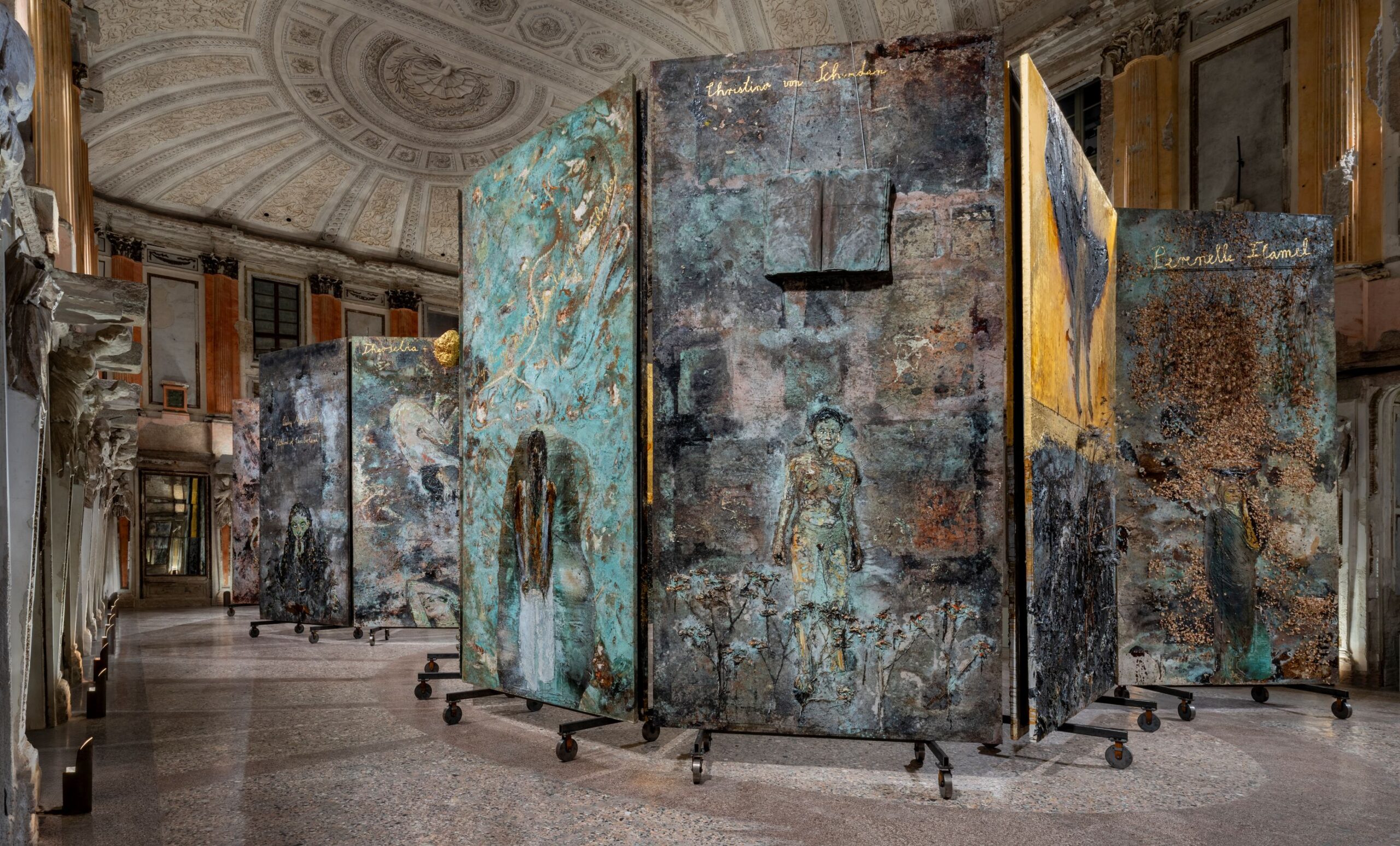
Kiefer. The Women Alchemists, installation view, Palazzo Reale, Milan 2026. Photo Ela Bialkowska, OKNO Studio
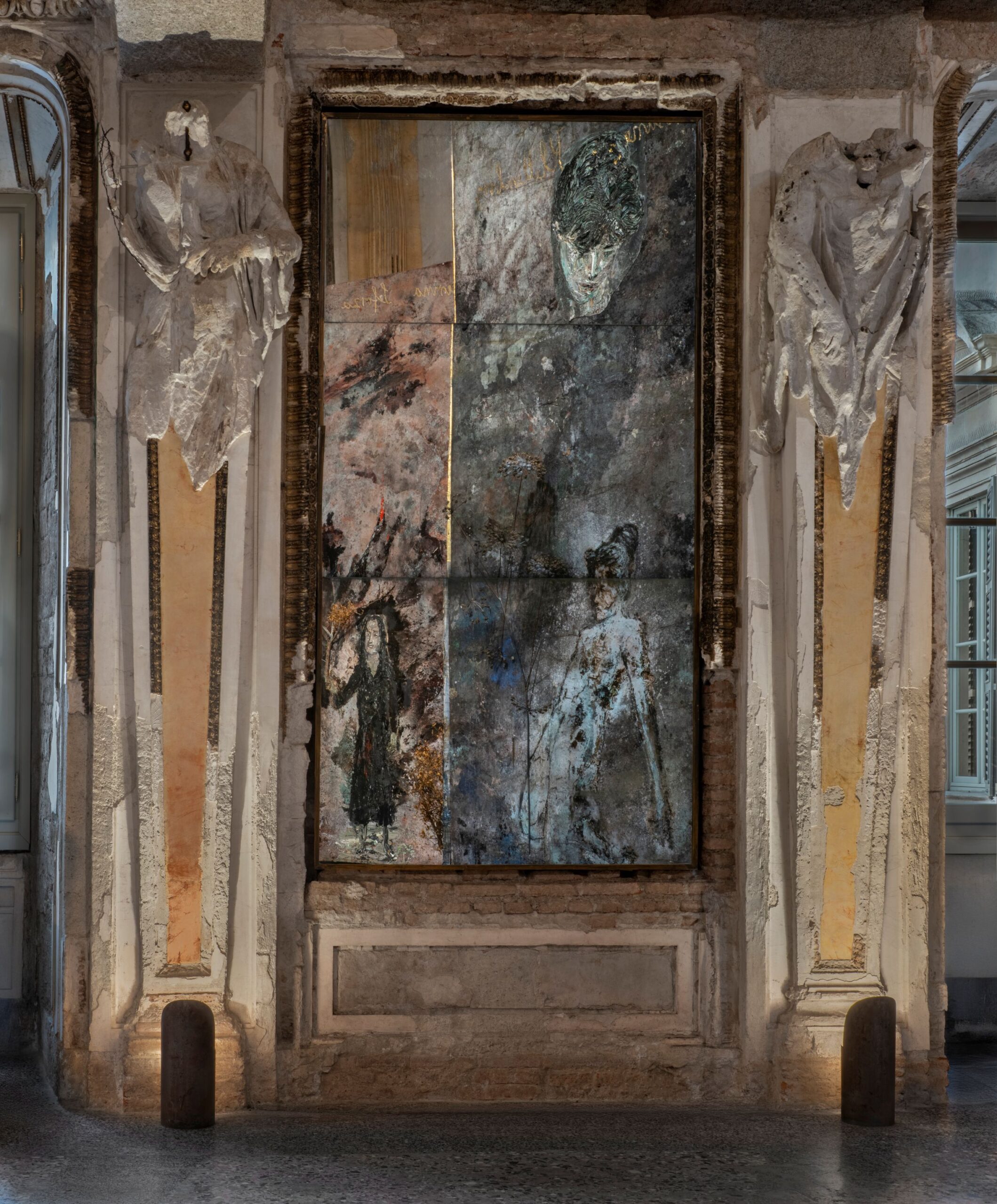
Kiefer. The Women Alchemists, installation view, Palazzo Reale, Milan 2026. Photo Ela Bialkowska, OKNO Studio
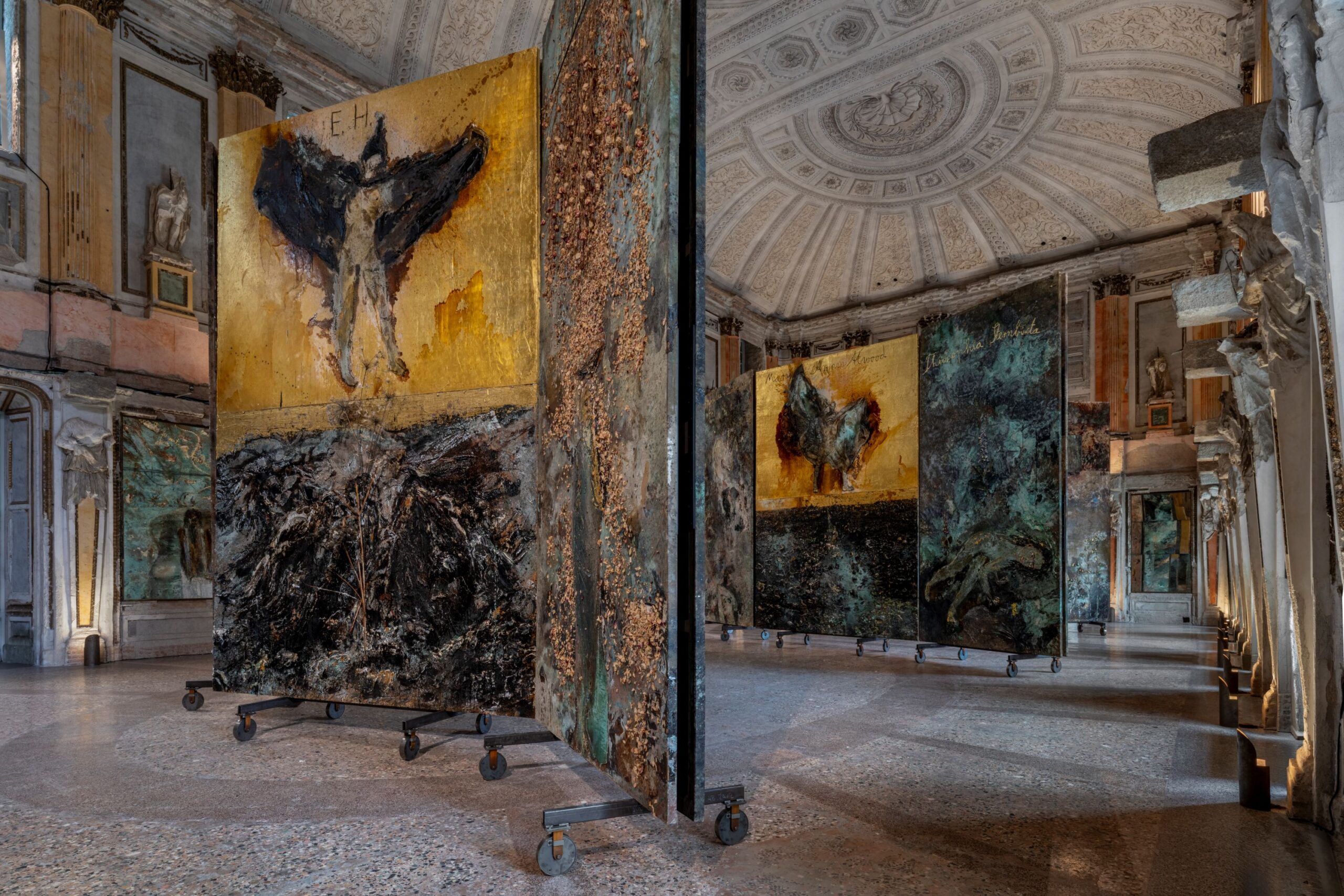
Kiefer. The Women Alchemists, installation view, Palazzo Reale, Milan 2026. Photo Ela Bialkowska, OKNO Studio
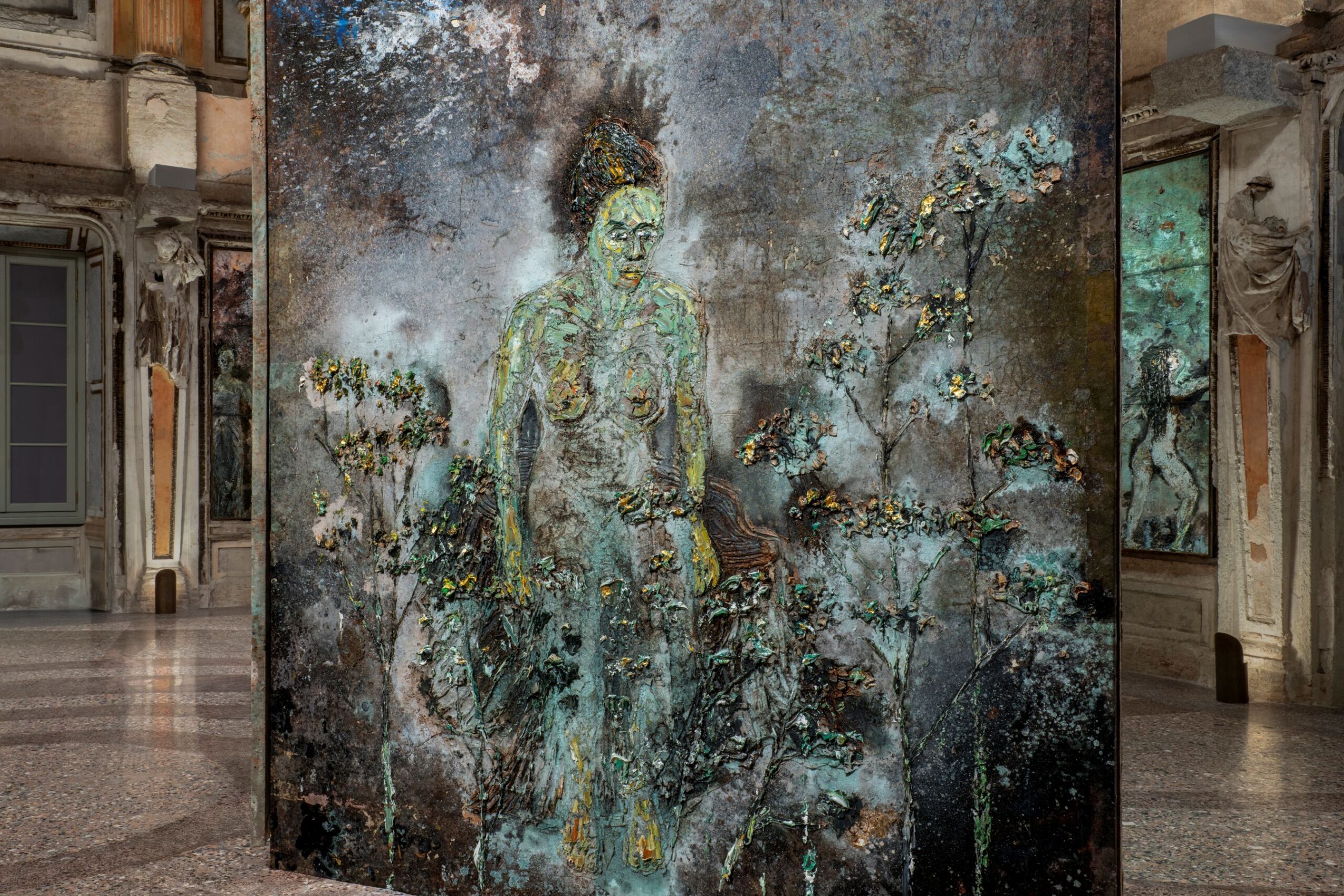
Kiefer. The Women Alchemists, installation view, Palazzo Reale, Milan 2026. Photo Ela Bialkowska, OKNO Studio
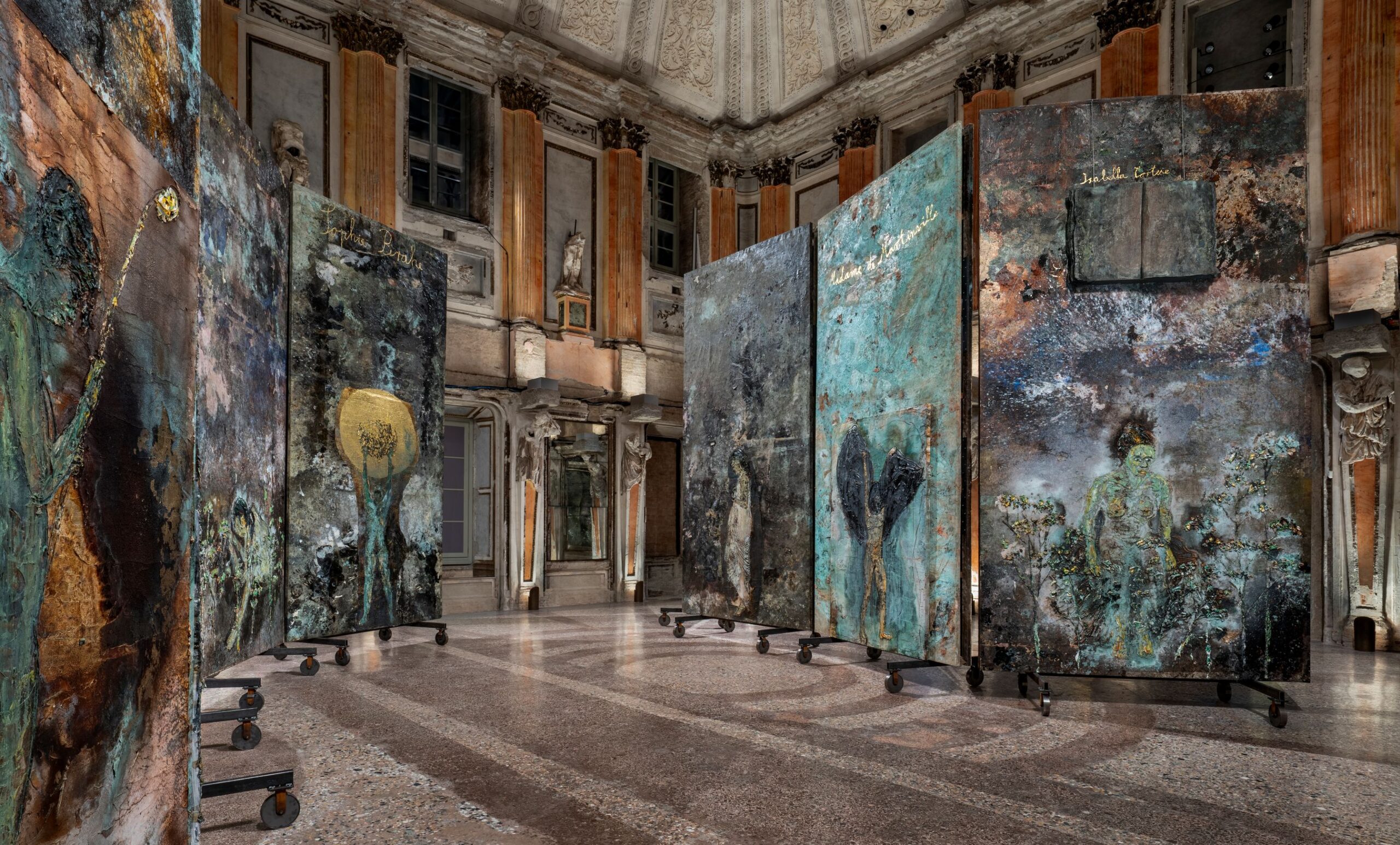
Kiefer. The Women Alchemists, installation view, Palazzo Reale, Milan 2026. Photo Ela Bialkowska, OKNO Studio
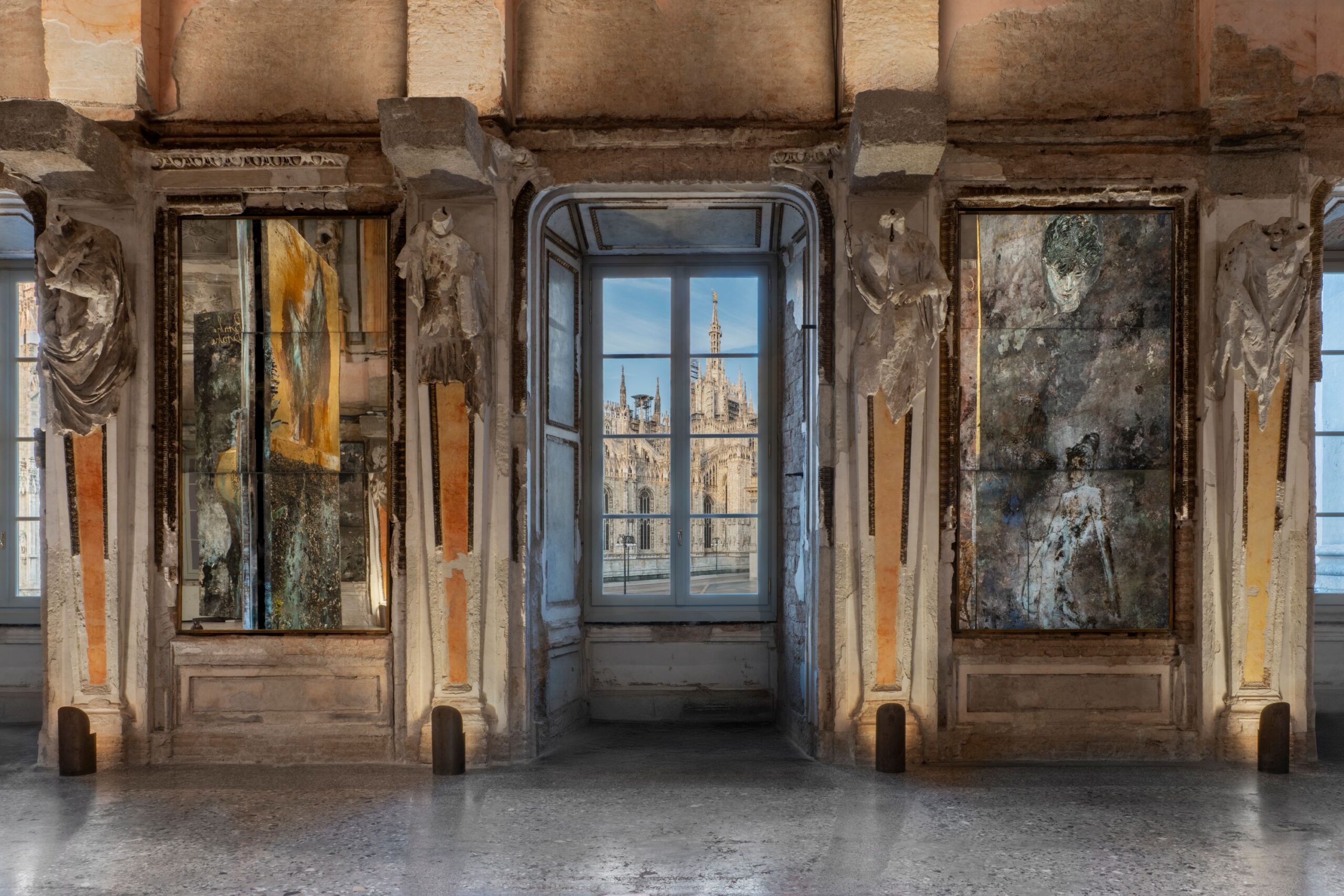
Kiefer. The Women Alchemists, installation view, Palazzo Reale, Milan 2026. Photo Ela Bialkowska, OKNO Studio
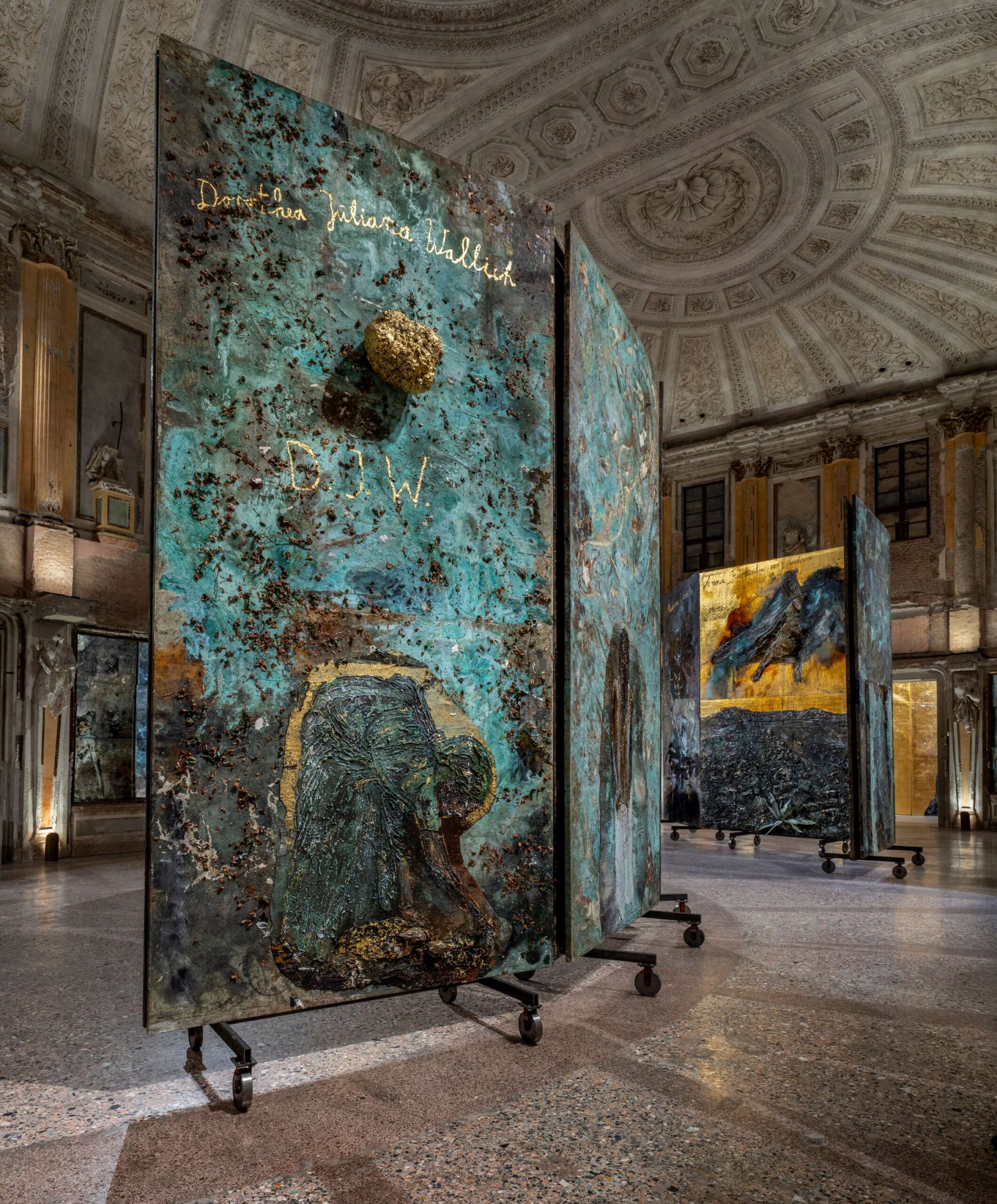
Kiefer. The Women Alchemists, installation view, Palazzo Reale, Milan 2026. Photo Ela Bialkowska, OKNO Studio
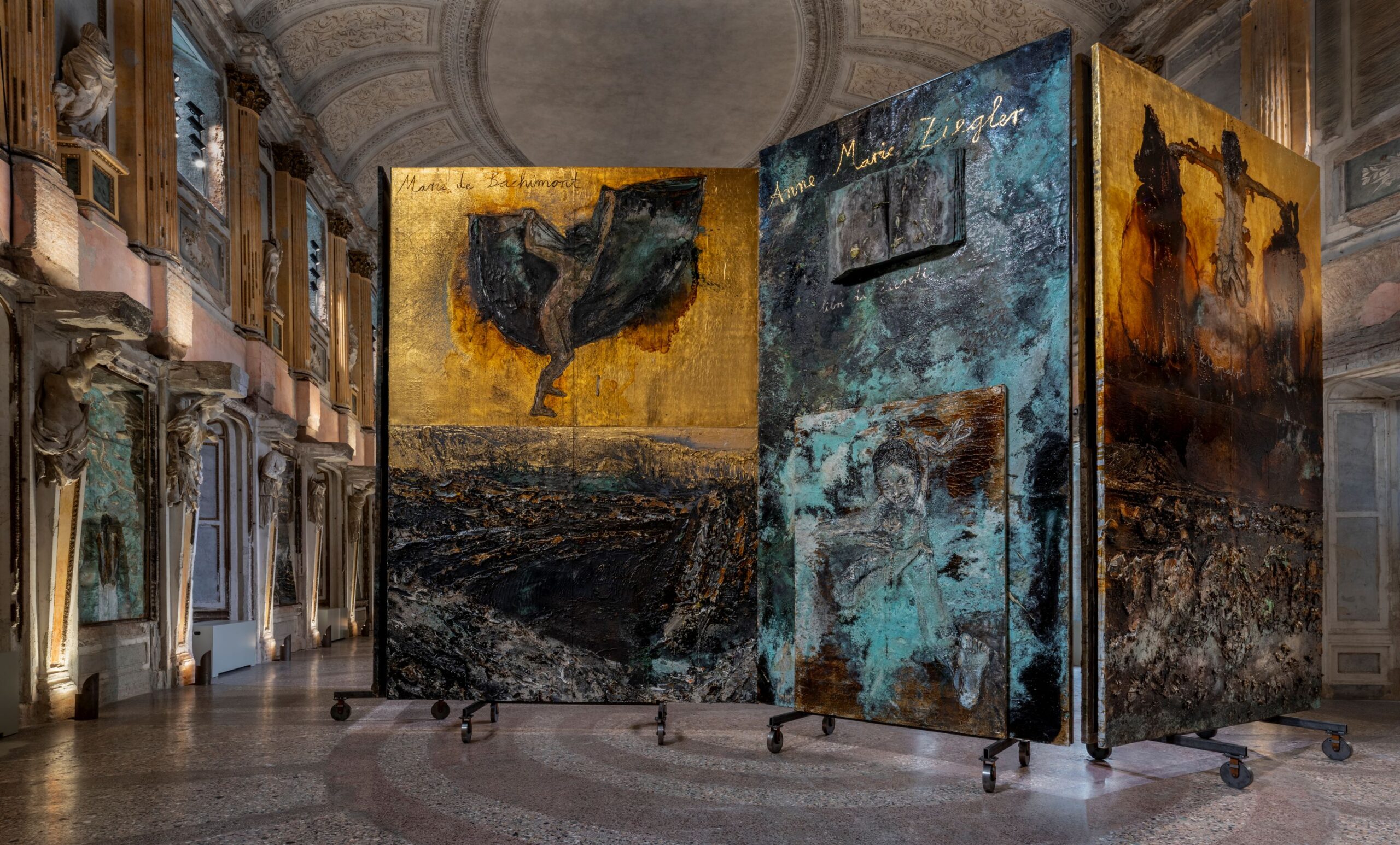
Kiefer. The Women Alchemists, installation view, Palazzo Reale, Milan 2026. Photo Ela Bialkowska, OKNO Studio
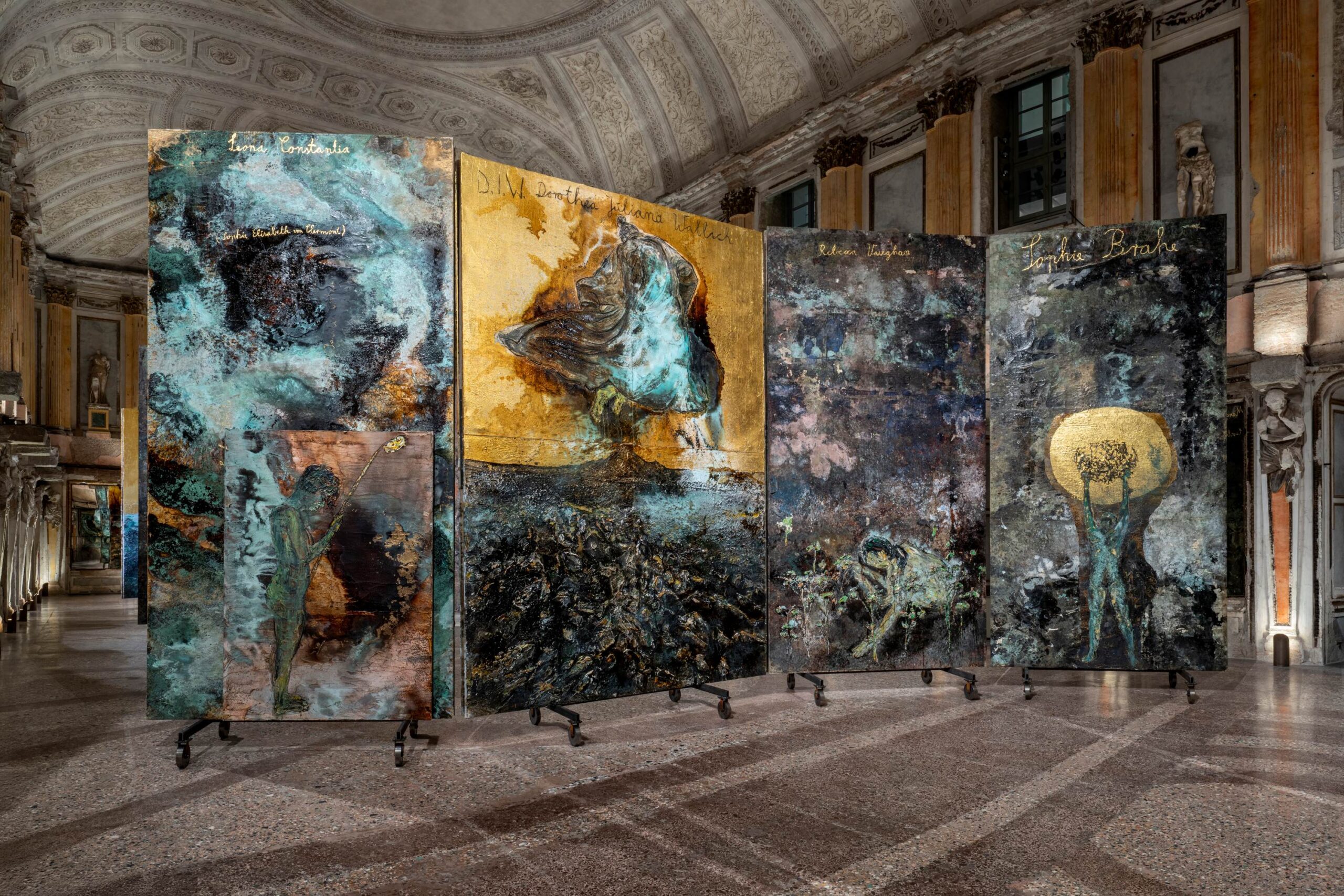
Kiefer. The Women Alchemists, installation view, Palazzo Reale, Milan 2026. Photo Ela Bialkowska, OKNO Studio
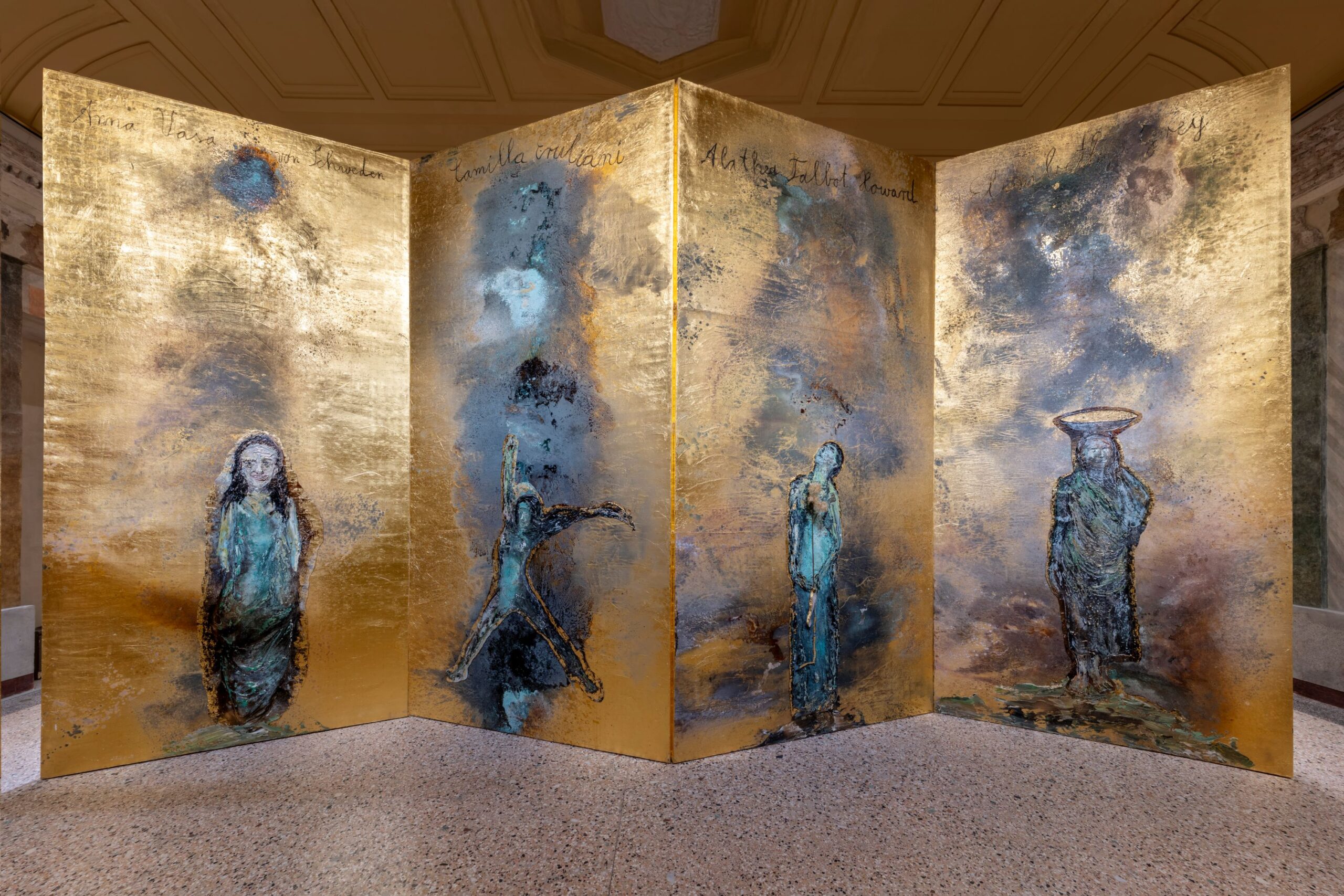
Kiefer. The Women Alchemists, installation view, Palazzo Reale, Milan 2026. Photo Ela Bialkowska, OKNO Studio (cover photo)


Related products
Related Articles