The two exhibitions at Le Stanze della Fotografia on the island of San Giorgio Maggiore bring together over two hundred prints by female artists with whom the jewellery Maison has long collaborated ‒ a reflection of Van Cleef & Arpels’ decades-long passion for the world of dance, which culminated in Dance Reflections, the programme launched in 2020 to support contemporary choreographic creation on a global scale. Susanne Franco, a dance scholar and lecturer at Ca’ Foscari University of Venice, visited the exhibitions on our behalf
Since its founding in 1906, Van Cleef & Arpels has made a name for itself internationally thanks to the unmistakable style of its jewels created in dialogue with the main artistic movements of the twentieth century, from Art Deco to Cubism, and with the world of women’s fashion.
If taking inspiration from flora and fauna, as the Maison did for many of its most iconic pieces, was one of the most widespread trends of the time, the development of a technique that was then futuristic, made it possible to set the gemstones whilst concealing the underlying framework, thereby transforming the piece of jewellery into a flowing fabric, paired perfectly with a collection of brooches that reproduced the dynamism and grace of ballerinas in tutus.
The two exhibitions recently inaugurated at Le Stanze della Fotografia in Venice, on the island of San Giorgio Maggiore, Photo/Dance; Reflections by Rinko Kawauchi, Olivia Bee and Estelle Hanania and What the Garden Whispers, with photographs taken by Juliette Agnel at the Orto Giardino del Redentore on the Giudecca island, constitute the most recent stage in this long history, and revisit the themes of dance and nature from a new perspective.
The more than two hundred prints commissioned and collected by Van Cleef & Arpels between 2022 and 2026, and created by three female photographers, are an important record of the Dance Reflections Festival, the contemporary dance festival established in 2020 by the Maison and staged on an international scale. With their different styles and approaches, the three artists bring to light a multifaceted and surprising portrayal of some well-known choreographic works, capturing moments brimming with time and movement during performances or rehearsals, reproduced as prints hung on the walls and, in part, on a series of transparent panels suspended from the ceiling. In keeping with the festival’s mission ‒ to promote an understanding of dance history while expanding the audience for contemporary dance ‒ these photographs reveal significant details and key sequences from landmark works of European and American contemporary dance. Emmanuelle de l’Ecotais’ layout, like the original project itself, presents a narrative that moves away from chronological linearity to focus on the traces of embodied memory left by these works in the bodies of new generations of dancers – traces that photography captures with particular effectiveness. This is the case with the restaging of historic works by Merce Cunningham, Trisha Brown, Lucinda Childs and Anne Teresa De Keersmaeker, or with Ola Maciejewska’s explorations of Loïe Fuller’s choreographic legacy (which so greatly inspired artists and designers just as the Maison was taking its first steps). Among the leading figures in 21st-century choreographic innovation are artists such as Robyn Orlin, Gisèle Vienne, Rachid Ouramdane, Noé Soulier, Christian Rizzo, as well as Benjamin Millepied, Leïla Ka and Ioannis Mandafounis, who continue to examine our present and the challenges it poses.
The three photographers’ dialogues with dance converge on the circular panel at the centre of the hall, where their perspectives intertwine around Room With a View, a piece born from the collaboration between the musician Rone (Erwan Castex) and the choreographic collective (LA)HORDE, to give voice and form to the ecological crisis in which we are immersed and to the anger of young people faced with the prospect of global collapse. Juliette Agnel has developed a passion for the nocturnal dimension of nature – and thus its most intimate and mysterious aspects. Through the use of red filters, she has made visible presences and movements that are usually imperceptible to our eyes; she created the photographs on display in the adjacent room as part of the exhibition What the Garden Whispers. The same exhibition design, which unites the two exhibitions and guides the visitor throughout the entire exhibition route, highlights the historical and artistic legacy that both share.
Susanne Franco
BIO
Susanne Franco is an associate professor at Ca’ Foscari University of Venice, where she also directed the Teatro di Ateneo (2020–2026). She has published numerous studies on modern and contemporary dance and on research methodologies. She led Ca’ Foscari’s research unit as part of the project Dancing Museums: The Democracy of Beings (2018–2021) and served as scientific director of the international research project Memory in Motion: Re-Membering Dance History (Mnemedance, 2019–2023). As a curator, she has organised events, workshops and festivals for Pirelli HangarBicocca, Fondazione Querini Stampalia, Pinault Foundation, Fondazione Piemonte dal Vivo, Fondazione di Venezia, Ca’ Foscari University of Venice and the Teatro Stabile del Veneto.
INFO
until 27 January 2027
Photo / Dance; Reflections by Rinko Kawauchi, Olivia Bee ed Estelle Hanania
What the Garden Whispers
LE STANZE DELLA FOTOGRAFIA
Isola di San Giorgio Maggiore, Venice
https://lestanzedellafotografia.it/
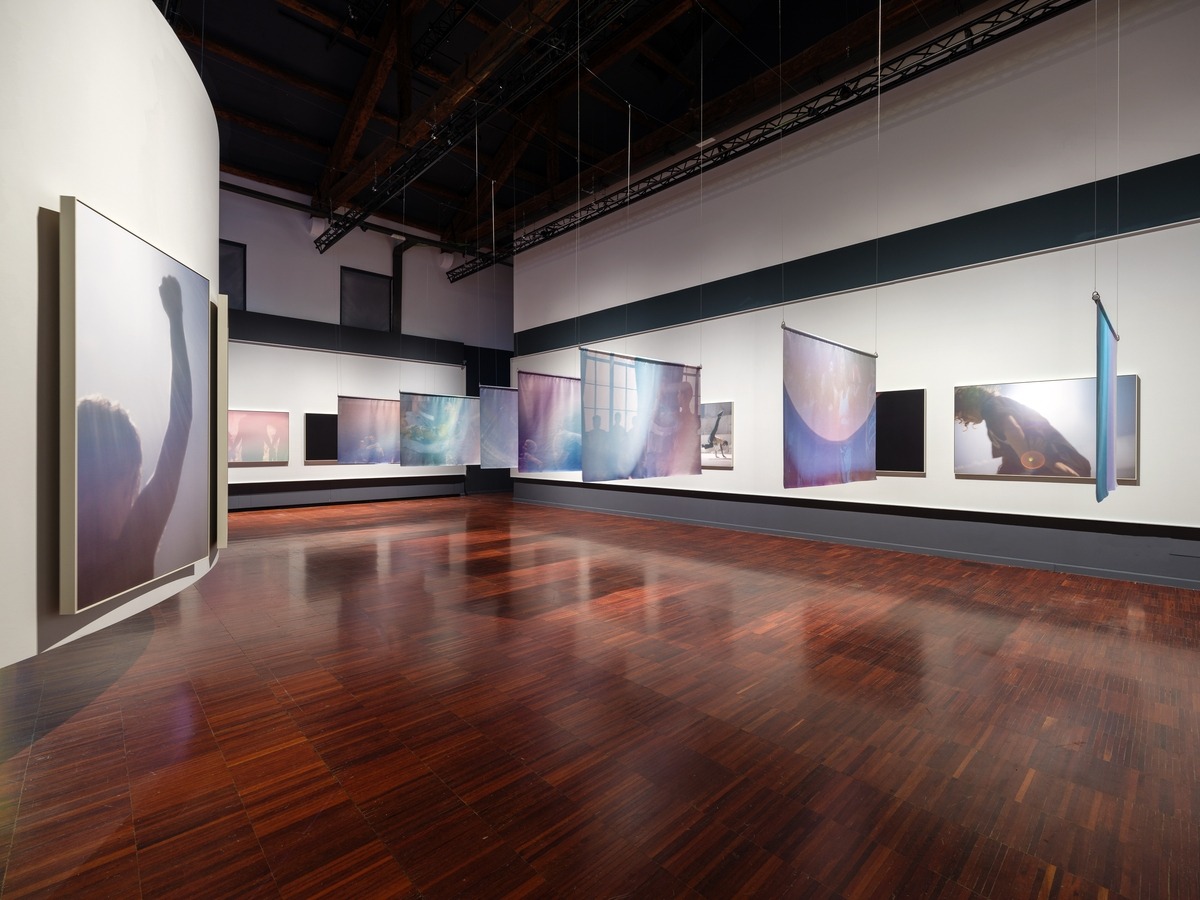
Photo / Dance; Reflections by Rinko Kawauchi, Olivia Bee ed Estelle Hanania. What the Garden Whispers, Le Stanze della Fotografia, Venice 2026. Photo Andrea Avezzù
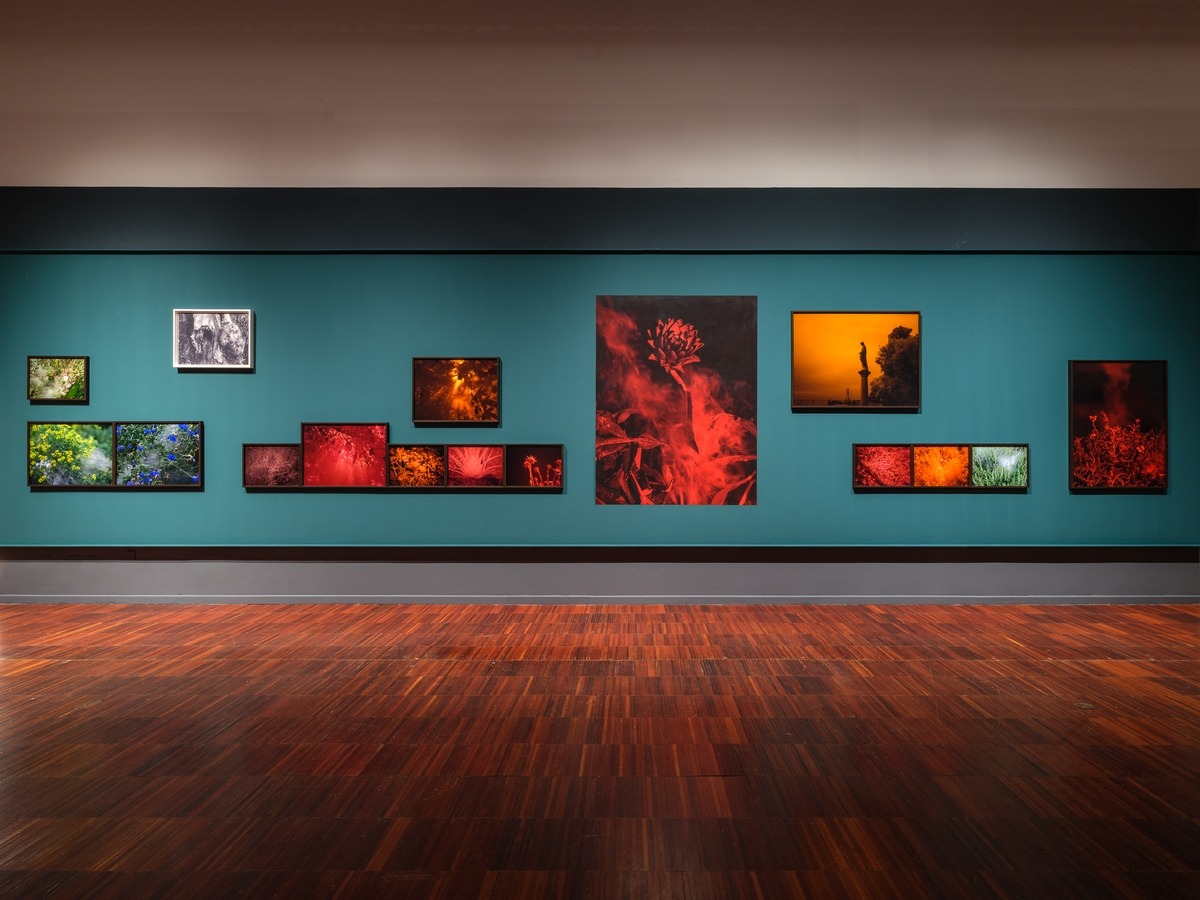
Photo / Dance; Reflections by Rinko Kawauchi, Olivia Bee ed Estelle Hanania. What the Garden Whispers, Le Stanze della Fotografia, Venice 2026. Photo Andrea Avezzù
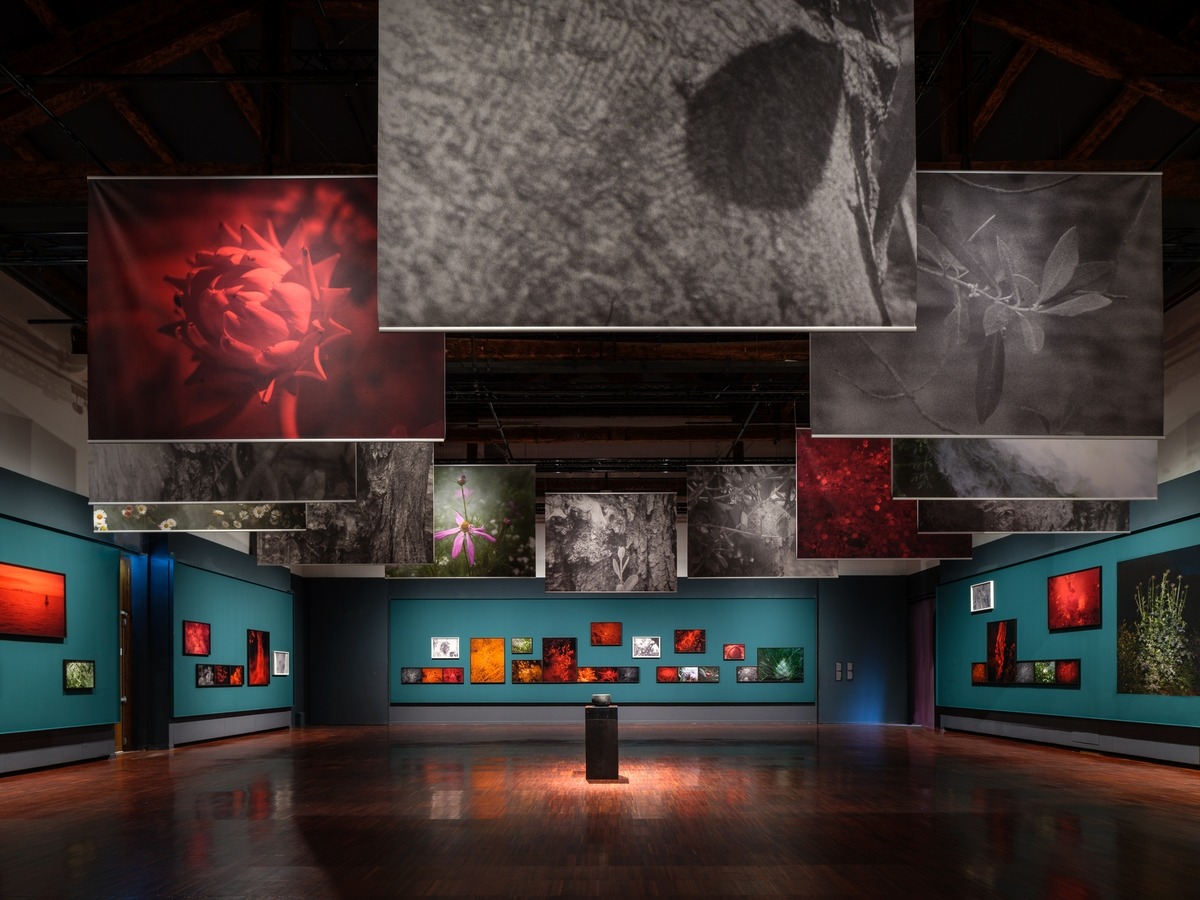
Photo / Dance; Reflections by Rinko Kawauchi, Olivia Bee ed Estelle Hanania. What the Garden Whispers, Le Stanze della Fotografia, Venice 2026. Photo Andrea Avezzù
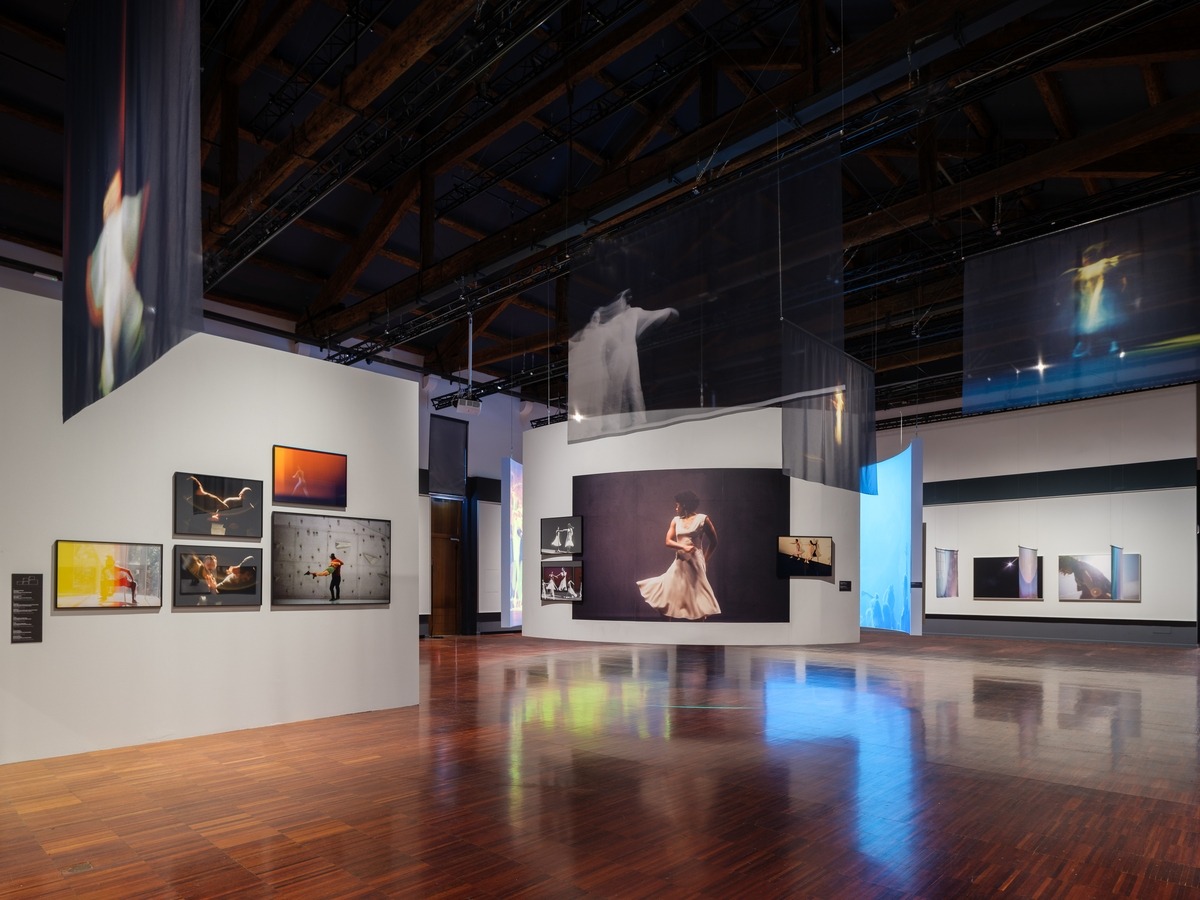
Photo / Dance; Reflections by Rinko Kawauchi, Olivia Bee ed Estelle Hanania. What the Garden Whispers, Le Stanze della Fotografia, Venice 2026. Photo Andrea Avezzù
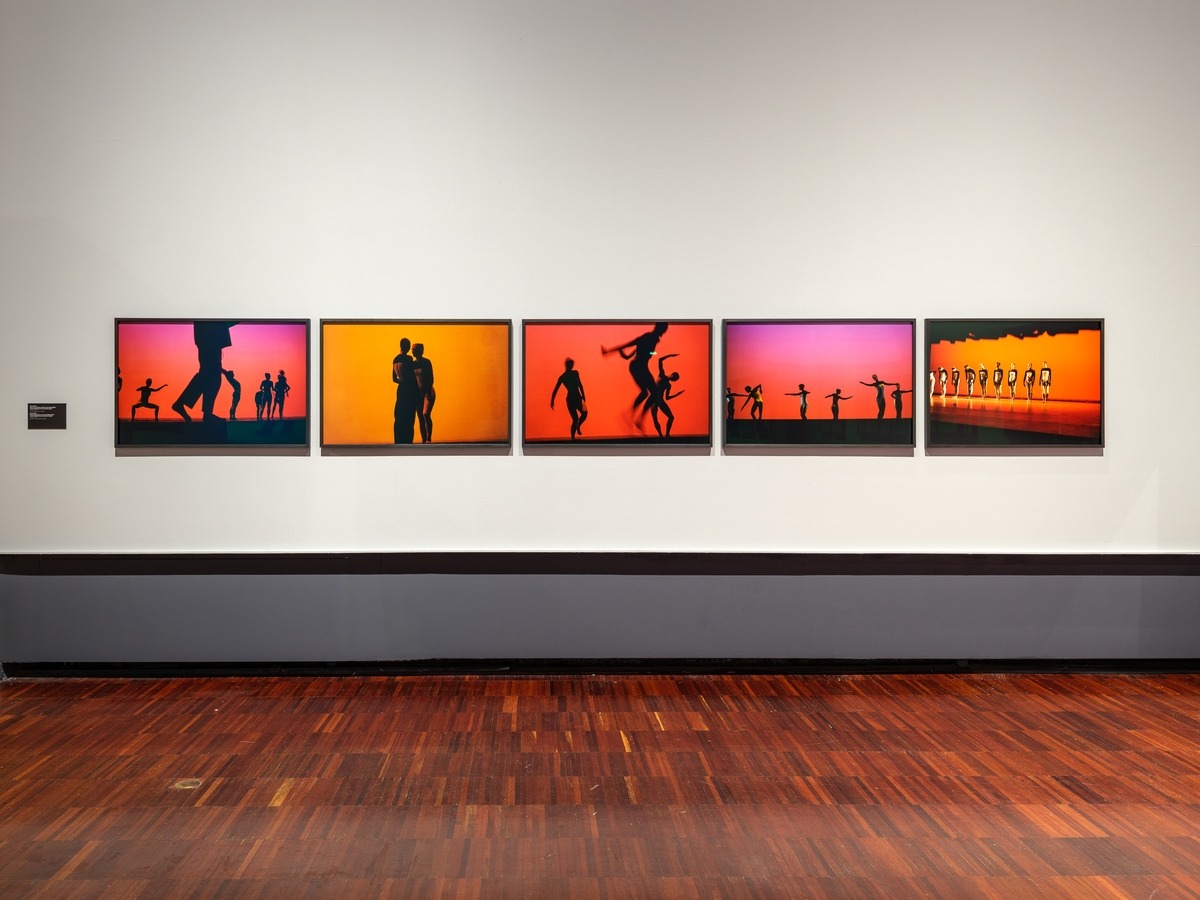
Photo / Dance; Reflections by Rinko Kawauchi, Olivia Bee ed Estelle Hanania. What the Garden Whispers, Le Stanze della Fotografia, Venice 2026. Photo Andrea Avezzù
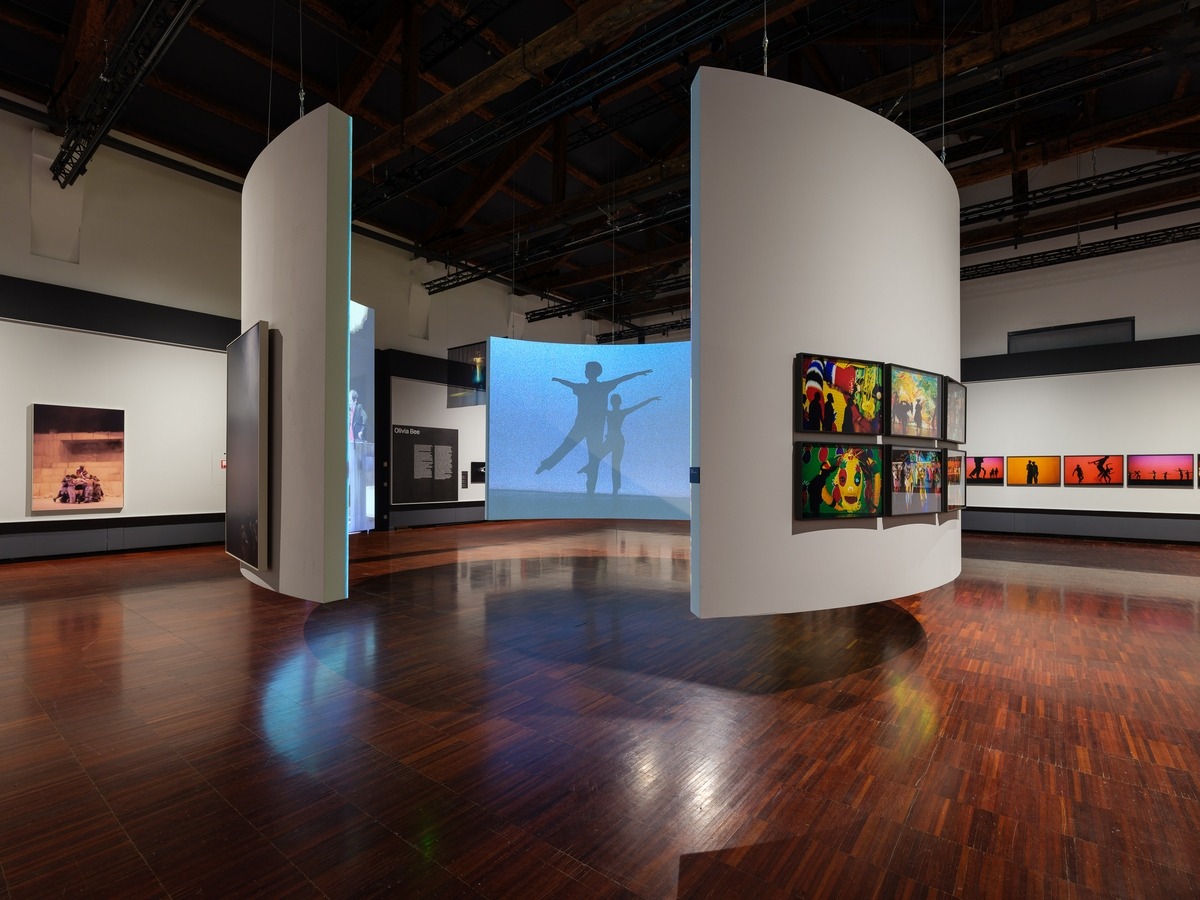
Photo / Dance; Reflections by Rinko Kawauchi, Olivia Bee ed Estelle Hanania. What the Garden Whispers, Le Stanze della Fotografia, Venice 2026. Photo Andrea Avezzù (cover photo)


Related Articles