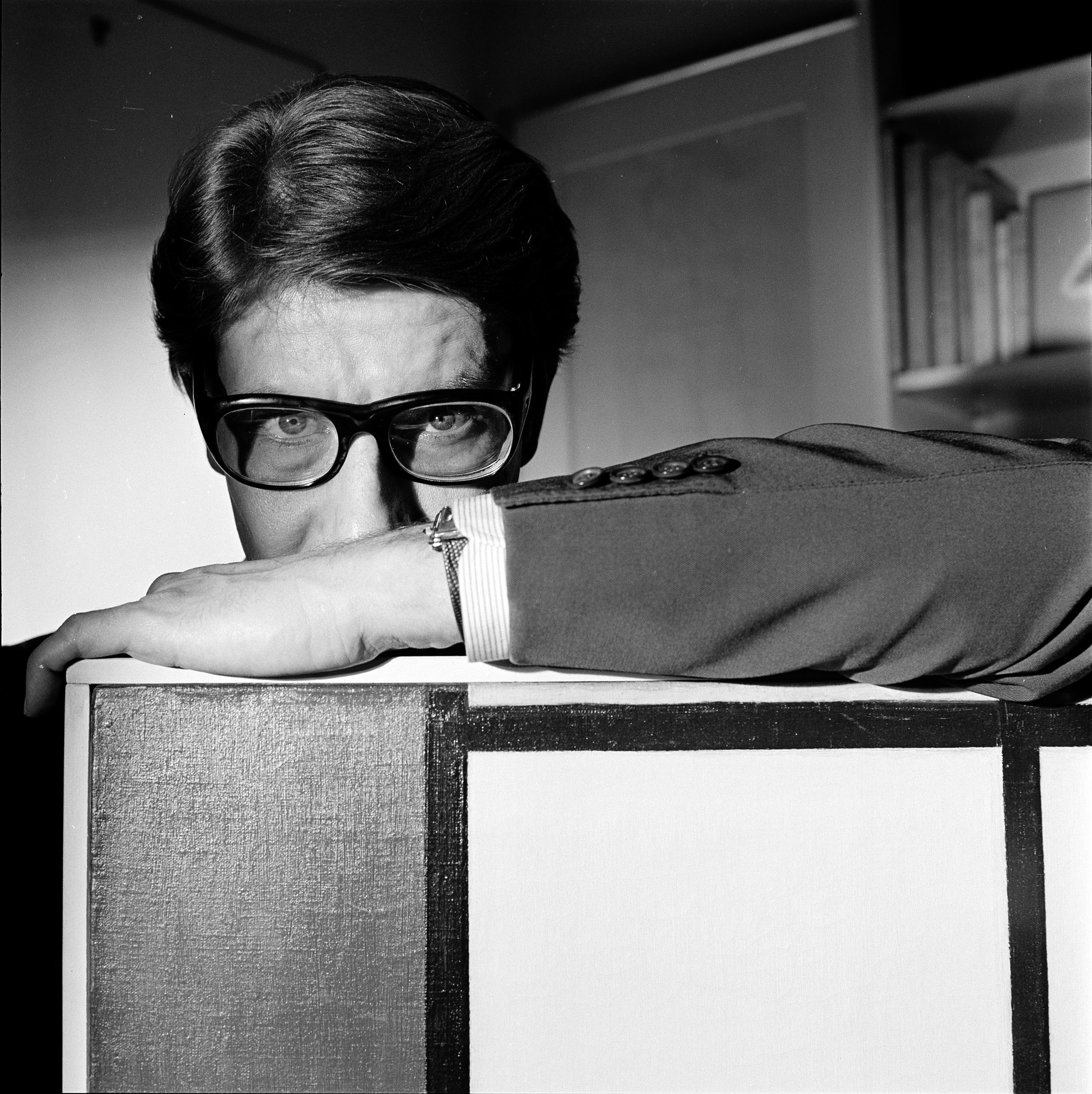
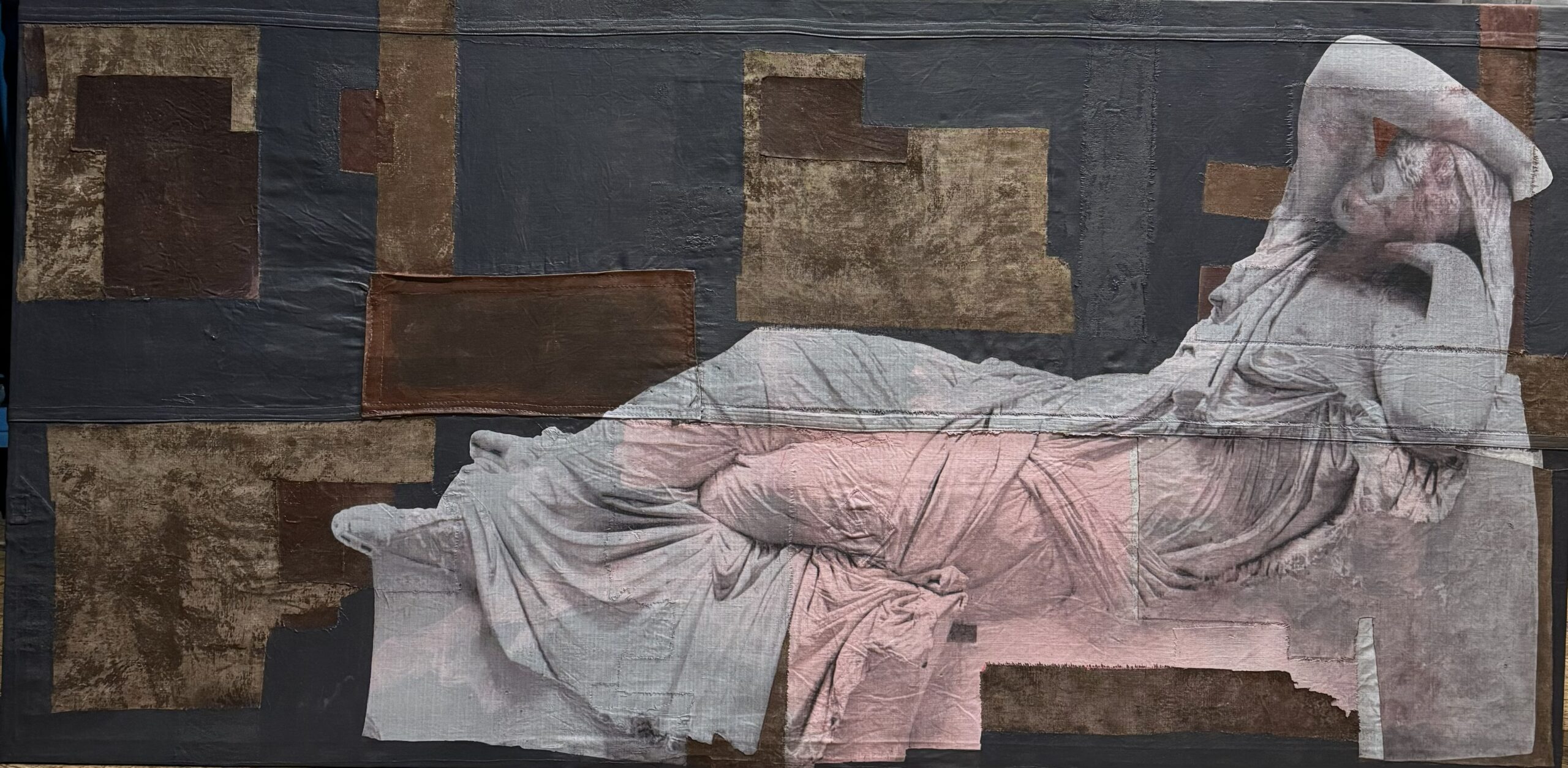
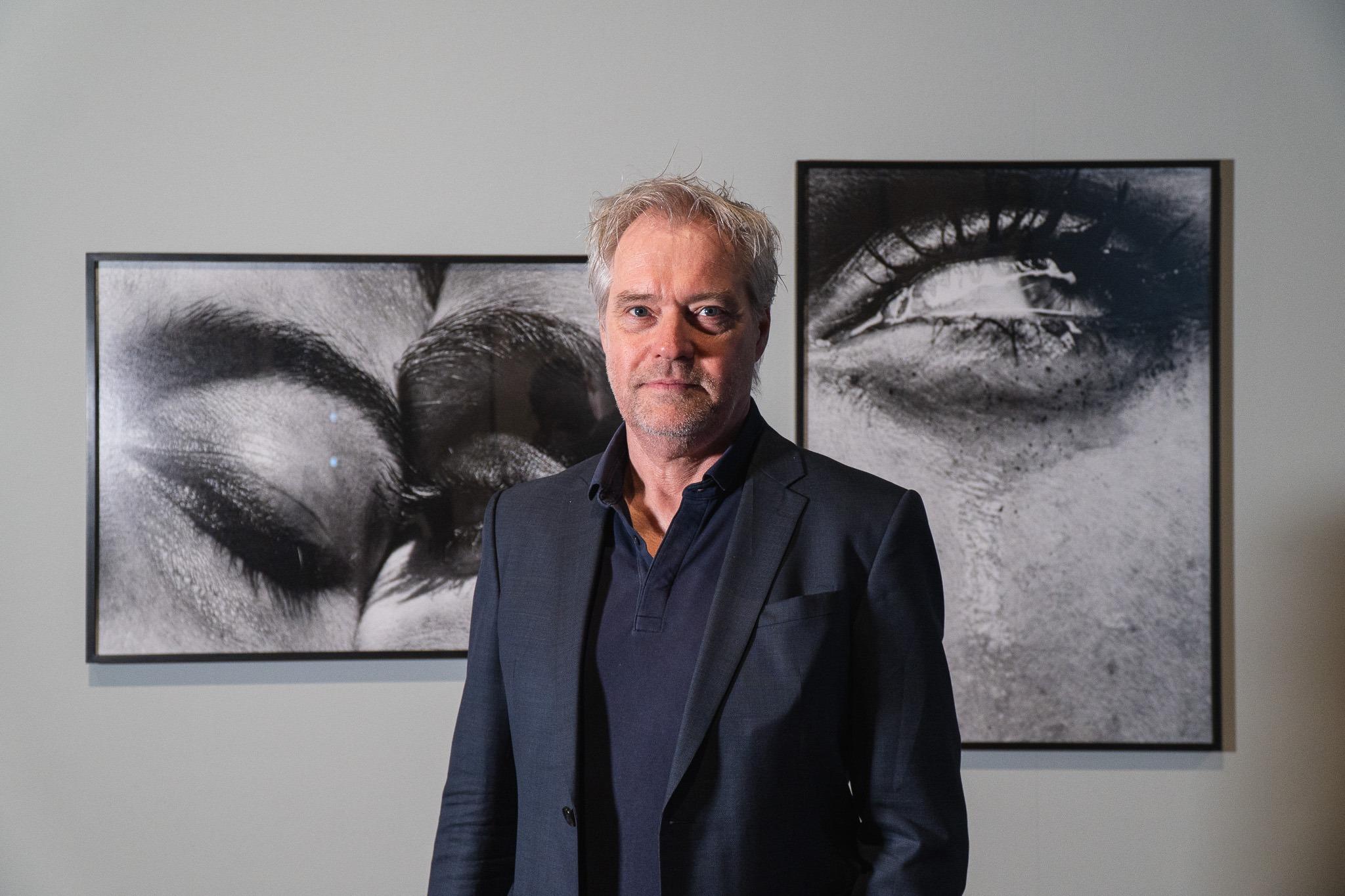
Recently inaugurated, the exhibition curated by Anne Morin in collaboration with Denis Curti uses geometry as a compass to recount the photographic story of Horst P. Horst. We asked Morin and Curti to tell us more
Fashion is not the only theme in the history and career of Horst P. Horst, a German-born American photographer who rose to fame in the pages of Vogue. Trained in architecture and inspired by classical art, Horst redefined the visual codes of the languages he used, becoming a model ‒ and a challenge ‒ for his successors.
The Geometry of Grace, the exhibition at Le Stanze della Fotografia in Venice curated by Anne Morin in collaboration with Denis Curti, accompanies the public on a journey of discovery of an exceptional artist.
The exhibition at Le Stanze della Fotografia in Venice traces the career and work of Horst P. Horst through more than three hundred pieces. What logic guided the construction of the exhibition itinerary and what story emerges from it?
Anne Morin: This exhibition devoted to Horst, The Geometry of Grace, which opened as a world premiere at Le Stanze della Fotografia, offers a transversal reading of the work of an artist long described as the great photographer of Vogue.
Indeed, his collaboration with Vogue has often led to his work being crystallised around the field of fashion photography. In reality, our curatorial work here has consisted precisely in deconstructing that language and analysing it almost as a surgeon would.
This visual language is structured around three major axes: line, volume, and space.
Line is directly borrowed from the fundamental principles of the Bauhaus visual language. In this regard, it is worth recalling a statement by Walter Gropius, who said that every work of art is, first and foremost, a construction.
The second aspect explored in the exhibition concerns volume and classical art ‒ an art based on what is known as the divine proportion. A perfect example of this can, of course, be found at the Gallerie dell’Accademia in Venice with Leonardo da Vinci’s Vitruvian Man, constructed according to precise geometric principles of proportion.
Finally, the third strand of the exhibition addresses the question of space, drawing directly on concepts already taking shape when Horst attended classes with Le Corbusier in the early 1930s. These ideas would later be developed under the term Modulor: man as a metric measure, in a harmonious relationship with space.
These are the three major principles underpinning this entirely unprecedented exhibition, which brings together nearly 400 works and it’s presented for the first time at Le Stanze della Fotografia.
Denis Curti: The logic stems from the great opportunity to draw freely from an endless archive. For us, it was a privilege, given that these are vintage images. Vintage prints are contemporary to the moment they were taken: if Horst took a photo in 1950 and printed it by 1953, we define it as vintage. The negative of the photo contains a huge amount of information, all of which is available. We consider the positive print of a photo to be the original ‒ all the information contained in the negative is transferred to the positive on a paper print, as the result of various choices, from the size and type of paper to the cropping of the photograph and the contrast.
The intrinsic value of vintage is that the work incredibly resembles the taste of the author who took it. In photography, the original is not the negative, but the vintage, because the positive print is different from the negative, the latter being a hybrid from which we obtain a final print that collects and contains the photographs. It is like having a roll of fabric, which is the alter ego of the photographic negative. From that roll, we obtain the cuts to create the dress.
Architecture plays an essential role in the visual interpretation proposed by the photographer, who trained in this field, collaborating with Le Corbusier. How did Horst P. Horst manage to use architectural rules as a tool to capture a wide variety of subjects, from still lifes and portraits to leading figures in the worlds of fashion, cinema and art?
Anne Morin: Each of Horst’s works functions as a mobile in itself, in the sense of a Calder mobile, in which every form is weighted and counterbalanced by its counter-form. All of Horst’s images contain multiple tensions between different elements. Indeed, he consistently employs an element and its opposite: black and white, concave and convex, solid and void, shadow and light.
This orchestration of elements and their opposites reaches a paroxysm in which the image becomes a moment of crystallisation. In reality, each of Horst’s images is a mathematical equation in which every element finds its precise place, and each image arrives at a point of confluence between these opposites.
It is in this sense that every image is a mystery, since its centre of gravity is never located on one side or the other, but precisely at their intersection. This entire aesthetic approach is deeply rooted in architectural, mathematical, and even philosophical conceptions.
Denis Curti: Horst internalized the concept of minimal space. From a philosophical point of view, photography encapsulates the entire world within something very small. Horst tried to expand the limits of this minimal space and, realizing that this was not possible, decided to describe the world using the tools he had at his disposal, organizing his thoughts within the space he was given.
In this context, what idea of beauty emerges from the photographs by Horst P. Horst?
Anne Morin: What is at stake here is in fact an extremely minimal, simple, and elliptical form of beauty. Horst never says too much. He suggests, he brushes against ideas, he induces meaning with very few elements ‒ even though his sets were meticulously constructed and could take an extraordinarily long time to build, always in an almost sepulchral silence.
Yet these are always restrained forms of beauty; I would say that he consistently remains slightly upstream, never fully revealing everything. He never truly says too much.
What is particularly compelling in Horst’s work, as revealed in this exhibition at the Stanze della Fotografia, is that beyond being nourished by an extremely eclectic range of references ‒both recent and distant within the history of art ‒ Horst ultimately succeeds in creating a body of work in its own right.
Within the context of Vogue publications, at a time when Condé Nast sought to infuse fashion photography with a language of aesthetic luxury, Horst can be seen as the continuation of the major principles previously established by Edward Steichen ‒ principles of which he was already an echo ‒ but which Horst would ultimately push much further.
Denis Curti: Horst understood that beauty is in the eye of the beholder and that it does not exist in an absolute form. Beauty is an ephemeral feeling and, over time, is subject to many changes. In the famous photo of the model seen from behind, we are captivated by the fluidity of the forms, the softness, the very fact that the model has her back to us, but that photo is full of imperfections, of elements that seem randomly arranged but are in fact studied in minute detail because Horst is the great master of staging.
He calculates everything, knowing that what he wants us to see ‒ the very feeling of beauty ‒ is up to him. Photographers show us what they decide to show us. Staged photography constructs a reality that does not exist in reality. Horst believed he could provide an idea of beauty through photographs consciously staged according to a logic of beauty that the photographer wanted to be in the eyes of the beholder. These elements of imperfection contribute to heightening the emotional tension of the gaze.
Looking at his works, a series of references to art history and clear anticipations of concepts and trends later developed by his successors stand out. How did the photographer learn from the past and look to the future?
Anne Morin: Horst’s work is a perfect illustration of a statement by the philosopher Giorgio Agamben, a close reader of Walter Benjamin, who wrote that between the archaic and the modern there exists a secret rendezvous ‒ not only because the most archaic forms seem to exert a particular fascination on the present, but above all because the key to the modern is hidden within the immemorial and the prehistoric.
This is precisely what Horst’s work brings to light: that encounter between the archaic and the modern which already projects forward into the future, generating new formulations and new forms that would later be taken up by other photographers, such as Richard Avedon, Irving Penn, or, later on, Helmut Newton.
Thus, this return to the past functions as a propelling force, one that drives the work decisively toward the future.
Denis Curti: Horst looked to classicism and helped rewrite the codes of expressive language within a field, that of fashion and still life, which had a series of rigidities before his intervention. He manages to clothe these fields in refined elegance thanks to the legacy of the Bauhaus order, which he makes his own. He creates order and stages it with a poetic ability that derives from the classical. Once he had produced these photographs, figures such as Richard Avedon, William Klein, and Newton himself had to work hard to find a new identity. Avedon had to photograph Dovima in a Dior dress surrounded by elephants, Klein took his models into the traffic and smog of New York, and Newton even included nudes, which is an oxymoron when it comes to fashion photography. Horst burst onto the photography scene, setting the bar very high and completely rewriting these visual codes. He didn’t care if the model had her back turned, quite the contrary.
Interview by Arianna Testino
BIO
Anne Morin (Rouen, France, 1973) is an Art Historian and the director of diChroma photography (www.dichroma-photography.com), a company specializing in international traveling photography exhibitions and the development and production of cultural projects.
A graduate of the National School of Photography in Arles and the École Supérieure des Beaux-Arts in Montpellier, Anne Morin is the director of diChroma photography (Madrid), a company specializing in international traveling photographic exhibitions and the development and production of cultural projects.
Passionate and enthusiastic, Anne Morin works for the revaluation and greater visibility of artists and photographers. She has curated numerous exhibitions of prestigious photographers and artists such as Berenice Abbott, Isabel Muñoz, Vivian Maier, Robert Doisneau, Jessica Lange, Jacques Henri Lartigue, Pentti Sammallahti, Margaret Watkins, Rodney Smith and Saul Leiter, among others.
Denis Curti is the artistic director of Le Stanze della Fotografia. In 2014 he founded STILL, a multifunctional space in Milan with a focus on photography. He is the artistic director of the “Festival di Fotografia” in Capri and in the past he directed the “SI FEST” in Savignano sul Rubicone. He is the editor-in-chief of the magazine Black Camera and Course Leader of the Master in Photography of Raffles Milano. In the Nineties he directed the photographic section of the IED in Turin and the Fondazione Italiana per la Fotografia. For over fifteen years he was a journalist and photo critic for the pages of Vivimilano and Corriere della Sera, from 2005 to 2014 he was director of Contrasto and vice president of the Fondazione Forma in Milan.
INFO
Horst P. Horst. The Geometry of Grace
until 5 July 2026
LE STANZE DELLA FOTOGRAFIA
Isola di San Giorgio Maggiore, Venice
https://www.lestanzedellafotografia.it
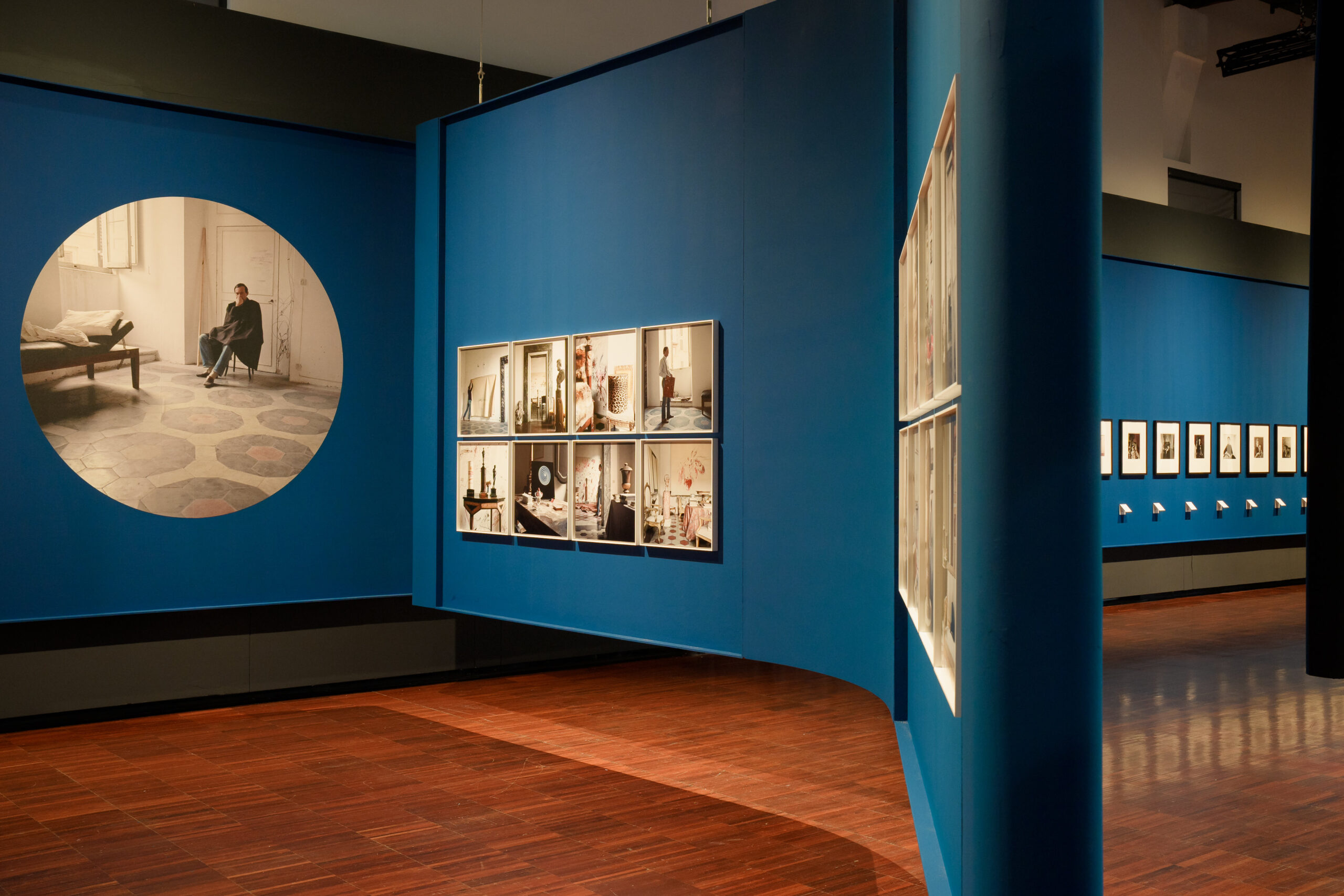
Horst P. Horst. The Geometry of Grace, exhibition view, Le Stanze della Fotografia, Venice 2026. Photo Andrea Avezzù
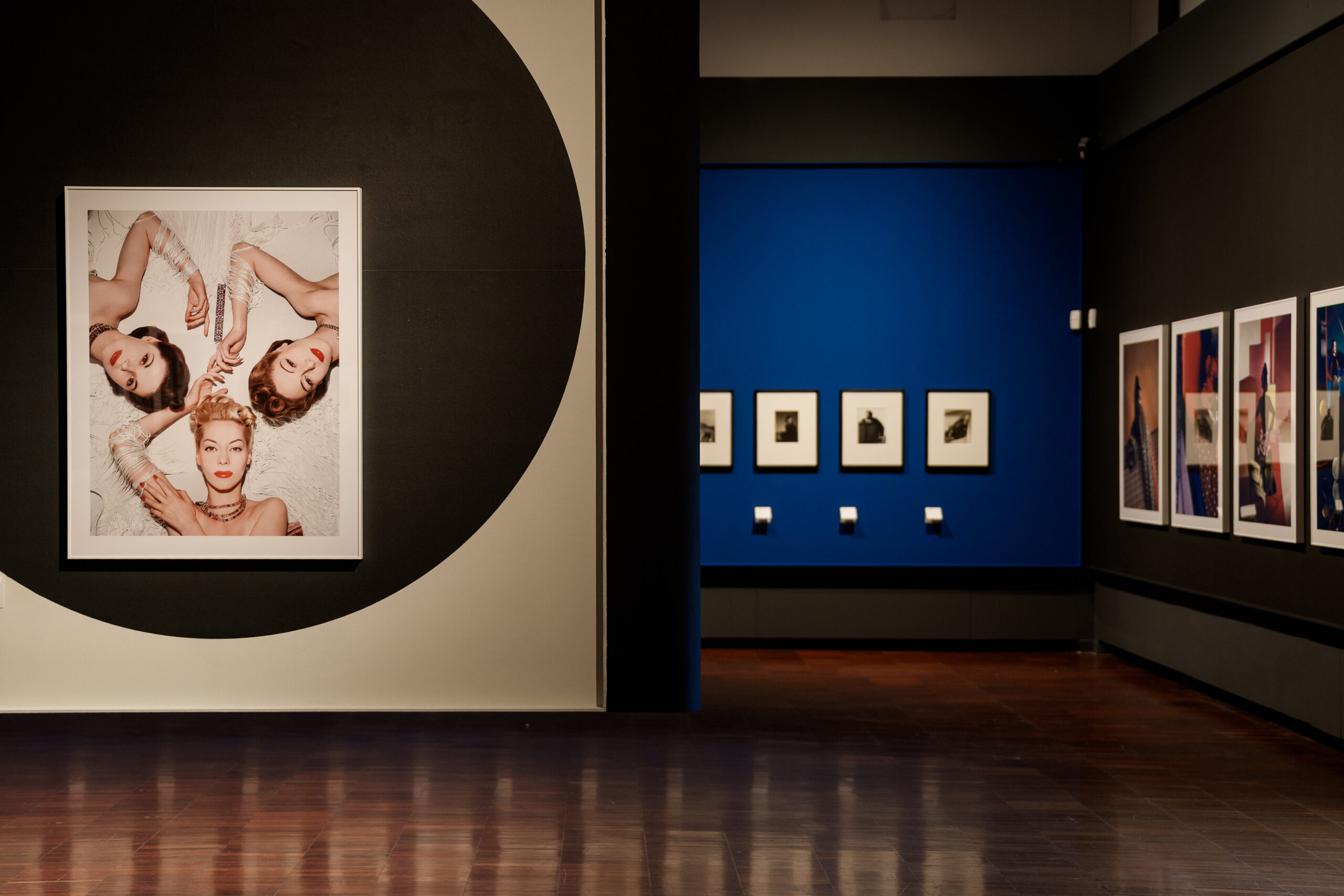
Horst P. Horst. The Geometry of Grace, exhibition view, Le Stanze della Fotografia, Venice 2026. Photo Andrea Avezzù
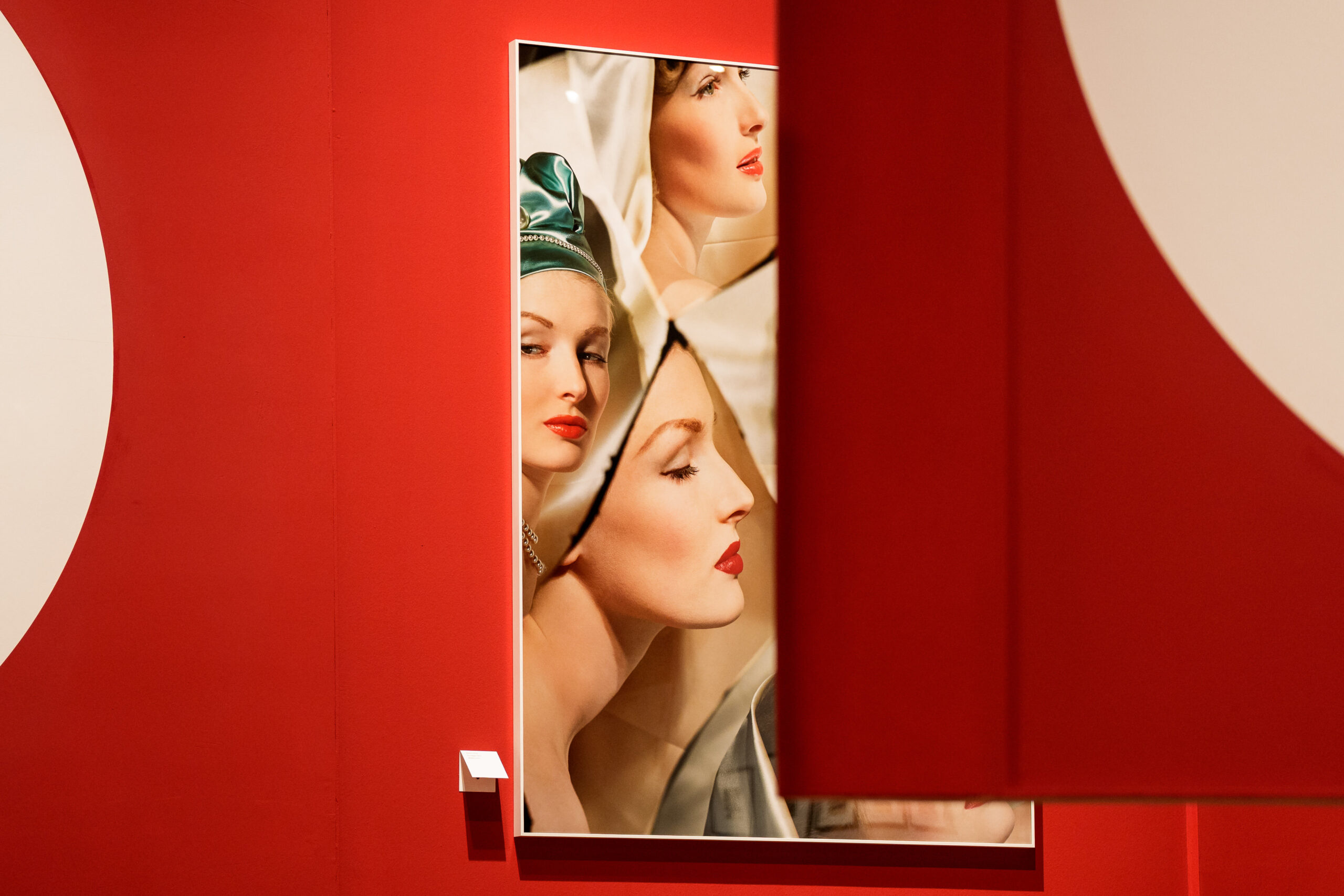
Horst P. Horst. The Geometry of Grace, exhibition view, Le Stanze della Fotografia, Venice 2026. Photo Andrea Avezzù
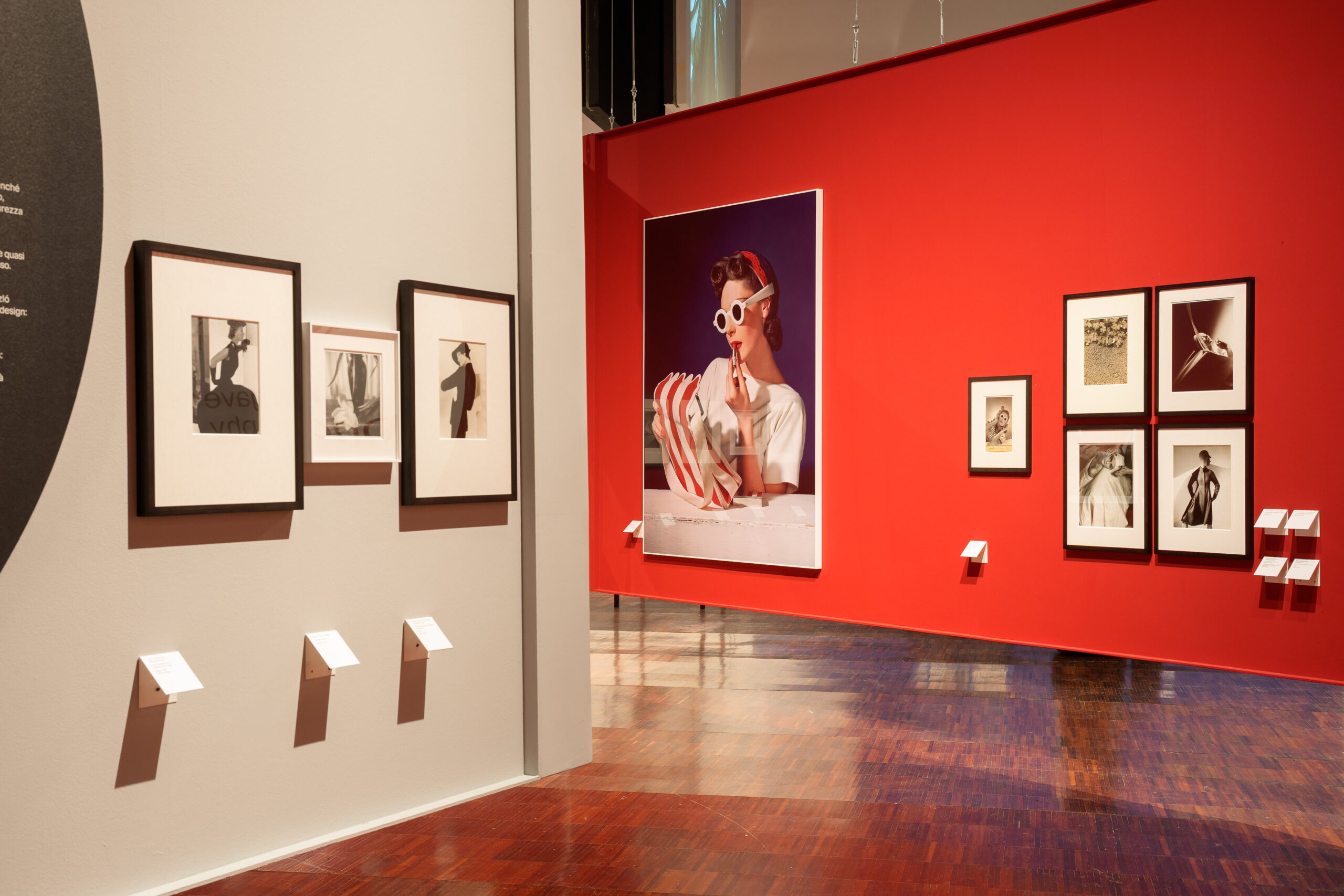
Horst P. Horst. The Geometry of Grace, exhibition view, Le Stanze della Fotografia, Venice 2026. Photo Andrea Avezzù
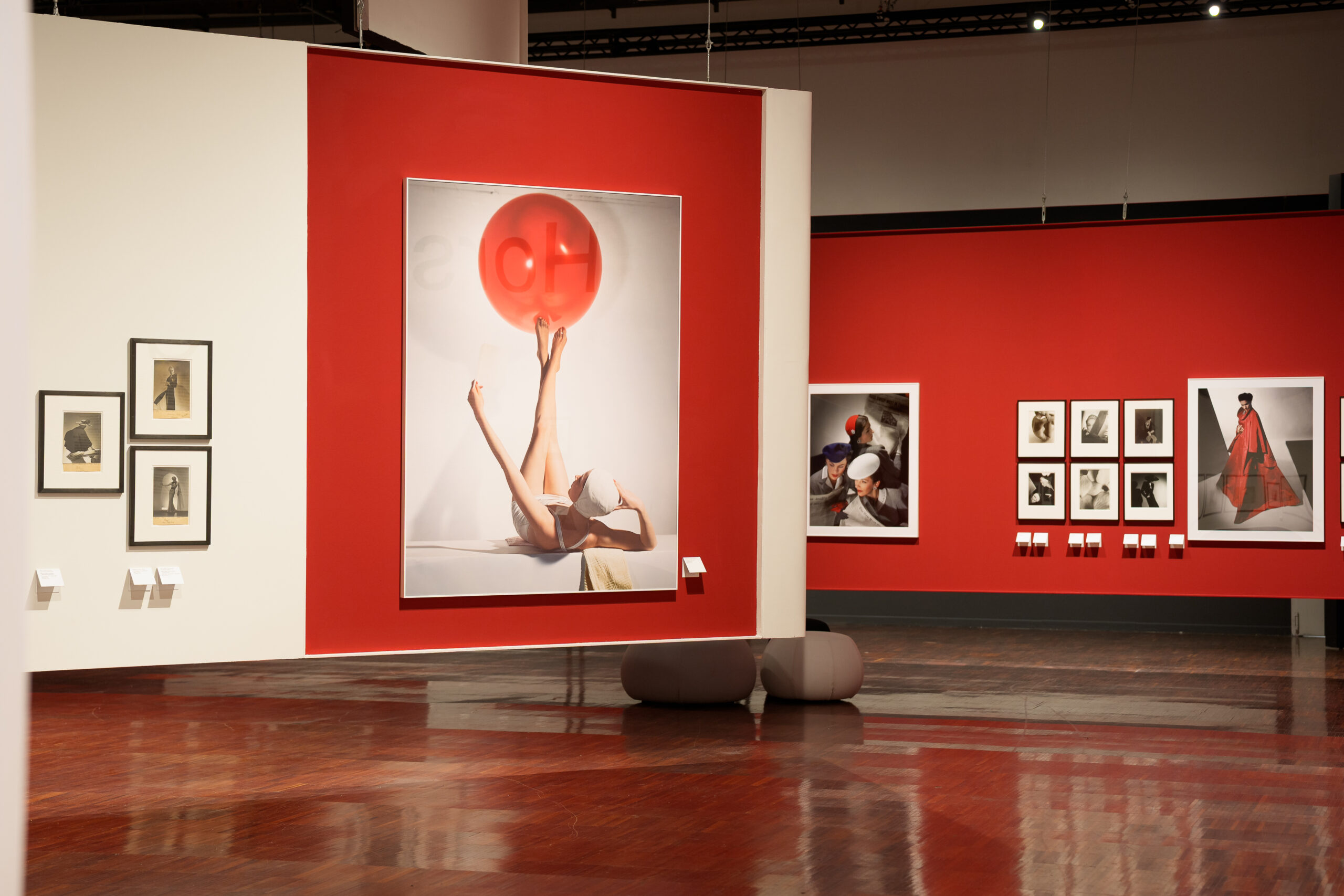
Horst P. Horst. The Geometry of Grace, exhibition view, Le Stanze della Fotografia, Venice 2026. Photo Andrea Avezzù (cover photo)
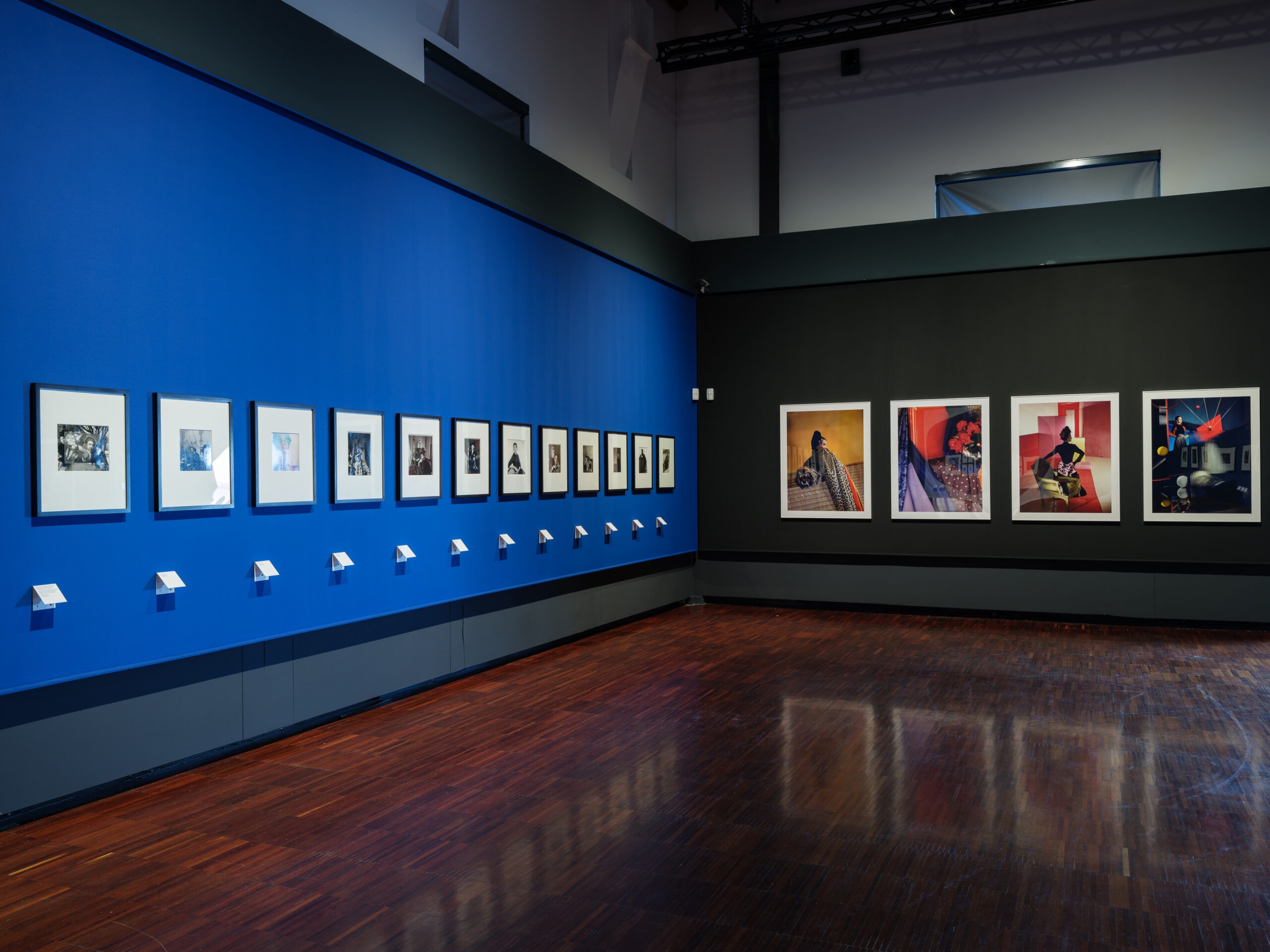
Horst P. Horst. The Geometry of Grace, exhibition view, Le Stanze della Fotografia, Venice 2026. Photo Andrea Avezzù
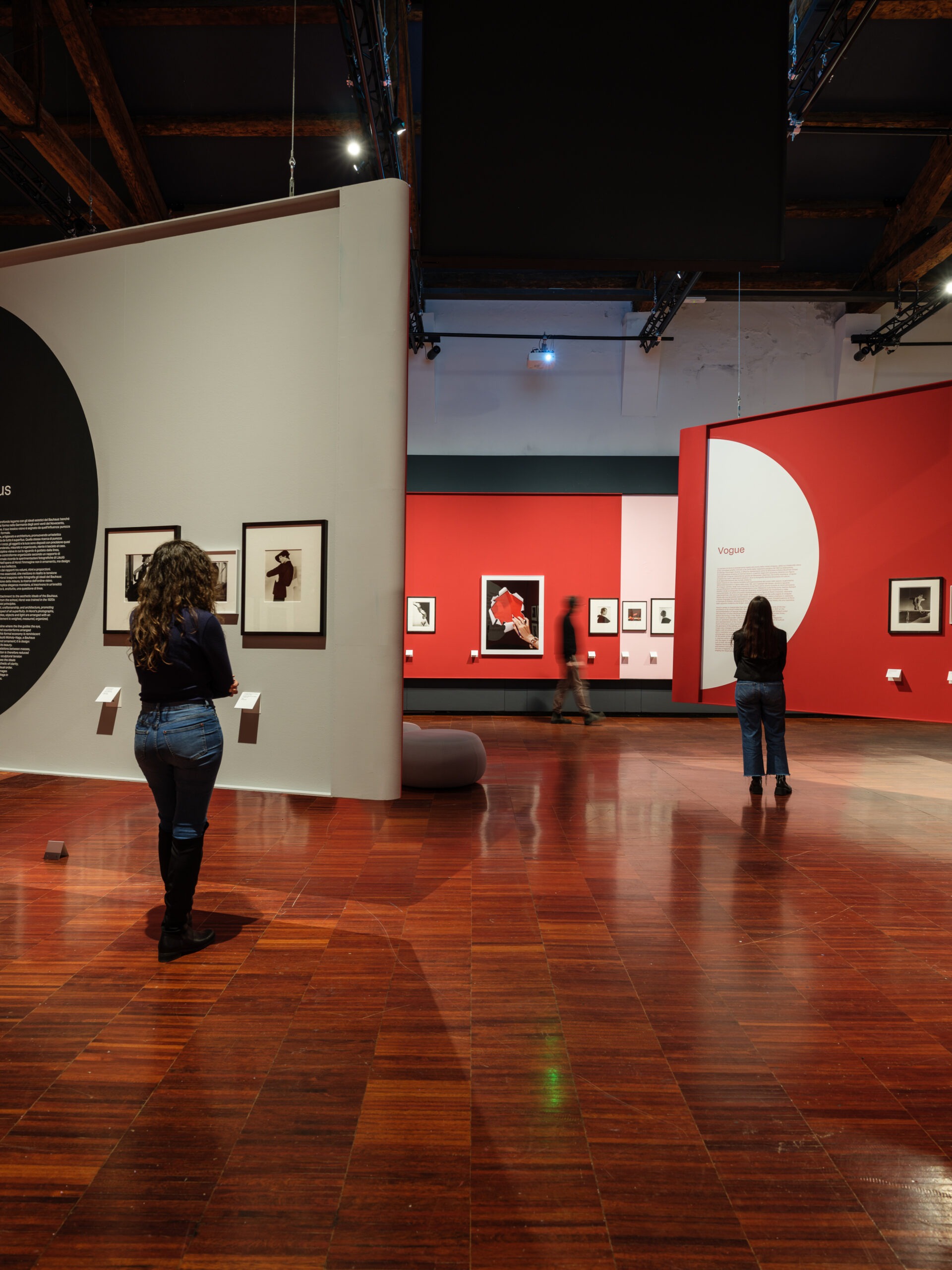
Horst P. Horst. The Geometry of Grace, exhibition view, Le Stanze della Fotografia, Venice 2026. Photo Andrea Avezzù


Related Articles