Entitled “Europe Inspiration”, the series of exhibitions is set to open against the backdrop of the Basilica Palladiana in Vicenza. Curated by Gabriella Belli and Valerio Terraroli, the three exhibitions use encounter and dialogue as key lenses through which to interpret the cultural ties that, over the centuries, have linked Italy to Germany, France and Spain
On 13 November 2026, the curtain will rise on the first exhibition in the Europe Inspiration trilogy, hosted by the Basilica Palladiana in Vicenza, curated by Gabriella Belli and Valerio Terraroli, promoted by the Municipality of Vicenza, and created in collaboration with the Andrea Palladio International Centre for Architectural Studies and the Fondazione Teatro Comunale Città di Vicenza.
An opportunity not to be missed to understand the birth and evolution of the European spirit, which today is increasingly threatened by fierce geopolitical conflicts and a rampant distrust of dialogue and engagement with others. It is precisely these latter tools that have guided the curatorial work of Gabriella Belli and Valerio Terraroli, who explained to us: “At this time of serious global difficulties, the call for culture as a tool for peace, reflection and dialogue is the most important factor. We want to speak to all reasonable people – who may hold differing views on various issues – and who are open to dialogue and ongoing positive engagement with others.”
Europe Inspiration, promoted and organised by Marsilio Arte, thus weaves together the artists’ stories with the political and social history of the continent, shaping a narrative that spans the decades within specific timeframes. The opening chapter of the trilogy, dedicated to relations between Italy and Germany, begins at the end of the 18th century and moves towards the 20th century and the present day, finding valuable points of reference in certain significant dates and the events linked to them, whilst highlighting the equally important exchanges between Italian and German artists. It begins, therefore, with Goethe – “an emblematic figure for European culture”, as Terraroli emphasises – who experienced his journey to Italy as “a journey of self-discovery. Italy, visited for what it represented in the collective memory – namely antiquity and the Renaissance – is a mirror in which Goethe and all those who followed or preceded him during that phase of Enlightenment culture found themselves”, Terraroli continues.
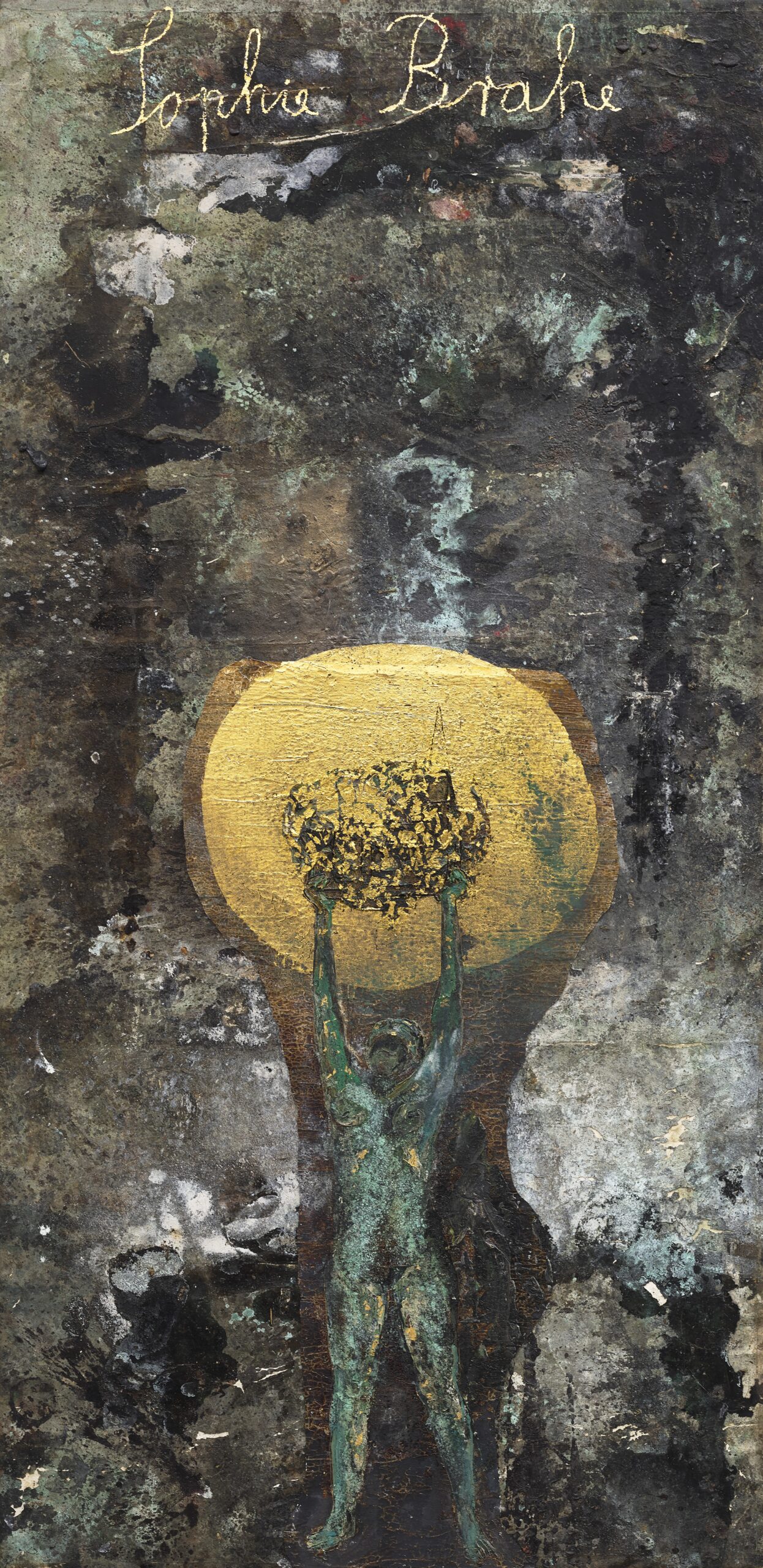
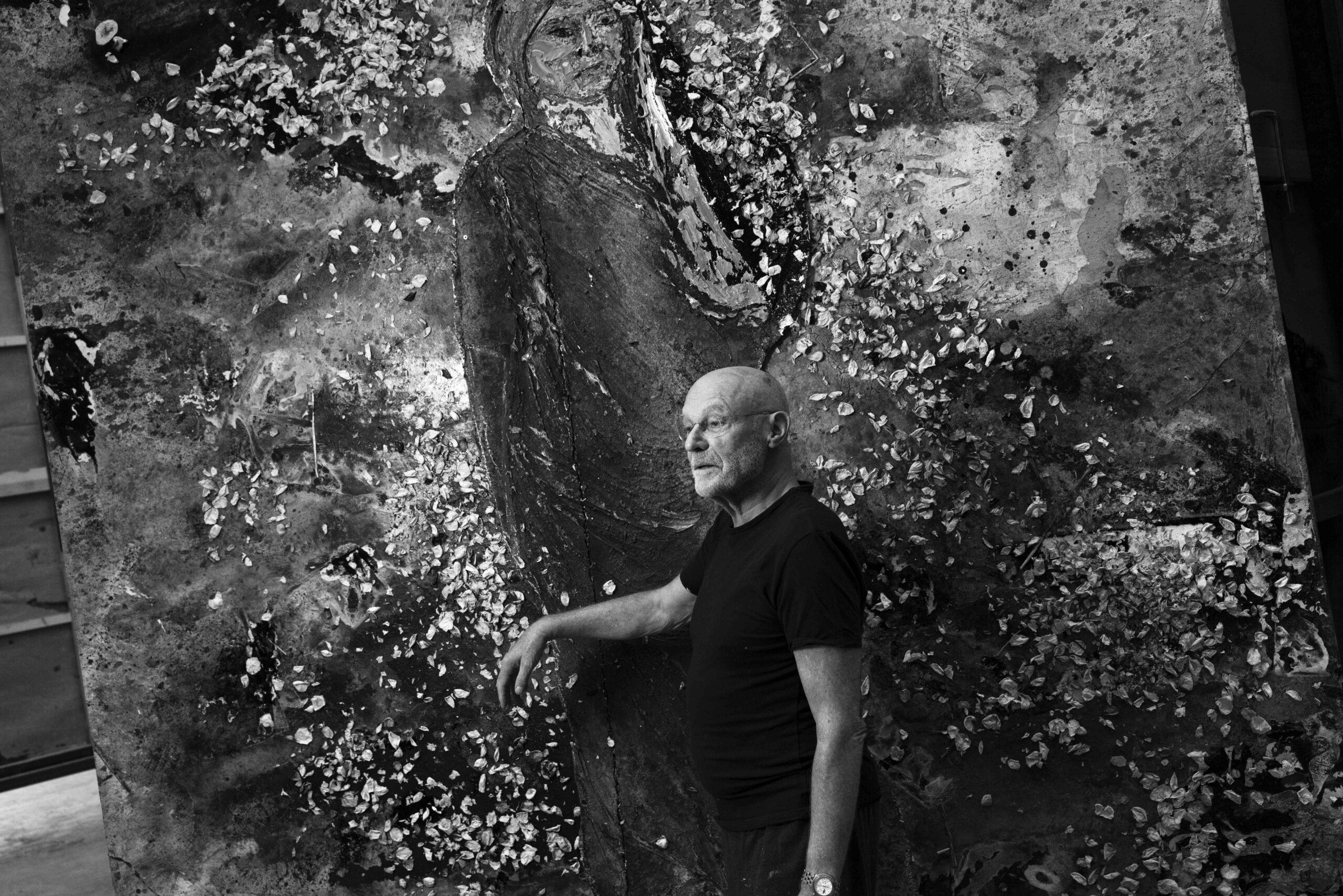
Whilst 1810 marked the arrival in Rome of the two German artists Franz Pforr and Friedrich Overbeck – founders of the Nazarene community, who regarded 15th-century Italian painting as its model – the dialogue subsequently intensified in the wake of the Munich Secession and Italian Symbolism. “The bridge linking to the twentieth century is Futurism,” explains Terraroli: in 1912 and 1913, the Der Sturm gallery in Berlin hosted two historic exhibitions in which the Italian Futurists also took part, fostering an exchange with the German Expressionists of Die Brücke and Der Blaue Reiter. Between the two world wars, Italian Magic Realism and German Neue Sachlichkeit revealed numerous points of contact, both serving as custodians of twentieth-century turmoil. Post-war reconstruction also took place through art, and this exhibition journey sets out in pursuit of the contemporary thanks to the leading figures who shaped the decades of the second half of the twentieth century – from Mack to Fontana, from Beuys to the voices of Arte Povera, from Vedova to Nitsch, right through to Gerhard Richter and Anselm Kiefer, bringing the circle back to the present day.
“The layout of the Basilica Palladiana will be organised as a sort of grand avenue, with sections branching off to the sides, alongside highlighted dates, which the public will be able to follow as a journey,” explains Terraroli, adding that the structure of the other two exhibitions – focusing respectively on the ties between Italy and France (2027) and between Italy and Spain (2028) – will be similar, though not identical, once again identifying key dates and historical periods to shed light on the development and depth of the artistic and cultural relations between the two countries.
Arianna Testino
INFO
13 November 2026 – 2 May 2027
Europe Inspiration. Italy Germany. Painting and Sculpture between the 19th and 20th centuries. From Canova to Kiefer
BASILICA PALLADIANA
Piazza dei Signori, Vicenza
https://www.mostreinbasilica.it/
Related Articles