An undisputed legend of alpine skiing, known all over the world for her amazing victories, Deborah Compagnoni is an ambassador for the Milan Cortina 2026 Olympic and Paralympic Winter Games. In this interview, inspired by the book Cortina 1956. Le primi Olimpiadi bianche in Italia by Massimo Spampani, edited by Eleonora De Filippis and published by Marsilio Arte, the athlete, together with journalist Maria Luisa Agnese, retraces her career on the slopes and looks to the future
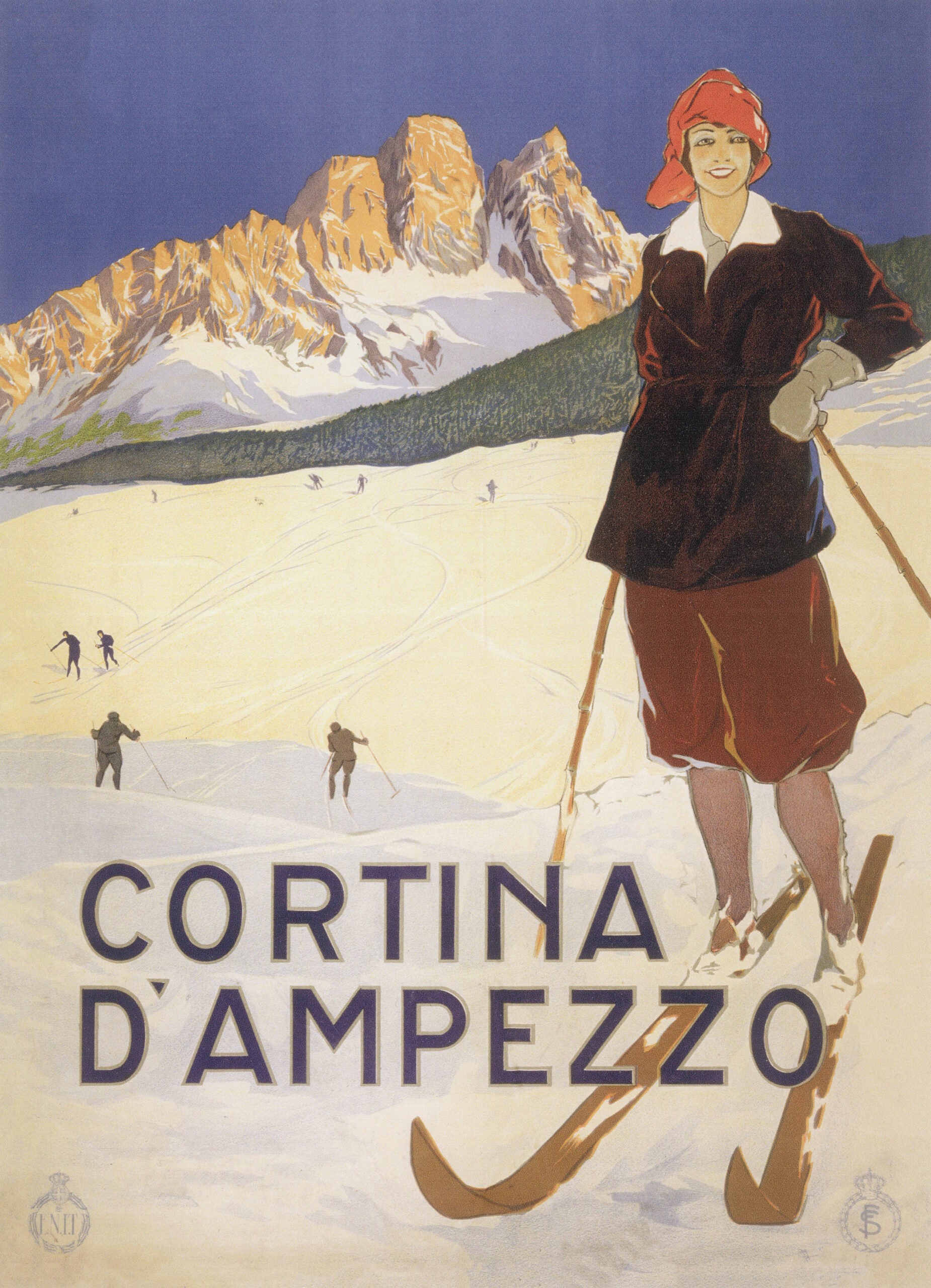
There was little snow that year in Cortina, and the 1956 Olympics, eagerly awaited and prepared for, were just around the corner. What could be done in a world without today’s snow-making machines? The Alpine troops took care of it, fetching snow from the coldest places, carrying it to the slopes on their shoulders in large panniers. Born under the banner of craftsmanship that would later prove to be a winning factor and earn the organization worldwide acclaim, the 1956 Olympics boosted the country in many fields, becoming a little laboratory of ideas and innovation. For Cortina, first and foremost, which has since experienced a complete revival (including millions of cubic meters of construction, with all the attendant controversy). Already in the 1930s, with famous people frequenting it, from the Savoy royals to Edda Ciano, daughter of the regime ‒ in her own way the first spokesperson for new trends ‒, Cortina was a must-see destination for the few privileged vacationers of the period. But with the 1956 Olympics, it became an international destination and a symbol of the rise of winter skiing as a new status symbol for Italy, emerging from the postwar era to tackle the explosion of consumption and wealth during the economic boom.
There were celebrities from around the world, actors, actresses, and Sophia Loren as patroness on the slopes in all-white, coat, hoodie, boots, and dazzling green eyes. Queues of new enthusiasts lined the slopes, the Ice Palace was always packed, and TV stations from around the world documented the event. Endless excitement for the athletes, the victories, and the valley of outstanding beauty.
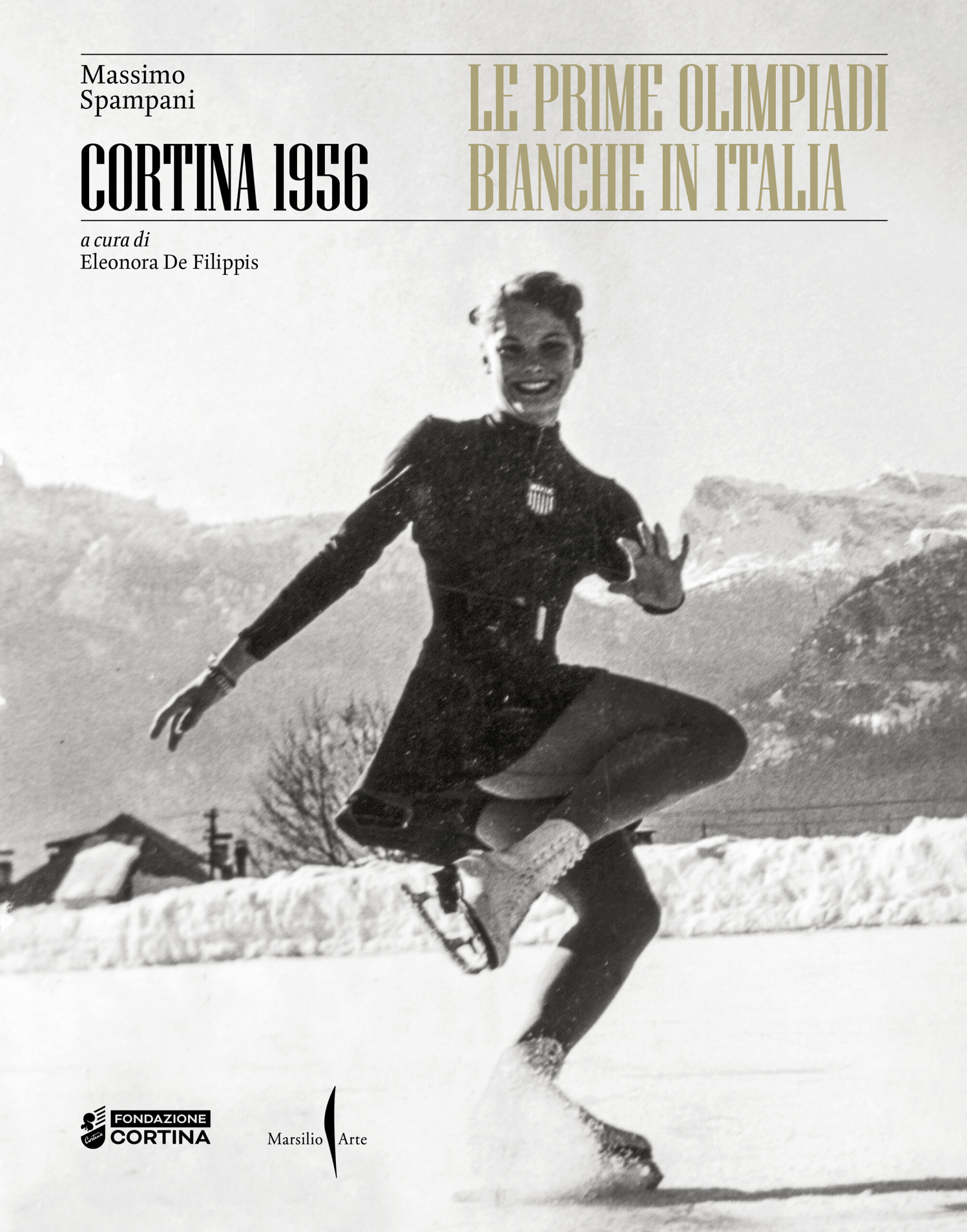
Today, seventy years later, it’s happening again: the Milan Cortina 2026 Olympics are just around the corner, and for those who don’t want to be caught unprepared there’s the book Cortina 1956. Le prime Olimpiadi bianche in Italia by Massimo Spampani, edited by Eleonora De Filippis, published by Marsilio Arte, which recounts the epic story of those events with historical context and a wealth of anecdotes.
What has Cortina meant in these years: we discuss it with a true champion, Deborah Compagnoni, winner of three gold medals and a silver medal in three different Olympic Games, three world gold medals, a World Cup Giant Slalom medal, and the winner of numerous races. She has a ski slope dedicated to her in Santa Caterina Valfurva, where she was born, and now she is an ambassador for the Milan Cortina 2026 Olympic and Paralympic Games.
THE INTERVIEW WITH DEBORAH COMPAGNONI
You weren’t born yet in 1956, but it’s well known that those Olympics sparked a passion for skiing in Italy, both amateur and professional. How much has skiing changed since then?
The world of skiing is constantly evolving; research is continuously being done both in terms of equipment and athlete preparation. What remains unchanged is the snow, even if it’s artificial, and the slopes, even if they’re smoother now, as you can see in the summer. What remains is the sensation of sliding, the thrill of gliding on the snow, feeling the air, the speed.
In the book about Cortina, there’s a quote from the writer Goffredo Parise: You skied “alone against the sun, but with the noise of your own expanding energy”.
Noise, well, when you descend at full speed, you hear the rustle of the wind. Perhaps he meant that you experience a series of emotions so strong that they create noise.
The weight and the role of athletes also changed significantly during those Olympics. In 1956, for example, there were no Japanese women athletes, and the Prince of the Rising Sun explained it by saying that women preferred to stay at home. You, all this time later, have skiing and a family.
Yes, although it’s still more difficult for a woman. I stopped in 1999, then I had children and a family. It’s still difficult to balance, especially for your children, when you’re still active, also because of the risk factor.
For example, the day after your victory in the super-G in Albertville in 1992, you fell with that scream that still sticks in my memory, while hugging your left knee as if to put it back in place. What do the failures and falls that sport brings teach us?
I’ve had many highs and lows, but they teach you to get back on your feet. To strive again, to understand that you can still do it, also out of respect for all the sacrifices made. In fact, after ‘92 I had my best races.
You’ve won a lot in your life, including a medal in Cortina. On January 26, 1997, you took home a World Cup in the Giant Slalom with a flawless descent on the Tofane: what do you remember?
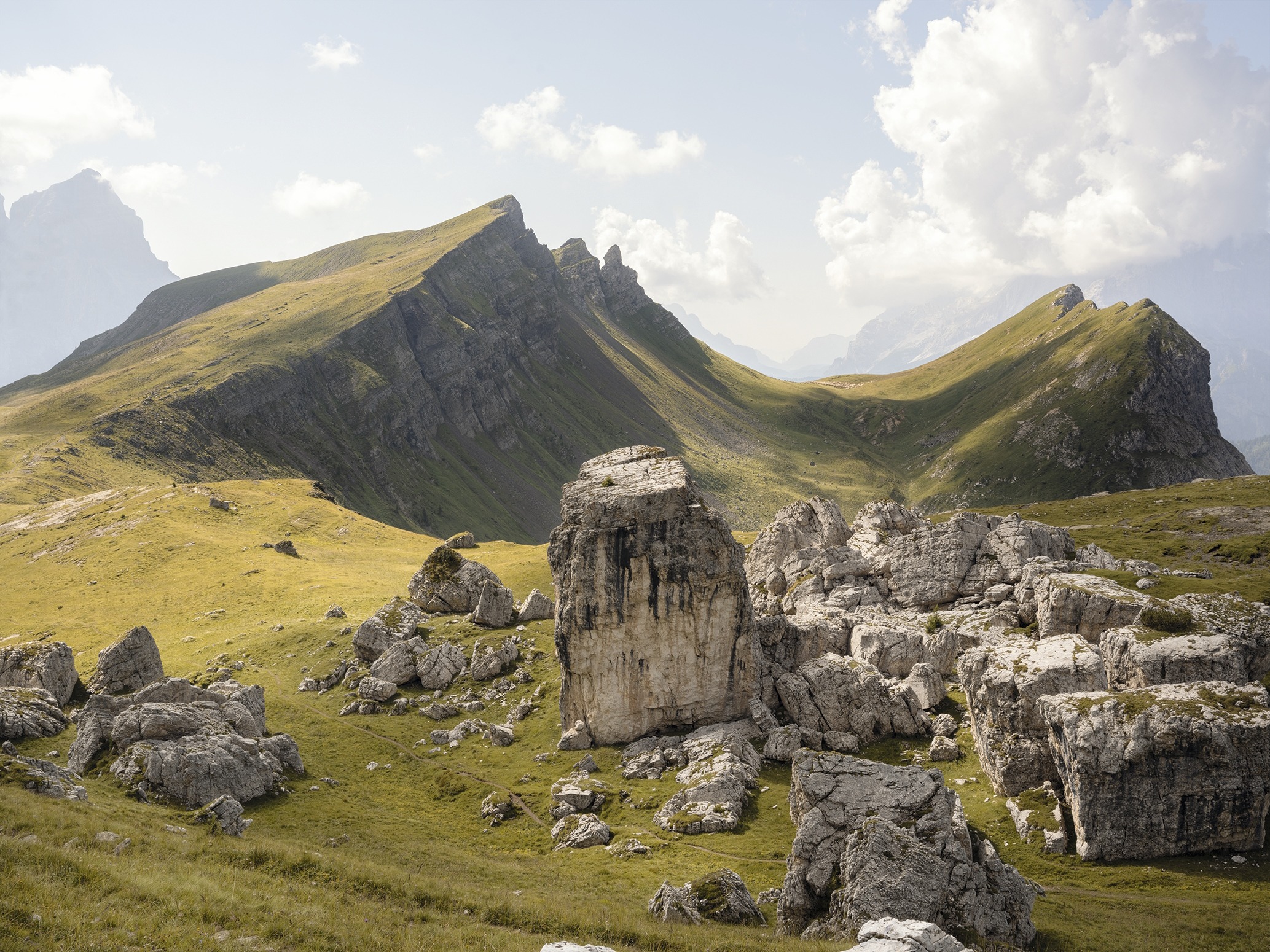
Yes, it was a classic slope, the Olympia delle Tofane. I won that time, but I’ve also ridden it many times as a tourist, on vacation in Cortina, with so many fond memories: it’s a slope that’s not trivial, valid for all disciplines, fast, not difficult but technical, with iconic, unique sections, like the passage to the Duca d’Aosta, the rocks above, the schuss, a wide bend, the forest, and the Rumerlo hill. This year, the Giant Slalom and Special Slalom are returning to that slope.
Last time, the Cortina Olympics really launched this place and skiing. What do you, as an ambassador, hope will happen this time?
First of all, that they are a success, on a technical level. And then, since Cortina doesn’t need promotion, I hope we can manage tourism well throughout the seasons: it’s nice to think of tourism spread throughout the year. We need to promote lesser-known itineraries.
In your book, Una ragazza di montagna (A Mountain Girl), you recount how, in an elementary school essay at age 9, you wrote: “When I grow up, I’d like to ski, compete, but it’s not a job; I’d like to paint real, big pictures and sell them”. Skiing became a job. Any regrets about painting?
No regrets. As children we dream so many things, but I’ve tried to cultivate my passion and passed it on to my daughters, who both love art; the youngest, Luce, paints and is creative. I love going to exhibitions, and for the book about my childhood, Una ragazza di montagna, I drew the bookmark: a child on top of a rock, free to explore; in nature, one feels free.
Which came first, your love of nature or of skiing?
I’d say it happened at the same time. Dad was a mountain guide and took my brother and me on excursions with other friends to the Santa Caterina mountains. But exploring has always been more important than the competitive aspect.
Then came that part for you too.
Gradually, I began to challenge my brother, but it was a simple, natural process, not as pushy as it sometimes is today. I believe one of the great challenges today is to rediscover a more serene relationship with sport, including a wellness aspect, which, after all, are the real Olympic values. And if natural learning takes place from an early age, if you play sports for the pleasure of doing it, you’re left with many memories that are good and inoculate you. That is why I’m a big promoter of more sports in school.
Your first life on skis, your second as a mother, and now a third.
It’s always connected to skiing, but in a different way. I’m making the experience I’ve gained over many years as an athlete available through sports consultancy. I collaborate on the Alta Via ski and trekking line, technical clothing at affordable prices, distributed by OVS. I founded an organization, Sciare Per La Vita ODV (www.sciareperlavita.it), which raises funds to support treatment and research into childhood haematological and oncological diseases. There are many ways to help everyone get involved in sports and skiing, without leaving anyone behind.
Interview by Maria Luisa Agnese
BIO
Maria Luisa Agnese, a Genoa native with a degree in Philosophy, is a curious journalist who began working at weeklies (Panorama, Specchio, and as editor of the weekly publication Sette), moved on to Corriere della Sera, and edits a column in 7, Obituary. She recently wrote Anni Sessanta, quando eravamo giovani (The Sixties, When We Were Young) for Neri Pozza. Her hobbies include ballet and yoga.
A legend of Italian and international alpine skiing, Deborah Compagnoni’s achievements include three world championship gold medals, three gold medals and one silver medal at three different Winter Olympics, 44 World Cup podiums (including 16 victories) and one World Cup Giant Slalom title. Today, Deborah is involved in various projects: her own line of ski and trekking clothing, Altavia by Deborah Compagnoni, a special edition of her historic Dynastar skis, and her prestigious role as ambassador for the Milan Cortina 2026 Olympic and Paralympic Games. Deborah is also an author: she published her first book, Una ragazza di montagna, with Rizzoli, in which she regales readers both big and small with twenty stories from her “happy childhood filled with snow, meadows, and adventures”.
A ski slope in her hometown of Santa Caterina Valfurva, a stretch of the Jesolo seafront, and an airplane in the ITA fleet have been named after her. She leads a healthy and active lifestyle and has always been involved in social work as a UNICEF ambassador and with her non-profit organization Sciare Per La Vita, which raises funds to support the treatment and research of childhood haematological and oncological diseases.
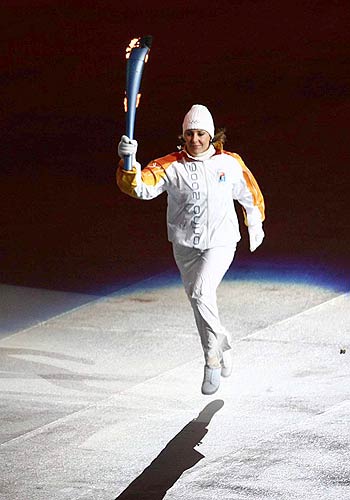
Deborah Compagnoni torchbearer at the Turin Olympics, 2006. Photo credits Pentaphoto
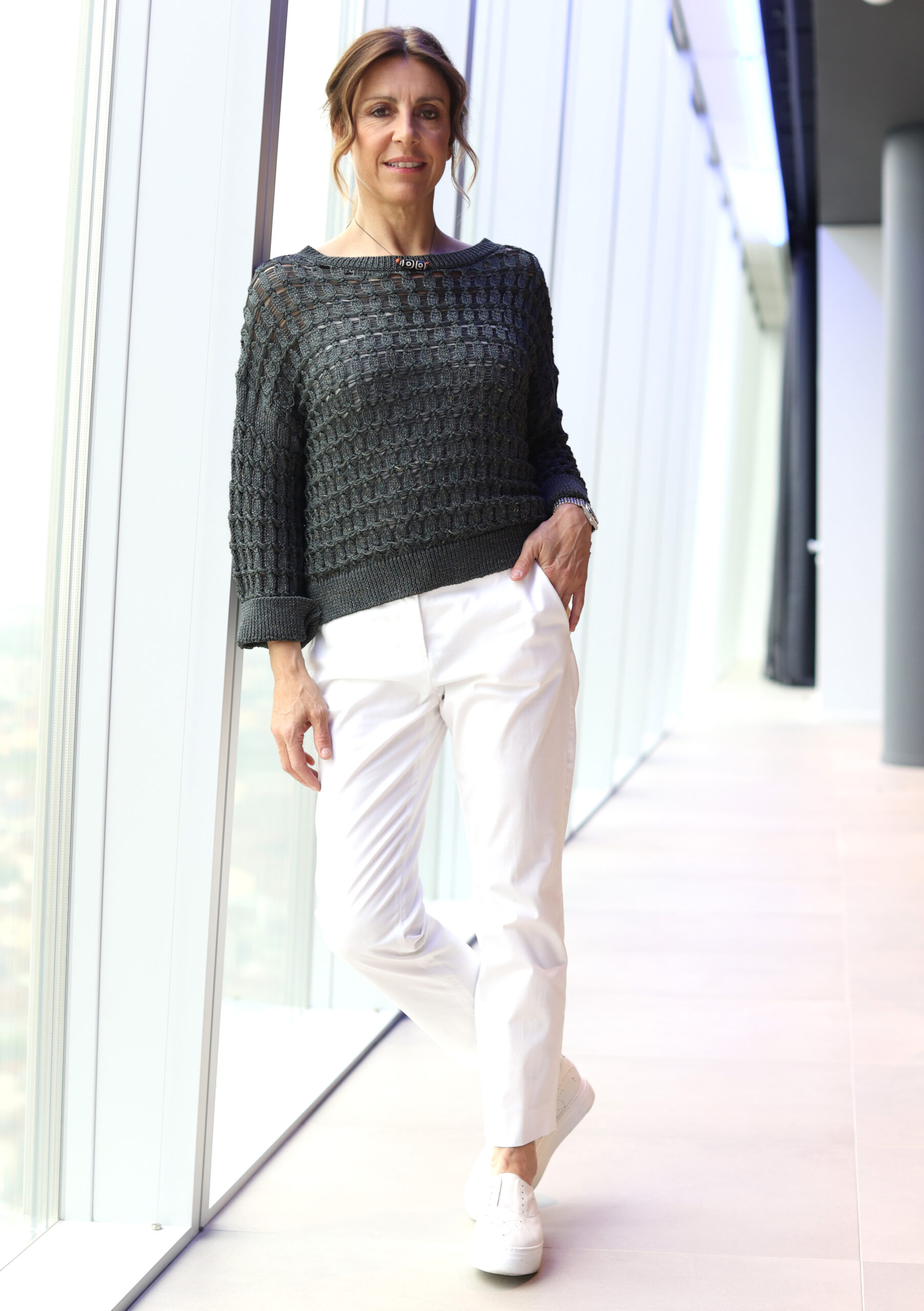
Deborah Compagnoni. Photo credits Pentaphoto
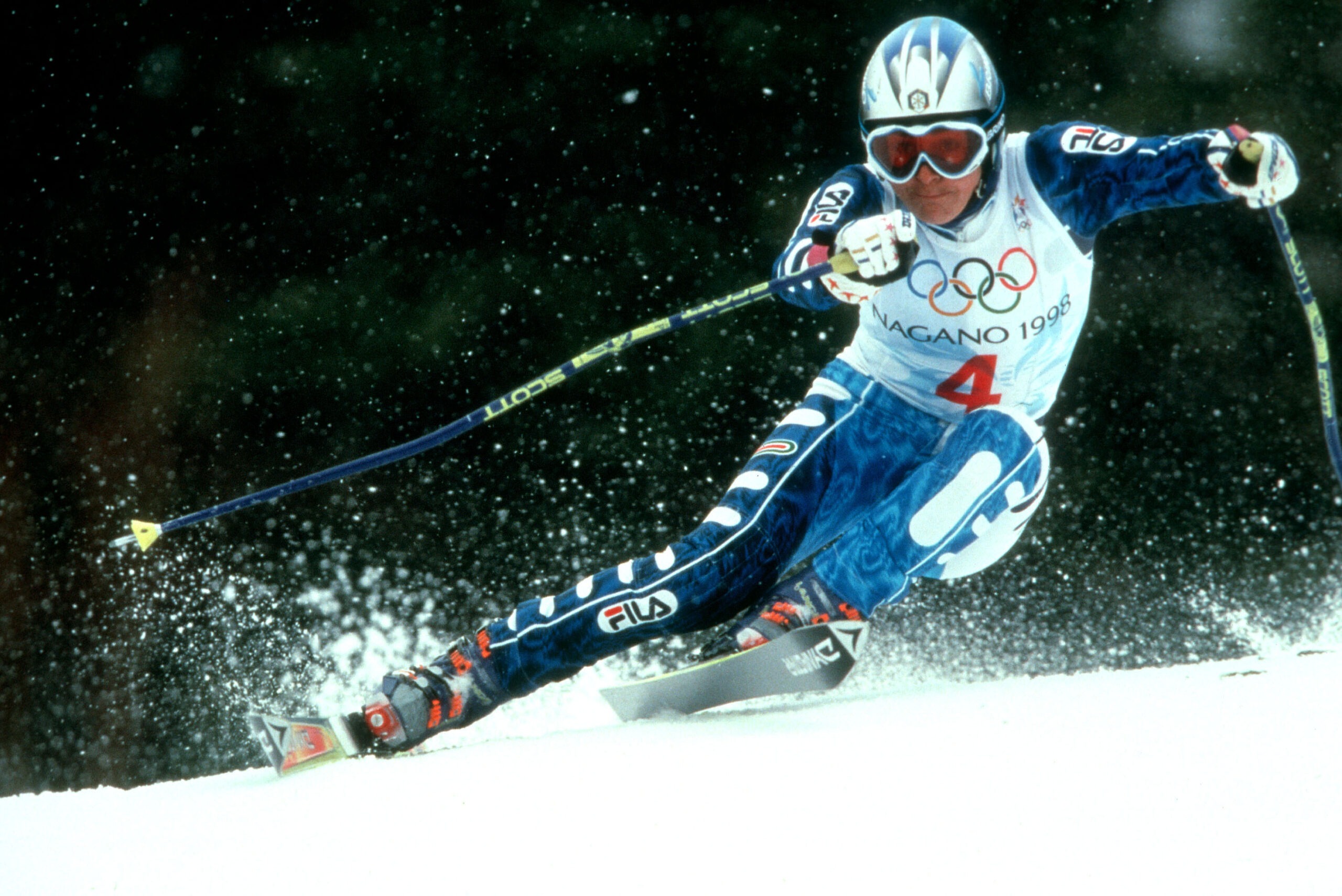
Deborah Compagnoni at the Nagano Olympics, 1998. Photo credits Pentaphoto (cover photo)
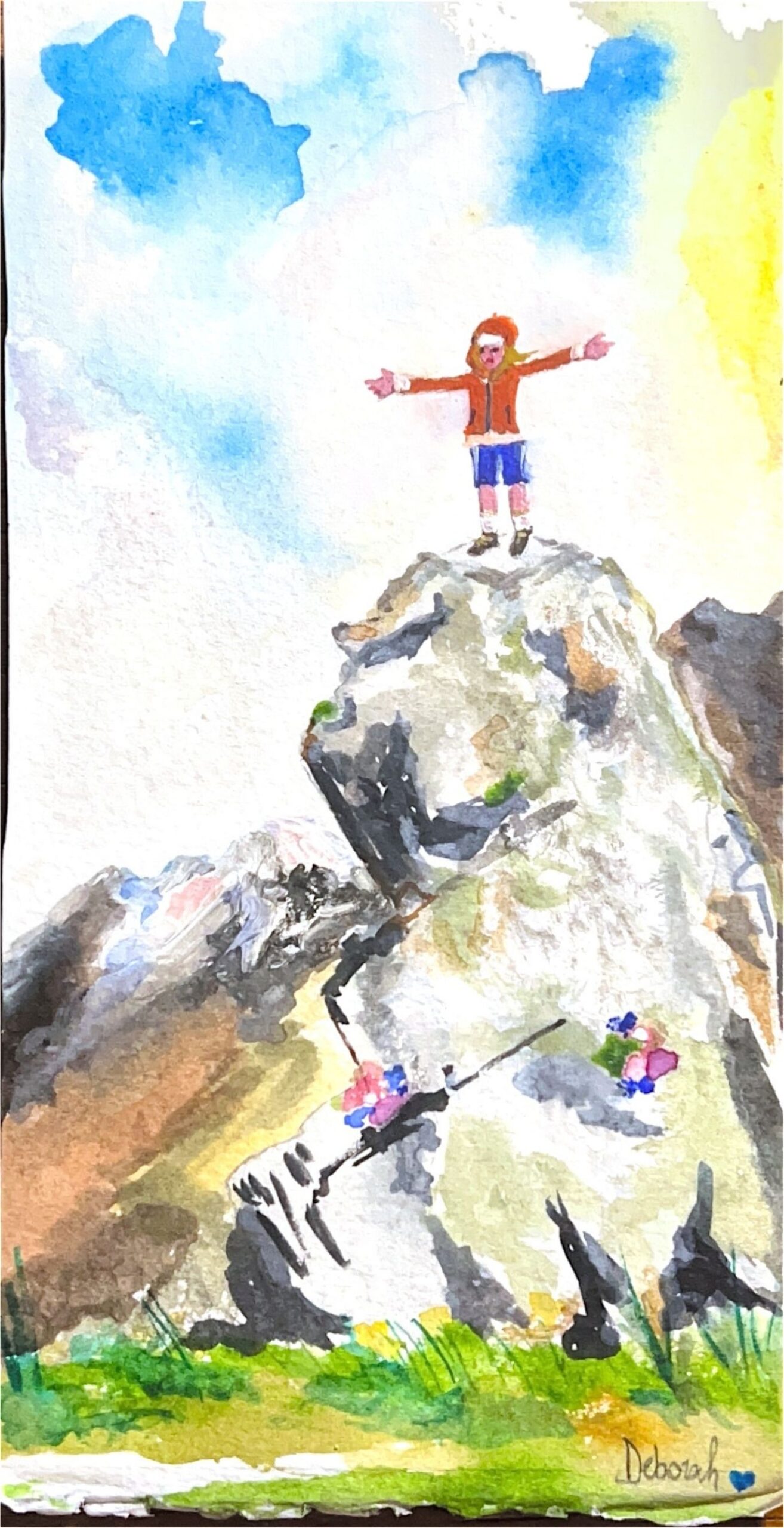
Bookmark designed by Deborah Compagnoni for the book Una ragazza di montagna
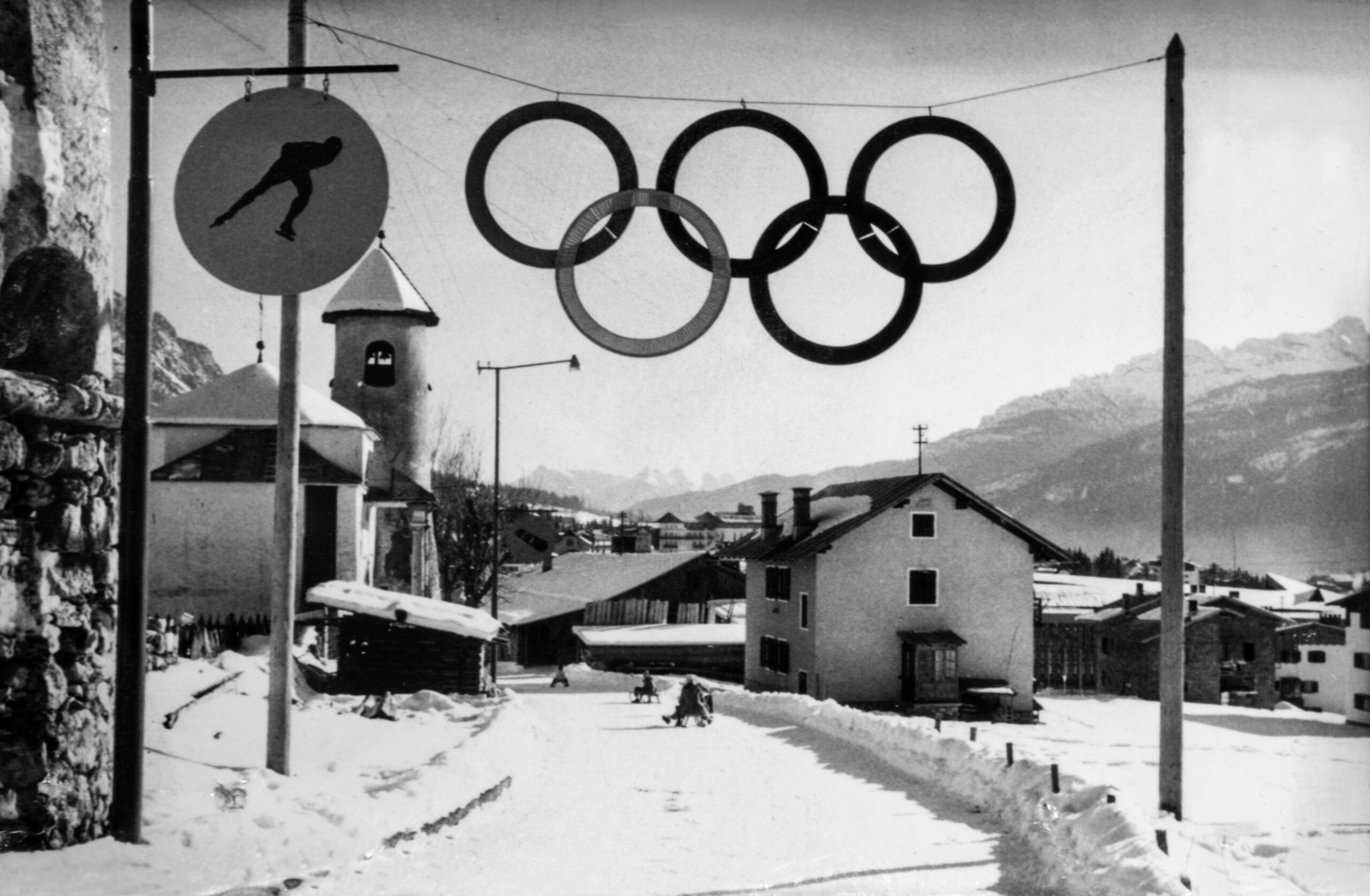
Sledding in Via del Castello in Cortina d’Ampezzo. Photo Cristallo (image taken from the book Cortina 1956. Le prime Olimpiadi bianche in Italia)
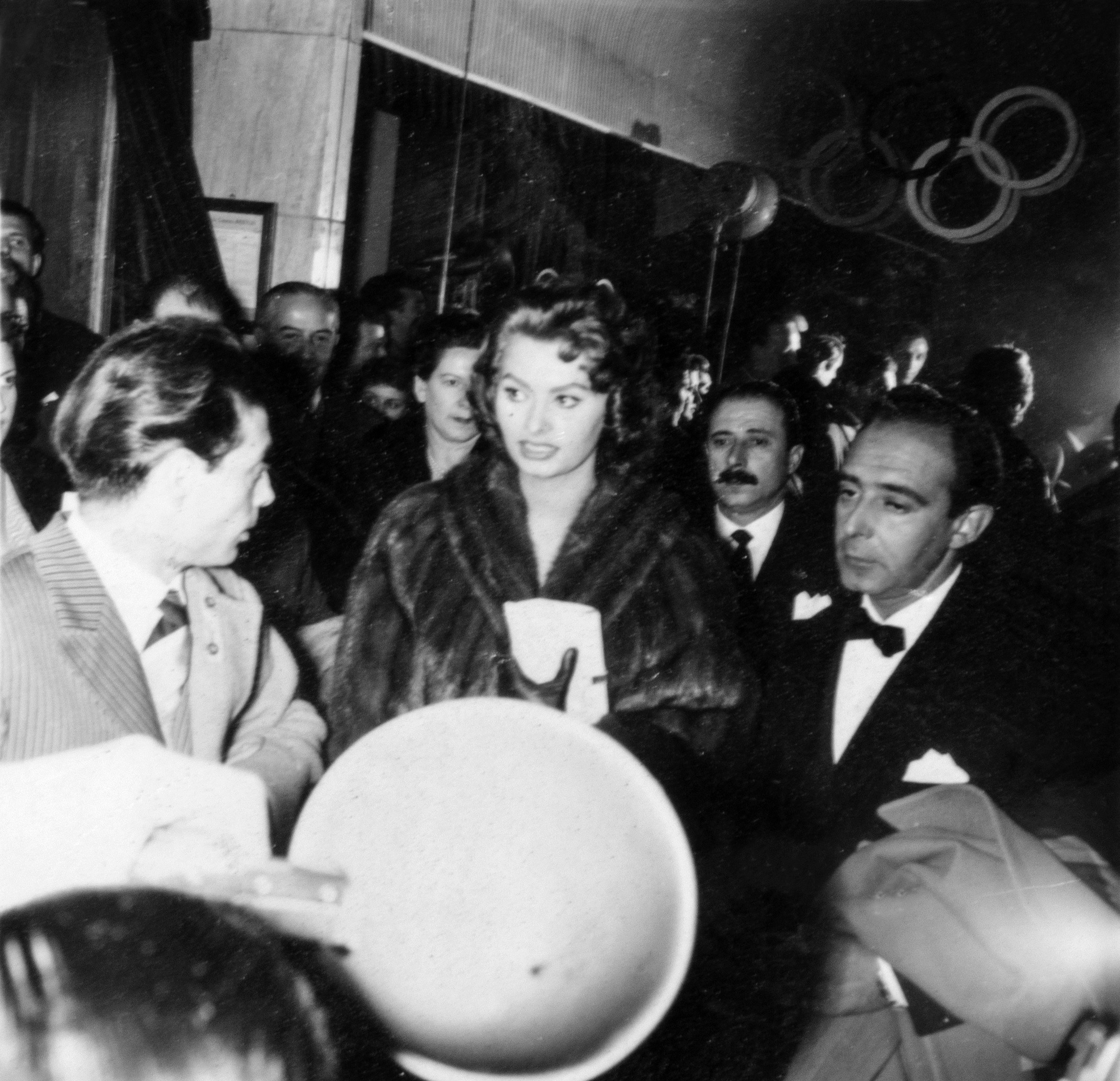
Sophia Loren under the photographers’ flashes upon her arrival in Cortina. Photo Ghedina (image taken from the book Cortina 1956. Le prime Olimpiadi bianche in Italia)
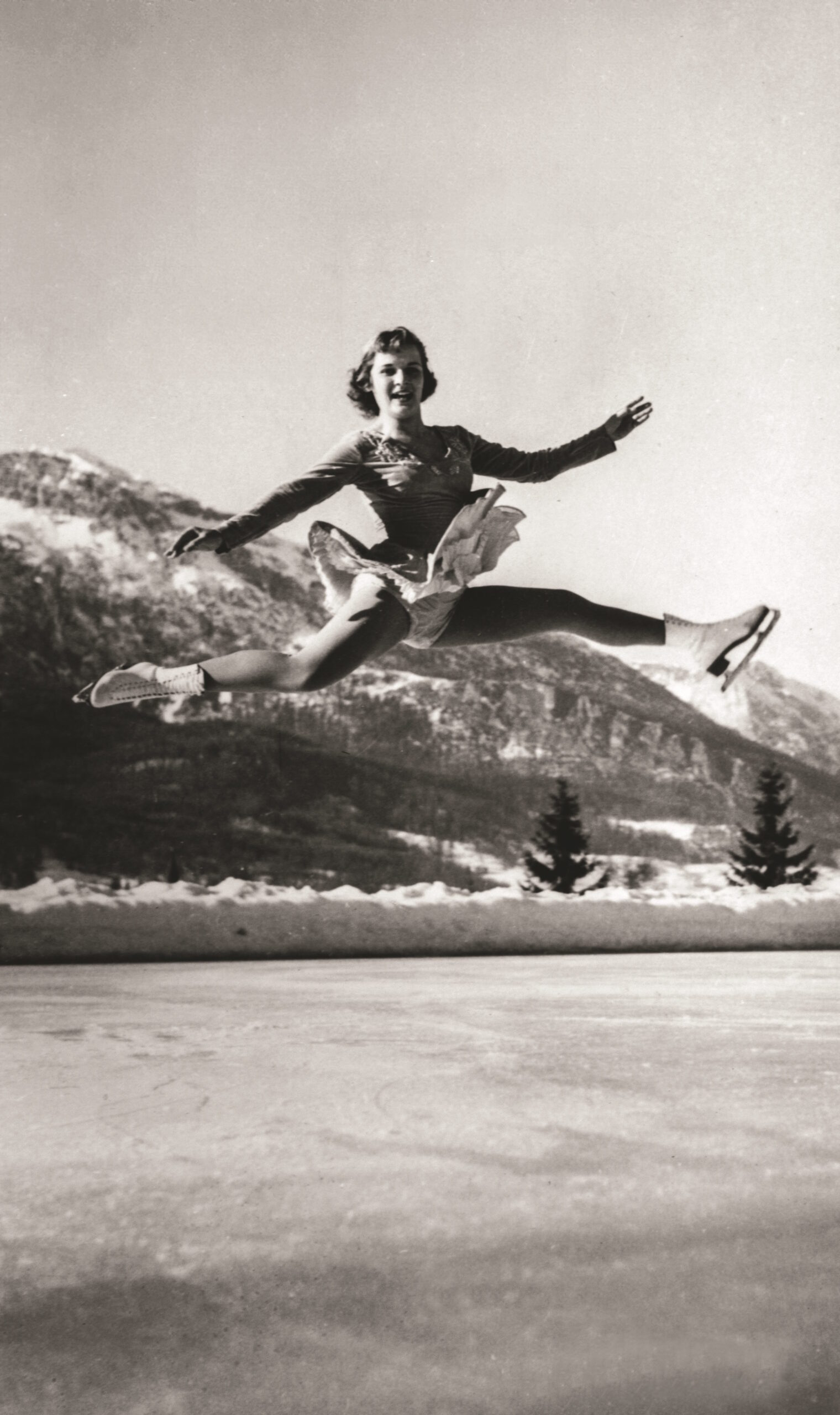
Canadian figure skater Barbara Wagner performs on the ice rink at the Cristallo Hotel. She partnered Robert Paul, winning four world titles and an Olympic gold medal in 1960. Photo Zardini (image taken from the book Cortina 1956. Le prime Olimpiadi bianche in Italia)


Image captions:
Deborah Compagnoni torchbearer at the Turin Olympics, 2006. Photo credits Pentaphoto
Deborah Compagnoni. Photo credits Pentaphoto
Deborah Compagnoni at the Nagano Olympics, 1998. Photo credits Pentaphoto (cover photo)
Bookmark designed by Deborah Compagnoni for the book Una ragazza di montagna
Sledding in Via del Castello in Cortina d’Ampezzo. Photo Cristallo (image taken from the book Cortina 1956. Le prime Olimpiadi bianche in Italia)
Sophia Loren under the photographers’ flashes upon her arrival in Cortina. Photo Ghedina (image taken from the book Cortina 1956. Le prime Olimpiadi bianche in Italia)
Canadian figure skater Barbara Wagner performs on the ice rink at the Cristallo Hotel. She partnered Robert Paul, winning four world titles and an Olympic gold medal in 1960. Photo Zardini (image taken from the book Cortina 1956. Le prime Olimpiadi bianche in Italia)
Related products
Related Articles