The “Kaiser” of fashion would have greatly appreciated the volume published in an Italian edition by Marsilio Arte. That is the view of journalist Giulia Crivelli, creator and host of the Radio 24 podcast Animale a chi?, who was invited to leaf through the book inspired by one of the most beloved felines: the cat.
He used to say he wanted to look only to the future, never the past. He maintained ‒ quite convincingly ‒ that he had no regrets. Except, perhaps, for one: a regret he confessed in an interview just months before his death in Paris in February 2019. That one regret was not having discovered the world of cats sooner, in his long, adventurous, and incredibly rich life. We are talking about Karl Lagerfeld, one of the most famous and successful creative figures of the last century and the first two decades of this one; indeed, he passed away while serving as creative director of Chanel, a role he had held for twenty-five years. In 2011, Choupette entered his life ‒ a cat entrusted to him by model Baptiste Giabiconi for the two-week Christmas holiday. “Kaiser Karl” fell so deeply in love with her that he didn’t want to give her back; for eight years, the little feline (a Birman) served as his muse and faithful companion, starring in countless advertising campaigns and even featuring on Karl Lagerfeld branded products (ranging from T-shirts to earrings) some of which are still for sale today.
Lagerfeld, an avowed bibliophile who even founded a publishing house and opened a bookstore, would have adored the book Gatto [Cat], a Phaidon project recently published in Italy by Marsilio Arte. It features a delightful preface by Hannah Shaw and a two-page spread entitled “A Brief History of the Cat in Visual Culture” by Leila Jarboual. Beyond these two deeply human written contributions, the stars of the volume’s 230-plus pages are the cats themselves and the artists who portrayed them. It is a safe bet that had Lagerfeld still been alive, he would have found a way to include Choupette, whom he photographed and depicted in the most curious poses, in shots ranging from everyday life to fashion photoshoots. The works featured (and concisely, effectively described) in the book follow neither a chronological order nor a classification by genre or technique. Instead, they form a wonderful mosaic of the feline world as seen by us humans: the opening piece is a 1995 Hermès silk scarf designed by Christine Henry that, at first glance ‒ before one reads the description ‒ might be mistaken for a Byzantine mosaic (its “title” is Cave felem). The final two entries ‒ last but certainly not least ‒ are a 2010 black-and-white photograph by Sohrab Hura and a 2024 acrylic-on-paper work by David Shrigley. In between, there are drawings, paintings, more photographs, and a few design objects. We do not envy the person who selected these works; it must have been a painstaking task. Yet, we admire the result, for it captures both the allure of the visual arts and the mystery of the feline world ‒ a universe parallel to our own that prompts us to reflect on ourselves and, if we are fortunate enough to be artists, to express our creativity.
Giulia Crivelli
BIO
Born in Milan in 1969, from a German mother and an Italian father. Giulia Crivelli studied at Bocconi University and has worked for Il Sole 24 Ore since 2000. She writes for the newspaper web and paper editions and has been fashion editor for the group for the last ten years. She also works for Radio 24, the all-news broadcaster of the media group. She dreams of living in San Francisco, where spring never ends. She is passionate about economics – the dismal science which she does not find dismal – but also about globalization and foreign policy. She loves and animal and nature in general and in the next life would love to be a veterinarian or Jane Goodall’s personal assistant. In this life, she has a lot of fun being a journalist.
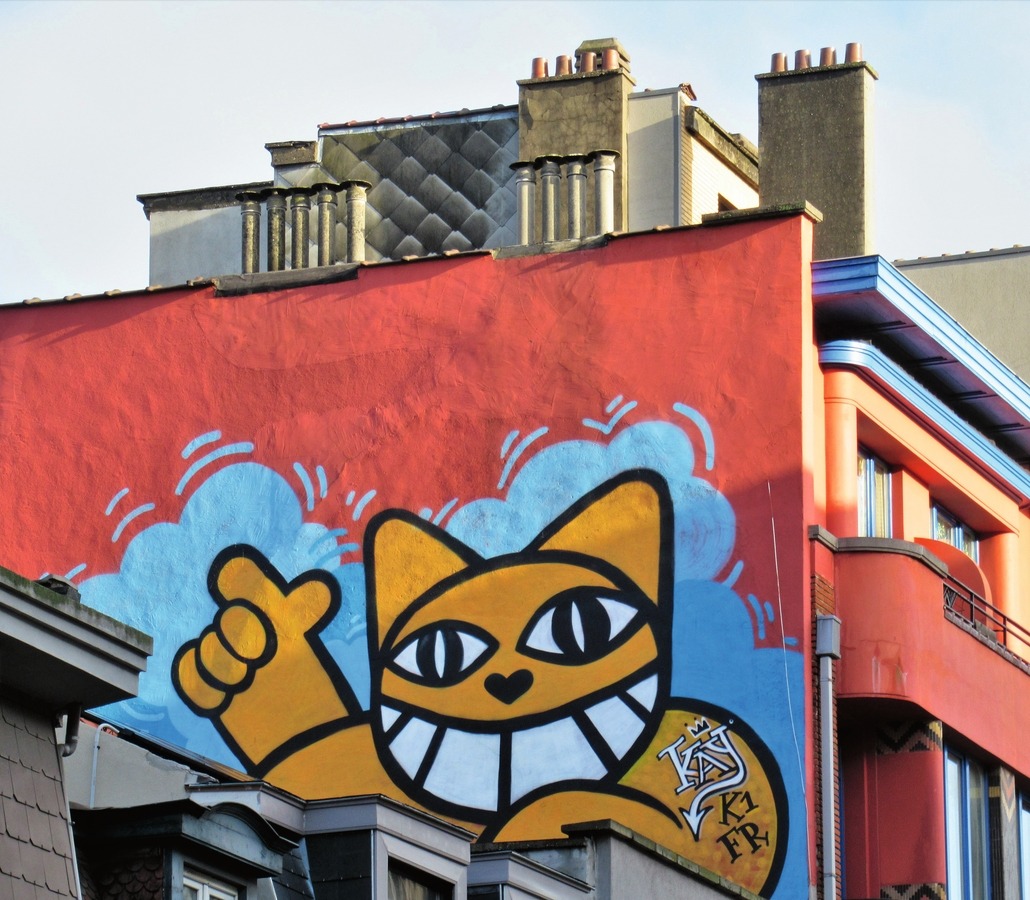
M.Chat, M. Chat, Bruxelles, 2022. Photo credits: M.Chat. Photo: Ferdinand Feys. Graffiti, variable dimensions
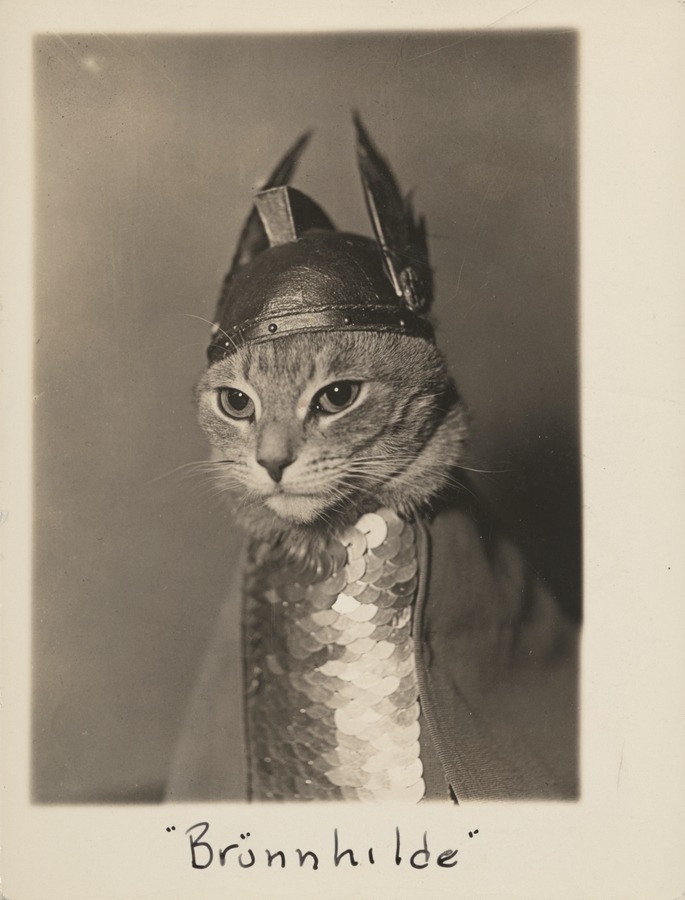
Adolph E. Weidhaas, Brünnhilde, 1936. Image credit: Library of Congress, Prints and Photographs Division. Silver gelatine print, 12 × 9 cm
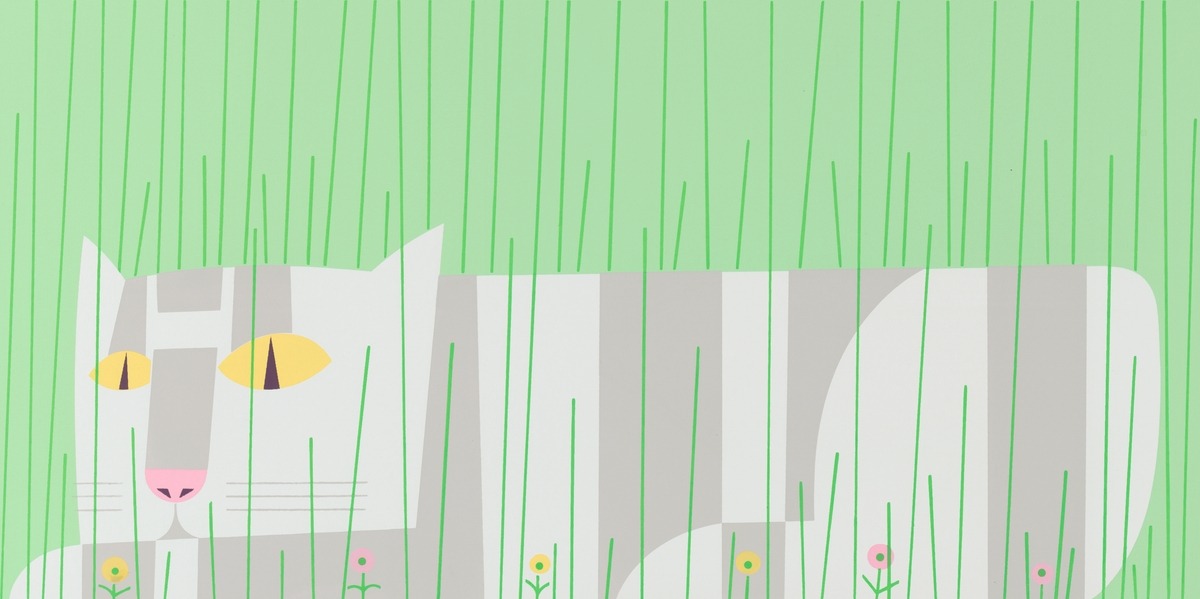
Edie Harper, Spring Creeper, 1980. Image credits: © 1980 Edie Harper. Silkscreen print, 20.3 × 40.6 cm
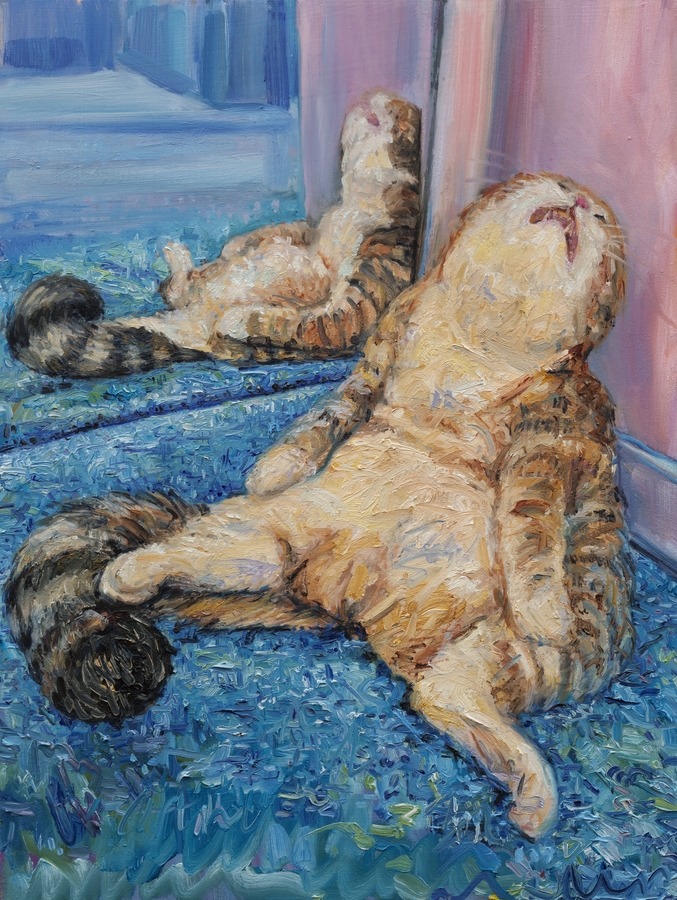
Jodie Niss, Untitled (#2), 2022. Image credit: Jodie Niss. Oil on wooden panel, 40.3 × 30.5 cm. Private collection
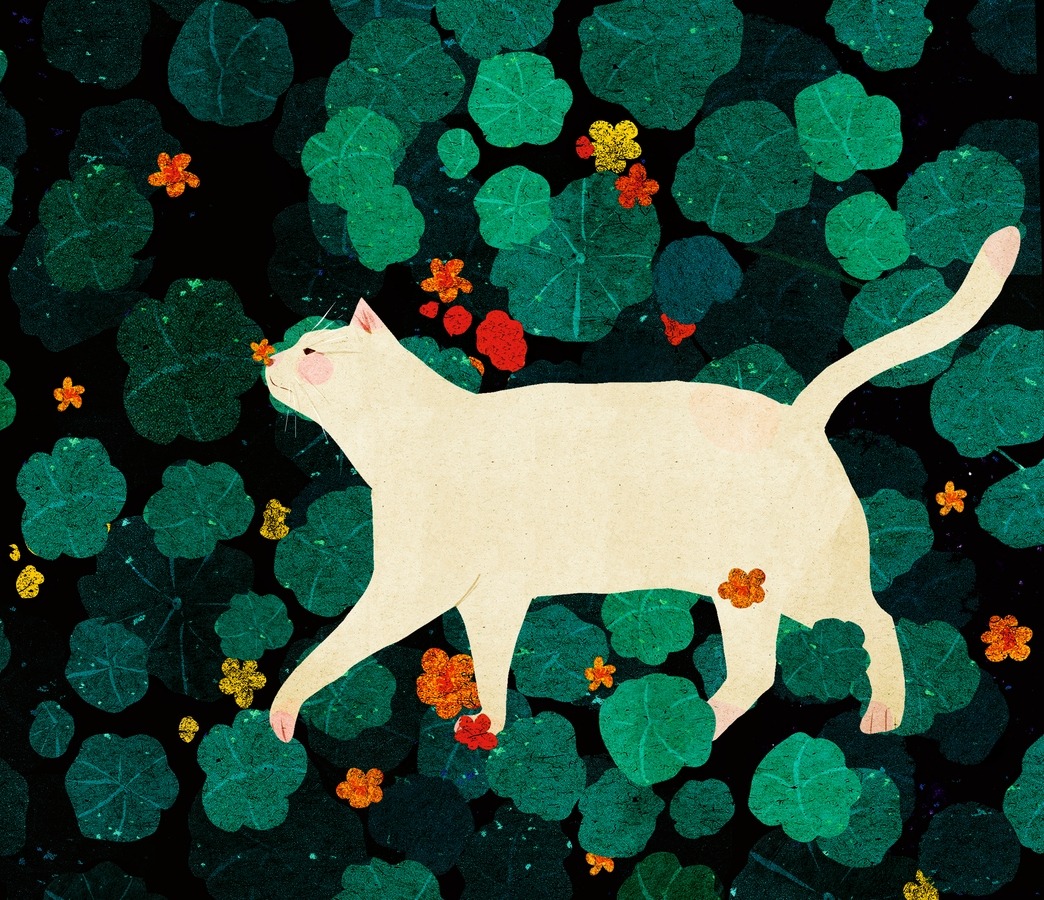
Xuan Loc Xuan, Nasturtium Cat, 2023. Image credits: Xuan Loc Xuan. Digital painting, 25 × 29 cm (cover photo)
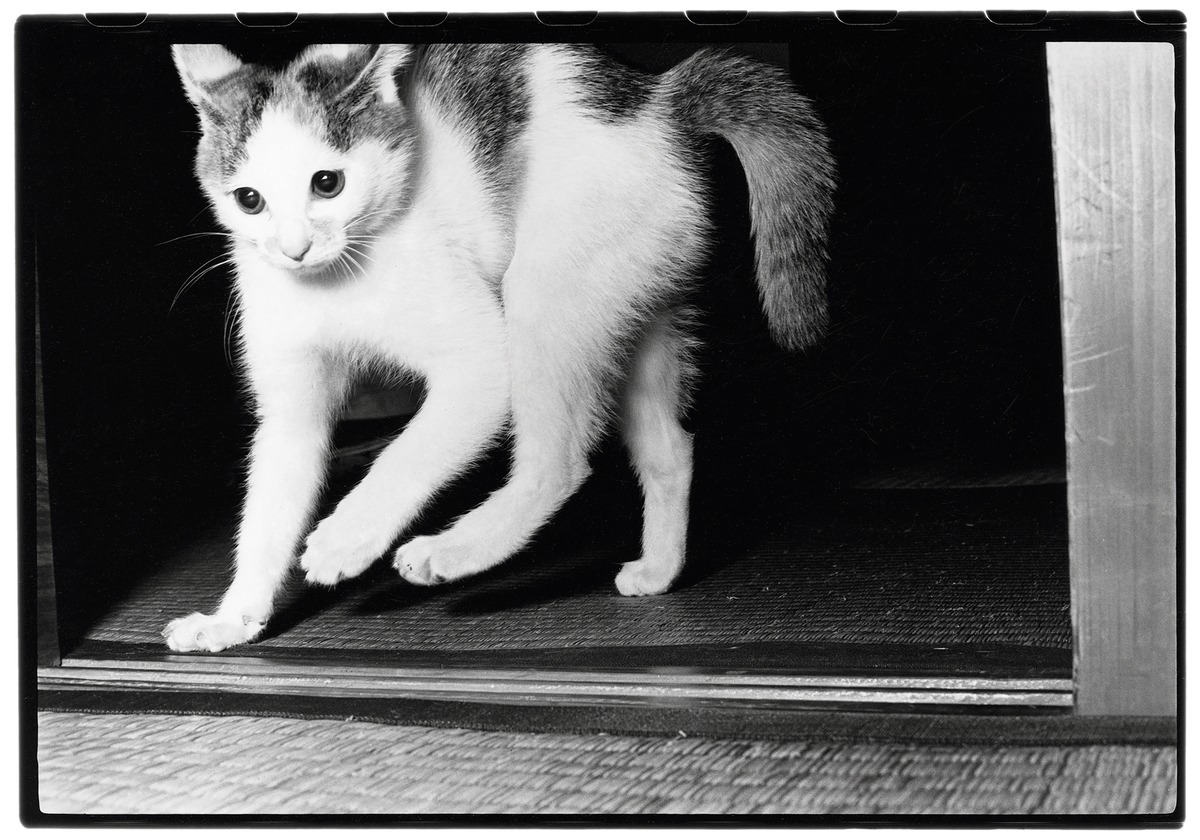
Masahisa Fukase, Untitled, from Sasuke, 1977. Image credits: © Masahisa Fukase Archives, courtesy of Atelier EXB. Photograph, dimensions variable
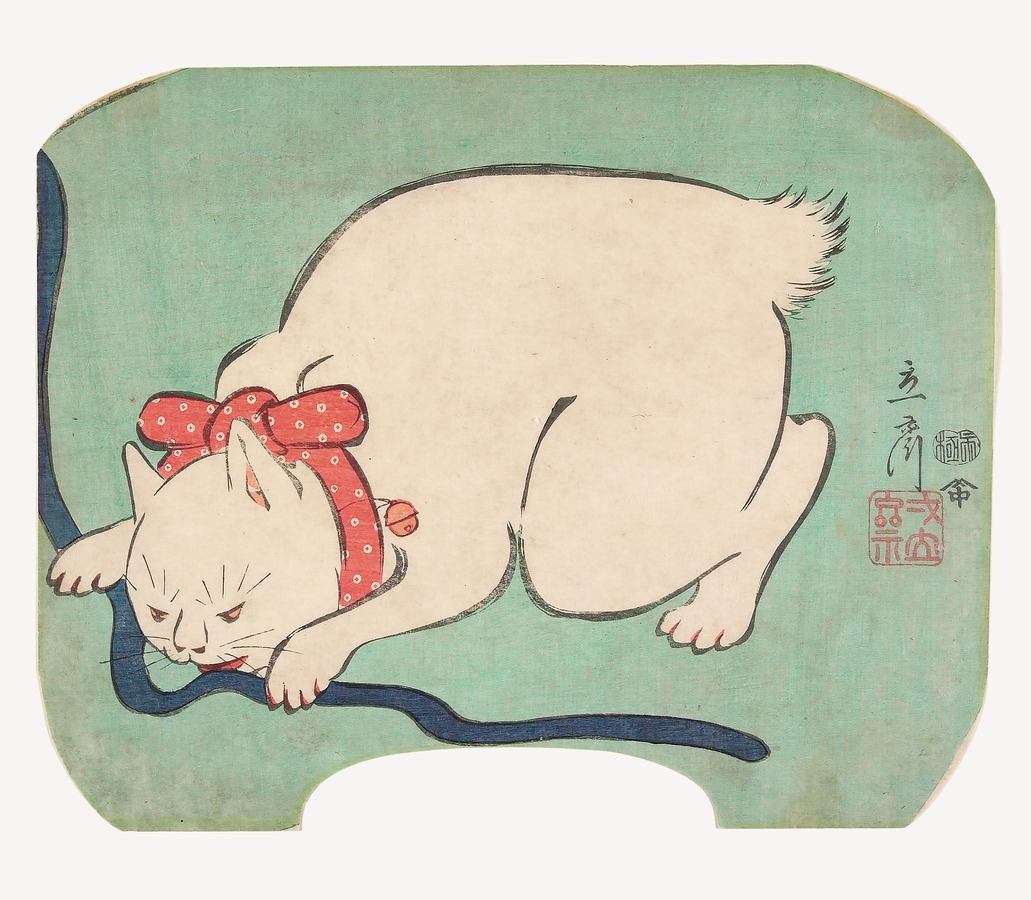
Utagawa Hiroshige II, White cat playing with a string, 1863. Image credit: The Minneapolis Institute of Art. Woodcut, 21.3 × 26.7 cm
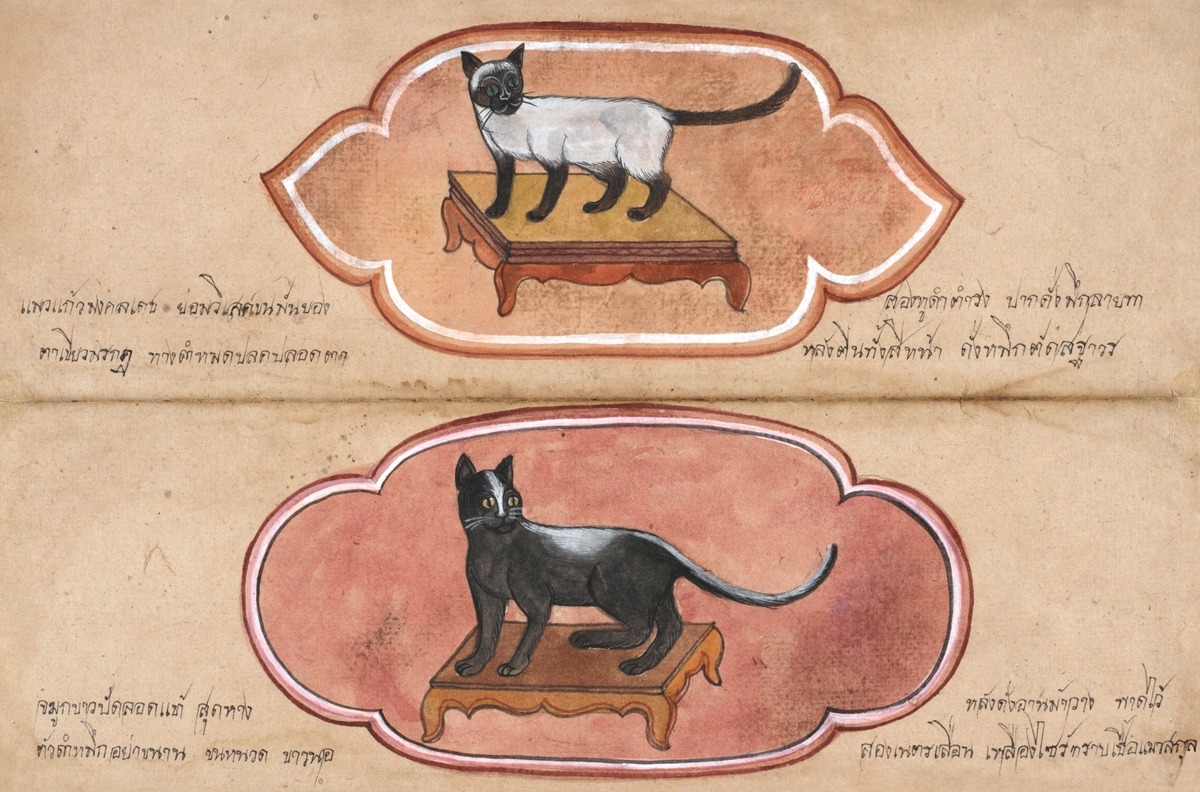
Page from a treatise on cats, 19th century. Image credit: Library of Congress, Prints and Photographs Division. Fold-out book comprising 12 sheets, 11.9 × 36.1 cm. British Library, London
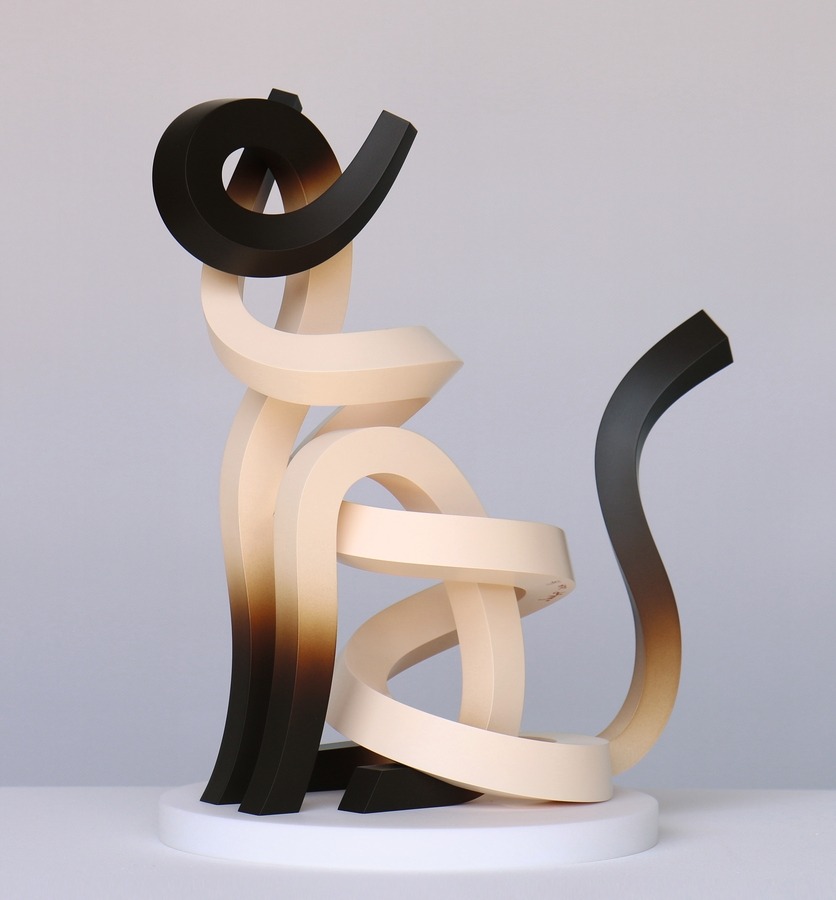
Lee Sangsoo, Sitting Siamese Cat, 2024. Image credit: Lee Sangsoo. Paint on resin, 40 × 35 × 26 cm. Private collection
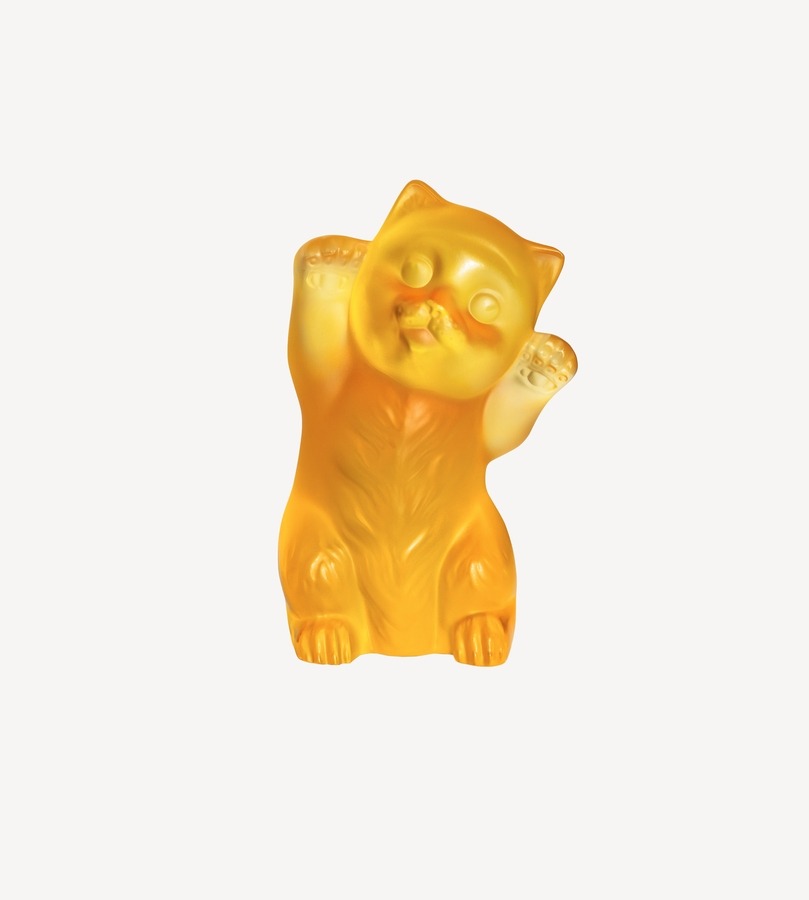
Lalique, Sculpture, 2021. Image credits: Lalique kitten sculpture, amber-coloured crystal © Lalique SA. Amber-coloured crystal, 9.1 × 6.3 × 5.7 cm
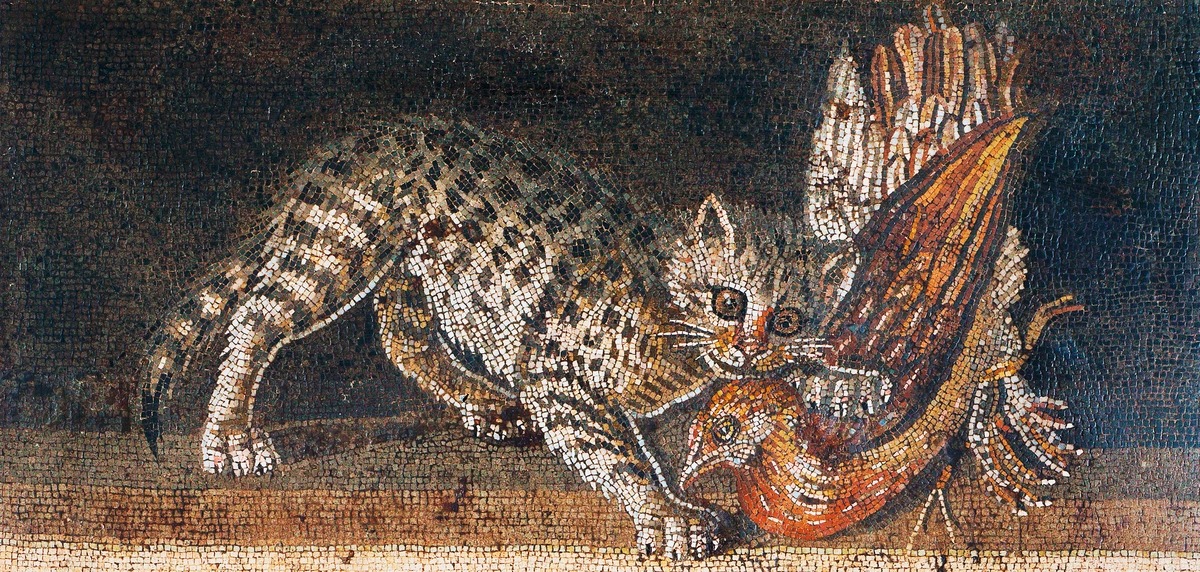
Cat seizing a quail, detail, from the House of the Faun, Pompeii, c. 180 BC, mosaic, height 53 cm, National Archaeological Museum, Naples
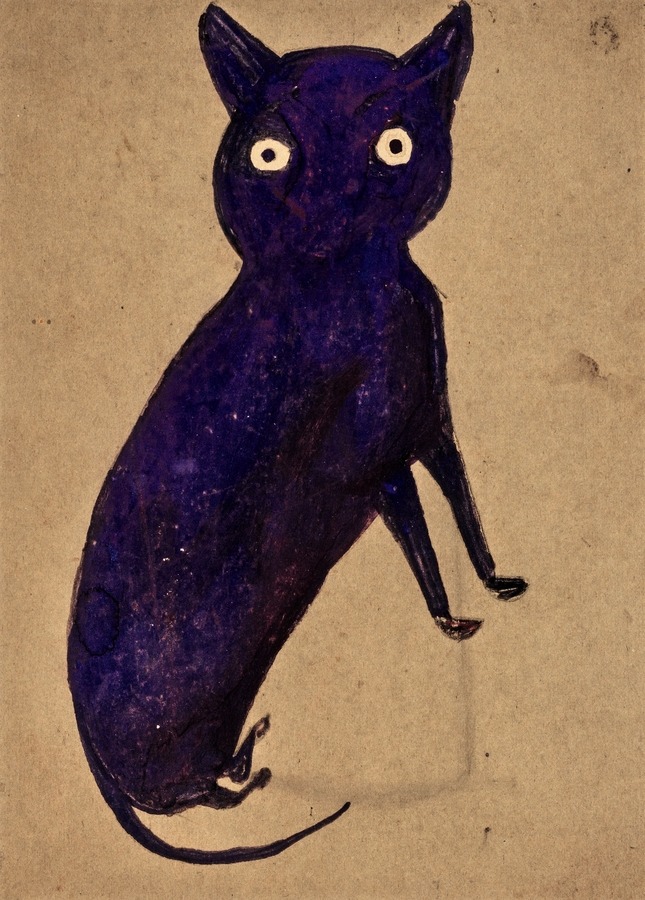
Bill Traylor, Untitled (Midnight Blue Cat), 1939-42 circa. Image credit: © Bill Traylor Family Inc. – WhosBillTraylor.com: Ricco/Maresca Gallery, tempera on recycled cardboard,
27.9 × 20.3 cm. Private collection
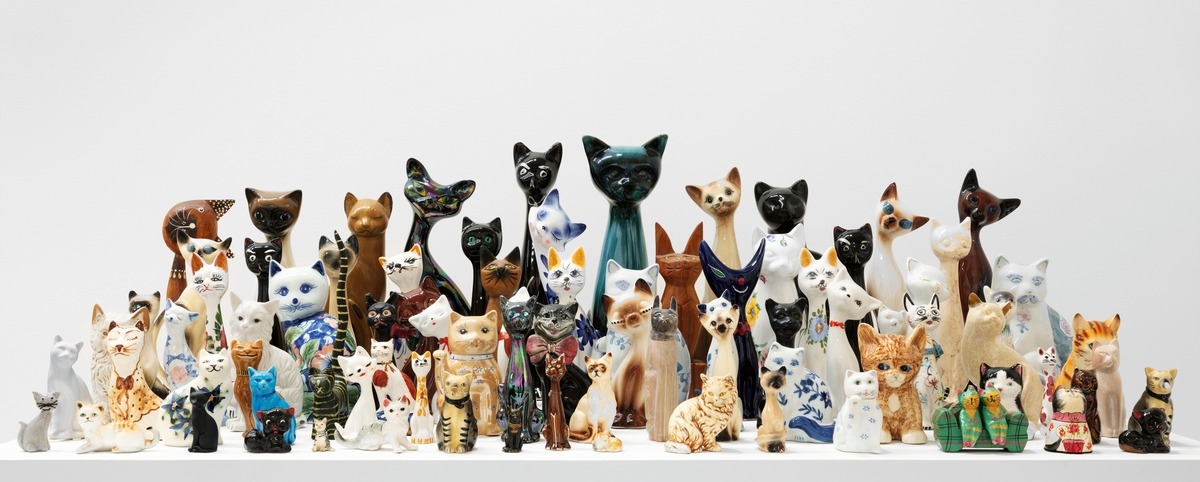
Andy Holden, Cat-tharsis, 2022. Image credits: courtesy of Andy Holden and Charles Moffett, New York. Photo: Thomas Barratt. 90 cat figurines and an HD video with music by The Grubby Mitts, 17 mins. Private collection
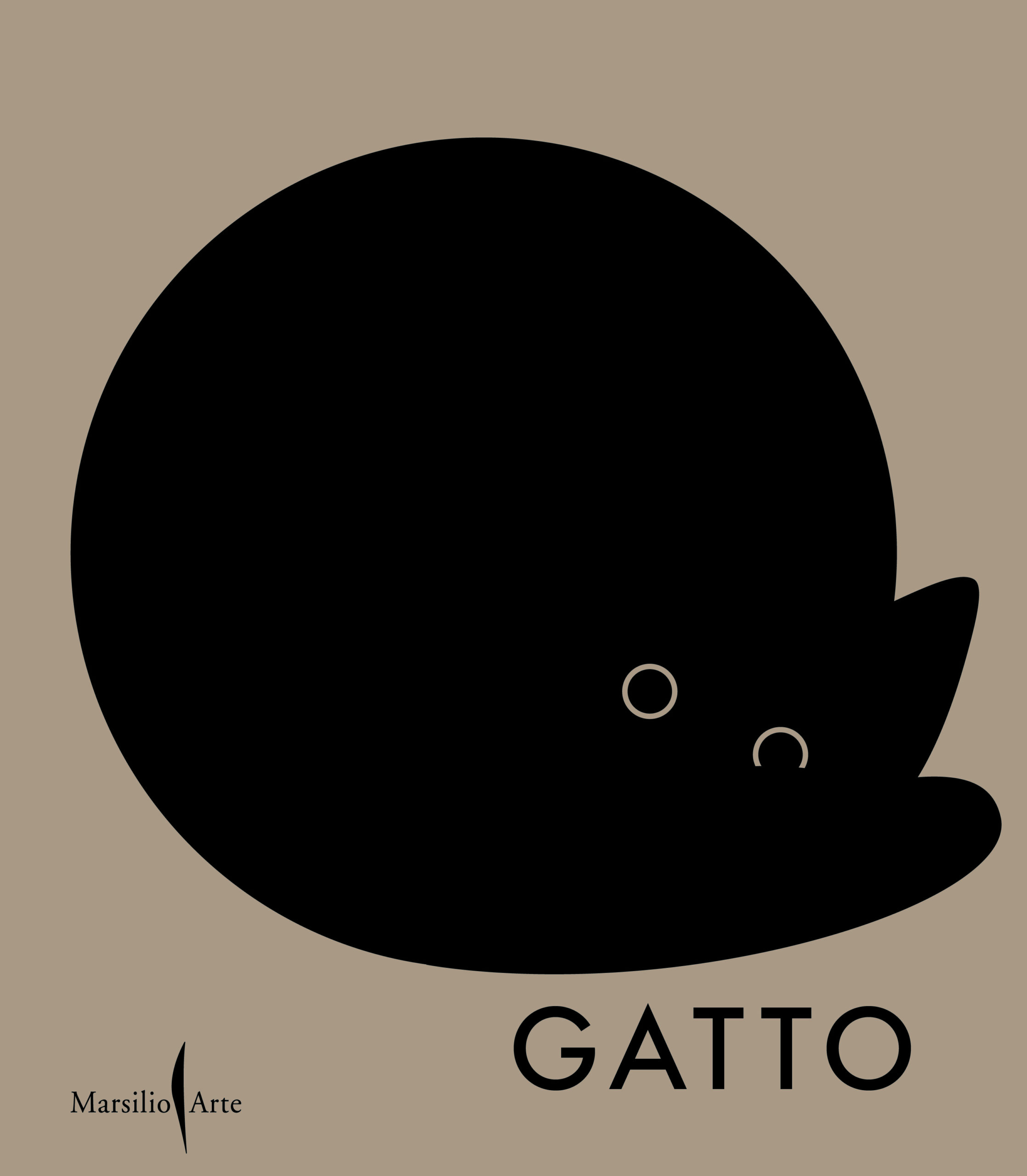
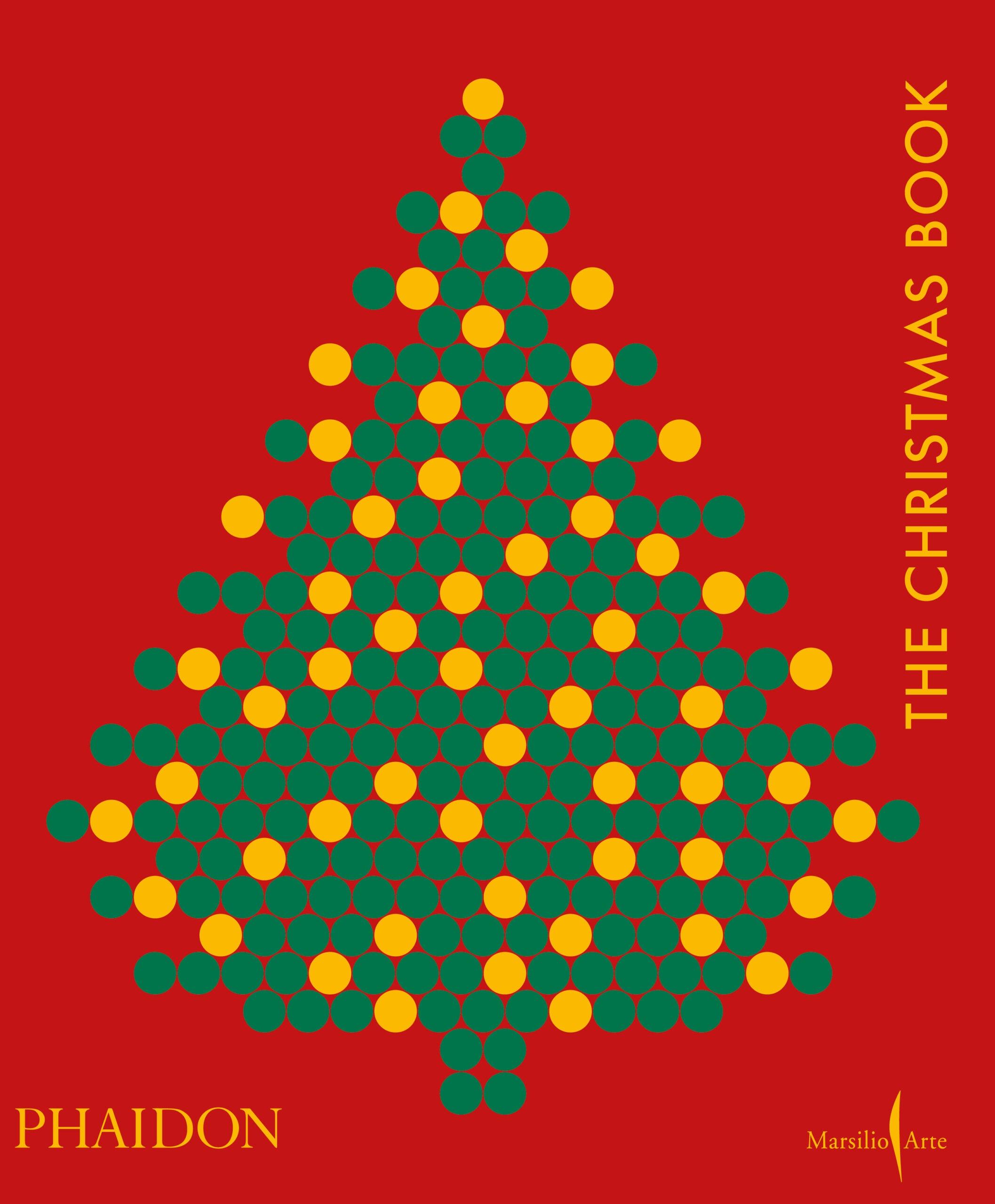
The cover of the book Gatto, Marsilio Arte, Venice 2026


Captions:
M.Chat, M. Chat, Bruxelles, 2022. Photo credits: M.Chat. Photo: Ferdinand Feys. Graffiti, variable dimensions
Adolph E. Weidhaas, Brünnhilde, 1936. Image credit: Library of Congress, Prints and Photographs Division. Silver gelatine print, 12 × 9 cm
Edie Harper, Spring Creeper, 1980. Image credits: © 1980 Edie Harper. Silkscreen print, 20.3 × 40.6 cm
Jodie Niss, Untitled (#2), 2022. Image credit: Jodie Niss. Oil on wooden panel, 40.3 × 30.5 cm. Private collection
Xuan Loc Xuan, Nasturtium Cat, 2023. Image credits: Xuan Loc Xuan. Digital painting, 25 × 29 cm (cover photo)
Masahisa Fukase, Untitled, from Sasuke, 1977. Image credits: © Masahisa Fukase Archives, courtesy of Atelier EXB. Photograph, dimensions variable
Utagawa Hiroshige II, White cat playing with a string, 1863. Image credit: The Minneapolis Institute of Art. Woodcut, 21.3 × 26.7 cm
Page from a treatise on cats, 19th century. Image credit: Library of Congress, Prints and Photographs Division. Fold-out book comprising 12 sheets, 11.9 × 36.1 cm. British Library, London
Lee Sangsoo, Sitting Siamese Cat, 2024. Image credit: Lee Sangsoo. Paint on resin, 40 × 35 × 26 cm. Private collection
Lalique, Sculpture, 2021. Image credits: Lalique kitten sculpture, amber-coloured crystal © Lalique SA. Amber-coloured crystal, 9.1 × 6.3 × 5.7 cm
Cat seizing a quail, detail, from the House of the Faun, Pompeii, c. 180 BC, mosaic, height 53 cm, National Archaeological Museum, Naples
Bill Traylor, Untitled (Midnight Blue Cat), 1939-42 circa. Image credit: © Bill Traylor Family Inc. – WhosBillTraylor.com: Ricco/Maresca Gallery, tempera on recycled cardboard,
27.9 × 20.3 cm. Private collection
Andy Holden, Cat-tharsis, 2022. Image credits: courtesy of Andy Holden and Charles Moffett, New York. Photo: Thomas Barratt. 90 cat figurines and an HD video with music by The Grubby Mitts, 17 mins. Private collection
The cover of the book Gatto, Marsilio Arte, Venice 2026
Related products
Related Articles