Collector and gallery owner, Ileana Sonnabend was a pivotal figure in the history of contemporary art. The exhibition now at Palazzo Esposizioni Roma explains why
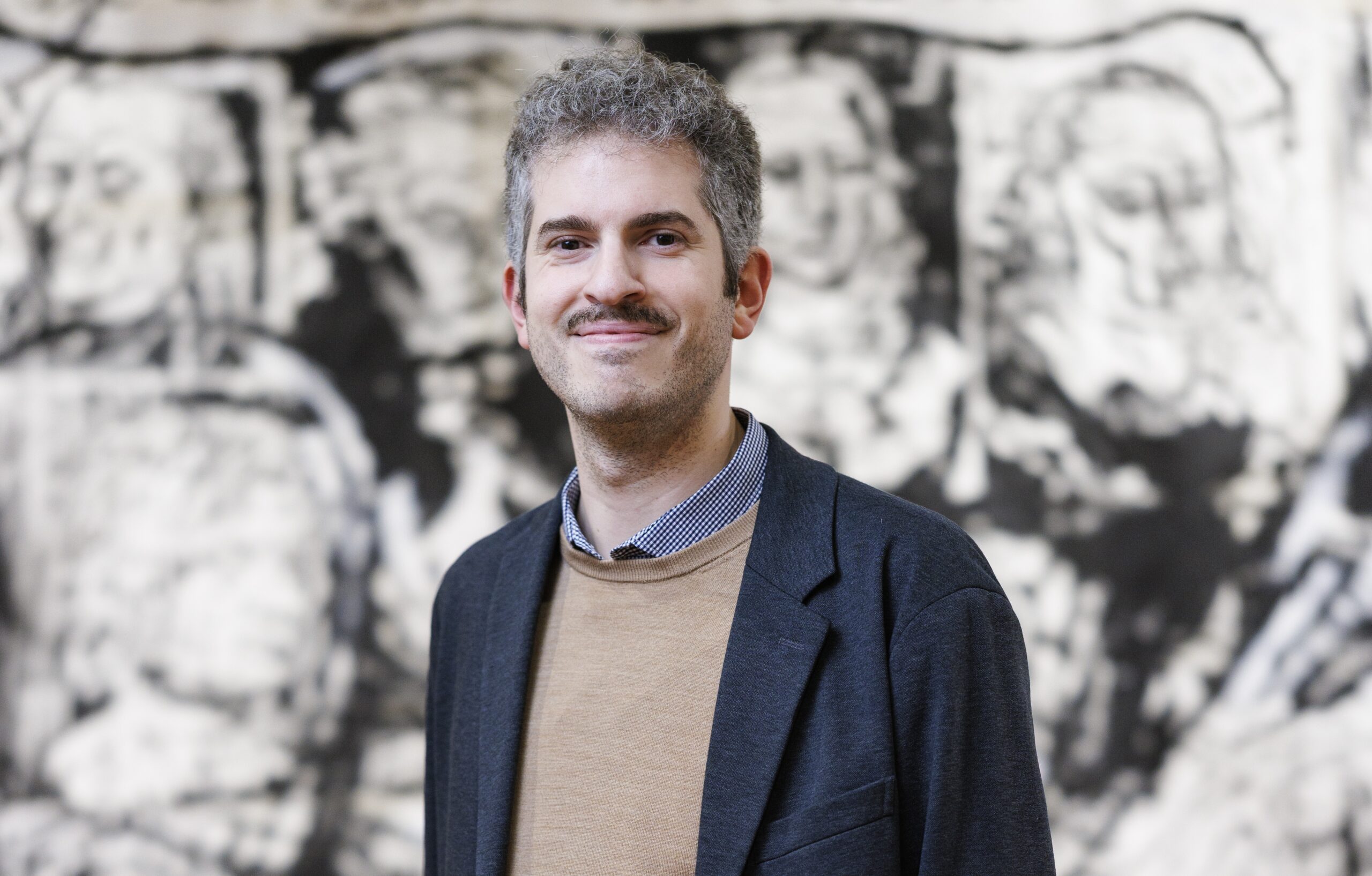
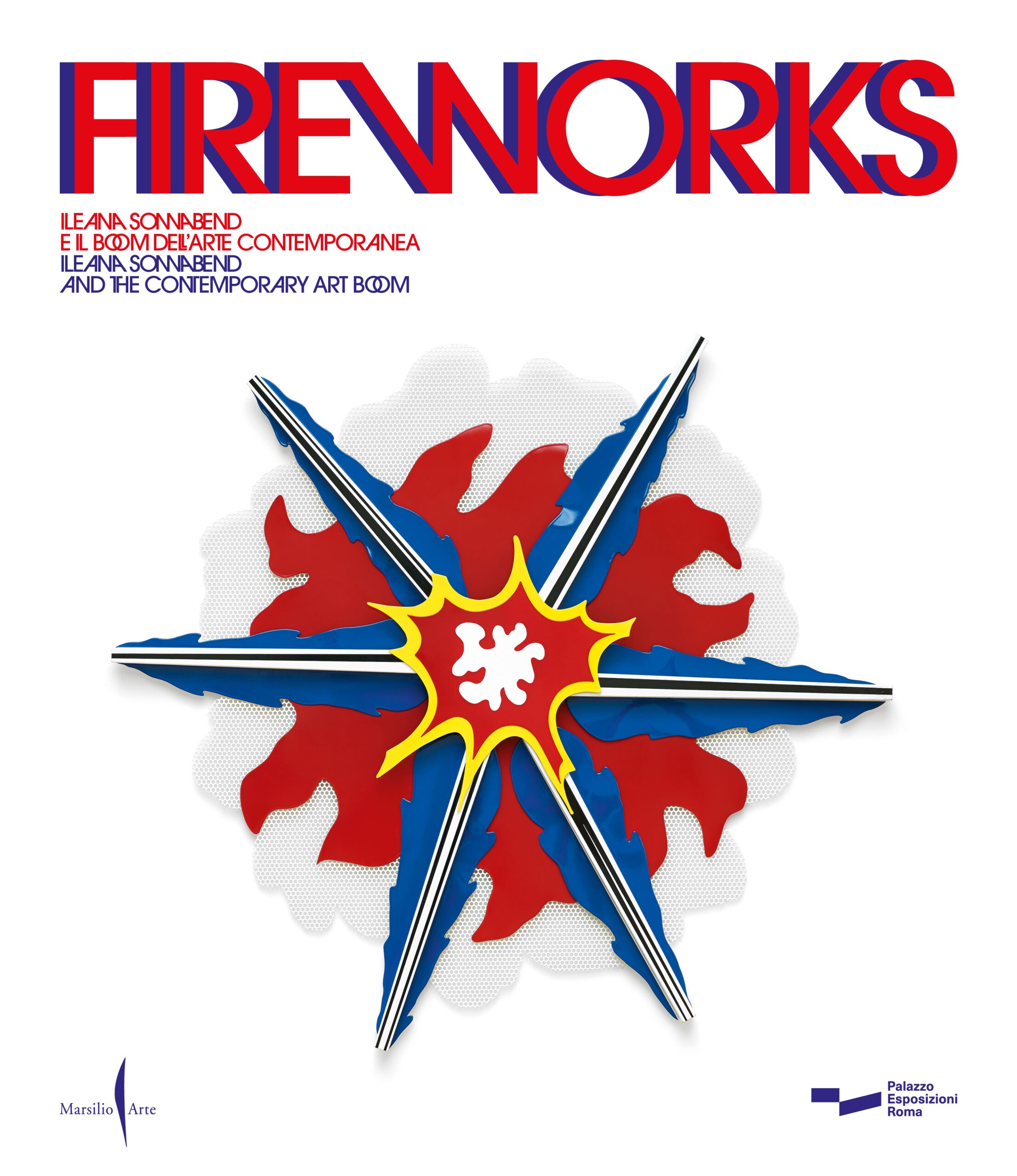
Titled Fireworks. Ileana Sonnabend and the contemporary art boom, the exhibition curated by Mario Codognato has recently opened at Palazzo Esposizioni Roma. Featuring over fifty works from the Sonnabend Collection Foundation in New York, the Sonnabend Collection in Mantua, and various other public and private collections, the exhibition highlights the significant role this collector and gallerist played on the European and American art scenes. Giovanni Anselmo, Arman, Gilbert & George, Jeff Koons, Jannis Kounellis, Bruce Nauman, Luigi Ontani, Giulio Paolini, Michelangelo Pistoletto, and Andy Warhol are just a few of the key figures featured in an exhibition that fosters a dialogue between Rome, Europe, and the United States. We asked Marco Delogu, president of the Azienda Speciale Palaexpo ‒ the organization behind the exhibition ‒ to be our guide on this journey.
The exhibition at Palazzo Esposizioni Roma is the result of a dialogue with the permanent project of the Sonnabend Collection Mantova. How did you structure this collaboration, and which aspects of the collection’s history does the Rome exhibition aim to highlight?
The exhibition takes its cue from Ileana Sonnabend’s trip to Rome, which was prompted by her interest in the artists working in the city at that time. Her first point of contact was Plinio De Martiis, who had opened the gallery La Tartaruga in the mid-1950s. For Palazzo Esposizioni, the relationship that this collector and gallerist cultivated with many artists active in Rome is of crucial importance. An important, and key goal of the exhibition is to shine a light on the dialogue that Ileana Sonnabend herself fostered between the United States (New York, in particular) and Rome, and, more broadly, between American and European visual culture. Mantua and the Sonnabend Collection serve as an ideal bridge for understanding, studying, and promoting these exchanges.
As you wrote in catalogue for the exhibition inspired by the collecting activities of Ileana Sonnabend, this event marks the conclusion of a programme launched by Azienda Speciale Palaexpo in the autumn of 2022 ‒ an initiative aimed at “exploring the identity of Rome’s cultural scene through exhibitions capable of rendering its richness, stratifications and relationships with the broader Italian and international context.” What piece does Fireworks add to the mosaic of exhibitions created up until now?
When the couple Ileana and Michael Sonnabend arrived in Rome, the city was teeming with artists and intellectuals living within an atmosphere of fertile exchange ‒ a milieu now steeped in myth and the subject of continued scholarly exploration. The current exhibition, curated by Mario Codognato and accompanied by a catalogue published by Marsilio Arte (a partner in our project, alongside the Sonnabend Foundation and the Sonnabend Homem Foundation), explores two fundamental aspects of the visual culture of the 1960s and the decades that followed, aspects that remain open to interpretation. From the 1960s, the exhibition examines key figures such as the American artist Cy Twombly, who chose to make Rome his home for the rest of his life (he passed away there in 2010), as well as artists who were then rising stars ‒ Jasper Johns, Robert Rauschenberg, Andy Warhol, Roy Lichtenstein, Jim Dine, and Claes Oldenburg ‒ alongside young Roman artists like Mario Schifano and Tano Festa, and the more established Mimmo Rotella.
The other front the exhibition allows us to explore is the dialogue between Arte Povera and Minimalism, by placing works that Sonnabend brought to New York ‒ by artists such as Michelangelo Pistoletto, Jannis Kounellis, Giulio Paolini, Gilberto Zorio, Mario Merz, Giovanni Anselmo, and Pier Paolo Calzolari ‒ alongside those of Bruce Nauman, Richard Serra, and John McCracken, thus helping, in this way as well, to redress the imbalances later created by the art market. The exhibition also features other artists who benefited from Ileana Sonnabend’s formidable intuition, including the Italian Luigi Ontani and European figures such as Georg Baselitz, A. R. Penck, Arman, and Gilbert & George. A large sculpture by Jeff Koons serves as a fitting conclusion to the journey, representing the most recent of Sonnabend’s remarkable discoveries.
So, after focusing for four years on key figures with a strong Roman identity ‒ from Francesco Vezzoli and Carla Accardi to Francesco Clemente and Mario Schifano ‒ Palazzo Esposizioni now shifts its attention with Fireworks, opening up a dialogue on an international scale. The fifty-four works on display ‒ all masterpieces once presented in Ileana Sonnabend’s various galleries (in Paris, Geneva, and New York) or drawn from her personal collection ‒ engage in remarkable conversations with one another and with the space that houses them. I believe they gain a distinct, added power precisely because they are able to sustain a dialogue with a venue as deeply rooted in a specific identity as Palazzo Esposizioni ‒ the oldest exhibition space in the world designed expressly for temporary exhibitions.
The exhibition’s title evokes “the contemporary art boom.” From your perspective, what effects did that boom have ‒ both in an immediate sense and with an eye toward the future?
Those years saw the emergence of an art form nourished by the blending of diverse languages, a development that Ileana Sonnabend championed with great conviction. Visual arts, music, cinema, theatre, anthropology, and the sciences form an explosive combination, one that I engage with on a daily basis in my role as president of the Azienda Speciale Palaexpo.
Interview by Arianna Testino
INFO
until 4 April 2027
Fireworks. Ileana Sonnabend and the contemporary art boom
PALAZZO ESPOSIZIONI ROMA
Via Nazionale 194, Rome
https://www.palazzoesposizioniroma.it/
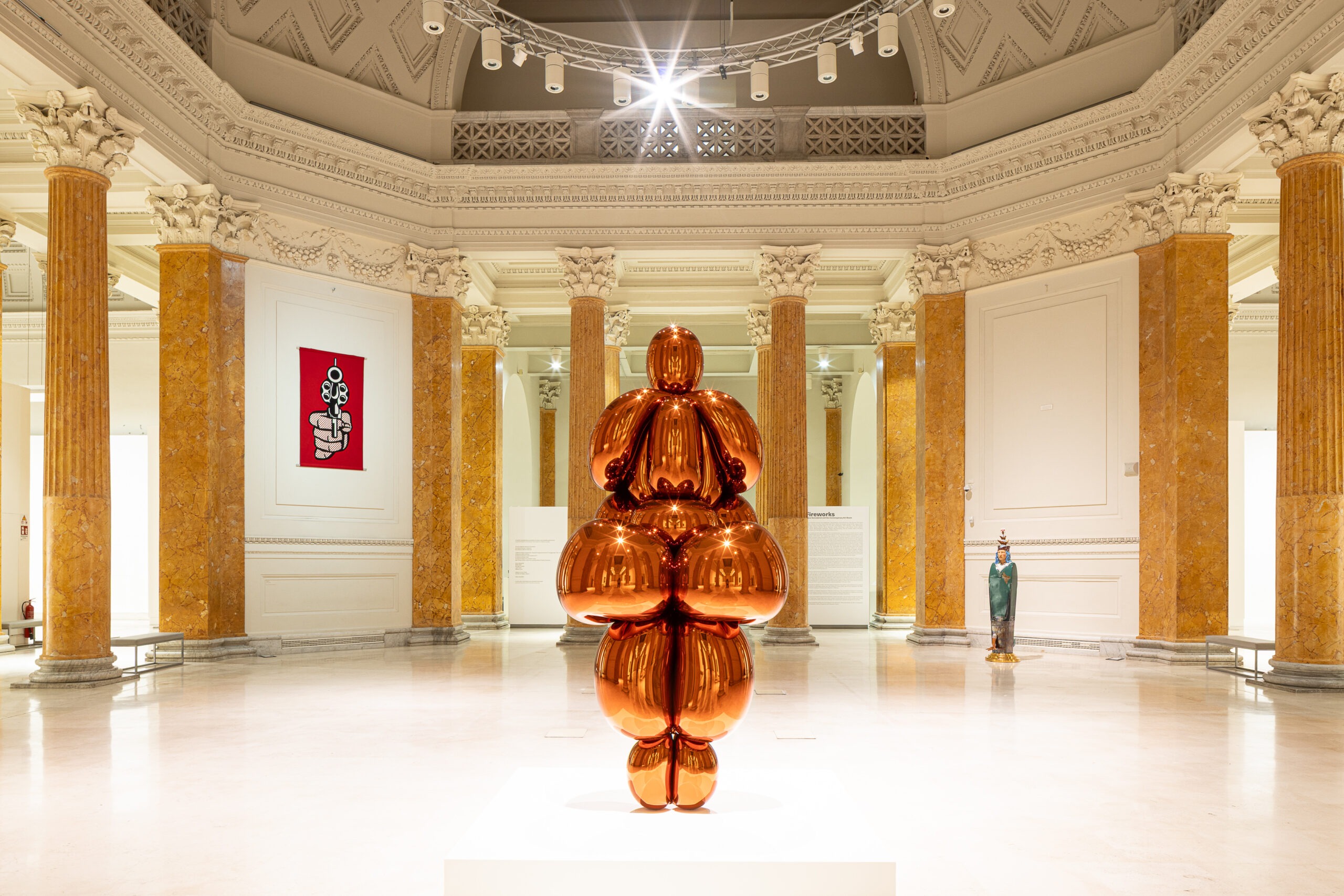
Fireworks. Ileana Sonnabend and the contemporary art boom. Palazzo Esposizioni Roma. Photo Alberto Novelli © Azienda Speciale Palaexpo
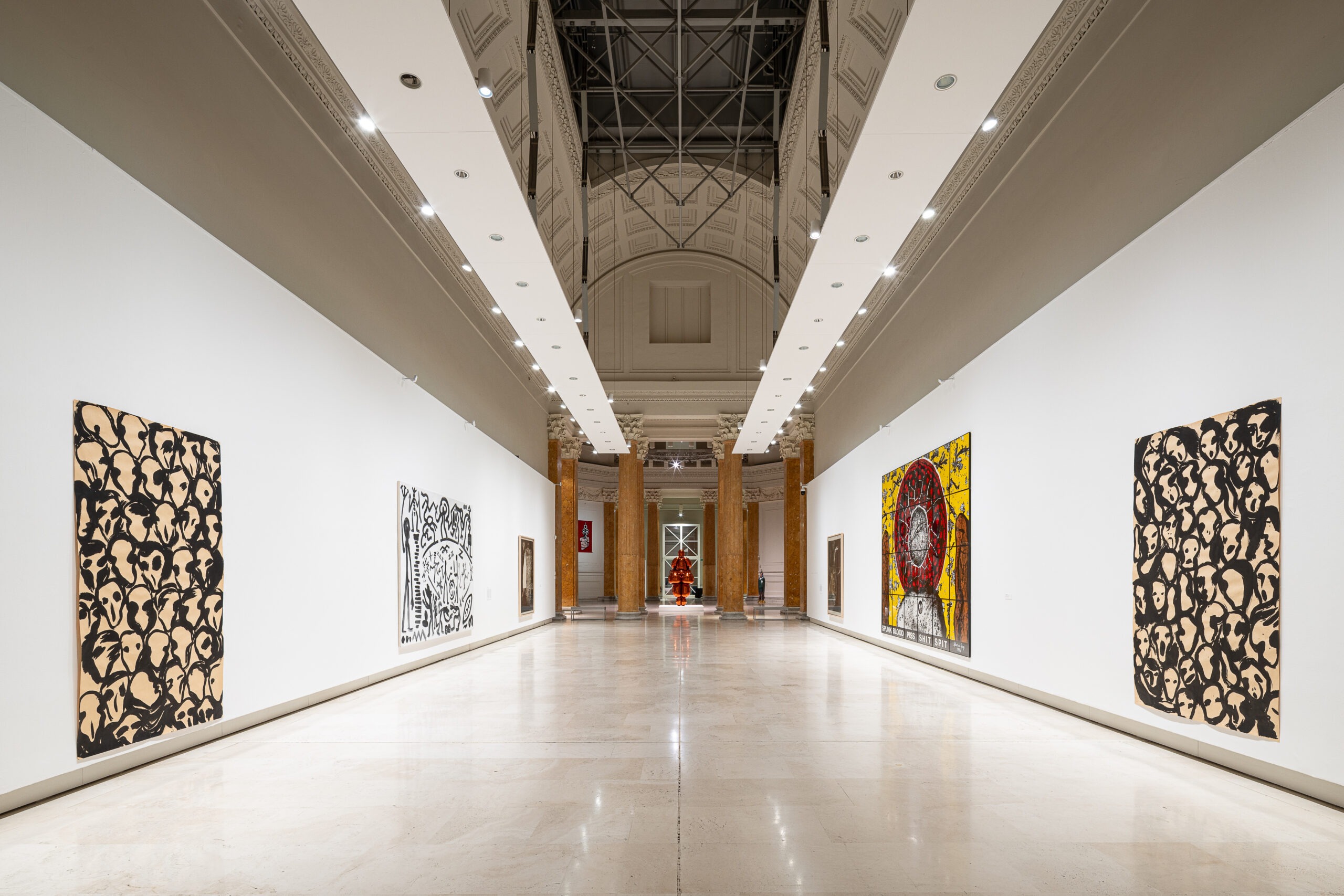
Fireworks. Ileana Sonnabend and the contemporary art boom. Palazzo Esposizioni Roma. Photo Alberto Novelli © Azienda Speciale Palaexpo
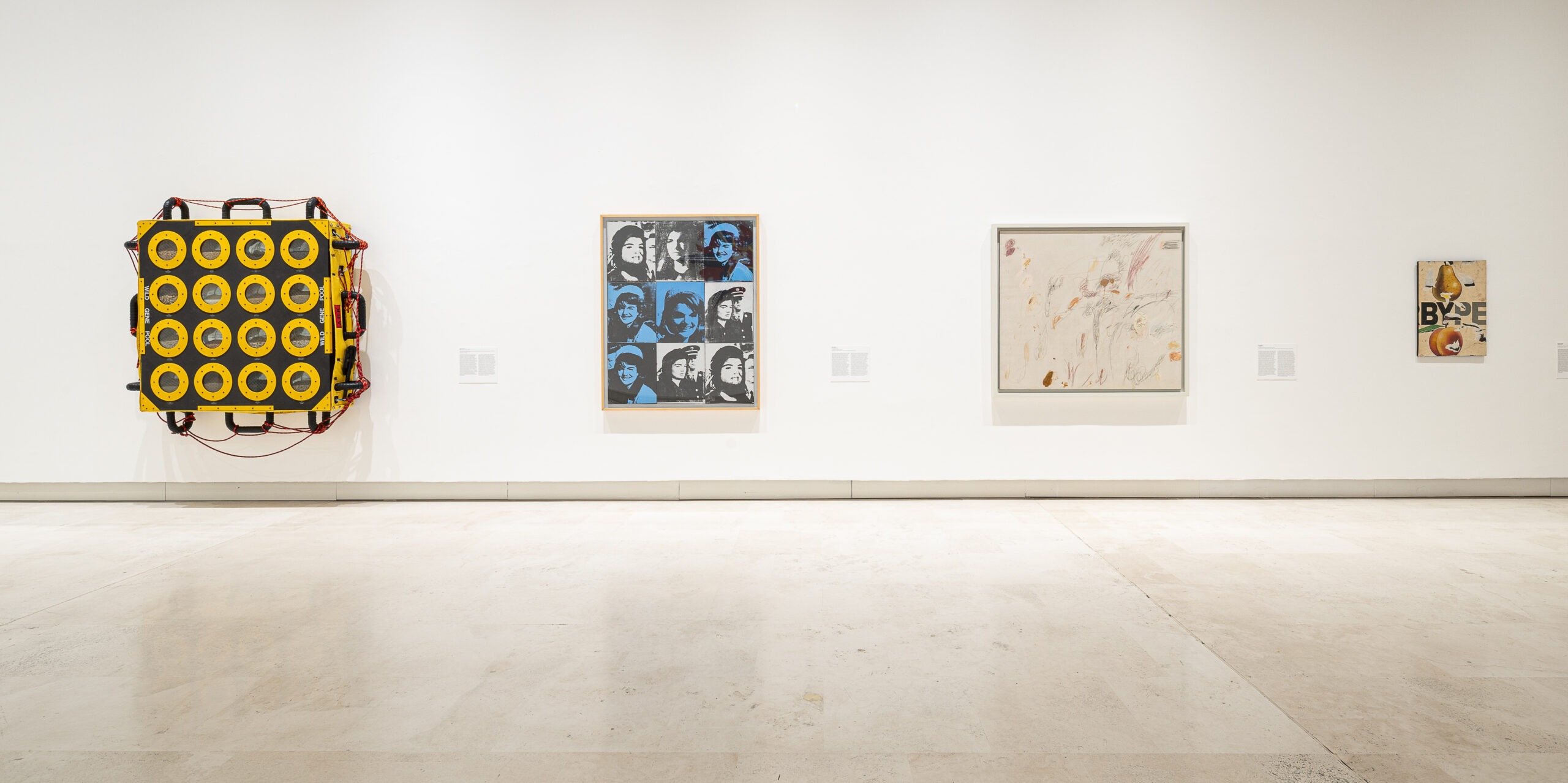
Fireworks. Ileana Sonnabend and the contemporary art boom. Palazzo Esposizioni Roma. Photo Alberto Novelli © Azienda Speciale Palaexpo
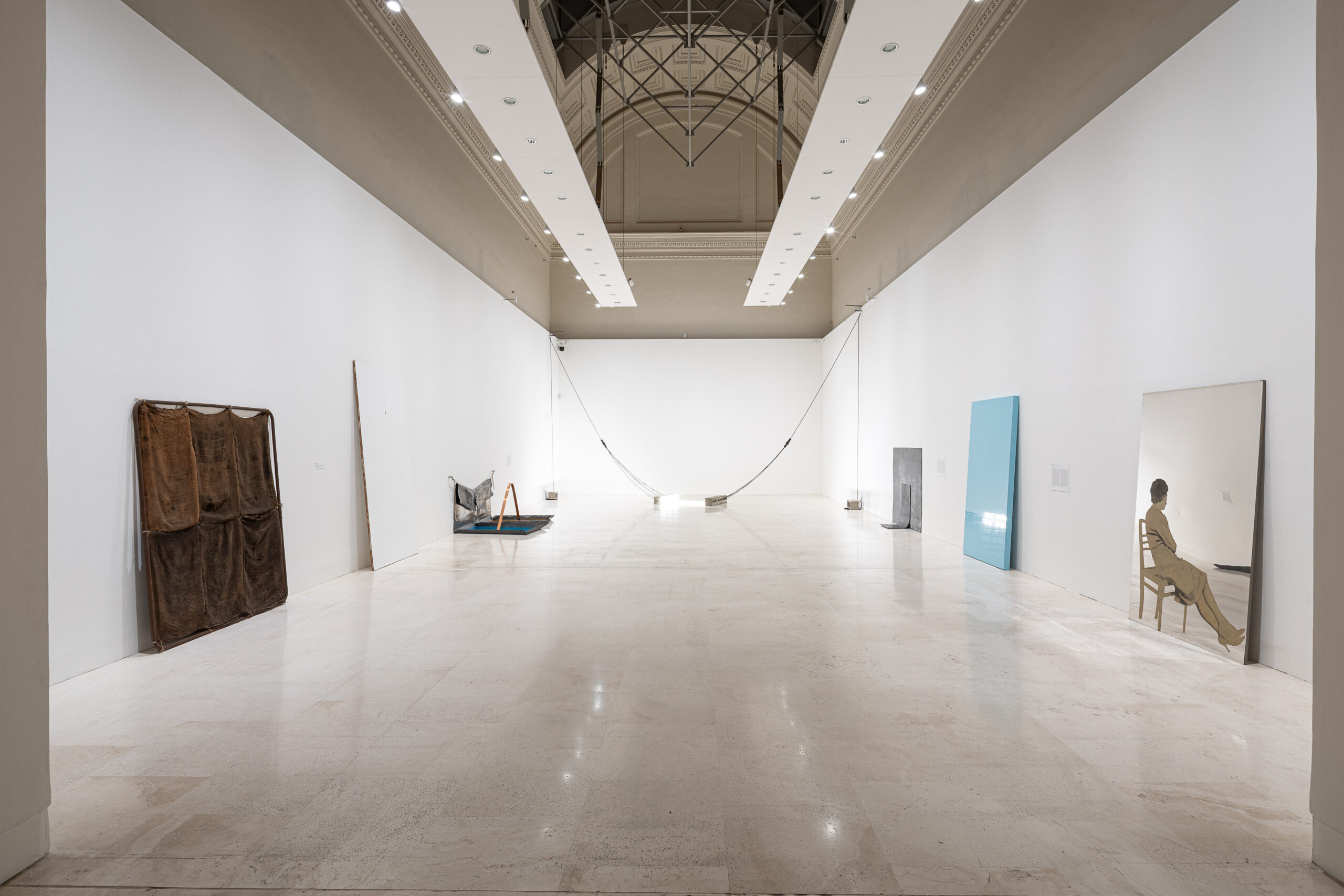
Fireworks. Ileana Sonnabend and the contemporary art boom. Palazzo Esposizioni Roma. Photo Alberto Novelli © Azienda Speciale Palaexpo
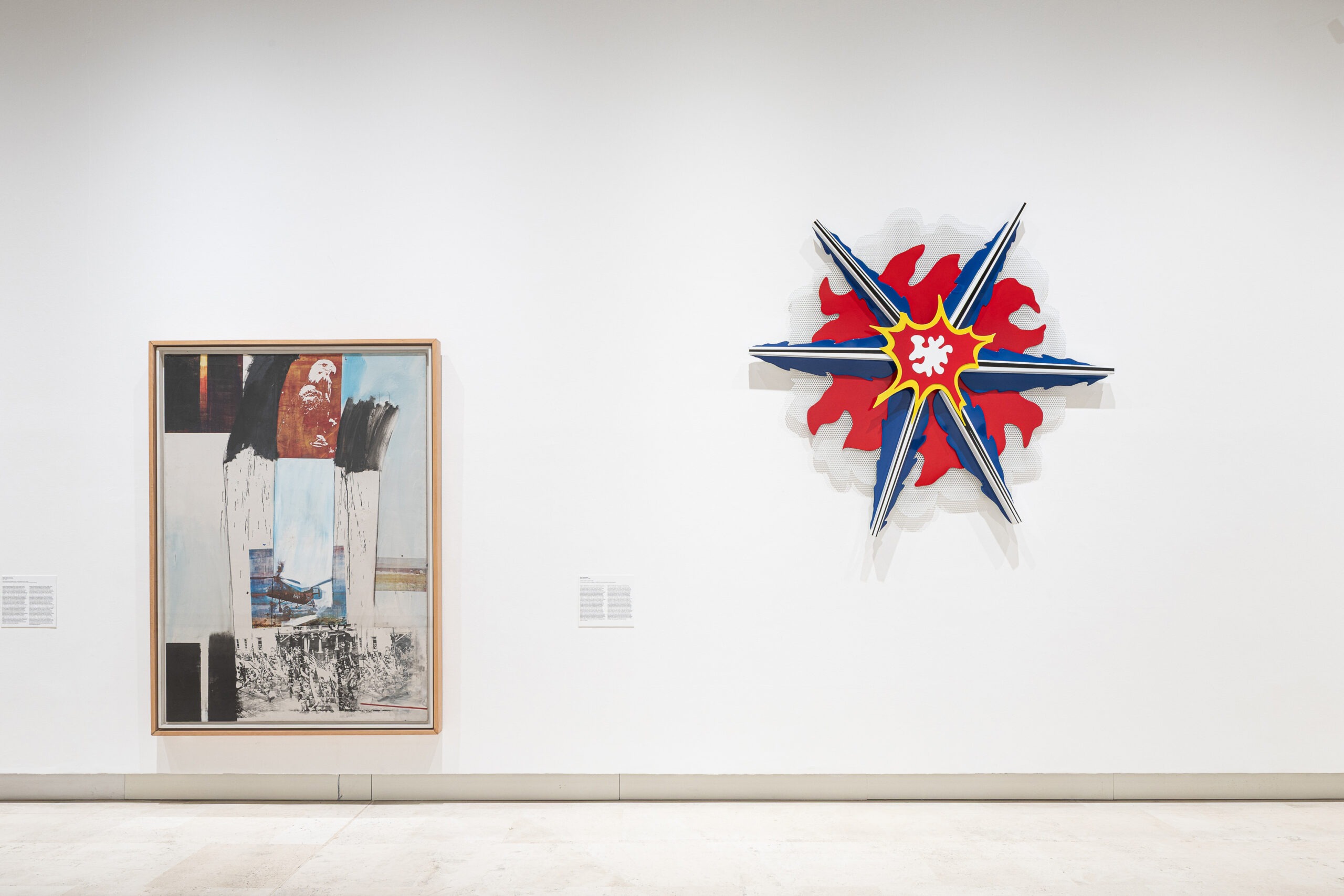
Fireworks. Ileana Sonnabend and the contemporary art boom. Palazzo Esposizioni Roma. Photo Alberto Novelli © Azienda Speciale Palaexpo (cover photo)


Related products
Related Articles